
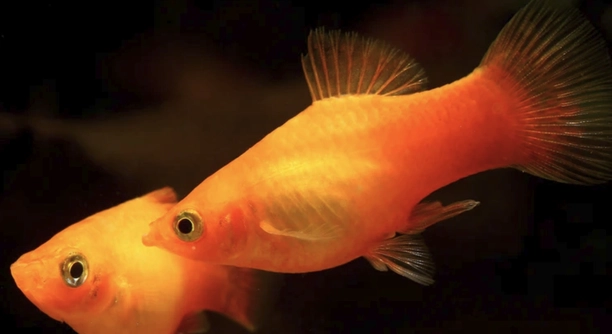
Platies are popular freshwater fish that often brighten up home aquariums. Sometimes, these small fish spend a lot of time near the tank bottom, which can be surprising to many fish owners. This behavior can have several causes related to their health and environment.
Platies staying near the bottom of the tank typically indicate stress, poor water quality, or illness. Low oxygen levels or inappropriate temperature can cause this behavior, as the fish seek comfort or avoid harmful conditions. Monitoring these factors is essential for their well-being.
Understanding why platies stay near the tank bottom helps in providing better care and maintaining a healthy aquarium environment for these colorful fish.
Common Causes for Platies Staying at the Tank Bottom
When platies spend most of their time near the tank bottom, it often signals an issue in their environment or health. Poor water quality is a frequent cause. High levels of ammonia, nitrites, or nitrates can stress fish and make them hide low in the tank. Low oxygen levels are another factor. If the water is stagnant or the filter is not working properly, oxygen can run low at the top, forcing platies to seek more oxygen near the bottom. Temperature is also important—water that is too cold or too warm affects their comfort and behavior. Illness and parasites may also cause lethargy and bottom-dwelling behavior. Lastly, overcrowding can stress fish, leading to unusual habits like staying near the bottom. Regular water testing and tank maintenance can help prevent these problems and keep platies active.
Proper water testing and consistent tank cleaning are essential for healthy platies. Keeping parameters stable avoids stress-related behaviors.
Platies are sensitive to sudden changes in their environment. Frequent water changes can cause shifts in pH or temperature that disrupt their comfort zone. They also need enough space to swim freely. If the tank is too small or packed with other fish, platies may feel unsafe and stay near the bottom. Observing their behavior over time can reveal if the problem is environmental or health-related. Treating illness early and adjusting water conditions can restore normal activity. Adding plants or hiding spots near the bottom can also reduce stress, giving platies a safe area to rest without causing concern. Maintaining balance in the tank environment helps keep platies healthy and happy.
Signs of Stress and Illness in Platies
Platies showing unusual bottom-dwelling behavior often exhibit additional signs of stress or illness. These include clamped fins, loss of appetite, or slow movement.
If you notice your platies hiding near the bottom and showing physical changes such as faded colors or spots, illness may be present. Stress can weaken their immune system, making them more vulnerable to infections. Parasites or bacterial infections can cause lethargy and discomfort. Sometimes, internal problems like swim bladder disorder affect buoyancy, forcing fish to stay low. Early diagnosis is key to treatment. Providing clean, well-oxygenated water and avoiding sudden changes supports their recovery. Consulting a vet or experienced aquarist can guide proper medication and care. Regular observation helps catch health issues before they become severe, allowing your platies to thrive.
Improving Water Quality for Platies
Maintaining clean water is crucial for platies to stay healthy and active. Regular water changes remove harmful toxins and keep the environment stable.
To improve water quality, test your tank’s water weekly for ammonia, nitrites, and nitrates. Using a reliable test kit helps identify problems early. Change 20-30% of the water weekly to keep toxin levels low. Avoid using tap water directly; treat it with a water conditioner to remove chlorine and chloramine. Keep the filter clean and ensure it is running properly to maintain good water circulation and oxygen levels. Overfeeding can pollute the water quickly, so feed your platies only what they can eat in a few minutes. Clean substrate and remove uneaten food or waste regularly to reduce buildup.
Proper filtration and regular maintenance create a safer and more comfortable space for platies. These steps reduce stress and prevent many common health issues, encouraging them to explore all areas of the tank.
Adjusting Tank Conditions to Help Platies
Tank temperature and oxygen levels must be suitable for platies. Ideal temperatures range between 72°F and 78°F, promoting healthy metabolism and activity. Water that is too cold or hot stresses fish and causes unusual behavior, like staying near the bottom.
Aeration also matters. Using an air stone or adjusting the filter output can improve oxygen distribution. Low oxygen levels cause platies to stay in areas where oxygen is higher, sometimes near the substrate or close to plants. Monitoring temperature with a reliable aquarium thermometer ensures conditions stay stable. Avoid placing the tank near heat sources or drafts, as fluctuations can affect water temperature. Balancing these elements keeps platies comfortable and encourages them to swim actively throughout the tank.
Feeding Habits and Their Impact
Overfeeding can quickly pollute the tank, affecting platies’ health and behavior. It’s important to feed them small amounts they can finish within a few minutes.
Poor feeding routines may cause platies to become lethargic and stay near the bottom. Balanced nutrition supports their energy and activity.
Tank Setup and Decorations
Providing hiding spots with plants and decorations reduces stress for platies. They feel safer near the bottom when there are places to retreat. A well-arranged tank encourages natural behavior and movement throughout the aquarium.
When to Seek Professional Help
If platies continue to stay near the bottom despite good water quality and care, consulting a vet or aquarium expert is advised. Early diagnosis can prevent serious health issues.
FAQ
Why do my platies stay at the bottom after adding new fish?
New fish can cause stress to platies, making them hide or stay near the tank bottom. They may feel threatened or need time to adjust to the new environment. Keeping the tank calm and stable helps platies regain their confidence.
Can poor water quality cause platies to stay at the bottom?
Yes, poor water quality is one of the main reasons. High levels of ammonia, nitrites, or nitrates make the water toxic. Platies avoid swimming in these conditions and stay low to protect themselves. Regular water testing and changes are crucial.
Is temperature a factor in platies’ bottom-dwelling behavior?
Absolutely. Platies prefer temperatures between 72°F and 78°F. If the water is too cold or too warm, they become stressed and less active, often resting near the bottom. Using a heater and thermometer keeps temperature steady.
How does oxygen affect platies staying near the bottom?
Low oxygen levels in the tank cause platies to look for areas with better oxygen. Sometimes oxygen is higher near plants or at the bottom where water circulation is better. Adding an air stone or adjusting the filter helps increase oxygen.
Could illness make platies stay at the bottom?
Yes. Illnesses like bacterial infections, parasites, or swim bladder issues reduce energy and buoyancy, causing platies to stay near the bottom. Watching for signs like clamped fins, discoloration, or lack of appetite helps identify health problems early.
How often should I clean my tank to prevent this behavior?
Weekly partial water changes of 20-30% help keep the tank clean and stable. Cleaning the filter regularly and removing uneaten food prevents toxins buildup. This routine supports healthy water conditions and reduces stress in platies.
Is overcrowding a reason for platies to stay low?
Overcrowding increases stress and competition for food and space, causing platies to hide near the bottom. Make sure your tank size suits the number of fish you keep. A crowded tank disrupts natural behavior and harms fish health.
What role do hiding spots play in platies’ behavior?
Hiding spots offer security and reduce stress. Without enough cover, platies may stay near the bottom feeling vulnerable. Adding plants, rocks, or decorations provides safe areas for them to rest and feel protected.
Can diet affect where platies swim in the tank?
Yes, poor nutrition can lead to low energy, causing platies to remain near the bottom. Feeding high-quality food in appropriate amounts keeps them active. Avoid overfeeding to maintain good water quality and healthy behavior.
How can I tell if my platies are sick or just stressed?
Sick platies usually show physical symptoms such as faded colors, spots, clamped fins, or rapid breathing. Stress alone may cause hiding and low activity without physical changes. Regular observation helps distinguish between the two.
Should I quarantine new fish to protect my platies?
Quarantining new fish before adding them to the main tank reduces disease risk and stress for existing fish. It also allows observation for illness, keeping your platies safer and more comfortable in their environment.
What can I do if platies continue to stay at the bottom despite good care?
If your platies still stay at the bottom after checking water quality, temperature, and feeding, it’s best to seek advice from a vet or aquarium expert. They can diagnose hidden health issues or suggest other solutions to improve your tank conditions.
Platies staying near the bottom of the tank often signal something in their environment or health that needs attention. It can be related to water quality, temperature, oxygen levels, or illness. These fish are sensitive to changes, and their behavior gives clues about what might be wrong. By paying close attention to their habits and checking key tank conditions regularly, many common problems can be prevented or corrected. Simple actions such as testing the water, adjusting the temperature, and maintaining a clean environment go a long way in keeping platies healthy and active.
It is important to remember that platies, like all fish, thrive best in stable and balanced conditions. Sudden changes or neglect can stress them out and cause unusual behavior like staying at the tank bottom. Providing enough space, proper nutrition, and safe hiding places helps reduce stress and encourages natural activity. Observing your fish closely over time also helps identify early signs of illness or discomfort. When problems arise, addressing them quickly with proper care or professional advice improves the chances of a full recovery and a happier fish.
Keeping platies healthy requires consistent effort and attention to their needs. Understanding the reasons behind their behavior allows you to make informed decisions for their care. Whether it is improving water quality, adjusting tank settings, or watching for illness, these steps support their well-being. With the right environment and care, platies will swim actively and display the bright colors and lively personality that make them such a popular choice for aquariums. Maintaining a balanced tank benefits not only your platies but all aquatic life you choose to keep.

Hello,
If you enjoy the content that we create, please consider saying a "Thank You!" by leaving a tip.
Every little bit helps us continue crafting quality advice that supports the health, happiness, and well-being of pets around the world, for pets of all shapes, sizes, and species.
We really appreciate the kindness and support that you show us!