
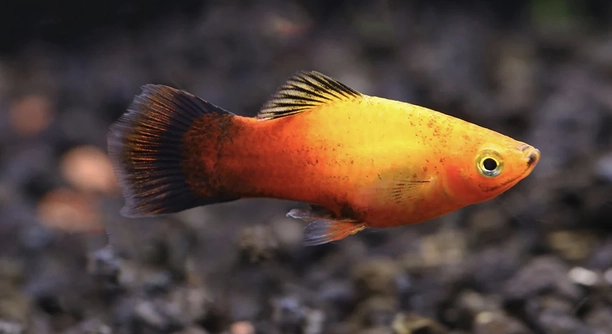
Do your platies suddenly disappear behind plants and decorations right after a water change, leaving you unsure of what’s causing their strange behavior?
Platies often hide after water changes due to sudden shifts in water temperature, pH, or chemical composition. These changes can create stress or discomfort, prompting them to retreat to safer, quieter areas until conditions stabilize.
Learning what triggers this reaction can help you adjust your care routine and create a more comfortable environment for your fish.
What Causes Stress in Platies After Water Changes
Platies are sensitive to environmental changes, and even a small water change can cause discomfort if not done carefully. The most common trigger is a sudden shift in water temperature. If the new water is too cold or too warm, platies may retreat to the back of the tank to recover. Chemical imbalances are another factor. Adding water that hasn’t been properly treated for chlorine or that changes the pH level too quickly can irritate their gills and skin. This leads to hiding as a natural defense. Sometimes, even the noise or movement during a water change can be enough to make them feel threatened. Since platies rely on routine and stable conditions, anything unfamiliar can trigger a stress response. Ensuring a gentle and consistent process helps avoid these issues and keeps your platies visible, active, and healthy in their environment.
Noise, temperature swings, or changes in pH can all make platies feel unsafe.
Pay close attention to how you handle water changes. Use a thermometer to match temperatures, and always treat the new water properly. Avoid sudden movements or loud sounds around the tank, and let the new water flow in slowly. These small actions can reduce stress and hiding.
How to Help Your Platies Feel Safe Again
Sudden changes can make platies hide for hours or even days after a water change.
To help them feel comfortable again, begin by checking the water parameters using a test kit. Make sure temperature, pH, ammonia, nitrite, and nitrate levels are all within safe ranges for platies. If something seems off, fix it gradually. Avoid adding any new decorations or tank mates immediately after a water change, as this can add to their stress. Use floating plants or hiding spots to give them some shelter, but don’t overdo it. Leave the lights dim for a few hours, which can help them settle down. Keep feeding light and avoid overfeeding, as stress can reduce their appetite. Give them time to adjust, and observe from a distance. If they start swimming around normally within a day or so, that’s a good sign they’re recovering well. With each future water change, keep a consistent method so your platies feel secure.
Best Water Change Practices for Sensitive Fish
Changing too much water at once can shock your platies. Stick to 20–30% weekly, and always match the new water’s temperature. Pour it in slowly and avoid stirring up debris that can stress or irritate them further.
Use a water conditioner every time to remove chlorine and chloramine. Let the new water sit for a few minutes after conditioning. Use a clean bucket dedicated only to your tank, and never use soap. Keep lighting low during and after the change to reduce stress. When siphoning, avoid disturbing the fish too much or chasing them with the hose. Keep movements slow and gentle. Monitor how they act in the hours afterward, and note any changes. If they hide for long or seem more stressed than usual, you may need to adjust your process slightly. Consistency is key, so try to keep your steps the same each time.
Sticking to a set routine makes platies feel secure. Make sure you do water changes at the same time and day each week. If your tank is heavily stocked or has plants, adjust your routine based on what works best over time. Pay attention to how your fish respond, and fine-tune as needed.
Common Mistakes That Make Things Worse
Using cold or untreated water during a change will almost always lead to stress. Pouring it in too fast or disturbing the gravel too much stirs up waste that affects water quality and makes fish uneasy.
Never skip using a water conditioner, even for small changes. Tap water often contains harmful substances that may not be visible but still affect your platies. Avoid changing over 50% of the water unless it’s an emergency, as large changes can upset the tank’s balance and stress the fish. Don’t forget to check your filter before and after water changes. If it’s clogged or slowed down, that can reduce oxygen and flow. Try not to feed right before or right after, since fish under stress might ignore food or struggle to digest it. Every little change in the tank matters more than it seems. Keep things calm, slow, and steady to help your platies stay active and visible.
How Long Platies Usually Hide
Platies may hide for a few hours up to an entire day after a water change. How long they stay out of sight depends on how gentle or stressful the change was and how stable the tank conditions are.
If everything returns to normal quickly—temperature, flow, and lighting—they often come back out sooner. Watch for slow movements, clamped fins, or unusual behavior as signs they’re still adjusting.
When to Be Concerned About Hiding
If your platies hide for more than 48 hours and show signs like labored breathing, loss of appetite, or sitting at the bottom, something may be wrong. It could be related to poor water quality, leftover toxins, or a sudden ammonia spike. Test the water and perform a small, gentle change if needed. Make sure the filter is running well and the temperature is stable. If hiding continues despite stable conditions, there may be illness or infection involved. In that case, look for other symptoms and consider isolating the fish or consulting a vet familiar with aquatic pets.
Signs Your Platies Are Adjusting Well
Swimming in open areas, active feeding, and relaxed fins show they feel safe again. Watch for natural schooling and steady movement.
FAQ
Why do platies hide immediately after a water change?
Platies often hide because the new water feels different. If the temperature drops or rises quickly, they feel uncomfortable and retreat to shelter. Sudden changes in pH or water hardness can also irritate their gills or skin. Even the process itself—siphoning, movement, or noise—can create enough disturbance to make them seek cover. Hiding is their way of feeling safe until things settle. Once the water conditions stabilize and the environment feels familiar again, they usually return to normal behavior. Keeping things slow and steady during changes helps reduce this reaction over time.
Can hiding after a water change be dangerous?
It’s usually not dangerous if they’re only hiding for a few hours. But if it goes on for more than 24–48 hours, it may signal that something is off in the tank. Extended hiding could be a sign of stress from poor water quality, high ammonia levels, or incorrect temperature. Left unchecked, these conditions can lead to illness. If hiding is combined with other symptoms like clamped fins, not eating, or staying near the bottom, it’s worth checking your water parameters right away. A small, carefully done water change may help bring them back out.
How can I tell if the water change was too stressful?
Signs of a stressful water change include rapid gill movement, hiding, not eating, clamped fins, or pale color. If your platies show several of these signs right after a water change, the process may have been too harsh. Double-check that the new water’s temperature matched the tank’s and that it was properly treated. Sudden swings in pH or hardness are also common causes. A stressful change usually means too much water was replaced too quickly, or the new water wasn’t conditioned well. Adjust your method next time by doing smaller, slower changes to help prevent it.
Should I turn off the filter during a water change?
It’s okay to turn off the filter briefly if needed, especially while siphoning close to the intake or if it might run dry. Just don’t forget to turn it back on once you’re done. Keeping the filter running during the change helps keep the water circulating and can reduce stress. However, if the filter creates strong flow, turning it off temporarily may help prevent stirring up debris. If you do stop it, try to avoid letting it sit off for too long, as beneficial bacteria can start dying after 30 minutes without oxygen.
Is it better to feed platies before or after a water change?
Wait until after the water change to feed them. Feeding before can lead to uneaten food mixing into stirred-up debris, clouding the water and raising ammonia levels. Right after a water change, your platies may be too stressed to eat anyway. Give them a little time to settle first. Once they’re swimming around and showing normal behavior, offer a small amount of food. Watching how they respond can also help you judge if they’ve recovered well from the change. If they eat normally, they’re likely feeling safe and comfortable again.
Can I change more than 30% of the water if needed?
Yes, but only if absolutely necessary. Large water changes (over 50%) can be done in emergencies, such as after an ammonia spike or contamination. In those cases, be extra careful. Match the temperature closely and add water slowly. Always condition it first. If the water change is too abrupt, it can cause shock. For regular maintenance, smaller and more frequent changes are better for keeping things stable. It’s easier on the fish and less likely to disturb the biological balance in the tank.
Why are only some of my platies hiding, while others seem fine?
Every fish reacts differently to stress. Some platies are naturally more timid or sensitive to changes. Age and health also matter. Younger or weaker fish may hide more often because they feel more vulnerable. Tank placement matters, too—those near high-traffic areas or bright lights might feel more exposed after a change. It’s not unusual for one or two to hide while others carry on. As long as the water quality is stable and all fish are eating and swimming normally within a day, this behavior isn’t a major concern.
How often should I test water after a change?
Test the water shortly after a change—ideally within an hour or two. Check temperature, pH, ammonia, nitrite, and nitrate. This helps confirm the new water is safe and the change didn’t disrupt the balance. If something looks off, you can fix it before it becomes a problem. It’s also good to test again the next day, especially if your fish seem stressed. Regular testing builds confidence in your water change routine and helps catch small problems before they grow. Once your routine is stable, weekly testing is usually enough.
Do platies remember stressful water changes?
Fish have short-term memory and can associate events with discomfort. If water changes are rough every time—cold water, sudden light, or strong movement—your platies may hide faster and longer, expecting stress. A calm, consistent process helps build trust. They may still hide at first, but over time, they’ll learn that the change isn’t harmful. Keeping things predictable reduces fear. Try to follow the same steps each time so they know what to expect. This creates a stable environment where your platies can stay active and visible.
Final Thoughts
Water changes are necessary for a clean and healthy tank, but they can be stressful for platies if not done carefully. Sudden changes in water temperature, pH, or flow can make them feel unsafe, which often leads to hiding. While this behavior may seem concerning, it is usually just a natural reaction to something unfamiliar. In most cases, your platies will come back out once they feel comfortable again. Watching how they respond during and after a water change can give you useful clues about what to adjust in your routine.
If your platies hide for a few hours, that’s perfectly normal. But if they stay hidden for more than a day or seem to act differently—like not eating or sitting at the bottom—you may need to check your water conditions. It helps to test your tank after each change to make sure everything is stable. Using treated water, matching the temperature, and pouring slowly are simple steps that can make a big difference. Keeping a consistent schedule also helps your platies feel more secure. Over time, a steady and gentle process will reduce their stress and make water changes easier for both you and your fish.
Hiding doesn’t always mean something is wrong, but it’s important to stay observant. Each fish reacts differently, so learning your platies’ normal behavior is key. With patience and care, your fish will adjust to the routine and may not even hide at all in the future. Always approach water changes calmly and without rushing. Small details—like avoiding loud sounds, turning down bright lights, and giving them time to settle—can help more than you think. By focusing on what makes your tank a stable home, you support your platies’ health and comfort in a lasting way.

Hello,
If you enjoy the content that we create, please consider saying a "Thank You!" by leaving a tip.
Every little bit helps us continue crafting quality advice that supports the health, happiness, and well-being of pets around the world, for pets of all shapes, sizes, and species.
We really appreciate the kindness and support that you show us!