
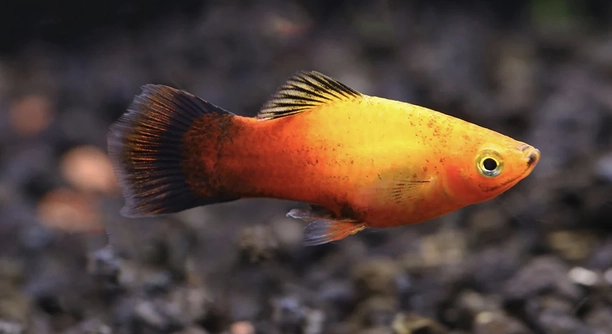
Are your platies always swimming on one side of the tank, barely glancing at the left side no matter the time of day?
Platies may avoid the left side of the tank due to environmental factors such as lighting, current flow, water quality, or reflective surfaces. These conditions can create stress or discomfort, causing them to favor specific areas.
Even small differences in tank setup can affect your fish’s behavior, so it’s important to understand what’s really happening inside their aquatic world.
Possible Reasons Your Platies Avoid the Left Side
Environmental factors often affect how fish behave in an aquarium. If your platies avoid the left side, the issue could be tied to lighting differences, water current, or uneven temperature. A strong filter outflow aimed at the left can create uncomfortable swimming conditions. Light that reflects harshly off that side or creates shadows may also bother your fish. Sometimes, objects like decorations or plants can cause unwanted reflections or even create dark, intimidating spaces. Fish naturally avoid spots that feel unsafe. Noise from nearby speakers or constant movement outside the tank, like people walking by, may also lead them to avoid that area. Even subtle changes can make a big difference. Checking each element in that section of the tank may help you understand what’s throwing them off balance and keeping them away from that side.
Look at how light hits the tank, where the filter is aimed, and if there’s anything creating loud noise nearby.
If you find something that seems off—like a noisy filter, harsh light, or strong current—try changing its position slightly. Monitor their response afterward. Platies tend to react quickly to improved conditions. You may start to see them slowly exploring the left side once those stress points are removed. Be patient and keep observing.
How to Encourage Them to Use the Entire Tank
Start by removing or shifting anything that seems to bother your fish, then make the left side more inviting by adding soft lighting or decorations.
Adding plants or small caves on the left can help your platies feel more secure. These decorations create hiding spaces that offer a sense of safety. Natural plants, especially broad-leaf varieties, can break up light and reduce reflections. Make sure the current isn’t too strong in that area. Redirect the filter output if needed, and check that the heater is distributing warmth evenly throughout the tank. If you recently added new decorations or moved items around, that change alone could be enough to unsettle them. Gradually rearranging tank elements instead of doing it all at once can help avoid stress. Keep feeding consistent and try placing food near the left side to draw them in. Be mindful of outside noise or sudden movements near the tank as well. Creating a calm, balanced space is key.
Common Mistakes to Avoid
Sometimes the tank looks fine, but small mistakes can affect your fish’s comfort. Placing the tank too close to a window or light source may cause glare or sudden temperature shifts that make one side uncomfortable.
Avoid adding decorations with sharp edges or overly bright colors that reflect too much light. These can scare or confuse your platies. Also, don’t overcrowd the tank with too many objects, as this limits swimming space and can trap waste, especially on one side. Make sure your filter isn’t pushing all the debris to the left, creating an unpleasant area. Use a gentle water flow and ensure all parts of the tank are cleaned evenly. Check if your heater placement causes one side to stay cooler. These small oversights, while easy to miss, can lead to fish avoiding certain areas. Take time to adjust each part of your setup with their comfort in mind.
Water testing is another step that’s often skipped. Make sure parameters like pH, ammonia, and nitrate are consistent throughout the tank. Sometimes the left side has lower circulation, and waste builds up more easily there. That buildup causes stress. Uneven lighting schedules or sudden shifts in tank lighting can also affect behavior. Using a timer ensures balance. Be careful not to tap the glass near the left side or startle your fish when feeding. Repeating small actions like this can build negative associations. Clean the tank slowly and gently. If you change things too quickly, it can confuse or scare your fish. Take a calm, steady approach to any tank updates.
When to Consider a Bigger Change
If small adjustments don’t work, it might be time to look at the bigger picture. Sometimes, the tank layout itself may need a full rearrangement to balance light, flow, and decor more effectively.
A tank that’s too small or oddly shaped can limit natural behavior. If your platies seem stressed or avoid one side no matter what, consider upgrading to a slightly larger tank with better dimensions. Wider tanks allow more swimming space and let you spread decor more evenly. Also, choose a filter that supports smooth, low-flow circulation across the entire tank. If one side has no movement while the other has too much, that imbalance will affect how your fish behave. You may also want to rotate tank items every few weeks to keep the space engaging but familiar. Fish respond well to subtle changes over time. Always observe your platies after each change to see what helps them feel secure.
Signs Your Platies Are Stressed
Watch for fast swimming, hiding more than usual, or staying near the surface. These behaviors often mean something in the environment isn’t right.
Loss of appetite, faded color, or clamped fins can also signal stress. If these signs appear, take time to review the tank setup carefully.
How Lighting Plays a Role
Uneven lighting can make one side of the tank feel too bright or too dim, which platies may find unsettling. Bright light reflecting off glass or decor may create glare or stress shadows. Use adjustable lighting and soft plants to diffuse brightness. A light timer helps keep a steady routine, preventing sudden changes that can startle them. Also, avoid direct sunlight, especially if the tank is near a window. It not only heats the water unevenly but also adds harsh light to one side. A balanced, low-glare setup with natural breaks in brightness can make your platies feel more at ease.
Why Tank Position Matters
If your tank is near a noisy area, doorway, or television, the constant movement and sound may make one side feel unsafe to your fish.
FAQ
Can platies sense small changes in water conditions on one side of the tank?
Yes, platies are sensitive to even slight differences in water quality. If one side has less circulation or gathers more waste, the oxygen levels and cleanliness may not be the same. Ammonia or nitrate buildup in one corner, even at low levels, can make that area uncomfortable. Using a sponge filter or adjusting water flow can help balance the environment across the tank. Test water in different sections if you suspect a problem. Keep everything as consistent as possible to avoid making one side feel less safe or healthy for your fish.
Should I worry if my platies only swim on one side?
Not always, but it’s worth checking. If your platies consistently avoid the same area, there’s likely something bothering them there. It could be strong current, poor lighting, or something outside the tank causing stress. A one-time behavior isn’t usually a concern, but if it happens daily, review your tank setup. Look for anything that’s changed recently, like new decorations, equipment noise, or cleaning habits. If the behavior continues, try adjusting one element at a time. Give them a day or two after each change to see if it helps.
Do reflective surfaces really affect platy behavior?
Yes, they do. Platies can see their reflections in the tank glass, especially if lighting angles are sharp or inconsistent. If the reflection appears on just one side, your fish may think it’s another fish invading their space. This can lead to stress or even aggression. Try placing plants or background covers along the tank walls to cut down on reflections. Using dimmer lighting or adjusting the tank’s position can also help. Keep an eye on how your fish react after each small change to find what makes them more comfortable.
Can adding plants to one side help balance the tank?
Absolutely. Plants not only provide cover but also help break up harsh lighting and block reflections. Live plants like Java fern or Anubias can soften the overall feel of the tank. When placed on the neglected side, they offer your platies a sense of security. This can encourage them to explore more of the space. Plants also help with water quality, which benefits the entire tank. If you don’t want live plants, silk ones can work too—just avoid plastic with sharp edges.
Will feeding near the left side help?
Yes, feeding near the side your platies avoid can gradually change their behavior. Fish often associate locations with feeding and may become more comfortable over time. Try placing flakes or pellets near that side for a few days. Stay calm and quiet while feeding so they feel safe. If they remain hesitant, feed small amounts at first and move slowly. Eventually, they may begin to see that area as safe and rewarding. Pair this with good lighting and calm surroundings for the best results.
What if nothing I do seems to help?
If you’ve adjusted lighting, flow, decor, and noise but your platies still avoid one side, it could be a deeper issue. Consider whether the tank itself is well-suited for your fish. Some tanks are tall but narrow, creating limited space near one side. Also, check for ongoing outside disturbances, like vibrations from nearby electronics. If needed, slowly rearrange the entire setup for a more open and balanced layout. Observing your fish closely after each change is the best way to find what works. Sometimes, it just takes time and patience.
Final Thoughts
Platies are peaceful, active fish that enjoy calm, balanced environments. When they start avoiding one side of the tank, it usually means something is off in that area. It could be the lighting, water flow, noise, or even how the decorations are placed. Small details like a strong filter current, bright glare, or a sudden change in the setup can cause them to feel unsafe. While this behavior might seem confusing at first, it often has a clear cause that can be fixed with small adjustments. Observing your fish regularly is one of the best ways to catch changes early and make sure they feel secure in their space.
Taking time to check each part of your tank setup can make a big difference. Start with the basics: water quality, temperature, light, and current. Make sure all of these are evenly distributed across the tank. If one side is darker or colder, or if the filter is too strong in one direction, your platies may avoid that spot. Adding natural plants, soft decorations, and hiding spaces can also help. These small changes often encourage your fish to explore new areas. Keep in mind that fish respond well to routine and gentle updates, so try not to make too many changes at once.
If your platies continue to avoid the left side, don’t get discouraged. Every tank is different, and sometimes it takes a bit of time to find the right balance. Continue observing your fish’s behavior, adjust the setup slowly, and be patient. Use tools like timers for consistent lighting and water tests to keep conditions steady. Feeding near the area they avoid can also help create a positive association over time. Most importantly, stay consistent and calm. Creating a peaceful space for your platies not only helps with this issue but also supports their overall health. Once everything is in balance, you’ll likely see them swimming happily across the entire tank.

Hello,
If you enjoy the content that we create, please consider saying a "Thank You!" by leaving a tip.
Every little bit helps us continue crafting quality advice that supports the health, happiness, and well-being of pets around the world, for pets of all shapes, sizes, and species.
We really appreciate the kindness and support that you show us!