
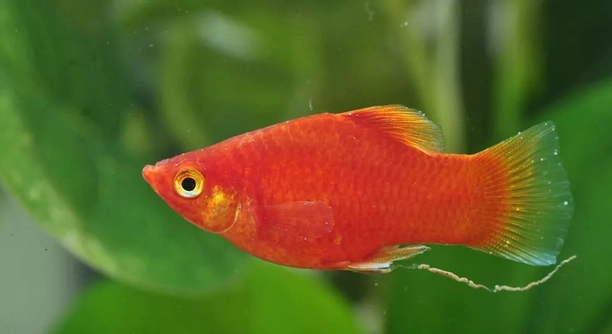
Platies are colorful, lively fish that many people enjoy keeping in their home aquariums. Sometimes, these fish gather closely along the glass walls of their tank. This behavior can catch the attention of aquarium owners, making them wonder about the reasons behind it.
Platies often cluster by the tank glass due to factors such as searching for food, seeking warmth, or responding to reflections. They may also be influenced by water conditions or the presence of other fish, making the glass area a common gathering spot.
Understanding why your platies behave this way can help improve their care and environment. This article will explain the common causes behind their clustering by the tank glass.
Reasons Platies Gather by the Glass
Platies often group near the glass because it offers certain advantages in their tank environment. One common reason is food. Fish quickly learn that food tends to appear near the tank walls, especially if feeding is done close to the glass. This makes the area a busy spot where they wait for snacks. Another reason is warmth. Glass near the tank’s heater or light source can be slightly warmer, attracting platies during cooler times. Reflections on the glass can also catch their attention. Platies may mistake their own image for other fish, which encourages them to stay close. Lastly, water flow plays a role; areas with gentle currents near the glass can be more comfortable, making it a preferred resting or gathering place. Understanding these basic causes can help you create a better environment for your fish.
Sometimes, this clustering is normal behavior and not a sign of stress or illness.
Keeping an eye on water quality and tank setup ensures your platies are comfortable. If they appear healthy and active, clustering by the glass is likely just their way of adapting to their space.
How Tank Conditions Affect Clustering
Poor water quality or incorrect temperature can cause platies to stay near the glass. If the main part of the tank has low oxygen or buildup of waste, fish move to where conditions are better. Sometimes, tank decorations or plants may block open areas, forcing platies toward the glass. Also, if the tank is too small or overcrowded, fish will cluster where there is room to swim or rest. Monitoring ammonia, nitrite, nitrate levels, and water temperature is important to avoid stress. If water conditions are off, platies may gather in specific spots more often. Regular water changes and tank maintenance help keep the whole aquarium comfortable for all fish. A well-balanced tank leads to natural, healthy fish behavior and less clustering. Adjusting tank layout can also encourage even swimming throughout the tank, reducing glass gathering.
Interaction with Reflections and Light
Platies often react to their own reflections on the glass. They may think the reflections are other fish and gather near the glass to interact or defend their space.
Reflections can cause platies to become more active or sometimes stressed. Bright light shining through the tank glass enhances these reflections, drawing fish closer. If the lighting is too strong, it can confuse or tire the fish, leading to more time spent near the glass as they investigate or try to avoid bright areas. Adjusting light intensity or repositioning the tank can help reduce this effect.
Sometimes, platies are simply curious about their reflection, swimming back and forth near the glass. This behavior is natural, but it may increase if the tank is quiet or lacks other stimuli. Providing more plants or decorations inside the tank can distract them, encouraging movement away from the glass and promoting a more balanced environment.
Feeding Habits and Social Behavior
Platies quickly learn where food usually appears, often near the tank’s edge, which causes clustering. They expect feeding times and gather where food is likely to fall, especially if you feed at the same spot.
This behavior is also linked to their social nature. Platies are schooling fish and like to stay close to each other for security. When feeding time comes, they naturally group near the glass to eat together. If one fish spots food, others quickly follow, creating clusters. Feeding routines and social habits combine to shape this common pattern. Varying feeding locations or using sinking pellets can encourage platies to spread out more during mealtime.
Temperature and Comfort Zones
Platies prefer stable water temperatures between 72°F and 78°F. They often gather near glass where the temperature feels most comfortable.
If part of the tank is cooler or warmer, platies will move to spots where the temperature suits them better, which can cause clustering near glass areas heated by equipment.
Territory and Space
Platies may cluster by the glass when competing for territory. Limited space or aggressive tank mates can push them to the edges.
Ensuring enough room and hiding places reduces territorial stress and encourages more even distribution throughout the tank.
Tank Size and Stocking Levels
A small or overcrowded tank limits swimming space, forcing platies to cluster in available areas. Overcrowding increases stress and competition for resources.
Keeping an appropriately sized tank with a balanced number of fish helps platies spread out and feel secure.
Light and Reflection Adjustment
Reducing bright light and minimizing reflections on the tank glass can discourage platies from lingering there. Proper lighting creates a calmer environment.
FAQ
Why do my platies always stay near the glass?
Platies often stay near the glass because they expect food there, see their reflections, or find it warmer near heaters. Sometimes, they feel safer at the edges, especially if the center of the tank feels too open or crowded. It’s normal behavior as long as they look healthy.
Is it bad if my platies cluster by the glass?
Not necessarily. Clustering can be normal if it’s related to feeding or comfort. However, if your platies look stressed, gasp for air, or show signs of illness, clustering may signal a problem like poor water quality or temperature issues.
How can I stop my platies from clustering by the glass?
Try feeding them in different spots or using sinking pellets to spread them out. Adding more plants or decorations can distract them and give them places to explore. Also, check water quality and temperature to ensure a comfortable environment throughout the tank.
Does tank size affect platies clustering?
Yes. Smaller or overcrowded tanks give fish less room to swim, causing them to gather near available spaces like the glass. Make sure your tank is large enough and not overstocked to keep platies comfortable and active.
Can reflections cause stress for platies?
Reflections can confuse platies, making them think there are other fish nearby. This can cause stress if they constantly react to their image. Reducing bright lights or placing a background behind the tank can help minimize reflections and calm your fish.
Why do platies gather near the heater or light source?
Platies like stable and comfortable temperatures. The glass near a heater or strong light might be warmer, attracting them there. If the rest of the tank is cooler, they’ll cluster in these spots to stay warm.
Are there health issues linked to clustering behavior?
Clustering alone isn’t always a sign of illness, but if combined with lethargy, loss of appetite, or abnormal swimming, it could mean stress or disease. Always monitor water parameters and fish condition to catch problems early.
How often should I clean my tank to prevent clustering?
Regular cleaning helps keep water quality high. Partial water changes every 1-2 weeks and cleaning filters prevent waste buildup. Healthy water reduces stress, which can help platies spread out more evenly in the tank.
Can tank decorations affect where platies cluster?
Yes. Large decorations or plants can block swimming areas, pushing fish toward the glass. Arranging tank elements to allow open spaces encourages platies to explore all parts of the tank rather than sticking to the edges.
Is it normal for platies to chase their reflection?
Platies are curious and sometimes chase their reflections, thinking they are other fish. This behavior is common but should not be constant. If it is, try reducing light or adding plants to give them distractions and reduce this behavior.
What feeding habits influence platies clustering?
Platies quickly learn feeding routines and gather where food usually appears, often near the glass. Varying feeding locations and using different types of food can encourage them to spread out during feeding times, reducing clustering.
Can other fish affect platies’ behavior near the glass?
Yes. Aggressive or territorial tank mates may push platies to the edges. If you notice increased clustering along with signs of stress, consider tank mate compatibility and provide hiding spots to help platies feel safe.
What is the best way to create a balanced environment for platies?
Maintain stable water conditions, provide enough space, keep the tank clean, and offer hiding places. Vary feeding spots and control lighting to reduce reflections. These steps encourage natural swimming patterns and reduce excessive clustering near the glass.
Platies are lively and social fish that bring color and movement to any aquarium. Their habit of gathering near the tank glass can seem puzzling at first, but it is usually a natural part of their behavior. They may cluster by the glass because it offers warmth, easy access to food, or because they are responding to their own reflections. Understanding these simple reasons helps in caring for them better and creating a comfortable environment for the fish.
It is important to remember that platies cluster by the glass most often when conditions inside the tank make other areas less appealing. Water quality, temperature, tank size, and stocking levels all influence where fish choose to swim or rest. Keeping water clean and maintaining the right temperature keeps platies healthy and more likely to explore the whole tank. Providing enough space and hiding spots also helps prevent them from feeling crowded or stressed, which reduces clustering near the edges.
By paying attention to these details, you can improve your platies’ living space and encourage natural, healthy behavior. Small changes like adjusting feeding habits, reducing bright reflections, or rearranging tank decorations can make a big difference. Watching your fish become more active and spread throughout the tank shows that they feel safe and comfortable. These simple steps not only improve their well-being but also make your aquarium a more enjoyable and balanced place to watch.

Hello,
If you enjoy the content that we create, please consider saying a "Thank You!" by leaving a tip.
Every little bit helps us continue crafting quality advice that supports the health, happiness, and well-being of pets around the world, for pets of all shapes, sizes, and species.
We really appreciate the kindness and support that you show us!