
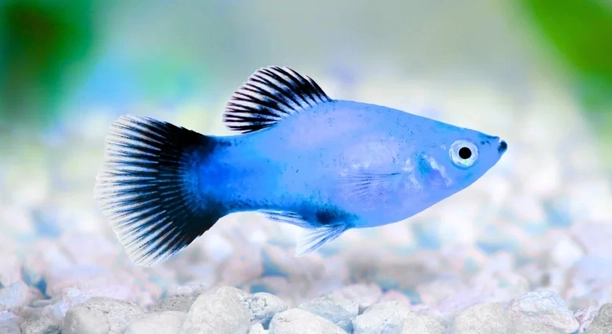
Are your platies spending most of their time swimming in the middle or lower areas of the tank, avoiding the surface completely?
Platies often avoid the water surface due to poor water quality, lack of oxygen, surface disturbances, or underlying health issues. Identifying the exact cause requires close observation of their behavior and regular tank maintenance.
Understanding what’s happening at the surface level can help you improve your fish’s environment and prevent long-term health problems.
Common Reasons Platies Stay Away from the Surface
When platies avoid the water surface, it’s often due to something in their environment that makes them uncomfortable. Poor water quality is a major factor. High levels of ammonia or nitrites can irritate their gills, making it harder for them to breathe at the top. Low oxygen levels also discourage surface swimming, especially in tanks with little water movement. Another reason could be strong currents caused by filters or air stones that disturb the surface too much. Platies prefer calm areas and may stay lower if they feel stressed by surface activity. Additionally, bright lighting above the tank can make the surface feel too exposed or unsafe. Lastly, sickness or discomfort from internal issues might lead them to avoid surface areas altogether. Checking all these factors can help you pinpoint what’s keeping them away from the top and make the necessary changes to bring them comfort again.
Make sure to look for any signs of stress, including rapid breathing or unusual swimming patterns.
Sometimes, feeding habits also change when platies are avoiding the surface. They may eat less or only nibble on food that drifts lower.
If your tank lacks oxygen or is overcrowded, your platies might be struggling to stay comfortable near the surface. Overcrowding reduces oxygen, and if your tank isn’t properly aerated, fish often retreat to where breathing feels easier. A lack of live plants or surface agitation can limit oxygen exchange. You can improve this by adding an air stone, increasing surface movement, or lowering the water temperature slightly, which helps hold more oxygen. In warmer tanks, fish tend to feel the strain of low oxygen more easily. It’s also a good idea to clean your filter and check for any buildup that may be limiting water flow. If you’re unsure about oxygen levels, test kits are available and easy to use. Keeping the tank lightly stocked and well-maintained can make a big difference in how your fish behave near the surface.
Checking for Illness or Stress
If your platies are avoiding the surface, it could be a sign of illness or stress. Look for symptoms like clamped fins, faded color, erratic swimming, or loss of appetite. These small changes often mean something is wrong internally.
Internal parasites, infections, or swim bladder problems can all lead to changes in swimming behavior. A platy with a swim bladder issue may have trouble staying afloat or may avoid rising to the surface altogether. Stress can also be triggered by sudden changes in water temperature, aggressive tank mates, or loud noises around the tank. Keeping the tank environment calm and stable can help reduce these problems. Quarantining any new fish before adding them to the main tank is also a good practice. When in doubt, observing your fish for a few days and doing a partial water change can sometimes improve their behavior without needing medication.
Medications should be a last resort unless symptoms clearly match a specific disease. Start by testing your water parameters and adjusting anything that’s out of range. Ensure the temperature stays steady and within 72–78°F. If you suspect a swim bladder issue, avoid feeding for a day, then offer a blanched pea to help digestion. Stress coat products may help, but they won’t solve the root issue. Reducing noise, light, or other disturbances can also make your fish feel safer and more willing to explore the upper areas of the tank. Keep an eye on all your platies, as illness can spread quickly if not caught early.
Environmental Changes to Consider
Even small changes in your tank setup can make a big difference. Try adjusting your filter flow if it’s creating too much current at the surface. Platies prefer gentle water movement and may stay lower to avoid constant effort.
Check your lighting schedule too. Platies are sensitive to lighting changes, and overly bright or extended periods of light can cause them to feel exposed. Try using a softer or dimmable aquarium light and keep the light on for 8–10 hours a day. Adding floating plants like duckweed or frogbit can also help. These give your fish cover near the surface and reduce the light intensity. Floating plants also improve oxygen exchange, making the surface more comfortable. Rearranging tank decor can help reduce territorial stress from other fish, especially in community tanks. Make sure your tank isn’t overcrowded, as too many fish can add stress and reduce surface comfort.
Feeding Habits and Surface Behavior
If your platies are avoiding the surface during feeding time, it might be because the food sinks too fast or the surface feels unsafe. Try using floating flakes or slow-sinking pellets to encourage more surface activity.
Some platies may feel more secure eating in mid-water or near plants. You can try feeding smaller portions more often to observe their comfort level.
When to Worry
If your platies avoid the surface for more than a few days and show other signs like labored breathing or staying in one spot, it’s time to investigate further. Persistent changes in behavior often mean there’s an ongoing issue that needs to be fixed. Test the water, watch for illness symptoms, and check for tank stressors. The sooner you find the problem, the easier it is to get things back to normal. Even small adjustments can make a big difference in how your fish act. If things don’t improve after making changes, consider reaching out to a local aquatic vet or experienced fishkeeper for help.
Simple Fixes to Try First
Start by checking water temperature, ammonia levels, and filter flow. These basics can solve most surface-avoidance problems quickly.
FAQ
Why do my platies stay at the bottom of the tank instead of the surface?
Platies often stay at the bottom when they feel stressed, sick, or uncomfortable. Poor water quality, cold temperatures, or high ammonia levels can push them away from the surface. Bottom hiding is also common when they are tired or recovering. Make sure your water parameters are stable and within the safe range. Check for signs of illness such as loss of color, clamped fins, or fast breathing. If everything looks fine, try reducing tank stressors like noise or aggressive tank mates. Offering more hiding spots and live plants may help them feel more secure.
Is it normal for platies to avoid the surface during the day?
It can be normal depending on your tank setup and lighting. Bright lighting or high surface activity can make platies feel exposed or uncomfortable. They may avoid the top during the brightest parts of the day and come up later when it’s calmer. Floating plants can help reduce the intensity and make them feel safer near the top. If you notice they come up during feeding but avoid it otherwise, they may just prefer mid-level swimming. However, if this is new behavior, test the water and observe for stress signs.
Do platies need surface oxygen?
Yes, like all fish, platies need well-oxygenated water, and oxygen levels are usually highest at the surface. If they’re avoiding it, something may be wrong with the water conditions or surface agitation. Poor oxygenation can be caused by overcrowding, dirty filters, or warm temperatures. Use an air stone or adjust your filter output to help improve surface movement. You don’t want too strong of a current, but gentle ripples are good. If you notice multiple fish staying low or gasping, it’s time to act quickly and check your setup.
Can feeding routines affect platies’ surface activity?
Yes, it’s possible. If you feed only sinking food, your platies might stay lower even during feeding time. Surface feeding helps them feel more confident about that area. Try offering a small amount of floating food to encourage them to come up. Also, feeding at consistent times helps fish build routine and reduces stress. Avoid overfeeding or leaving uneaten food in the tank, as this lowers water quality and may cause them to stay away from the top. Watch how they respond during feeding and adjust based on their comfort.
Do floating plants help platies feel safe at the surface?
Yes, floating plants like duckweed or frogbit offer cover and reduce light, helping platies feel less exposed. This can make them more willing to explore the surface. Floating plants also help with oxygen exchange and give the tank a more natural feel. Just make sure they don’t completely block out the light or take over the entire surface area. Keep them trimmed so your fish still have open space to swim and breathe. Many aquarists notice more relaxed fish when floating plants are added, especially in tanks with bright lighting.
How can I tell if a platy is stressed or sick?
Look for clamped fins, faded color, odd swimming, gasping at the surface, or hiding all the time. These are signs of stress or illness. If the behavior is new, test your water parameters and do a partial water change. Make sure the tank isn’t too crowded or noisy. Quarantine any new fish before adding them to the tank, and avoid sudden temperature changes. Stress can come from many small issues adding up, so take time to check each part of your tank setup. The earlier you act, the better chance your fish has to recover.
Should I be worried if only one platy avoids the surface?
If just one fish is avoiding the surface and the others seem fine, that platy might be sick or uncomfortable. Watch it closely over the next few days. Check for visible symptoms, isolate it if necessary, and make sure it’s still eating. Sometimes a fish just needs extra time to adjust, especially if it’s new to the tank. However, if more fish start showing the same behavior, it likely means something in the environment needs to be fixed. Don’t ignore small signs—they can point to bigger issues later.
Final Thoughts
When platies avoid the surface, it’s usually a sign that something in the tank isn’t quite right. It could be poor water quality, low oxygen levels, bright lighting, or even surface disturbances that make them feel unsafe. Sometimes, it’s due to illness or stress from a change in their environment. These small freshwater fish are usually active and social, so a sudden change in where they spend their time should not be ignored. Watching their behavior and taking note of any patterns can help you catch problems early. If they’re hiding more, eating less, or breathing harder, those are all signs something needs attention.
Taking simple steps can make a big difference. Start by testing your water to check for ammonia, nitrites, and pH imbalances. Make sure the temperature stays stable and your tank isn’t overcrowded. If your filter is too strong at the surface, try adjusting the flow or adding floating plants to break up the current. Feeding routines also matter—platies may avoid the surface if they don’t feel safe during feeding time. Offering floating food and spreading out their meals can help build their confidence. Adding more hiding spots and live plants throughout the tank gives them options to feel secure at all levels.
It’s also helpful to observe how your other fish behave. If you have a community tank, there could be more aggressive fish causing your platies to stay lower in the water. Stress can build up from things that seem small, like too much noise, inconsistent lighting, or sudden temperature drops. Creating a stable, calm environment will help your platies feel safe enough to explore the surface again. Keep in mind that not every fish will behave the same way, but when you see a change in their usual habits, it’s always worth checking. With a little patience and care, most issues can be fixed, and your platies will be back to swimming comfortably near the top.

Hello,
If you enjoy the content that we create, please consider saying a "Thank You!" by leaving a tip.
Every little bit helps us continue crafting quality advice that supports the health, happiness, and well-being of pets around the world, for pets of all shapes, sizes, and species.
We really appreciate the kindness and support that you show us!