
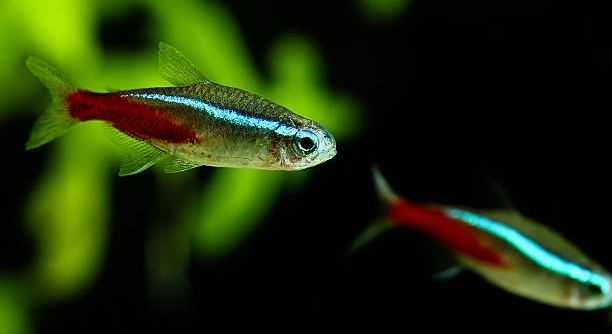
Neon Tetras are popular aquarium fish, known for their vibrant colors and lively nature. However, if your Neon Tetra suddenly stops eating, it can be concerning. Understanding the potential causes behind this behavior can help ensure their well-being.
Several factors can cause a Neon Tetra to stop eating, including poor water quality, stress, illness, or improper diet. Inadequate tank conditions or sudden environmental changes can also affect their feeding habits and overall health.
Knowing these causes can help you pinpoint the issue and take the right steps to address it, ensuring your fish stay healthy and happy.
Poor Water Quality
If your Neon Tetra is not eating, water quality is one of the first things to check. Poor water conditions, such as high levels of ammonia or nitrites, can cause stress and lead to a loss of appetite. Over time, these toxins can build up, creating an environment that’s harmful to your fish.
To avoid this, test the water regularly using a reliable aquarium testing kit. A healthy tank should have stable pH, ammonia, nitrite, and nitrate levels. Keeping the water temperature within the range suitable for Neon Tetras (around 72-78°F) is also important. Poor filtration or insufficient water changes can also contribute to this problem.
Make sure to clean the tank and filter frequently, ensuring your fish always have access to fresh, clean water. Regular water changes are essential for maintaining a healthy aquarium environment, which directly impacts your fish’s overall health and appetite.
Stress
Stress is another major factor that may cause your Neon Tetra to stop eating. Environmental changes, such as adding new tankmates or sudden temperature fluctuations, can make them anxious. Even something as simple as a loud noise or movement near the tank can stress them out.
Neon Tetras are particularly sensitive to rapid changes in their environment, and stress can result in a decreased appetite. To reduce stress, it’s best to avoid making sudden changes in their tank. Create a peaceful, stable environment with minimal disturbances. It’s also helpful to ensure that they have plenty of hiding spots and plants to feel secure.
By understanding the impact of stress on your fish, you can make the necessary adjustments to keep them comfortable and prevent appetite loss.
Illness or Disease
Neon Tetras, like all fish, can experience health issues that directly affect their appetite. Diseases such as internal parasites, bacterial infections, or fungal growths can make eating difficult. If you notice any physical signs like discoloration, lethargy, or abnormal behavior, it’s time to investigate further.
In some cases, poor water quality or stress can weaken the immune system, making fish more susceptible to infections. If your Neon Tetra is not eating and shows signs of illness, separating the affected fish and treating it with the appropriate medication can help. Consult with a vet or experienced aquarist to determine the right course of action.
Addressing illness promptly is key to getting your fish back to health. Proper diagnosis and treatment, along with maintaining good water quality, are crucial to their recovery and appetite restoration.
Improper Diet
A diet lacking in variety or essential nutrients can make your Neon Tetra lose interest in food. If they aren’t getting the right balance of protein, vitamins, and minerals, their appetite will likely decline.
Neon Tetras require a diverse diet to thrive. They generally eat small pellets, flakes, and occasional live or frozen foods like brine shrimp or daphnia. Switching up their food choices helps ensure they get the nutrients they need. If they’re refusing food, it could be because they’re bored of the same type of meal or it’s not appealing to them.
Offering a mix of high-quality foods is crucial for their overall health and well-being. This helps prevent nutrient deficiencies and can stimulate their appetite, encouraging them to eat.
Tank Mates
Aggressive tank mates can cause your Neon Tetra to feel unsafe, leading to stress and loss of appetite. If your Tetra is being chased or harassed by more dominant fish, it may refuse to eat.
When selecting tank mates for your Neon Tetras, choose peaceful species that won’t pose a threat. Neon Tetras are small and non-aggressive, so larger, more territorial fish can intimidate them. Consider separating aggressive fish or moving them to another tank to allow your Neon Tetras to feel secure again.
Maintaining a calm tank environment is essential for your fish’s appetite and overall health. Peaceful cohabitation promotes better feeding habits and reduces stress.
Overfeeding
Overfeeding can be a common issue, leading to uneaten food in the tank. This not only causes water quality problems but also may reduce your Neon Tetra’s appetite.
When too much food is offered, the tank becomes cluttered with leftovers that deteriorate and pollute the water. This can stress the fish and make them reluctant to eat.
To prevent overfeeding, give small portions that can be consumed within a few minutes. If any food remains, remove it promptly. This practice helps maintain water quality and ensures your fish stay healthy and willing to eat.
Tank Size
The size of the tank matters when it comes to your Neon Tetra’s feeding habits. In a cramped or overcrowded environment, fish can feel stressed and less inclined to eat.
A properly sized tank allows each fish to have enough space to swim freely. When a tank is too small, the fish might not be comfortable, leading to a loss of appetite. A tank that’s too large, however, may make it harder for the fish to find food.
Ensure the tank is spacious enough to accommodate the fish comfortably while allowing room for hiding spots and swimming space.
Temperature Fluctuations
Neon Tetras are sensitive to temperature changes. Sudden fluctuations in water temperature can stress them out and make them lose interest in food. Keeping the tank temperature stable is key to their health.
Temperature swings may also weaken the fish’s immune system, making them more susceptible to illness. This added stress can lead to a decrease in feeding. To maintain a stable environment, use a reliable aquarium heater and thermometer to regulate the water temperature.
FAQ
Why is my Neon Tetra not eating even though the water looks clean?
Even if the water appears clean, it might still contain harmful substances like ammonia or nitrites that can stress your fish. Regularly check water parameters using a test kit, as invisible toxins can still affect your Tetra’s health. A healthy tank isn’t just about cleanliness but also balanced water chemistry.
Can stress from a new tankmate cause my Neon Tetra to stop eating?
Yes, stress from new tankmates can certainly cause your Neon Tetra to lose its appetite. If the new fish are aggressive or too active, your Tetra may feel threatened. This stress will affect their feeding habits, as they may become too anxious to eat. Gradually introduce new fish to avoid sudden changes and give your Tetras time to adjust.
Should I try different food types if my Neon Tetra stops eating?
Yes, experimenting with different food options can help stimulate your Tetra’s appetite. Try offering a mix of flakes, pellets, or frozen foods like brine shrimp or daphnia. Sometimes, a change in diet can rekindle their interest in food, especially if they’re bored of their usual meals.
Is it safe to add medications to the tank if my Neon Tetra is sick?
Medications can help treat illnesses, but they should only be added when necessary and following the proper dosage instructions. Overuse or incorrect treatment can harm your fish. If your Neon Tetra shows signs of illness, such as unusual swimming behavior or discoloration, consult a vet or experienced aquarist for the best course of action.
Could my Neon Tetra stop eating due to water temperature?
Yes, temperature fluctuations can lead to a lack of appetite in Neon Tetras. They thrive in stable temperatures between 72-78°F. If the temperature is too high or low, it can stress the fish and affect their feeding habits. Use an aquarium heater to maintain a consistent temperature and keep your Tetras comfortable.
Is it possible that my Neon Tetra isn’t eating because it’s full?
While this is possible, it’s not very likely. Neon Tetras usually eat multiple small meals throughout the day. However, if they are consistently overfed, they may eat less to avoid overeating. Ensure you’re offering the right amount of food, allowing them to consume it in a few minutes.
How often should I feed my Neon Tetra?
Feed your Neon Tetra once or twice a day, giving them only as much food as they can consume in about two to three minutes. Overfeeding can cause water quality issues and stress, so it’s essential to avoid leaving leftover food in the tank.
Can Neon Tetras stop eating if they are stressed from water changes?
Yes, water changes can sometimes cause stress, especially if they are done too quickly or too frequently. Rapid changes in water temperature, pH, or water hardness can unsettle the fish. Always perform gradual water changes, ensuring the water you add matches the tank’s temperature and pH.
Should I separate my Neon Tetra if it stops eating?
If you notice that only one Tetra has stopped eating while others are healthy, it may be a good idea to separate it temporarily. This gives you a chance to monitor its behavior and check for signs of illness. Keeping the sick fish in a smaller, quieter tank can help reduce stress and promote healing.
Can overfeeding cause my Neon Tetra to stop eating?
Yes, overfeeding is a common problem. When too much food is provided, uneaten food can sink to the bottom and pollute the water. This not only degrades water quality but can make the fish feel uncomfortable, causing them to stop eating. Feed your Tetras small portions and remove any leftover food promptly.
Are there any signs that my Neon Tetra is sick?
Yes, signs of illness in Neon Tetras can include unusual swimming behavior, fading color, visible lesions, or clamped fins. If your fish is not eating and shows any of these signs, it’s essential to examine them closely and take appropriate action, such as isolating the sick fish and seeking medical advice.
How do I make my Neon Tetra feel more comfortable in its tank?
Creating a calm, stable environment is key to your Neon Tetra’s well-being. Ensure that the water parameters are suitable, avoid sudden changes, and provide plenty of hiding spots like plants or decorations. Reducing external disturbances and keeping the tankmates peaceful will also help the fish feel safe and comfortable.
Can my Neon Tetra stop eating if it’s too cold in the tank?
Yes, if the water temperature drops too low, your Neon Tetra might lose its appetite. Neon Tetras prefer warm water, and temperatures below 70°F can lead to decreased feeding and stress. Use an aquarium heater to maintain a stable temperature within the optimal range for these fish.
What should I do if my Neon Tetra stops eating for several days?
If your Neon Tetra hasn’t eaten for several days, it’s important to first check the water quality and make sure all parameters are within the correct range. If the water is fine and the Tetra still refuses to eat, consider consulting with a vet or experienced aquarist to rule out any underlying health issues.
Final Thoughts
Neon Tetras are generally hardy and easy to care for, but when they suddenly stop eating, it can be concerning. It’s important to understand that various factors, from stress to water quality, can contribute to this behavior. If your Neon Tetra isn’t eating, take time to observe its environment and assess any changes that might have affected its health. Look for signs of stress, illness, or changes in the tank conditions. Small adjustments can make a big difference in helping your fish feel more comfortable and resume eating.
The most common causes of a Neon Tetra’s refusal to eat include poor water quality, improper tank conditions, and diet-related issues. Water quality is particularly crucial, as poor filtration or infrequent water changes can lead to elevated toxins that stress the fish. Similarly, aggressive tankmates, fluctuating water temperatures, and overfeeding can all create an environment that’s less than ideal for your Tetra. By checking these factors, you can often identify the cause of the problem and make the necessary changes to restore your fish’s appetite.
Addressing your Neon Tetra’s needs requires a holistic approach that includes maintaining good water quality, offering a balanced diet, and ensuring a peaceful tank environment. Regular maintenance, such as cleaning the tank, checking water parameters, and providing varied food options, is key to preventing issues. By creating a stable and healthy environment, you can help your Neon Tetra thrive and ensure they enjoy a long, healthy life. If problems persist, seeking advice from an experienced aquarist or a veterinarian specializing in fish health may be necessary for further support.

Hello,
If you enjoy the content that we create, please consider saying a "Thank You!" by leaving a tip.
Every little bit helps us continue crafting quality advice that supports the health, happiness, and well-being of pets around the world, for pets of all shapes, sizes, and species.
We really appreciate the kindness and support that you show us!