
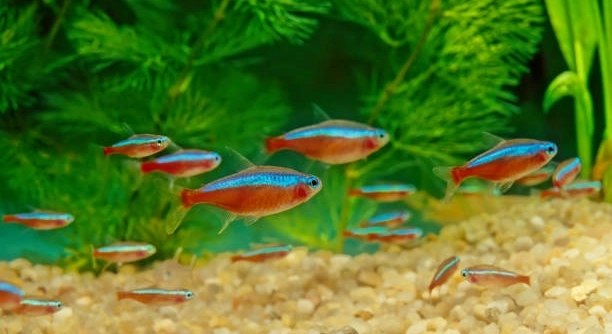
Neon Tetras are vibrant fish that bring life to any aquarium. However, it’s common to notice them stop swimming when you approach the tank. Understanding the reason behind this behavior can help improve their well-being and your aquarium experience.
Neon Tetras may stop swimming when approached due to stress, as they are naturally shy fish. Sudden movements, changes in light, or the presence of predators can trigger this reaction. Understanding their behavior can help prevent unnecessary stress.
Knowing why your Neon Tetras are stopping their swimming habits is essential. We’ll explore the causes and offer simple fixes to ensure a healthy, happy tank environment for your fish.
Why Neon Tetras Stop Swimming When Approached
Neon Tetras are naturally sensitive to their environment. When you approach the tank, your movement may be interpreted as a potential threat. These fish are small and often prefer to stay in hiding when something feels off. A sudden approach can cause them to freeze or swim away, especially if they are not used to human presence. Stress caused by these interactions can result in them hiding more frequently, limiting their natural swimming patterns.
The water conditions play a significant role in the behavior of Neon Tetras. If the water temperature or pH isn’t ideal, they may feel uneasy and become more skittish. It’s important to ensure their environment is calm and consistent. Keeping the water conditions stable can help the fish feel more secure and swim more freely.
Additionally, Neon Tetras are social creatures that thrive in groups. A lonely fish may feel more vulnerable and be more likely to stop swimming when approached. Ensuring that your Neon Tetras have companions can help reduce stress and keep them active.
Stress and Anxiety in Neon Tetras
When a Neon Tetra feels threatened, it’s not just about hiding. Prolonged stress can impact their overall health. Fish that are continuously anxious may experience changes in appetite, become more prone to diseases, or even shorten their lifespan. It’s crucial to monitor how often your Tetras exhibit this behavior, as it may signal larger environmental issues that need addressing.
Understanding what causes stress in your fish is key to their well-being. Ensuring they feel safe will help them swim and act naturally. Keeping the tank environment as peaceful as possible can encourage your fish to move around with ease. Adjusting lighting and avoiding sudden movements can reduce their fear and give them the space to thrive.
Lighting and Its Impact on Neon Tetras
Lighting can play a big role in how your Neon Tetras respond to their environment. If the lighting is too bright or harsh, they may feel exposed and retreat. Neon Tetras prefer soft, subdued lighting, which mimics their natural habitat.
Bright lights can make your fish anxious, leading them to stop swimming when you approach. To make your tank feel more comfortable, consider using a dimmer light or adding plants that can provide shelter. Regular changes in light intensity throughout the day can also mimic natural cycles, helping your fish feel secure. This consistency is key to reducing stress.
By adjusting the lighting, you can help create a more relaxed atmosphere for your fish. It’s important to monitor how your Tetras react to different lighting conditions and find what works best. Over time, a gentle light will help your fish feel more confident and less likely to stop swimming when you come near.
Tank Size and Swimming Space
A cramped tank can make your Neon Tetras feel stressed, causing them to stop swimming. These fish need space to explore and swim freely. A smaller tank means less room for them to move around and can cause them to feel trapped.
A tank that’s too small not only limits your fish’s ability to swim, but it can also lead to poor water quality. Fish waste accumulates faster in confined spaces, which can cause fluctuations in water parameters that stress the Tetras. Ensuring your tank has enough space allows for better water filtration and healthier fish.
If your Neon Tetras are in a tank that feels crowded, upgrading to a larger one could make a huge difference. A 10-gallon tank is typically a good starting point for a small school of Neon Tetras. This extra space will give them the room to swim and behave naturally, reducing stress and promoting better overall health.
Tank Mates and Compatibility
Neon Tetras are peaceful fish but can become stressed by aggressive tank mates. When placed with more territorial or larger species, they may stop swimming and hide. The presence of more dominant fish can create an unsafe environment.
For a harmonious tank, choose companions that match the Neon Tetra’s calm temperament. Species like small peaceful shrimp, snails, or other small, non-aggressive fish work best. When all tank mates coexist peacefully, your Tetras will feel more secure and be less likely to freeze when you approach.
Water Quality and Temperature
Water quality is crucial for keeping Neon Tetras active. Poor water conditions can lead to stress, which will affect their swimming behavior. Ensure that the water is clean and the temperature is within their ideal range (72–80°F). Regular water changes are essential for keeping the environment stable.
Neon Tetras are sensitive to changes in water parameters, such as pH or ammonia levels. If the water is too acidic or basic, or if ammonia levels are high, your fish will likely feel uncomfortable. Testing your water regularly and maintaining stable conditions can help keep your Tetras swimming naturally and healthily.
Feeding Habits
If Neon Tetras are not eating enough or are overfed, they may stop swimming. Poor feeding habits can cause them to become lethargic or stressed. Ensuring they are fed the right amount of food at appropriate intervals can help keep them healthy and active.
Adjust your feeding routine to match the needs of your Neon Tetras. They prefer small meals multiple times a day rather than one large feeding. By keeping their diet balanced, you’ll notice them becoming more energetic and less likely to hide when you approach the tank.
FAQ
Why do Neon Tetras stop swimming when I approach the tank?
Neon Tetras are shy fish and tend to freeze or hide when they sense a potential threat. Your movement near the tank can trigger this response. They might feel unsafe, especially if the water quality isn’t ideal or if they’re in a stressful environment. This is normal behavior, but it can be minimized by ensuring a calm, stable environment and using softer lighting.
Can poor water quality make my Neon Tetras stop swimming?
Yes, poor water quality is a significant factor that can cause Neon Tetras to stop swimming. High levels of ammonia, nitrites, or changes in pH can stress the fish, causing them to become inactive. Keeping the tank clean and ensuring proper filtration helps maintain water quality, promoting healthy, active fish.
Do Neon Tetras prefer a specific type of lighting?
Neon Tetras prefer soft, subdued lighting that mimics the low light levels of their natural habitat. Bright or harsh lighting can make them feel exposed and stressed. Using dimmer lights or creating shaded areas in the tank can help your Tetras feel more comfortable and less likely to hide when approached.
Are Neon Tetras social?
Yes, Neon Tetras are highly social fish. They thrive in groups and feel more secure when kept with others of their kind. A group of at least six Tetras will help reduce stress and make them feel more confident in the tank, leading to more natural swimming behavior.
Do Neon Tetras need a lot of space to swim?
Yes, Neon Tetras need enough space to swim freely. A small tank can make them feel cramped and stressed, leading to inactivity. Providing a larger tank (10 gallons or more) will give your Tetras room to swim and thrive. Additionally, a well-maintained tank ensures better water quality, further promoting their health and activity.
Can I keep Neon Tetras with other fish?
Neon Tetras can be kept with peaceful, non-aggressive fish. It’s important to avoid larger, more territorial fish that might intimidate or harm them. Compatible tank mates include small, peaceful species such as shrimp, snails, and other small fish that don’t pose a threat to the Tetras.
What temperature do Neon Tetras prefer?
Neon Tetras thrive in a water temperature range of 72-80°F (22-27°C). Keeping the temperature within this range helps reduce stress and keeps your Tetras active. Fluctuations in temperature can cause stress, so it’s important to maintain a consistent temperature to ensure their well-being.
How can I reduce stress in my Neon Tetras?
To reduce stress, make sure your tank environment is peaceful. This includes maintaining stable water quality, providing plenty of hiding spots, avoiding loud noises or sudden movements around the tank, and using appropriate lighting. Also, ensure that your Tetras have plenty of companions to feel secure and confident.
Why are my Neon Tetras swimming erratically?
Erratic swimming behavior could be a sign of stress, illness, or poor water quality. It could also indicate that they’re reacting to sudden changes in their environment, like changes in lighting or temperature. Monitoring water quality, tank conditions, and the overall health of your Tetras is key to identifying the cause.
What should I feed my Neon Tetras?
Neon Tetras prefer small, high-quality fish food. Their diet should consist of flakes, pellets, and live or frozen food such as brine shrimp or daphnia. They are omnivores, so a balanced diet with a variety of food types will keep them healthy and active. Feed them small portions multiple times a day to mimic their natural feeding behavior.
How can I make my Neon Tetras feel more comfortable in the tank?
Creating a comfortable environment involves maintaining good water quality, using soft lighting, and providing plenty of hiding spots. Plants, rocks, and caves can give them places to hide when they feel stressed. Additionally, keeping a small school of Tetras together can help them feel safe and secure.
Why do my Neon Tetras stay at the bottom of the tank?
If your Neon Tetras are staying at the bottom of the tank, it could be a sign of stress, illness, or poor water conditions. Ensure the water parameters are stable, check for signs of disease, and make sure they have enough space and companionship to feel secure. If the behavior persists, consider consulting an aquarium professional.
Can Neon Tetras survive in a tank with high water flow?
Neon Tetras are not fond of strong water currents. They prefer calm waters, similar to the slow-moving streams and rivers of their natural habitat. Strong currents can stress them out and cause them to stop swimming. If your tank has a high water flow, consider adjusting the filter or adding more plants to break up the current.
How do I know if my Neon Tetras are happy?
Happy Neon Tetras are typically active and swim in schools. They will explore their tank, feed well, and have bright, vibrant colors. If your Tetras seem lethargic, are hiding too much, or have faded colors, it may be a sign that something is wrong with their environment.
Is it normal for Neon Tetras to hide?
Yes, it’s normal for Neon Tetras to hide occasionally, especially when they feel threatened or stressed. However, if they are constantly hiding, it could indicate that they are unhappy with the tank conditions. Providing plenty of hiding spots, stable water quality, and a calm environment will help your Tetras feel more secure and active.
Final Thoughts
Neon Tetras are small, peaceful fish that can make beautiful additions to a well-maintained aquarium. Their behavior, like stopping swimming when you approach, is often due to stress or environmental factors. Understanding their natural habits and needs can help prevent this and ensure they stay healthy and active. Providing a calm environment with good water quality, proper temperature, and compatible tank mates is essential for keeping your Tetras happy. By making a few adjustments to their habitat, you can encourage them to feel more secure and swim freely.
If you’ve noticed your Neon Tetras freezing or hiding when you approach, it’s important to examine their living conditions. Look at the water quality, temperature, and tank mates to ensure everything is suitable for their needs. Neon Tetras can become stressed by aggressive fish, bright lights, or poor water conditions, all of which can cause them to stop swimming. Ensuring that your tank is properly set up and maintaining a routine for water changes can help reduce stress and promote natural behavior. Being mindful of their surroundings will encourage them to be more active and confident in their space.
In summary, caring for Neon Tetras requires attention to detail and a commitment to maintaining a stable and comfortable environment. By addressing any potential stressors and ensuring they have enough space, food, and companions, your Tetras can thrive and be more active. While it’s normal for them to occasionally hide or freeze, you can minimize this behavior by creating a peaceful and well-maintained aquarium. With a little care and effort, you can enjoy watching your Neon Tetras swim freely and happily in their tank.

Hello,
If you enjoy the content that we create, please consider saying a "Thank You!" by leaving a tip.
Every little bit helps us continue crafting quality advice that supports the health, happiness, and well-being of pets around the world, for pets of all shapes, sizes, and species.
We really appreciate the kindness and support that you show us!