
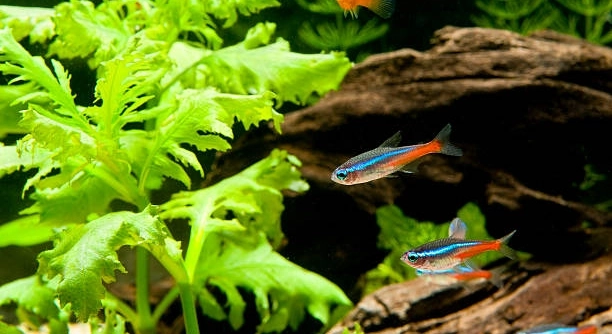
Neon tetras are small, colorful fish that are a favorite in many aquariums. However, seeing them with clamped fins can be concerning. This issue could be a sign of stress or health problems, so it’s important to address it promptly.
Clamped fins in neon tetras are often caused by factors such as poor water quality, overcrowding, or illness. Stress from sudden temperature changes or aggressive tank mates can also lead to this behavior. Identifying the root cause is key to finding an effective solution.
Addressing these causes can restore your fish’s health and prevent future issues. Understanding how to fix it will help keep your neon tetras happy and healthy in your aquarium.
Poor Water Quality
One of the most common reasons for clamped fins in neon tetras is poor water quality. These fish are sensitive to changes in their environment, and polluted water can stress them out quickly. High levels of ammonia, nitrites, or nitrates can affect their health, leading to symptoms like clamped fins. Water temperature fluctuations, low oxygen levels, and improper pH levels also contribute to the problem.
Regular water changes, keeping the tank clean, and maintaining stable water parameters are essential for a healthy environment. Testing the water regularly ensures that your neon tetras have the best living conditions. Pay attention to the water’s temperature, pH, hardness, and ammonia levels. This proactive approach helps prevent health issues before they become serious.
If you notice clamped fins in your neon tetras, it’s important to test the water immediately. High ammonia or nitrite levels can cause immediate distress, and a simple water change can often improve their condition.
Overcrowding in the Tank
Overcrowding is another reason why neon tetras might display clamped fins. When fish are kept in too small a space, it increases stress levels. Tetras, like many other fish, need room to swim freely, and limited space can make them feel threatened.
A crowded tank can lead to aggression and territorial disputes, which heighten stress levels in the fish. It’s essential to follow the recommended stocking guidelines for your tank size. If there are too many fish, they may start fighting, resulting in clamped fins, among other signs of stress.
To avoid overcrowding, make sure your tank has enough space for each fish. A general rule is to provide one inch of fish per gallon of water. If your tank is too full, consider getting a larger one or rehoming some fish to reduce the stress on the others. This will help your neon tetras thrive and maintain healthy behavior.
Illness or Infection
Infections and illnesses can cause neon tetras to display clamped fins. Bacterial, fungal, or parasitic infections are often the culprits. These infections can affect the fish’s behavior, causing them to hide and clamp their fins. Identifying the specific illness is key for treatment.
If you notice other symptoms, like abnormal spots, discolored fins, or sluggish movement, it’s likely an infection. Isolate the affected fish in a quarantine tank to prevent the spread of disease to others. Consult with a vet or use medicated treatments designed for aquarium fish to address the issue quickly.
Regularly observing your fish and monitoring their health helps prevent infections from taking hold. Providing a clean tank and ensuring your fish are not exposed to harmful pathogens is essential for keeping neon tetras healthy and active.
Poor Tank Maintenance
Neglecting regular tank maintenance can cause water quality to deteriorate, leading to clamped fins. Without proper cleaning, debris, algae, and waste accumulate, which can cause ammonia spikes. These spikes irritate fish and often result in health problems.
Regularly cleaning the tank, changing the water, and checking the filter are crucial steps in maintaining a healthy environment. When you skip these tasks, it becomes easier for harmful bacteria and toxins to build up. Routine maintenance, including vacuuming the substrate and cleaning the decorations, will help keep your fish stress-free and healthy.
Maintaining a proper tank cleaning schedule ensures that your neon tetras have a safe environment. This not only prevents clamped fins but also promotes long-term health for all the fish in your aquarium.
Temperature Fluctuations
Neon tetras are sensitive to sudden temperature changes. A sudden drop or rise in water temperature can stress them, leading to clamped fins. It’s important to maintain a stable temperature range between 72°F and 78°F for optimal health.
Investing in a reliable aquarium heater and thermometer will help ensure consistent temperatures. Rapid fluctuations can weaken the fish’s immune system, making them more vulnerable to illnesses. If the temperature is unstable, your tetras might appear stressed and have clamped fins as a result.
Keeping a steady water temperature reduces stress, which prevents clamped fins and helps your neon tetras stay active and healthy.
Aggressive Tank Mates
Aggressive tank mates can lead to clamped fins in neon tetras. While neon tetras are peaceful fish, they may get stressed if housed with more dominant or territorial species. Aggression can cause them to hide and display clamped fins.
To prevent stress, choose tank mates carefully. Avoid keeping them with aggressive fish like cichlids or large predatory species. Instead, select peaceful and small fish that will not intimidate or chase the neon tetras. By maintaining a calm tank environment, you help reduce the chances of stress-induced behaviors like clamped fins.
Peaceful tank mates will allow your neon tetras to feel secure, reducing stress and keeping their fins properly extended.
FAQ
Why are my neon tetras’ fins clamped?
Clamped fins in neon tetras typically indicate stress or discomfort. Common causes include poor water quality, temperature fluctuations, overcrowding, aggressive tank mates, or illness. It’s important to assess their environment and behavior closely to identify the underlying issue. Providing proper care, such as maintaining water conditions and choosing suitable tank mates, can help alleviate stress.
Can poor water quality cause clamped fins in neon tetras?
Yes, poor water quality is one of the main causes of clamped fins in neon tetras. High levels of ammonia, nitrites, or nitrates can irritate their gills and skin, leading to stress. It’s crucial to regularly test the water parameters, change the water often, and ensure the filtration system is working effectively to maintain a healthy environment for your fish.
What should the water temperature be for neon tetras?
Neon tetras thrive in temperatures between 72°F and 78°F. Sudden temperature fluctuations can cause stress and lead to clamped fins. A reliable aquarium heater and thermometer can help maintain a stable temperature, preventing unnecessary stress on your fish.
How do I treat an infected neon tetra with clamped fins?
If your neon tetra shows signs of infection, such as clamped fins along with abnormal spots or discoloration, quarantine the fish in a separate tank to prevent spreading the infection. Use medicated treatments designed for aquarium fish, and keep the water clean and well-maintained to aid recovery. It’s essential to identify the type of infection to choose the appropriate treatment.
Is overcrowding a factor in clamped fins?
Yes, overcrowding can increase stress in neon tetras, leading to clamped fins. When there are too many fish in a small tank, it limits their space and can cause aggressive behavior. This stress impacts their health and overall well-being. It’s important to follow stocking recommendations and provide enough space for each fish.
What are the best tank mates for neon tetras?
Neon tetras are peaceful fish that do well with other small, non-aggressive species. Suitable tank mates include other tetras, small rasboras, peaceful corydoras catfish, and small livebearers like guppies. Avoid keeping them with larger or more aggressive species that may stress or harm them.
How can I maintain proper water quality in my tank?
To maintain proper water quality, perform regular water changes (at least 25% weekly), test for ammonia, nitrites, nitrates, and pH levels, and keep your filtration system running effectively. Regularly vacuum the substrate to remove waste and ensure the filter is cleaned as per the manufacturer’s instructions.
Can neon tetras recover from clamped fins?
Yes, neon tetras can recover from clamped fins if the stressor is addressed. By improving water quality, reducing overcrowding, or treating illnesses, they can regain their health. Ensure their environment is stable and provide proper care to help them recover and return to their normal, active state.
How often should I change the water in my neon tetra tank?
It’s recommended to change 25-30% of the water in your neon tetra tank weekly. This helps remove accumulated waste, prevent ammonia buildup, and maintain stable water conditions. Regular water changes are vital for the health of your fish, reducing the risk of stress and illnesses.
Can clamped fins be a sign of stress from tank mates?
Yes, clamped fins can be a sign that your neon tetras are stressed by tank mates. Aggressive or territorial fish can intimidate neon tetras, causing them to hide and exhibit signs of distress, like clamped fins. Choose peaceful species that won’t cause your tetras undue stress.
What is the best way to treat poor water quality in my neon tetra tank?
To treat poor water quality, start by performing a large water change (about 30-50%) to reduce toxins. Check your filter to ensure it’s working correctly, and consider adding a biological filter or increasing aeration if oxygen levels are low. Regular testing and consistent water changes are essential for long-term water quality.
Can I prevent clamped fins in neon tetras?
Prevention involves creating a stress-free and healthy environment for your neon tetras. This includes maintaining proper water quality, temperature, and tank conditions, avoiding overcrowding, and selecting compatible tank mates. Regular observation and proper maintenance go a long way in preventing issues like clamped fins from occurring.
What other symptoms should I watch for if my neon tetra has clamped fins?
In addition to clamped fins, you should watch for other symptoms such as lethargy, loss of appetite, discoloration, or unusual swimming behavior. If you notice these signs, it may indicate a more serious issue, such as an infection or poor water quality. Act quickly to identify the cause and treat accordingly.
What causes neon tetras to swim erratically?
Erratic swimming behavior in neon tetras can be a result of stress, poor water quality, or illness. If they are swimming abnormally, check the water parameters, including pH, ammonia, and temperature. Infections or parasites can also affect their swimming, so look for other symptoms like clamped fins or abnormal markings.
Can neon tetras live with other species of fish?
Yes, neon tetras can live with other species, but it’s important to choose peaceful tank mates. They are small and non-aggressive, so large, territorial, or predatory fish can stress them out. Stick to small, peaceful species to maintain a harmonious environment in your aquarium.
Final Thoughts
Clamped fins in neon tetras can be a sign of stress or discomfort, but it’s important to understand the potential causes. Issues like poor water quality, temperature fluctuations, overcrowding, or aggressive tank mates can all contribute to this behavior. By carefully assessing the conditions in the aquarium, you can identify and address the root cause of the problem. Regular maintenance of water parameters and providing a stable environment will go a long way in keeping your neon tetras healthy and happy.
When you notice clamped fins, it’s essential to act quickly and make the necessary adjustments. A water change, ensuring proper filtration, and stabilizing the tank temperature can immediately reduce stress on your fish. Keeping an eye on the behavior of your neon tetras and making sure they have enough space to swim freely can prevent clamped fins from becoming a recurring issue. Prevention is always easier than treating a problem once it becomes severe, so it’s best to focus on creating a stable and peaceful environment right from the start.
Ultimately, neon tetras are resilient and can recover from the stress caused by clamped fins if the underlying issues are addressed. Once you’ve taken the proper steps, your tetras should return to their normal, healthy state. By understanding the factors that contribute to clamped fins, you can provide the best care for your fish and ensure their well-being in the long run.

Hello,
If you enjoy the content that we create, please consider saying a "Thank You!" by leaving a tip.
Every little bit helps us continue crafting quality advice that supports the health, happiness, and well-being of pets around the world, for pets of all shapes, sizes, and species.
We really appreciate the kindness and support that you show us!