
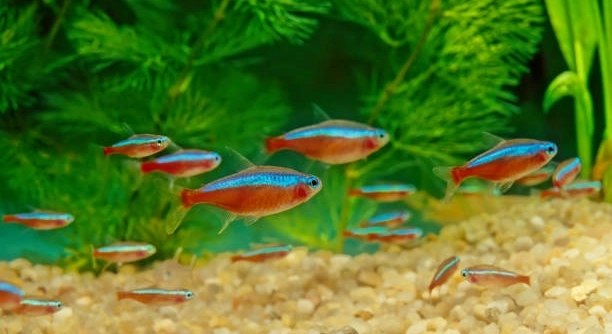
Neon Tetras are small, social fish known for their colorful appearance. Observing their behavior, you may notice one fish constantly being followed by others. This common behavior may raise some questions about what is causing it.
The primary reason Neon Tetras follow one fish is due to their instinctual social behavior. In a group, they rely on a leader for guidance, especially when navigating their environment. This behavior helps them stay safe from predators and enhances their group dynamics.
Understanding the causes behind this behavior can help you ensure a healthier tank environment for your Neon Tetras. Keep reading to discover the reasons and solutions for this common aquarium behavior.
1. Natural Social Behavior of Neon Tetras
Neon Tetras are naturally social fish. They form schools to feel safe and secure, relying on one another for protection. In their natural environment, they swim in large groups to avoid predators. When in a tank, they may designate one fish as a leader, often the largest or most dominant. This fish becomes the focal point of the group, with others following closely behind. It’s a survival instinct that helps them stay together and avoid isolation. A solitary fish is more vulnerable, so following the leader ensures safety in numbers.
While this behavior is instinctual, it’s important to provide an environment where your Neon Tetras feel comfortable. If they feel threatened or stressed, they might follow a specific fish even more, as it gives them a sense of security. Maintaining a peaceful tank with enough hiding spots and proper water conditions can help them feel more at ease.
The presence of one fish leading the group can be an indication of how safe or stressed your Neon Tetras feel. You can enhance their comfort by maintaining a balanced aquarium setup.
2. Tank Size and Group Dynamics
When kept in smaller tanks, Neon Tetras might display more pronounced behavior patterns. Smaller spaces make them feel less secure, and they may be more inclined to follow a specific fish for comfort. The size of the tank also influences how well the group can spread out, reducing the need for a single leader.
In larger tanks, the school has more space to swim freely, allowing them to form more natural groupings. With more room, there’s less pressure for one fish to assume a leadership role. The overall environment can reduce this behavior, helping your fish interact with more freedom.
To prevent overly dominant behavior and ensure healthy social dynamics, make sure the tank is appropriately sized. It will reduce the reliance on a single leader fish and encourage a more balanced group interaction.
3. Dominance and Hierarchy
Fish with stronger personalities or higher ranks in the group may naturally take the lead. This behavior is common in many species, not just Neon Tetras. Dominant fish guide the school and help maintain order. It’s their way of asserting control.
Neon Tetras are not exceptions to the rule of dominance. One fish may stand out due to its size, coloring, or temperament, and other Tetras will follow it. This dominance helps the school maintain structure and avoid chaos. When they feel secure in their position, the dominant fish leads the group without any aggressive intentions. This behavior can also reduce stress within the tank, as fish follow a confident leader.
In some cases, dominant fish will even guide the group to feeding areas. These fish are often the first to approach food, with others following closely behind. It’s part of the natural process for Neon Tetras to follow the leader for both safety and access to food.
4. Environmental Stress
When the tank conditions are off, such as poor water quality or high temperature, Neon Tetras can become stressed. This stress often leads to unusual behavior, such as sticking closely to one fish. They may seek the protection of a particular Tetra that seems to be handling the environment better.
In a stressed environment, the group may feel the need to follow a stronger or more stable fish. This is their way of finding a sense of security. If the stress is too high, however, this behavior can lead to health problems. It’s essential to monitor water conditions like pH, temperature, and filtration to ensure that your Neon Tetras thrive. Keeping the water clean and stable can significantly reduce stress and encourage more balanced behavior among the group.
Tank maintenance, such as regular water changes and proper filtration, can greatly improve the well-being of the fish. Keeping them in a comfortable environment will not only help them feel safe but also improve their overall health and social dynamics.
5. Tank Mates and Social Influence
The presence of other fish can affect Neon Tetra behavior. If a tank mate is particularly dominant or active, it can influence the Tetras to follow them. This is especially true if the other fish have more bold personalities. The dynamics between tank mates can alter group behavior.
Neon Tetras will often follow fish that appear more confident. If there’s a larger or more aggressive species in the tank, the Tetras may instinctively follow them for protection. However, introducing overly aggressive fish can create stress, leading to anxiety in the group and affecting their social behaviors.
6. Breeding Behavior
Neon Tetras may follow one fish during the breeding season, as part of a mating ritual. During this time, they tend to form pairs, and one fish might lead the other to the spawning site. This behavior ensures the safety and success of reproduction.
During breeding, the presence of the leader helps create stability for the pair. Following one fish allows the others to stay together, minimizing risks. For tank owners, it’s important to recognize this behavior as a natural occurrence that helps ensure the continuation of the species.
7. Health and Illness
When Neon Tetras are unwell, they may rely on the stronger fish in the tank for support. Sick fish can appear weak and may follow a more active fish in an attempt to gain some stability. This is a survival tactic.
Illness in one fish can cause others to act similarly. If your Neon Tetras begin to follow a single fish more closely, it could signal that they are under stress or ill. It’s important to monitor their health, checking for signs of disease like discoloration or lethargy. If needed, quarantine the affected fish and treat them promptly.
FAQ
Why do Neon Tetras follow one fish?
Neon Tetras follow one fish due to their natural schooling behavior. They rely on a leader for security and navigation in the wild. In a tank, this behavior is often linked to instinct, where one fish becomes the group’s focal point. The leader guides the group to food or shelter, providing safety from potential threats.
Can Neon Tetras have more than one leader?
Neon Tetras usually follow one dominant fish, but the group’s behavior can shift. If there are multiple dominant fish, they may take turns leading. However, one fish generally remains the primary leader, especially in smaller tanks where the group’s movement is more restricted.
Is it normal for Neon Tetras to follow one fish for long periods?
Yes, it’s normal for Neon Tetras to follow one fish consistently. The leader fish provides the group with a sense of security and direction. This behavior is a natural part of their schooling instincts. If the tank conditions are stable and there’s no stress, this behavior should be consistent.
Should I be concerned if my Neon Tetras always follow one fish?
In most cases, following one fish is perfectly normal. However, if the fish seem overly stressed or show signs of illness, it’s a good idea to check tank conditions. Poor water quality or overcrowding can cause stress, which might amplify this behavior. Always ensure the water parameters are ideal for your Tetras.
Can poor water quality cause Neon Tetras to follow one fish?
Yes, poor water quality can increase stress levels in Neon Tetras, leading them to follow one fish more closely. Stressed fish may cling to a dominant or more active fish for comfort. Regular water changes and proper filtration can reduce this stress and help maintain healthy fish behavior.
What can I do if my Neon Tetras are following just one fish too much?
If you notice that your Neon Tetras are excessively following one fish, try adjusting the tank environment. Ensure there is enough space, proper hiding spots, and stable water conditions. You may also want to check if the tank mates are too aggressive, as this can increase stress among the Tetras.
How do tank mates affect Neon Tetra behavior?
Tank mates can significantly influence the behavior of Neon Tetras. If more aggressive or dominant fish are present, the Tetras might follow them for safety. However, this could lead to stress if the tank mates are overly territorial. Choosing peaceful tank mates is essential to maintaining a balanced environment for your Neon Tetras.
Can Neon Tetras follow a fish of a different species?
Yes, Neon Tetras can follow fish of a different species, particularly if the other fish has a dominant or active personality. While they prefer to school with their own kind, they may mimic the behavior of other fish if they feel more secure with them.
Why do my Neon Tetras follow one fish during feeding times?
Neon Tetras may follow one fish during feeding times because the leader fish tends to lead the way to the food source. This behavior is especially common if one fish has learned to find food more quickly or if it’s a dominant fish. It ensures that all the Tetras get access to food.
How can I stop my Neon Tetras from following one fish so much?
To reduce the tendency for your Neon Tetras to follow one fish, ensure that the tank is spacious with plenty of hiding spots. Reducing stress through proper water conditions and ensuring no single fish is overly dominant can also help balance the group’s behavior.
Can Neon Tetras get stressed by following one fish?
While following a leader is natural, stress can arise if they feel too dependent on one fish. If there are issues like poor water quality, overcrowding, or aggressive tank mates, the Tetras may experience more anxiety. Addressing the root causes of stress can help improve the overall behavior.
Is it necessary to have more than one Neon Tetra in a tank?
Yes, Neon Tetras are schooling fish and thrive when kept in groups. Keeping a small group of at least six Tetras helps maintain their natural social structure and reduces stress. A group of Tetras feels more secure, and their instinctual behavior is more balanced, preventing the over-reliance on a single fish.
Final Thoughts
Neon Tetras are fascinating creatures, and their behavior of following one fish is quite natural. This is part of their schooling instinct, which helps them feel safe and secure in both the wild and in home aquariums. They tend to follow the most dominant or confident fish, which provides them with a sense of direction and protection. While this is normal behavior, it’s important to monitor their environment to ensure they are not under unnecessary stress. If the water quality is good, and there are enough hiding places and space in the tank, the Tetras will feel more comfortable and their social behavior will naturally balance out.
If you notice that your Neon Tetras are following one fish excessively, it’s worth checking the tank conditions. Stress, poor water quality, or overly aggressive tank mates can lead to this behavior. Ensuring your Tetras are in a peaceful and stable environment will help them feel secure and reduce the chances of one fish being followed too much. The right balance of tank mates and water parameters can make a big difference in how your Neon Tetras interact with each other. A well-maintained aquarium will allow them to thrive and display more natural behaviors.
In the end, Neon Tetras are a relatively low-maintenance species that require simple care to stay happy. If you notice any unusual behavior, it’s always a good idea to look at their environment first. By maintaining healthy water conditions, offering them a comfortable tank setup, and keeping a close eye on their social dynamics, you can ensure that your Tetras are happy and healthy. Their schooling behavior, including following one fish, is simply part of their charm and nature. Understanding their needs will allow you to enjoy the beauty of these colorful fish in your aquarium.

Hello,
If you enjoy the content that we create, please consider saying a "Thank You!" by leaving a tip.
Every little bit helps us continue crafting quality advice that supports the health, happiness, and well-being of pets around the world, for pets of all shapes, sizes, and species.
We really appreciate the kindness and support that you show us!