
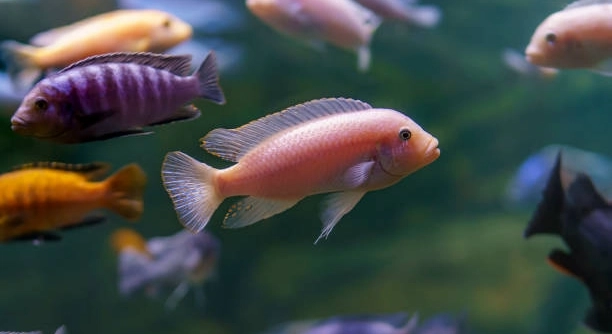
Do your cichlids often seem to follow your every move through the glass? Many aquarium owners notice this behavior and wonder why their fish pay so much attention. It can feel surprisingly personal and engaging.
Cichlids watch their owners primarily out of curiosity, recognition, and expectation of feeding. They can identify familiar movements and associate humans with food or changes in their environment, reflecting both natural instincts and learned behavior.
Observing these interactions can deepen your understanding of their habits and make caring for them more rewarding.
Understanding Your Cichlids’ Gaze
Cichlids are naturally observant creatures, and their behavior of watching you through the glass is a mix of instinct and learning. They notice movement and changes in their surroundings, and your presence often signals interest or potential food. Over time, cichlids can recognize specific humans and respond differently based on familiarity. This behavior is more pronounced in species known for intelligence and social interaction, as they tend to form stronger bonds with their environment. Watching closely can also be a sign of territorial awareness, as cichlids are protective of their space and want to monitor any activity around their tank. Your actions, even simple ones like walking by, can trigger their attention. Lighting, reflections, and even shadows contribute to how they perceive you. By understanding these cues, you can better interpret their behavior, reduce stress, and create an engaging and healthy environment that encourages natural instincts.
The more consistent your interactions, the more your cichlids will recognize and respond to you.
Providing a stable environment, with predictable feeding times and minimal sudden changes, helps them feel secure. They will watch without stress and maintain healthy routines.
Why They Focus on Movement
Cichlids are highly attuned to motion in their environment. Even subtle movements outside the tank capture their attention.
Movement triggers their curiosity and alertness. They associate it with food, changes in surroundings, or potential threats. Your daily activities become part of their observation pattern.
This attentiveness stems from their natural behavior in the wild, where scanning for movement ensures survival. In captivity, this instinct carries over, so they closely monitor anything unusual. Their focus helps them recognize patterns, anticipate feeding, and understand who is interacting with the tank. Over time, cichlids may learn to distinguish between different types of movement, such as cleaning the tank versus approaching with food. They also notice the rhythm of your day, adjusting their activity to match predictable patterns. By respecting their observation habits and minimizing sudden disruptions, you support their mental stimulation and reduce stress. Recognizing the importance of motion in their behavior allows you to engage with them intentionally while maintaining a calm environment.
Recognizing Feeding Patterns
Cichlids quickly associate your presence with feeding. They watch for cues like approaching hands or food containers, anticipating mealtime with focused attention. This behavior is a combination of instinct and learned response, showing their intelligence and awareness of their environment.
Over time, cichlids form strong associations between humans and food. They remember schedules and movements linked to feeding, often swimming closer to the glass when they expect to be fed. This reaction is not only instinctual but also a learned habit reinforced by repeated experiences. They can distinguish between different humans, responding more eagerly to the person who regularly provides food. Their anticipation is evident in posture, movement, and alertness, reflecting both excitement and expectation.
Watching them during feeding times can reveal subtle differences in behavior between individuals. Some may become more active, swimming rapidly, while others observe quietly. These variations show personality differences and indicate how cichlids interact socially, even within a single tank. Their patterns provide insight into both instinctive responses and learned behaviors, offering a closer connection to their daily routines.
Environmental Stimuli and Their Effect
Cichlids are sensitive to light, reflections, and tank placement. Changes in these elements often draw their attention toward the glass.
Environmental cues shape how cichlids perceive their surroundings. Lighting changes can create shadows or reflections that mimic movement, capturing their focus. Tank placement near windows, doors, or high-traffic areas increases visual stimulation, which keeps them alert. Decorations, plants, and hiding spots contribute to their engagement, offering both security and interest. Variations in water clarity or surface activity, like bubbles or floating debris, can also trigger observation behavior.
Understanding these environmental factors allows you to manage their attention and stress. Adjusting lighting schedules, minimizing sudden changes, and strategically placing the tank can encourage healthy observation without overwhelming them. By controlling visual stimuli, you support natural curiosity while promoting calmness. The combination of light, movement, and surroundings plays a significant role in why cichlids watch so intently, making it easier to interpret their focus and anticipate their reactions.
Social Behavior and Interaction
Cichlids are social fish that monitor both tank mates and humans. Watching through the glass is part of their instinct to stay aware of interactions and hierarchy within their environment.
This behavior also reflects curiosity and engagement. They respond to movement, sounds, and presence, showing intelligence and awareness.
Signs of Stress or Discomfort
When cichlids watch intensely without feeding cues, it can indicate stress or unease. Changes in water quality, temperature, or tank setup may cause heightened alertness. Observing these patterns helps identify potential problems early.
Using Observation to Bond
Consistent observation can strengthen your connection with your cichlids. They recognize routines and respond positively to familiar presence, creating a sense of trust.
FAQ
Why do my cichlids follow me around the tank?
Cichlids follow movements outside their tank because they are naturally observant. Their attention is drawn to motion, shadows, and changes in light. Over time, they learn to recognize familiar humans and anticipate feeding or environmental changes. This behavior shows both instinct and learned response.
Is it normal for cichlids to stare at me constantly?
Yes, it is normal. Constant observation can indicate curiosity, recognition, or territorial awareness. They are aware of their environment and use watching as a way to monitor potential changes or threats. Regular interaction can reinforce this behavior without causing stress.
Can watching me be a sign of hunger?
Absolutely. Cichlids quickly associate your presence with feeding. They remember routines and movements linked to food, often swimming closer to the glass when they expect to be fed. Anticipatory behavior is common in intelligent species, reflecting both instinct and habit.
Do cichlids recognize different people?
Yes, many cichlid species can distinguish between different humans. They respond more eagerly to the person who regularly feeds them, showing they remember patterns and routines. Recognition strengthens with consistent interaction and positive experiences, making them more responsive to familiar individuals.
Can environmental changes affect their watching behavior?
Environmental factors like lighting, reflections, tank placement, and decorations impact how often they watch. Shadows or sudden movements capture attention, and high-traffic areas stimulate alertness. Managing these factors helps maintain a calm environment and encourages healthy observation without stress.
Is this behavior a sign of intelligence?
Cichlids are known for their intelligence and social awareness. Watching and responding to humans or tank activity demonstrates memory, pattern recognition, and curiosity. These traits are more pronounced in species that form social hierarchies and engage actively with their surroundings.
Can excessive staring indicate stress?
Yes. If they watch intensely without feeding cues or show other signs like clamped fins or hiding, it may indicate discomfort. Stress can result from poor water quality, sudden changes in temperature, overcrowding, or an unstable environment. Monitoring and adjusting conditions can reduce stress.
How can I encourage healthy observation without causing stress?
Maintain consistent feeding schedules, stable water conditions, and predictable interactions. Avoid sudden movements or frequent disruptions near the tank. Providing hiding spots and balanced decorations also helps cichlids feel secure while staying engaged with their environment.
Do all cichlid species watch humans the same way?
No, behavior varies by species. More intelligent and social cichlids are more likely to watch and interact with humans. Territorial species may focus on monitoring movement as part of their protective instincts, while more passive types may observe less frequently.
Can watching me help me understand my cichlids better?
Yes. Observing how they respond to movements, feeding routines, and environmental changes reveals personality differences, social interactions, and stress levels. Paying attention to these patterns allows you to tailor care, improve tank conditions, and strengthen interaction with your fish.
How long does it take for cichlids to recognize a human?
Recognition develops over days to weeks depending on interaction frequency. Regular, gentle presence and feeding routines accelerate recognition. Cichlids learn to associate specific humans with positive experiences, and their observation behavior becomes more focused and purposeful.
Are there signs that indicate my cichlids are bored?
Yes. If they watch intently but show minimal movement or exploration, it could signal a need for enrichment. Adding plants, hiding spots, or varied decorations encourages natural behaviors, reduces boredom, and maintains mental stimulation.
Can I interact with them through the glass safely?
Yes, gentle movements and predictable routines are safe. Avoid tapping or sudden actions, as these can stress them. Interacting by approaching slowly or feeding consistently allows them to engage naturally and recognize you without fear.
Does their watching mean they like me?
Cichlids don’t experience affection like humans, but their recognition and response to familiar humans show trust and comfort. They learn to associate your presence with food and stability, reflecting a positive and predictable relationship with their environment.
How do I tell if watching is curiosity or stress?
Curiosity is accompanied by relaxed posture, smooth swimming, and responsive behavior to familiar cues. Stress shows as hiding, clamped fins, rapid darting, or aggressive posturing. Monitoring their body language and environment helps differentiate between the two and guide appropriate care.
Can reflections in the glass affect how they watch me?
Yes, reflections and lighting can make cichlids focus on themselves or perceived movement. This can amplify watching behavior. Adjusting lighting, reducing glare, and arranging decorations strategically can help them distinguish real activity from reflections.
Is this behavior common in aquariums with multiple cichlids?
Yes, but dynamics differ. Social hierarchy, territorial instincts, and species traits influence how much they watch. Some may compete for attention or dominance, while others observe more quietly. Understanding their social structure helps interpret their focus and interactions.
How can I use their watching to improve feeding routines?
Observing when they anticipate feeding helps schedule meals consistently. You can identify which species respond first, how eagerly they approach, and adjust portion sizes accordingly. This ensures all fish are fed adequately and reduces stress during feeding times.
Can this behavior indicate health problems?
Indirectly, yes. Changes in attention, movement, or focus may signal illness or discomfort. For example, lethargy, erratic swimming, or lack of interest in usual stimuli can indicate water quality issues, infections, or nutritional deficiencies. Regular observation aids early detection.
Does tank size affect how much they watch me?
Yes, smaller tanks make humans appear closer, increasing attention. Larger tanks may reduce interaction due to distance or multiple hiding spots. Adjusting tank setup and decoration can balance visibility while maintaining space for natural behavior.
Can watching behavior be trained or modified?
To some extent. Consistent routines, gentle interaction, and positive reinforcement with food encourage desired behaviors. Over time, cichlids may approach, observe calmly, or respond predictably, making engagement more structured and stress-free.
Are there tools to reduce excessive staring if it bothers me?
Yes, using visual barriers, rearranging tank placement, or adding decorations can reduce constant attention. Ensuring environmental enrichment keeps them occupied and stimulated, allowing them to observe naturally without focusing excessively on human activity.
What should I avoid when they are watching me?
Avoid tapping, sudden movements, or loud noises near the tank. These actions cause stress, break trust, and may trigger defensive behavior. Gentle and predictable presence promotes healthy interaction.
How long do cichlids typically maintain focus on humans?
Focus varies by species, individual personality, and environmental factors. Some may watch for minutes, others intermittently throughout the day. Predictable routines and consistent interaction shape their attention span and engagement.
Can I tell if they are bored by how they watch me?
Boredom shows as repetitive swimming patterns or intense staring without exploration. Adding enrichment like plants, hiding spaces, or novel objects encourages curiosity and mental stimulation, keeping their observation behavior healthy and balanced.
Does water clarity affect their watching behavior?
Yes, clear water allows better visibility and encourages interaction. Murky or cloudy water reduces attention and may increase stress. Regular maintenance and filtration support both observation behavior and overall health.
Can they recognize me through glass reflections?
Yes, cichlids can distinguish your presence from reflections over time. Repeated exposure helps them identify real movement versus mirrored images, refining their focus and responses in a predictable way.
How can I tell if they are happy watching me?
Positive indicators include smooth swimming, relaxed fins, and approach behavior during feeding cues. Curiosity without signs of stress reflects comfort and engagement with both the tank environment and human presence.
Do younger cichlids watch differently than adults?
Younger cichlids may be more timid or cautious, observing briefly before hiding. Adults often display more confident and sustained watching, reflecting familiarity with their environment and learned associations with humans.
Can watching behavior interfere with tank mates?
Occasionally. Dominant individuals may monopolize attention or territory near the glass, causing stress for others. Providing hiding spots, plants, and adequate space helps balance social interactions while maintaining healthy observation patterns.
Does feeding frequency impact how often they watch me?
Yes, irregular feeding schedules increase anticipation and attention, while consistent routines reduce stress and create predictable observation behavior. Regular feeding helps them associate your presence with reliability rather than uncertainty.
Are there signs that watching behavior is excessive?
Excessive watching may show constant focus, heightened aggression, or stress signals. Ensuring enrichment, proper tank size, and stable routines can prevent obsessive behavior and promote healthy, natural observation patterns.
Can I interact with them safely through the glass daily?
Yes, daily interaction is safe if gentle and consistent. Slow movements, predictable feeding, and respect for their space encourage recognition, engagement, and reduce stress, strengthening their awareness and comfort with your presence.
Do cichlids watch differently during breeding periods?
Yes, during breeding, they may monitor humans and surroundings more intensely to protect territory or eggs. Their behavior becomes more focused and defensive, reflecting strong protective instincts and heightened awareness of environmental changes.
How can I use watching behavior to improve tank design?
Observation patterns reveal areas of interest, preferred hiding spots, and pathways used frequently. Arranging plants, rocks, and decor strategically creates engaging and secure spaces, supporting natural behaviors while minimizing stress.
Does temperature influence their watching behavior?
Temperature affects activity levels. Warmer water increases metabolism and alertness, making them watch more actively. Colder water slows movement and reduces interaction, indirectly influencing how much attention they pay to humans and surroundings.
Can watching me help reduce aggression?
Yes, observing their focus allows you to anticipate interactions, prevent conflicts, and manage territory effectively. Understanding visual cues and movement patterns helps create a balanced environment for multiple cichlids, reducing aggressive incidents.
Are there differences between male and female cichlid watching behavior?
Males often display more territorial focus and prolonged observation, especially during breeding. Females may watch selectively, often around feeding or environmental changes. Recognizing these differences helps interpret their attention and respond appropriately.
How does diet affect their watching behavior?
A balanced diet maintains energy and alertness, supporting normal observation. Nutritional deficiencies can lead to lethargy or decreased engagement. Providing proper food ensures they remain active, responsive, and curious about their environment.
Can they watch me at night?
Nocturnal observation is limited, as most cichlids are diurnal. Reduced lighting decreases activity and focus. Maintaining a consistent light cycle supports natural observation patterns while promoting health and routine behavior.
What role does personality play in watching behavior?
Individual personality affects attentiveness. Some cichlids are naturally curious and bold, watching frequently, while others are shy or reserved. Recognizing these traits helps tailor interaction and care to each fish.
Do cichlids watch differently in community tanks?
Yes, social dynamics influence attention. Dominant fish may monitor humans more, while submissive fish watch from hiding. Observing patterns helps manage tank balance and ensures all fish are comfortable and engaged.
Can watching behavior be an indicator of tank enrichment?
Yes, active observation suggests interest in the environment. Lack of engagement may indicate boredom or insufficient stimulation. Providing varied decorations, hiding spots, and visual interest supports natural behavior and healthy observation.
How often should I monitor their watching behavior?
Daily observation is recommended to track changes in attention, stress, or health. Consistent monitoring helps identify issues early and allows for adjustments in care, feeding, or environment to maintain a healthy and engaging tank.
Is it safe to tap on the glass to get attention?
No, tapping can startle and stress cichlids. Gentle, slow movements are sufficient to attract attention without causing anxiety or defensive behavior. Predictable and calm interactions foster trust and comfort.
Do they show preferences for certain humans?
Yes, cichlids often respond more positively to people who feed or interact with them consistently. Recognition is based on routine and familiarity, reflecting memory and learned behavior over time.
Can watching behavior change over time?
Yes, attention patterns evolve with age, social hierarchy, environment, and health. Regular interaction, enrichment, and stable conditions help maintain balanced and predictable observation behavior throughout their life.
How do I encourage natural watching behavior safely?
Provide a stable, enriched environment, consistent feeding schedules, and gentle interaction. Avoid sudden movements or stressors, allowing cichlids to observe naturally while remaining relaxed and engaged with their surroundings.
What are signs of positive engagement while watching?
Relaxed fins, smooth swimming, approach to glass, and alert but calm attention indicate curiosity and comfort. These signs reflect trust and a healthy connection with both environment and human presence.
Can excessive human presence harm them?
Prolonged, intense interaction or frequent disturbances can increase stress. Limiting active human presence to calm, predictable routines protects their well-being and maintains healthy observation patterns.
Does watching behavior differ between day and night?
Yes, cichlids are more active during daylight hours. Observation peaks around feeding times or during periods of activity. At night, reduced light and natural rest cycles decrease attention and movement, supporting normal daily rhythms.
Can watching behavior indicate readiness for breeding?
Heightened focus and territorial monitoring often signal breeding readiness. Males and females may increase attention to surroundings, watching for intruders or environmental changes, reflecting natural instincts tied to reproduction.
Is it helpful to record their behavior?
Yes, recording allows you to track patterns, identify changes in health or stress, and observe individual differences. This helps refine care, feeding routines, and environmental adjustments for a balanced tank.
Can watching me reduce their boredom?
Partially. While interaction can stimulate curiosity, enrichment like plants, hiding spots, and decorations is essential for mental engagement and preventing repetitive or obsessive behavior.
Do they watch more when new objects are added to the tank?
Yes, new decorations or rearrangements attract attention. Cichlids explore and observe changes, demonstrating curiosity and adaptability. Gradual introductions reduce stress while keeping them engaged.
How can I differentiate between curiosity and aggression?
Curiosity is relaxed and exploratory, with calm swimming and attentive observation. Aggression shows chasing, flaring fins, or territorial posturing. Understanding these cues helps interpret behavior and maintain a balanced environment.
Does tank lighting influence how they watch me?
Yes, bright or natural lighting increases visibility and attention. Dim or uneven lighting reduces observation. Adjusting light levels ensures natural focus without causing stress.
Can watching me improve their mental stimulation?
Yes, observing humans provides variety and engagement. Combined with environmental enrichment, it supports learning, memory, and natural instincts, keeping cichlids mentally active and healthy.
Are there differences in watching behavior between aquarium setups?
Yes, tank size, decoration, and layout influence observation. Smaller tanks or high-traffic placements encourage frequent attention, while larger, more complex environments may reduce constant focus but increase exploration and enrichment.
How do I maintain a balance between observation and stress?
Provide enrichment, maintain stable water conditions, and interact gently. Limit sudden movements and ensure hiding spots. Consistent routines allow natural observation while keeping stress low.
Can cichlids watch me while hiding?
Yes, they often observe from behind plants or rocks, balancing curiosity with safety. This behavior allows engagement while maintaining a sense of security in their environment.
Does tank cleanliness affect watching behavior?
Yes, clear, well-maintained water improves visibility and encourages interaction. Dirty or cloudy water reduces attention and may increase stress. Regular maintenance supports natural observation behavior and overall health.
Can watching behavior indicate learning abilities?
Yes, focused observation shows memory, pattern recognition, and response to stimuli. Cichlids learn routines, associate humans with food, and adapt to environmental changes, demonstrating cognitive abilities.
Do cichlids ever lose interest in watching humans?
They may reduce attention if routines are inconsistent, environment is unstimulating, or they feel stressed. Maintaining engagement through enrichment and predictable interaction preserves healthy observation habits.
How can I use watching behavior to enhance feeding efficiency?
Observing anticipation and focus helps schedule feeding, monitor response times, and adjust portion sizes. This ensures all fish receive adequate nutrition while reducing stress and competition during meals.
Can watching me influence social hierarchy in the tank?
Yes, dominant individuals may take priority near the glass, while submissive fish watch from a distance. Understanding observation patterns helps manage space and reduce conflict, promoting balance.
Does the time of day affect their watching behavior?
Yes, they are more alert during daylight and feeding times. Activity decreases at night, following natural circadian rhythms, which supports healthy rest and observation cycles.
Can watching behavior help detect illness early?
Yes, changes in attention, posture, or movement can indicate health issues. Early detection allows prompt intervention, improving recovery and overall well-being.
Are reflections in the glass ever confusing for them?
Yes, reflections can mimic movement or other fish, increasing attention or stress. Minimizing glare and using tank backgrounds reduces confusion while maintaining engagement.
Can watching behavior be enriched with interaction toys?
Yes, floating objects, mirrors, or visual stimuli can stimulate curiosity. Enrichment supports mental health while complementing observation of humans, keeping cichlids active and engaged.
Do cichlids react differently to familiar vs. unfamiliar humans?
Yes, they respond more calmly and predictably to familiar humans. Unfamiliar people may trigger curiosity, alertness, or cautious behavior until they learn patterns and routines.
How does feeding method impact watching behavior?
Hand-feeding or using a consistent delivery method strengthens recognition and anticipation. Random or irregular feeding may increase stress or hyper-vigilance, affecting natural observation.
Is watching a way for cichlids to monitor territory?
Yes, especially in territorial species. They observe movements near their space to detect potential threats, intrusions, or changes, reflecting natural instincts carried over from their environment.
Do cichlids ever ignore humans completely?
Some may be naturally shy or stressed, showing minimal attention. Providing security, enrichment, and gentle interaction encourages engagement, but personality differences affect individual response levels.
Can observing them improve my care routines?
Yes, watching attentiveness, behavior patterns, and reactions reveals health, stress, and social dynamics. This information guides feeding, enrichment, and tank maintenance for optimal care.
Does water movement affect their watching behavior?
Yes, currents, bubbles, or surface agitation can attract attention. Natural flow or aeration provides stimulation while influencing how they interact visually with their environment.
Can watching behavior indicate reproductive readiness?
Heightened observation and protective behavior often occur during breeding periods. Monitoring their focus helps identify preparation for spawning and supports proper tank management.
Are there differences in watching behavior based on age?
Younger fish may be cautious, while adults display confidence and sustained attention. Personality and experience with
Cichlids watching you through the glass is a natural behavior that reflects both instinct and learned patterns. Their attention to movement, light, and changes in the environment shows how observant and aware they are. Over time, they can recognize familiar humans, associate routines with feeding, and respond differently based on prior experiences. This behavior is not a sign of affection in the human sense but demonstrates comfort, curiosity, and engagement with their surroundings. Observing them closely allows you to understand their habits, identify personality differences, and notice subtle cues about their mood or health. Each cichlid may respond differently depending on species, age, and social hierarchy, so patterns of attention can vary even within the same tank. Their behavior is shaped by both their natural instincts in the wild and the environment you provide at home. By maintaining consistency and providing a stable, enriched space, you encourage positive and healthy observation behavior that supports their well-being.
Watching your cichlids can also be a useful tool for care. When they follow movements, show anticipation during feeding, or respond to environmental changes, these behaviors provide insight into their routines and needs. For example, heightened attention may indicate hunger, environmental curiosity, or territorial awareness, while lack of focus could point to stress, illness, or boredom. Keeping a close eye on these behaviors helps you identify issues early and adjust tank conditions accordingly. Factors like water quality, temperature, lighting, and tank layout influence how and when they watch, so observing them can guide improvements that benefit the entire aquarium. Simple changes, such as consistent feeding schedules, adding hiding spots, or rearranging decorations, can reduce stress and enhance engagement. Monitoring these behaviors over time allows you to understand each cichlid’s individual personality and provide care that meets their specific needs, keeping them active, alert, and healthy.
Finally, the way cichlids watch humans highlights their intelligence and social awareness. They can distinguish between familiar and unfamiliar people, anticipate food, and adjust their focus based on routines and changes. This makes them interesting and interactive pets, and it shows how responsive they are to their environment. Providing an environment that balances stimulation, security, and consistency encourages natural behaviors, including observation, without causing stress. Watching them closely also offers opportunities to strengthen your awareness of their habits, manage their space effectively, and enjoy their unique personalities. By respecting their instincts, maintaining proper care routines, and offering a stable and enriched environment, you support their mental and physical health. Observing cichlids is not only a way to connect with them but also a tool for ensuring they thrive, making their attentive behavior both engaging and meaningful.

Hello,
If you enjoy the content that we create, please consider saying a "Thank You!" by leaving a tip.
Every little bit helps us continue crafting quality advice that supports the health, happiness, and well-being of pets around the world, for pets of all shapes, sizes, and species.
We really appreciate the kindness and support that you show us!