
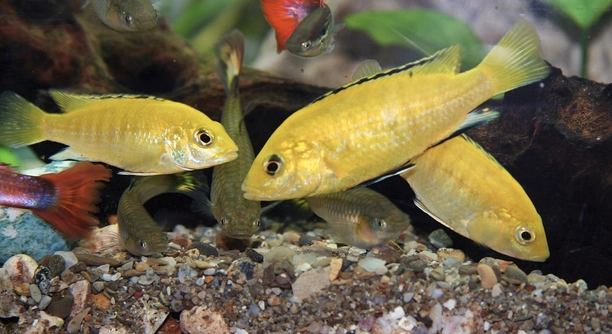
Cichlids are popular aquarium fish known for their vibrant colors and active behavior. Many owners notice these fish often rearranging rocks and decorations in their tanks. This natural habit can be puzzling but is common among cichlids.
Cichlids rearrange rocks primarily to establish territory and create suitable breeding environments. This behavior is instinctual and helps them feel secure, mark dominance, and prepare safe spaces for their eggs and fry within their habitat.
Understanding why cichlids move rocks will help you maintain a balanced aquarium environment. Observing their behavior closely can improve both their well-being and your enjoyment as a fish keeper.
Why Cichlids Rearrange Rocks
Cichlids are naturally territorial fish, and rearranging rocks is part of how they claim their space. By moving objects around, they create clear boundaries to protect themselves from other fish. This behavior also helps reduce stress by giving them a sense of control over their environment. Additionally, cichlids often build nests by piling up rocks and gravel. These nests serve as breeding sites where they can lay eggs and protect their young. The act of moving rocks is also a way for cichlids to exercise their instincts, keeping them active and engaged. Watching this behavior is a reminder that cichlids are intelligent and complex creatures, not just colorful decorations in a tank.
This territorial behavior is common among many cichlid species, especially during breeding seasons.
Recognizing the reasons behind rock rearranging helps in setting up a tank that suits their natural habits. Providing ample rocks and hiding places can reduce conflicts and encourage healthier fish interactions. It is also important to consider the size and number of rocks so they can be safely moved without damaging the tank or injuring the fish. Careful tank arrangement can lead to a peaceful and visually pleasing aquarium where cichlids feel comfortable to display their natural behaviors without causing harm.
How to Manage Rock Rearranging in Your Tank
Adjusting your tank setup can minimize excessive rock moving.
Providing enough rocks and sturdy decorations helps cichlids establish territories without uprooting the entire setup. Spreading rocks evenly and using heavier stones reduces the chance of them being moved frequently. Ensuring the tank is large enough for all fish also limits competition for space. Observing which fish rearrange the most may help identify particularly dominant individuals. Adding plants or caves creates more boundaries and hiding spots, lessening the need to shift rocks. Balancing tank mates by choosing compatible species reduces stress and territorial disputes. Feeding regularly and maintaining clean water supports calmer behavior. These steps help create a stable environment where cichlids can express natural behaviors without disrupting the tank too much. Regular tank maintenance and monitoring are essential for long-term harmony among fish and decorations.
Signs Your Cichlids Are Preparing to Breed
Cichlids often move rocks more frequently when they are getting ready to breed. They build nests by piling stones and clearing areas on the tank bottom. This behavior is a clear sign they are preparing for spawning.
During breeding preparation, cichlids become more territorial and may chase other fish away from their chosen site. They often clean the nest area by moving debris and rearranging substrate. Males usually guard the territory closely, showing increased aggression to protect the site. Females might be seen selecting specific spots and inspecting the arrangement of rocks. This careful preparation helps ensure the safety of eggs and fry once they are laid. Observing these changes can help identify when breeding is about to happen.
Recognizing these signs allows you to provide appropriate care, such as keeping the tank environment stable and minimizing disturbances. Offering hiding places and maintaining clean water supports successful breeding. It also helps reduce stress on other tank inhabitants during this active time.
Impact of Rearranged Rocks on Your Aquarium
Rearranged rocks can alter water flow and filtration efficiency. Uneven surfaces or blocked filters may reduce water quality. Changes in the tank layout might also disrupt plants and other decorations.
Frequent rock moving can lead to accidental damage to the tank glass or equipment if rocks fall or shift suddenly. It may also cause stress to other fish if their hiding places or territories are disturbed. Loose substrate can cloud the water, requiring more frequent cleaning. Over time, this behavior might increase the need for maintenance and careful monitoring of tank conditions. Understanding these effects helps in planning a tank setup that balances the fish’s natural behavior with a safe environment. Regular observation ensures that rock rearranging does not negatively affect the overall health of the aquarium.
Common Rock Rearranging Behaviors
Cichlids dig, move, and stack rocks to mark territory or create nests. These behaviors help reduce stress and provide comfort in their environment.
Some species are more active in rearranging rocks, especially during breeding or when establishing dominance within the tank.
How to Choose Suitable Rocks for Your Cichlids
Select rocks that are smooth and heavy enough to avoid easy displacement, preventing damage to the tank or injury to fish. Avoid sharp or porous stones that may harm fish or harbor bacteria. Rocks that mimic their natural habitat help cichlids feel secure and reduce excessive moving. It’s also important to ensure the rocks are aquarium-safe and free from harmful minerals. Proper rock selection encourages natural behavior while maintaining tank safety and stability.
Safety Tips for Tank Setup
Secure all rocks properly to prevent tipping and injury.
Monitoring Your Cichlids’ Behavior
Regular observation helps identify stress or aggression related to rock rearranging.
FAQ
Why do my cichlids keep moving rocks in their tank?
Cichlids naturally rearrange rocks to establish territory, create breeding sites, and feel secure. This behavior is instinctive and helps reduce stress by allowing them to control their environment. Moving rocks also supports their need to dig, nest, and mark dominance over other fish.
Is it normal for cichlids to be aggressive when rearranging rocks?
Yes, aggression is common during rock rearranging, especially when cichlids are preparing to breed or defending their territory. They may chase other fish away from their chosen area. This behavior helps protect their nests and ensures safety for their eggs and fry.
Can rock rearranging harm my aquarium setup?
If rocks are not securely placed, frequent moving can lead to falling stones, which might damage the tank or injure fish. Loose substrate can cloud the water, and shifted decorations may block filters or disrupt plants. Using heavy, stable rocks minimizes these risks.
How can I reduce excessive rock moving in my cichlid tank?
Provide plenty of rocks and hiding spots spread evenly across the tank. Use heavier stones that are hard to move. A larger tank size also helps reduce competition for space. Regular feeding and good water quality contribute to calmer behavior.
Should I change the tank layout if cichlids keep moving rocks?
Adjusting the layout can help by offering more secure territories and minimizing the need to rearrange. Adding caves, plants, or sturdy decorations can provide alternative places for cichlids to claim without shifting rocks constantly.
Does rock rearranging mean my cichlids are stressed?
Not necessarily. Rock moving is often a natural behavior, but excessive or frantic activity might indicate stress or overcrowding. Monitor fish for signs like hiding, loss of appetite, or aggressive fighting to assess their well-being.
Can I breed cichlids successfully if they rearrange rocks?
Yes, rock rearranging is often a sign that breeding is imminent. Cichlids build nests to protect eggs and fry. Providing suitable rocks and maintaining stable water conditions supports this natural breeding behavior.
What types of rocks are best for cichlid tanks?
Choose smooth, heavy rocks that won’t easily shift or harm fish. Avoid sharp or porous stones that can injure fish or encourage harmful bacteria growth. Rocks that resemble their natural habitat help reduce stress and excessive movement.
How often should I clean the tank if my cichlids keep moving rocks?
Regular cleaning is important since loose substrate and disturbed decorations can increase debris in the water. Weekly partial water changes and substrate vacuuming help maintain water clarity and health.
Can rock rearranging damage plants in the aquarium?
Yes, cichlids moving rocks may uproot or damage plants. Using hardy plants anchored well or placing them in pots can reduce damage. Some owners choose artificial plants to avoid this problem.
Is it safe to use glass or ceramic decorations instead of rocks?
Glass or ceramic decorations can be good alternatives as they are often heavier and less likely to be moved. However, cichlids may still try to rearrange them, so ensure they are stable and won’t tip over.
How do I know if my cichlids are fighting over rocks?
Frequent chasing, biting, and hiding are signs of territorial disputes. Providing multiple territories and plenty of hiding places helps reduce conflict related to rock rearranging.
Can rearranging rocks change water parameters?
Yes, moving rocks can release minerals or sediments affecting water hardness and pH. Use aquarium-safe rocks and test water regularly to keep parameters stable.
Should I intervene if cichlids rearrange rocks too much?
Intervention is not always necessary unless it causes damage or stress. If rock moving leads to injury, tank damage, or severe aggression, adjusting the setup or separating fish may be needed.
Does rearranging rocks help cichlids feel more at home?
Absolutely. This behavior allows them to mimic natural instincts, helping them feel safe and comfortable. Supporting these behaviors contributes to their overall health and happiness.
Final Thoughts
Cichlids rearranging rocks is a natural and common behavior that reflects their instincts and needs. These fish use rock moving to establish territory, prepare nesting sites, and feel secure in their environment. Understanding this behavior helps aquarium owners create better living conditions for their fish. Instead of viewing rock rearranging as a problem, it can be seen as a healthy sign that your cichlids are active and behaving normally. Paying attention to how and why they move rocks will make it easier to manage your tank and keep your fish comfortable.
Providing the right environment is key to supporting your cichlids’ natural behaviors. Using heavy, smooth rocks that won’t easily shift helps keep the tank stable and prevents damage. It is important to arrange decorations and plants in a way that offers enough space for your fish to create their own territories. A well-thought-out tank setup reduces stress and aggression among fish, especially during breeding times. Maintaining clean water and feeding your cichlids regularly will also encourage calmer behavior and less destructive rock moving.
Finally, regular observation and care are essential for a successful cichlid tank. Monitoring how your fish interact with their environment allows you to notice changes that might indicate stress or illness. Adjustments to tank layout or fish population may be necessary if problems arise. Rock rearranging is part of how cichlids express themselves and feel secure, so supporting this behavior while ensuring safety will lead to a healthy and harmonious aquarium. Keeping these points in mind will help you enjoy your cichlids’ vibrant personalities and natural habits over time.

Hello,
If you enjoy the content that we create, please consider saying a "Thank You!" by leaving a tip.
Every little bit helps us continue crafting quality advice that supports the health, happiness, and well-being of pets around the world, for pets of all shapes, sizes, and species.
We really appreciate the kindness and support that you show us!