
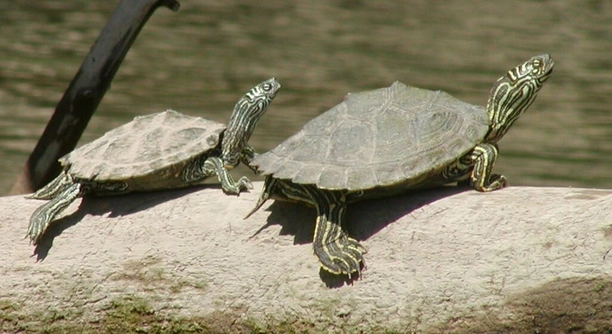
Map turtles are fascinating creatures, and their behavior often leaves people wondering about their unique traits. One of the most interesting actions they perform is shaking their heads underwater.
Map turtles shake their heads underwater primarily to clear debris from their nostrils, maintain respiratory health, and communicate with other turtles. This behavior helps them navigate their environments and stay healthy in the aquatic habitat they call home.
This action might seem unusual, but understanding it can provide insight into the turtle’s health and daily life. The behavior is not just a quirky move—it plays an essential role in their well-being.
Why Do Map Turtles Shake Their Heads?
Map turtles shake their heads for various reasons, and it’s not just an odd quirk. One of the main reasons for this behavior is to clear any debris that might be clogging their nostrils or face. This head-shaking helps them maintain proper airflow, which is crucial for breathing. Map turtles are aquatic creatures, and they often move through environments with lots of plants or small particles in the water. These can get in the way of their breathing, so shaking their heads is an effective way to clear their nostrils.
Shaking their heads also serves as a way to communicate with other turtles. It can act as a signal, telling others about their presence or intentions, especially in crowded environments. In some cases, this behavior may be linked to mating rituals, where turtles might shake their heads as part of courtship displays.
In addition to communication, the head shake can help map turtles maintain their overall health. They need clear respiratory passages to survive in their aquatic environment. When their nostrils are free from debris, they can breathe more easily and focus on finding food or avoiding predators. Proper breathing is essential for their survival, and head-shaking plays a key role in keeping their airways clear.
The Role of Head Shaking in Map Turtle Health
Head shaking is crucial to the health of map turtles, especially when it comes to keeping their respiratory system clear. Without this behavior, debris could block their nostrils and make breathing more difficult. This simple movement helps them stay healthy in their natural habitats.
Map turtles are often found in shallow waters, where the presence of plants and dirt can affect their ability to breathe. When they shake their heads, it’s not just a random movement but a necessary action to help remove the debris. In the wild, these turtles face many challenges that can clog their nostrils, such as floating leaves or small particles. By shaking their heads, they avoid respiratory issues that could lead to infections or more severe health problems.
In captivity, where the water environment may not be as clean as in the wild, this behavior can become even more important. If a turtle’s water is not properly filtered, debris and waste can build up faster. Regular head shaking can help ensure that their airways remain open, which is why it’s essential to provide them with clean water and a proper habitat. Keeping the turtle’s environment clean not only supports their natural behaviors but also ensures their health and longevity.
Head Shaking and Communication
Head shaking in map turtles is also a form of communication. This behavior can signal to other turtles, especially during the breeding season. It is often used to attract mates or establish territory. Turtles rely on body language to communicate, and the head shake plays a significant role in this process.
In the wild, map turtles encounter each other in shared spaces, such as riverbanks or ponds. When they shake their heads, it can alert others to their presence. This can be important in avoiding conflict or attracting the attention of potential mates. Head shaking may also serve as a warning sign for other turtles, indicating that the one performing the action is not to be approached. During the breeding season, this behavior becomes more frequent as it is used to display interest in mating. It’s a simple but effective way of communicating in an environment where sound doesn’t carry well.
Understanding the head shake as a form of communication helps explain why it happens more often during certain times, like when the turtle is near others or in a group. While it might seem like a random action, it’s deeply connected to the turtle’s social and survival instincts.
Head Shaking and Environmental Factors
Environmental conditions play a big role in the frequency of head shaking. If the water is murky or filled with debris, turtles will likely shake their heads more often to clear their nostrils. This behavior is an automatic response to ensure they can breathe easily.
In areas with more plants, algae, or floating debris, map turtles face the challenge of maintaining clear airways. The presence of these environmental factors increases the chances of material entering the turtle’s nose or mouth, requiring the head shake to remove it. Clear water helps reduce the need for constant head shaking, but in natural habitats, murky conditions are more common. In captivity, where water filtration might not always be ideal, turtles may exhibit this behavior more often, making it even more important to monitor water quality regularly. Providing the right habitat conditions helps minimize this issue and supports the turtle’s overall health.
Why Turtles Shake Their Heads More in Captivity
In captivity, map turtles tend to shake their heads more frequently. The water quality in tanks or enclosures may not be as ideal as in the wild, leading to more debris in the water. As a result, the head shake becomes essential for maintaining clear airways.
Unlike the natural water sources in the wild, tanks can accumulate dirt, uneaten food, or waste. This increases the likelihood of particles obstructing their nostrils, causing the turtle to shake its head to clear the way. In addition, water in captivity often has less movement than in rivers or lakes, which would naturally help clear debris. When maintaining a pet turtle, it’s crucial to clean the tank regularly and ensure the water is filtered to minimize head shaking. By keeping the water clean, you’ll support the turtle’s health and reduce the stress that can come from constant head shaking.
The Connection to Mating Behavior
Head shaking also plays a role in mating behavior. During courtship, male map turtles may shake their heads to get the attention of a female. It’s part of their display to show interest and initiate the process.
Males may perform other movements, such as swimming in a specific pattern, but the head shake is a clear signal that they are interested in mating. The head shake is often accompanied by other forms of communication, like nodding or approaching closely. In some cases, a female map turtle may shake her head in response, signaling her readiness to mate or reject the male’s advances. This behavior helps turtles engage with each other during the breeding season, ensuring they find mates and reproduce.
FAQ
Why do map turtles shake their heads underwater?
Map turtles shake their heads underwater to clear debris from their nostrils. In their natural habitats, they often encounter plants, dirt, and small particles in the water. This head-shaking behavior helps ensure that their respiratory passages stay clear, allowing them to breathe properly. If their nostrils get blocked, they may struggle to get enough oxygen, which can lead to health issues.
Is head shaking a sign of illness in map turtles?
Head shaking is not always a sign of illness, but if it becomes excessive or is accompanied by other symptoms like lethargy or difficulty breathing, it could be a cause for concern. If the turtle continues to shake its head for extended periods, it may have an obstruction or respiratory infection that needs attention. Regular check-ups and proper tank maintenance can help keep your turtle healthy.
Can map turtles shake their heads without any reason?
Map turtles may shake their heads as part of their normal behavior, especially if they are in an environment with lots of debris or particles in the water. This action can also be a natural way for them to clear their nostrils. However, if it happens too often or becomes abnormal, it could indicate other health problems, such as respiratory issues or an infection. It’s important to monitor the behavior and environment to ensure everything is in balance.
How can I prevent my map turtle from shaking its head too much?
To reduce the frequency of head shaking, ensure your map turtle’s environment is clean. If the turtle is in a tank, use a good filtration system to keep the water clear. Regular water changes and removing any excess debris, like uneaten food or waste, will help prevent particles from blocking the turtle’s airways. Ensuring the water quality is optimal can reduce the need for constant head shaking.
Do all turtles shake their heads underwater?
Not all turtles shake their heads underwater, but many aquatic species do. Map turtles, like other aquatic turtles, shake their heads to clear their nostrils, which is a common behavior among water-dwelling reptiles. However, the frequency and intensity of the head shake may vary between species, depending on their environment and individual needs.
What is the role of head shaking in communication for map turtles?
Head shaking is an important form of communication for map turtles, especially during the mating season. Male turtles often shake their heads to attract females, signaling their interest in mating. In addition, it can serve as a way to establish territory or show dominance over other turtles. These non-verbal signals are crucial for their social behavior and survival.
Can head shaking indicate stress in map turtles?
Head shaking can sometimes be a sign of stress in map turtles, especially if they feel threatened or confined. In the wild, this behavior might serve to warn others or to create space. In captivity, stress could arise from an inadequate environment, poor water quality, or an overcrowded tank. If a turtle is shaking its head frequently, it’s important to evaluate the living conditions and make sure the turtle feels safe and comfortable.
Why does my map turtle shake its head when it’s not underwater?
When map turtles shake their heads outside of the water, it’s usually to clear debris or discomfort from their face. This could happen after emerging from the water or when something irritates their nostrils or face. However, if the head shaking continues frequently on land, it might indicate a health issue, such as respiratory problems or irritation.
Can map turtles shake their heads to attract mates?
Yes, map turtles use head shaking as a part of their mating ritual. Males perform head-shaking displays to catch the attention of females. This behavior is especially prominent during the breeding season and is a way for males to show interest and initiate courtship. The head shake signals the female that the male is ready to mate and is often followed by other actions like swimming in a specific pattern.
What should I do if my map turtle shakes its head excessively?
If your map turtle shakes its head excessively, it’s important to first check the water quality. Ensure the tank is clean and that the filtration system is functioning properly. If the shaking continues, it may be a sign of an underlying health issue, such as a respiratory infection or blockage. In this case, it’s best to consult with a veterinarian who specializes in reptiles to get a proper diagnosis and treatment.
Final Thoughts
Map turtles shake their heads underwater for a variety of reasons, with the primary purpose being to keep their nostrils clear of debris. In the wild, they are constantly moving through environments filled with plants, dirt, and small particles. Shaking their heads helps them maintain clear airways, which is crucial for breathing. If their nostrils become blocked, it could make breathing difficult and lead to potential health problems. This behavior is simply part of their survival in the wild, ensuring they can breathe easily and continue with their daily activities.
In captivity, map turtles may shake their heads more often due to factors like murky water or debris that build up in their tanks. When water quality isn’t ideal, particles can easily obstruct their nostrils, making head shaking an important action to clear the way. By maintaining clean water and a proper environment, you can help reduce the frequency of this behavior. It’s also important to monitor your turtle’s overall health because excessive head shaking could indicate a more serious issue, such as an infection or blockage in their respiratory system.
Understanding why map turtles shake their heads provides valuable insight into their behavior and how to care for them. It’s essential to observe their environment and make adjustments as needed to keep them healthy. Proper care involves regular cleaning, water changes, and ensuring their habitat remains suitable for their needs. This will not only reduce unnecessary head shaking but also contribute to a longer and healthier life for your turtle.

Hello,
If you enjoy the content that we create, please consider saying a "Thank You!" by leaving a tip.
Every little bit helps us continue crafting quality advice that supports the health, happiness, and well-being of pets around the world, for pets of all shapes, sizes, and species.
We really appreciate the kindness and support that you show us!