
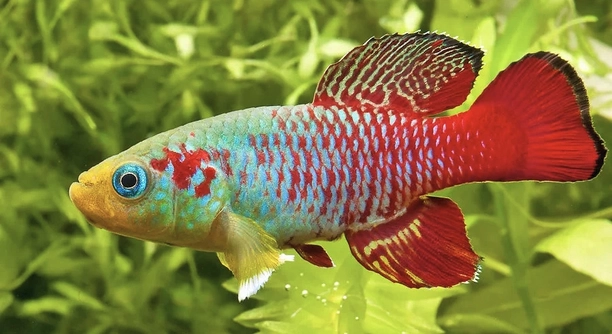
Killifish, often called killis, are small, colorful fish popular among hobbyists. Many owners notice that these fish spend a lot of time hiding instead of swimming openly. This behavior can seem puzzling at first for new keepers.
Killifish hide primarily to feel safe and reduce stress. Their natural instinct is to avoid predators by seeking shelter. Hiding helps them conserve energy and maintain comfort, especially when adjusting to new environments or changes in their tank.
Understanding why killis hide will improve your care and help create a peaceful tank environment where they feel secure and thrive.
Natural Instincts and Environment
Killifish have evolved in environments full of plants, roots, and hiding spots. These fish are prey for many larger animals, so they rely on their instincts to stay safe. When kept in tanks without enough cover, killis often hide more because they feel exposed and vulnerable. Providing plenty of plants, caves, or decorations helps them feel more comfortable. Hiding is also a way for them to reduce stress caused by sudden movements, bright lights, or other fish. It is important to create a calm environment that mimics their natural habitat. When killis feel secure, they tend to come out more often to swim and feed. Stress reduction is key to keeping killifish healthy and active.
Keeping the tank environment close to their natural surroundings helps killifish show more natural behavior and reduces excessive hiding.
Many keepers don’t realize that water quality also affects hiding. Poor water conditions cause killis to feel unsafe, prompting them to hide more. Regular water changes, proper filtration, and stable temperature help create a comfortable space for these fish. In addition, aggressive tankmates can scare killifish into hiding. Selecting peaceful companions is important to reduce stress. When killis hide less, it means they feel safe and healthy. Observing their behavior can help identify problems early and improve their living conditions. Small adjustments to tank setup can make a big difference in their comfort and activity levels.
Feeding and Hiding Behavior
Killifish often hide when they are hungry or unsure about feeding times. In the wild, they carefully watch for threats before coming out to eat. If food is not presented regularly or in a familiar way, killis may stay hidden. Feeding them small, frequent meals helps them feel more secure. Using live or frozen foods that mimic their natural diet encourages them to come out and explore. It’s important to feed in spots where they usually swim, so they don’t feel the need to leave hiding places far behind.
Offering food consistently and in familiar locations helps killifish feel safe and lowers their tendency to hide. This leads to healthier, more confident fish that are easier to care for.
Tank Setup and Lighting
Killifish prefer dim lighting and plenty of places to hide. Bright lights make them nervous, so soft or shaded lighting is best. Using floating plants or gentle LED lights can create a calm environment.
A tank with dense vegetation and hiding spots helps killifish feel secure. They often retreat into plants, caves, or behind decorations to avoid stress. When tanks are too open or brightly lit, killis become shy and hide more. It’s important to balance light intensity and offer enough cover. Regularly rearranging plants or decorations can also stimulate their curiosity, encouraging them to explore instead of hiding.
Choosing natural substrates and adding moss or leaf litter provides extra comfort for killifish. These additions mimic their natural habitat and encourage normal behaviors. Proper tank setup reduces stress and hiding, helping killis become more active and confident swimmers.
Social Behavior and Tankmates
Killifish are generally peaceful but can be shy around aggressive or fast-moving tankmates. Stress from bullying makes them hide more often. Selecting calm, non-aggressive fish is important for a harmonious tank.
When killifish share space with peaceful species, they show more natural activity and curiosity. Aggressive or territorial fish increase their stress, leading to constant hiding. Providing enough room and multiple hiding spots reduces conflict. It’s also good to avoid overcrowding, which increases tension and stress for killis. A well-planned community tank ensures all fish coexist comfortably, improving killifish behavior and visibility.
Stress and Health Issues
Stress is a major reason killifish hide frequently. Poor water quality, sudden changes, or illness can increase their stress levels. A stressed fish will seek shelter more often to feel safe.
Maintaining stable tank conditions and monitoring fish health helps reduce stress. Healthy killis are more active and less likely to hide all day.
Water Conditions and Maintenance
Consistent water parameters are essential for killifish comfort. These fish prefer slightly acidic to neutral pH and moderate temperatures between 72–78°F (22–26°C). Sudden changes can cause hiding behavior.
Regular water changes, proper filtration, and avoiding overcrowding maintain good water quality. Clean water reduces stress and keeps killifish healthy and active.
Lighting Adjustment
Adjusting lighting to mimic natural day and night cycles helps killifish feel secure. Too much light may cause them to hide, while a gentle dimmer setting encourages activity.
FAQ
Why do killifish hide right after being introduced to a new tank?
Killifish often hide after being placed in a new tank because they are adjusting to unfamiliar surroundings. New environments can feel threatening, so hiding helps them feel safe while they get used to the water conditions, lighting, and layout. This is a natural stress response.
How long do killifish usually hide when they are stressed?
The hiding period depends on how stressful the environment is. With proper care and a calm tank, killifish may hide for just a few days. If stressors persist, hiding can last weeks or longer. Improving tank conditions usually reduces hiding behavior.
Can killifish get used to bright lights over time?
Killifish generally prefer dim lighting and may not fully adapt to bright lights. Gradually dimming the lighting or providing shaded areas helps them feel more comfortable. Sudden or constant bright lighting often causes persistent hiding.
Do killifish hide more during certain times of the day?
Yes, killifish are naturally more active during dawn and dusk, so they tend to hide more in strong daylight or complete darkness. Mimicking natural light cycles supports their normal behavior patterns.
Will killifish stop hiding if the tank has plenty of hiding spots?
Having many hiding spots helps killifish feel secure but doesn’t always stop hiding completely. Some killis are naturally shy. Providing shelters reduces stress and encourages activity but does not eliminate hiding entirely.
Does tank size affect killifish hiding behavior?
Tank size can influence hiding. Too small a tank may increase stress, causing more hiding, while a well-sized tank with enough space and hiding places promotes natural behavior and reduces hiding.
Are killifish more likely to hide when they are sick?
Yes, illness makes killifish seek shelter as they conserve energy and avoid threats. If hiding is combined with other signs like loss of appetite or changes in color, illness might be the cause and needs attention.
How can I encourage my killifish to come out more?
Regular feeding, gentle lighting, and a calm environment encourage killifish to be more visible. Avoid sudden movements or loud noises around the tank. Slowly introducing yourself to the tank area can also help them feel safer.
Can aggressive tankmates cause killifish to hide constantly?
Aggressive or fast fish can stress killifish, forcing them to hide often. Keeping killifish with peaceful species reduces stress and improves their comfort, helping them show more natural behavior.
Is hiding a sign of happiness or stress in killifish?
Hiding is mainly a stress or survival behavior. While killifish naturally hide for safety, excessive hiding often indicates discomfort or fear. Healthy, comfortable killifish balance hiding with swimming and exploring.
Killifish are naturally cautious fish that rely on hiding as a way to feel safe and reduce stress. This behavior is part of their survival instinct, developed in the wild where predators are always a threat. When they are in an aquarium, killis may hide for many reasons, such as feeling exposed, adjusting to new surroundings, or reacting to sudden changes in their environment. Understanding why killifish hide helps owners create better conditions that encourage them to be more active and comfortable.
Creating a tank environment that closely resembles their natural habitat is important for reducing hiding behavior. This includes providing plenty of plants, caves, and other hiding spots where killifish can retreat when they feel the need. Lighting should be soft or shaded to avoid causing stress. Maintaining stable water conditions, such as proper temperature, pH, and cleanliness, is also critical. When killis feel secure and healthy, they tend to explore more and spend less time hiding. Paying attention to their behavior and tank setup can lead to a happier and more visible fish.
It is also helpful to consider social factors in the tank. Aggressive or overly active tankmates can cause killifish to hide more often, so choosing peaceful companions is essential. Feeding routines that mimic natural feeding times and offering familiar foods encourage killifish to come out and swim confidently. While some hiding is normal, excessive or prolonged hiding usually signals a problem that needs addressing. With patience and careful care, killifish will gradually feel more at ease, allowing their colorful personalities to shine through.

Hello,
If you enjoy the content that we create, please consider saying a "Thank You!" by leaving a tip.
Every little bit helps us continue crafting quality advice that supports the health, happiness, and well-being of pets around the world, for pets of all shapes, sizes, and species.
We really appreciate the kindness and support that you show us!