
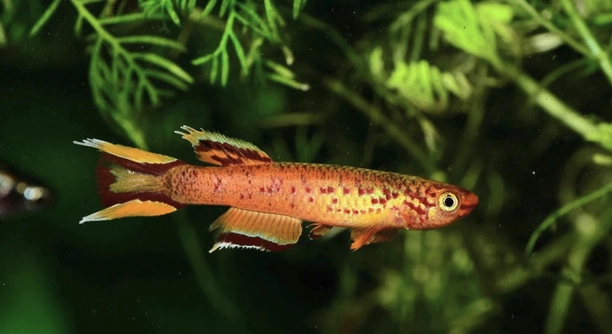
Killi fish are small, colorful freshwater fish often kept in home aquariums. Many owners notice their unique swimming style, which includes a shaking or trembling motion. This behavior can be intriguing and sometimes concerning for fish enthusiasts.
Killi fish shake while swimming mainly due to their natural muscle contractions and rapid fin movements. This shaking helps them maintain balance and maneuver efficiently in water. It is a normal behavior tied to their physiology and environmental interactions.
Understanding why killi fish shake offers insight into their care and wellbeing. Exploring this behavior helps ensure a healthy environment for these lively swimmers.
Why Killi Fish Shake: Natural Movement and Muscle Activity
Killi fish display a shaking motion as part of their natural swimming behavior. This trembling is caused by rapid muscle contractions and fin movements that help them stay balanced and agile in the water. Their small size and delicate muscles require constant adjustment, which appears as shaking. This behavior is more noticeable when they navigate through plants or small spaces in their environment. It also helps them respond quickly to changes or potential threats nearby. The shaking is not a sign of illness but rather a natural adaptation for their survival and comfort. Observing this movement can give clues about their activity levels and overall health. In well-maintained tanks, killi fish will often shake when hunting for food or exploring, showing normal engagement with their surroundings.
The shaking is a typical part of their swimming pattern and reflects their natural physiology.
Watching these small fish swim with this distinctive motion highlights their unique adaptation to their habitat and active lifestyle.
Environmental Factors Affecting Killi Fish Behavior
Water quality greatly influences how killi fish behave. Poor water conditions can stress them, increasing shaking or erratic movements. Maintaining clean water with proper temperature, pH, and oxygen levels is essential to keep them calm and healthy.
Killi fish are sensitive to changes in their environment, including water chemistry and temperature. Sudden shifts can cause increased shaking as they adjust. They thrive in stable conditions with regular maintenance to minimize stress. Providing hiding spots and plants also reduces anxiety, promoting natural behavior. When water parameters are ideal, their shaking is smooth and controlled rather than frantic. Stress from poor conditions can lead to more pronounced shaking, which may indicate health problems if prolonged. Regular monitoring and care prevent this, ensuring killi fish remain active and comfortable in their tank.
Maintaining a stable environment supports their natural movement patterns and reduces unnecessary stress responses. Proper tank care is crucial for their wellbeing.
How Killi Fish Use Shaking to Communicate
Killi fish use shaking as a way to communicate with others. This movement can signal stress, excitement, or territorial behavior. It is a subtle but important part of their interaction in groups or pairs.
Shaking helps killi fish establish boundaries and express emotions without aggression. When they feel threatened or uneasy, the trembling intensifies to warn others. During mating, shaking may also be part of courtship displays, attracting partners. Observing these patterns reveals much about their social dynamics. Understanding these signals allows better care and management of their environment, reducing conflicts and stress. The shaking is not random but a deliberate behavior with specific meanings depending on the situation.
This communication method shows how even small fish have complex ways to interact and maintain social balance.
Signs That Shaking May Indicate Health Issues
Occasional shaking is normal, but excessive trembling can point to health problems. It is important to monitor other signs like lethargy, loss of appetite, or discoloration. Sudden or continuous shaking might mean illness or water quality issues.
Parasites, infections, or poor water conditions often cause abnormal shaking in killi fish. If left untreated, these problems can worsen quickly. Regular water testing and tank cleaning prevent many health risks. Quarantining new fish also reduces the spread of disease. When shaking is accompanied by other symptoms, it’s best to consult a veterinarian or aquatic specialist. Early intervention helps restore the fish’s health and comfort. Keeping the environment clean and stable supports their immune system, reducing the chances of illness-related shaking.
Recognizing when shaking signals a problem is key to maintaining healthy killi fish and preventing serious complications.
Preventing Excessive Shaking in Killi Fish
Keeping water clean is the best way to prevent excessive shaking. Regular water changes and monitoring temperature help maintain a healthy environment. Stress from overcrowding should also be avoided.
Providing plenty of plants and hiding spots reduces anxiety and creates a comfortable space. This lowers unnecessary shaking and keeps fish calm.
Feeding and Its Effect on Shaking
A balanced diet supports muscle health and energy levels in killi fish. Overfeeding or poor nutrition can lead to weakness, causing more shaking. Feeding small amounts regularly is best. High-quality food helps maintain their natural behavior and reduces stress-related trembling.
Tank Setup Tips to Minimize Shaking
Proper tank setup with gentle filtration and stable conditions is key. Avoid strong currents, as they can cause fish to shake to maintain position. A quiet environment without sudden disturbances also helps reduce shaking and stress.
Monitoring Behavior for Healthy Fish
Observing changes in shaking patterns helps track fish health. Early detection of unusual trembling can prevent bigger issues.
FAQ
Why do killi fish shake more when they are stressed?
Killi fish shake more during stress because their muscles contract rapidly as part of a natural fight-or-flight response. Stress causes them to be more alert and active, resulting in increased trembling. Stress factors include poor water quality, overcrowding, or sudden changes in the environment. Reducing stress by improving tank conditions usually lowers shaking.
Is shaking always a sign of illness in killi fish?
No, shaking is not always a sign of illness. Normal shaking occurs as part of their swimming style and muscle activity. However, excessive or continuous shaking combined with other symptoms like lethargy or loss of appetite can indicate health issues. It’s important to observe the whole picture before concluding illness.
Can poor water quality cause killi fish to shake?
Yes, poor water quality is a common cause of increased shaking. High levels of ammonia, nitrites, or sudden pH changes stress the fish and lead to trembling. Regular water testing and maintenance prevent these problems, keeping the fish healthy and calm.
How can I tell if shaking is due to water temperature?
If water temperature is too low or fluctuates frequently, killi fish may shake to regulate their body functions. Shaking from cold water is usually accompanied by slower movements and hiding behavior. Maintaining stable temperatures within the recommended range helps reduce this shaking.
Does shaking indicate pain in killi fish?
Shaking does not necessarily mean pain but can be a reaction to discomfort or stress. If shaking is severe and persistent, it may relate to internal issues like parasites or infections, which cause pain. Observing additional signs will help determine if pain is involved.
Are there specific tank setups that reduce shaking?
Yes, tanks with gentle filtration, plenty of plants, and hiding spots reduce stress and shaking. Avoid strong currents because killi fish shake more to stay in place. A stable and quiet environment helps keep their shaking normal and controlled.
Can diet influence the shaking behavior of killi fish?
Diet plays a role in muscle health and energy. Poor nutrition or overfeeding can weaken fish and cause irregular shaking. Feeding high-quality food in small portions regularly supports their natural behavior and reduces stress-related trembling.
Should I isolate a killi fish that shakes a lot?
Isolating a shaking fish can help if the cause is aggression or stress from other fish. Quarantine is also recommended if illness is suspected. However, isolation should be temporary, with attention to improving water quality and overall care.
Is shaking more common in certain killi fish species?
Some species of killi fish may show more noticeable shaking due to differences in muscle structure or natural behavior. However, shaking is common across many species as a natural movement trait. Care should focus on health and environment rather than species-specific concerns.
How often should I monitor my killi fish for shaking behavior?
Daily observation is ideal to spot any changes early. Noticing unusual or prolonged shaking allows quick response to potential problems. Keeping a routine check on water parameters alongside behavior monitoring supports the fish’s wellbeing.
What immediate steps should I take if my killi fish starts shaking excessively?
Check water quality immediately for ammonia, nitrites, and pH levels. Test temperature and ensure it’s stable. Observe for other symptoms like lethargy or discoloration. If water parameters are fine, consider isolating the fish and consult a vet if shaking persists.
Can shaking be a sign of breeding behavior in killi fish?
Yes, during courtship, males may shake to attract females and show readiness to breed. This shaking is usually brief and paired with other mating displays. Recognizing this helps differentiate breeding behavior from stress or illness.
How do I reduce stress that causes shaking in killi fish?
Maintain clean water with regular changes, stable temperature, and proper tank size. Provide hiding places and avoid overcrowding. Minimizing loud noises and sudden movements near the tank also reduces stress.
Is shaking linked to the age of killi fish?
Young killi fish may shake more as their muscles develop and they explore their environment. Older fish can show shaking if weakened by illness or age-related decline. Understanding their stage of life helps interpret shaking behavior correctly.
Can medication cause killi fish to shake?
Some medications can cause temporary shaking as a side effect or stress response. Always follow dosage instructions carefully and observe the fish during treatment. If shaking worsens, consult a specialist to adjust medication.
Final Thoughts
Killi fish shaking while swimming is mostly a natural behavior linked to their muscle movements and how they balance in the water. This trembling helps them stay steady and move quickly through their environment. It is normal to see them shake more when they are active, exploring, or interacting with other fish. Understanding this behavior is important for anyone who keeps killi fish, as it shows how these small fish adapt to their surroundings and communicate with each other.
However, shaking can sometimes be a sign of stress or health problems. Poor water quality, sudden changes in temperature, or overcrowding can cause killi fish to shake excessively. It is important to maintain a clean tank with stable conditions to keep them healthy and comfortable. Providing plenty of hiding spots and a calm environment also reduces unnecessary shaking caused by anxiety or fear. Paying close attention to their behavior and the tank’s condition helps identify if the shaking is normal or if it signals an issue needing care.
Proper care, including good diet, water maintenance, and a well-set-up tank, supports the natural behavior of killi fish and reduces excessive shaking. Observing these signs closely allows timely action if any problems arise. While shaking is often harmless, it is a valuable indicator of the fish’s wellbeing. Keeping their habitat stable and clean will encourage natural swimming patterns and keep killi fish active and healthy over time.

Hello,
If you enjoy the content that we create, please consider saying a "Thank You!" by leaving a tip.
Every little bit helps us continue crafting quality advice that supports the health, happiness, and well-being of pets around the world, for pets of all shapes, sizes, and species.
We really appreciate the kindness and support that you show us!