
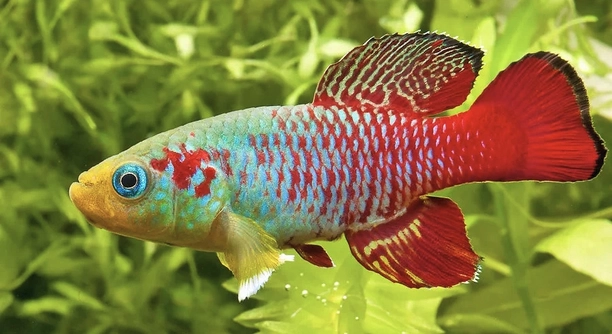
Killi fish are small, colorful freshwater fish that many hobbyists enjoy keeping in aquariums. They have unique behaviors that sometimes puzzle owners, like hovering near the heater. Understanding these habits helps create a better environment for them.
Killi fish hover near the heater mainly to seek warmth and comfort. Being tropical fish, they prefer stable, warmer water temperatures that mimic their natural habitat. The heater creates a microenvironment with ideal conditions, aiding their metabolism and overall well-being.
Recognizing why killi fish behave this way helps improve their tank setup and ensures they thrive. This article will explain their needs and how to keep them healthy and comfortable.
Why Killi Fish Prefer Warm Water
Killi fish come from tropical regions where water temperatures are generally warm and stable. In an aquarium, the heater simulates these natural conditions, making the area around it more appealing. Warmer water helps their bodily functions work properly. When the temperature drops, their metabolism slows down, which can cause lethargy and stress. By staying near the heater, they maintain the warmth needed for healthy digestion and activity. This behavior also helps them conserve energy. Since killi fish are small and delicate, they are more sensitive to temperature changes than larger fish. Providing a warm spot in the tank gives them comfort and security. It is important to keep the aquarium temperature consistent to prevent sudden changes that may harm the fish. The heater creates a microclimate that closely matches the conditions they need, which explains their tendency to hover nearby.
Killi fish do not just randomly gather near the heater; it is a response to their temperature needs.
Keeping the temperature stable encourages their natural behavior and promotes overall health. By observing this, you can better adjust your tank setup to suit their preferences. It is also important to avoid overheating, which could stress them out. A reliable heater with a thermostat is essential for maintaining the right balance. Watching your killi fish comfortably near the warm zone shows they feel secure. Along with temperature, clean water and proper diet complete the environment they need to thrive. Regularly checking the heater’s function ensures your fish stay in optimal conditions. This attention helps avoid health issues caused by cold stress or sudden temperature swings.
How to Create a Comfortable Environment for Killi Fish
A stable water temperature is just one part of a killi fish’s comfort. Clean water, good filtration, and hiding places also play major roles in their well-being. Aquatic plants or decorations near the heater provide shelter where they feel safe while enjoying warmth. Maintaining water parameters such as pH and hardness similar to their natural habitat supports their health. Feeding them a balanced diet suitable for small carnivores further strengthens their immune system. It is useful to monitor the temperature daily to catch any heater problems early. Avoid placing the heater where it may cause hot spots that stress fish. A well-maintained aquarium with proper lighting, temperature, and water quality keeps killi fish active and reduces hovering only near the heater.
Providing a secure, warm spot encourages natural activity throughout the tank.
By focusing on these factors, you create a healthy, comfortable home for your killi fish. Temperature control is important, but so is overall tank care. Ensuring consistent warmth combined with a clean, enriched environment allows them to display more natural behaviors. They will explore the whole tank rather than staying close to the heater out of necessity. Observing their habits can tell you when something is off, like temperature fluctuations or poor water quality. Regular tank maintenance, feeding, and a proper setup will keep your fish happy and healthy. A cozy environment helps reduce stress and supports their lifespan, making your aquarium a better place for these lively fish.
Signs Your Killi Fish Is Too Cold
When killi fish feel cold, they often become less active and may hover near the heater more than usual. Their colors can fade, and they might stay at the bottom of the tank. These signs show they are struggling to maintain their body temperature.
Cold stress weakens their immune system, making them prone to diseases. If your killi fish are sluggish or hiding constantly, check the water temperature immediately. Temperatures below their comfort zone slow down their metabolism and reduce feeding response. Keeping the temperature steady helps prevent these issues and keeps your fish healthy and lively.
Sudden drops in temperature can shock killi fish, causing serious health problems. Using a reliable heater with a thermostat prevents this. Also, avoid placing the tank near drafts or windows where temperature fluctuates. Monitoring water temperature regularly helps catch problems early. If you notice signs of cold stress, gently raise the temperature by a degree or two. This small adjustment can make a big difference in their behavior and wellbeing.
Choosing the Right Heater for Killi Fish
Selecting the right heater is crucial for maintaining consistent warmth. A heater with an adjustable thermostat is best because it keeps the temperature steady without overheating. Size the heater according to your tank’s volume to ensure efficient heating.
Submersible heaters are often preferred as they distribute heat evenly and are safer for small fish like killi. Avoid heaters that produce strong currents, as these can stress your fish. It’s important to place the heater where water flow can spread heat throughout the tank. Check the heater regularly for any malfunction or temperature fluctuations to protect your fish from cold or hot spots.
How Temperature Affects Killi Fish Behavior
Temperature directly influences how active killi fish are. Warmer water boosts their metabolism, making them swim and eat more. Cooler water slows them down, causing them to hide or hover near heat sources for comfort.
Consistent temperature helps maintain natural behaviors. Sudden changes can cause stress, leading to illness or reduced lifespan.
Ideal Temperature Range for Killi Fish
Killi fish thrive best between 72°F and 78°F (22°C to 26°C). Keeping the water within this range supports proper digestion, growth, and reproduction. Temperatures outside this range can cause stress, affect their immune system, and lead to health problems. Regular monitoring is essential to ensure a stable environment that promotes their well-being.
Avoid Overheating the Tank
Too much heat can be harmful. Overheated water reduces oxygen levels and stresses killi fish, causing erratic swimming or hiding.
FAQ
Why do killi fish stay near the heater all the time?
Killi fish stay close to the heater because they need warmth to regulate their body functions. Their natural habitats are tropical, so they rely on stable, warm water to stay active and healthy. When the aquarium temperature drops, they gather near the heater to maintain comfort and proper metabolism.
Is it normal for killi fish to hover in one spot?
Yes, it is normal, especially near the heater. Hovering helps them conserve energy by staying in a warmer area. However, if they hover too much and avoid swimming around the tank, it might indicate stress or temperature issues.
What is the best temperature for killi fish?
The ideal temperature range for killi fish is between 72°F and 78°F (22°C to 26°C). Keeping the water within this range supports their metabolism, immune system, and natural behavior. Temperatures outside this range can cause stress and health problems.
Can killi fish survive in cooler water?
Killi fish can tolerate slightly cooler water but may become lethargic and lose appetite if it drops too low. Prolonged exposure to cold water weakens their immune system and can cause illness. Maintaining consistent warmth is better for their health.
How can I tell if my killi fish is too cold?
Signs of cold stress include reduced activity, faded colors, hiding, and resting at the tank’s bottom. They might also stay close to the heater constantly. If you notice these signs, check your water temperature and adjust it gently.
What type of heater is best for a killi fish tank?
A submersible heater with an adjustable thermostat is best. It evenly distributes heat and allows precise temperature control, preventing overheating. Size the heater based on your tank volume for efficient heating. Avoid heaters that create strong currents.
Can a heater malfunction harm killi fish?
Yes, if a heater fails and water temperature drops or spikes suddenly, it can stress or even harm the fish. Using a reliable heater and monitoring temperature regularly helps prevent such problems.
Should I place the heater near decorations or plants?
Place the heater where water flow spreads warmth evenly throughout the tank. Avoid covering it with decorations or plants, which might create hot spots or reduce its efficiency.
Why do killi fish sometimes avoid the heater?
If the heater overheats the area or creates strong currents, killi fish may avoid it. They prefer stable, gentle warmth without too much water movement. Adjusting heater placement or settings can solve this.
Is it safe to leave the heater on all the time?
Yes, keeping the heater on continuously maintains stable water temperature. Sudden changes can stress killi fish, so a consistent environment is safer for their health.
How often should I check the tank temperature?
It’s best to check the temperature daily, especially in colder seasons or if the heater is old. Early detection of problems helps keep killi fish comfortable and healthy.
Can other fish affect how killi fish use the heater?
Yes, tank mates that prefer different temperatures may influence where killi fish swim. If the tank is too cold for killi fish, they will cluster near the heater more often. It’s important to choose compatible fish with similar temperature needs.
What should I do if my heater stops working suddenly?
Immediately check the water temperature and consider using a temporary heater or moving your fish to a warm, safe place. Fix or replace the heater as soon as possible to avoid prolonged cold stress.
Are there any natural ways to keep killi fish warm without a heater?
In tropical climates, room temperature might be enough, but in most cases, a heater is necessary for consistent warmth. Plants and decorations can provide shelter but do not replace the need for proper heating.
Can killi fish survive in a tank without a heater during summer?
If the room temperature stays within their ideal range (72°F–78°F), they might do fine. However, temperature fluctuations are common, so a heater is recommended to keep conditions stable year-round.
How do I know if my heater is working correctly?
Use a reliable aquarium thermometer to cross-check the heater’s setting. The water temperature should match the heater’s target without large fluctuations. If not, the heater might need repair or replacement.
Do killi fish need different temperatures at different times?
Killi fish prefer stable temperatures but can tolerate small daily changes, similar to their natural habitat. Avoid sudden or extreme temperature shifts to prevent stress and illness.
Can cold water cause diseases in killi fish?
Yes, cold stress lowers their immune defenses, making them vulnerable to infections like fungal or bacterial diseases. Keeping the water warm helps prevent these health issues.
Is it okay to raise the heater temperature quickly if the fish is cold?
No, increase temperature gradually by one or two degrees over several hours. Sudden changes can shock the fish and cause more harm than good.
How important is water circulation with the heater?
Good water circulation helps distribute heat evenly, avoiding hot or cold spots. Gentle flow is best, as strong currents can stress killi fish.
What other tank conditions affect killi fish behavior besides temperature?
Water quality, pH level, lighting, and tank decor also affect their comfort and activity. A well-balanced environment reduces stress and supports healthy behavior.
Killi fish are small, delicate creatures that need a stable and comfortable environment to thrive. One important part of their care is maintaining the right water temperature. Because they come from warm, tropical areas, they naturally seek out warmth in an aquarium. This is why you often see them hovering near the heater. The heater provides a cozy spot that helps their bodies work properly and keeps them active. Without this steady warmth, killi fish can become stressed, weak, or sick. Understanding their need for consistent heat helps aquarium owners create a better home for these fish.
Keeping the water temperature steady between 72°F and 78°F is ideal for most killi fish species. Sudden changes or cold water can slow their metabolism and cause problems with feeding and immune function. It is normal for killi fish to stay near the heater to get the warmth they need. However, if you notice they never leave that area or show signs of stress, it might mean the temperature is not quite right or there are other tank issues. Regularly checking your heater and using a good thermometer will help you keep the water conditions stable. Along with proper heating, good water quality, hiding spots, and the right diet also play important roles in their health.
Creating a comfortable tank for killi fish is about more than just temperature. It involves understanding their behavior and making sure their environment matches their natural needs. When you keep the water warm and stable, they will feel safe and display natural activity. This leads to happier, healthier fish. Paying attention to their behavior near the heater can give you clues about how well your tank setup is working. By keeping the right temperature and tank conditions, you provide a supportive home that helps your killi fish live longer and enjoy their space.

Hello,
If you enjoy the content that we create, please consider saying a "Thank You!" by leaving a tip.
Every little bit helps us continue crafting quality advice that supports the health, happiness, and well-being of pets around the world, for pets of all shapes, sizes, and species.
We really appreciate the kindness and support that you show us!