
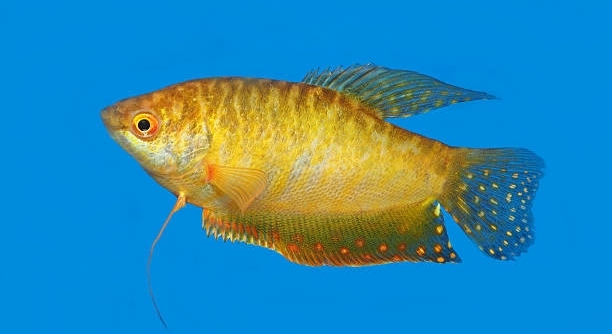
Gouramis are popular freshwater fish known for their peaceful nature and unique appearance. Many hobbyists enjoy keeping them in home aquariums due to their calm behavior and interesting colors. Sometimes, these fish spend a lot of time resting at the bottom of the tank, which can cause concern for owners.
Gouramis rest at the bottom primarily due to stress, illness, or changes in water conditions. This behavior can also be a normal resting phase or a way to conserve energy. Understanding their environment and health is key to interpreting this action.
Recognizing the reasons behind this behavior helps ensure your gourami’s well-being and can improve your aquarium care routine overall.
Common Reasons Gouramis Rest at the Bottom
When gouramis stay near the bottom, it often relates to their health or environment. Poor water quality is a frequent cause, as high ammonia or nitrite levels can stress fish and make them less active. Low oxygen levels can also force gouramis to rest at the tank’s base where oxygen may be slightly better. Sometimes, sudden changes in temperature or pH upset their balance. Illness or parasites can weaken them, causing lethargy. Gouramis might also rest more if they are old or recovering from spawning. It’s important to check water parameters regularly and observe any unusual behavior to keep gouramis healthy. Providing hiding spots and a calm environment helps reduce stress, encouraging them to swim freely.
Keeping your aquarium clean and stable reduces stress and supports your gourami’s natural behavior. Monitoring their activity helps catch problems early.
Understanding these common causes can help you provide better care and quickly respond to your gourami’s needs.
How to Help Your Gourami Feel Better
Start by testing water quality and making needed changes. Keep the tank clean and maintain stable temperature. Avoid overcrowding and offer plenty of plants or hiding spots. Feeding a balanced diet supports their immune system. If illness is suspected, seek advice from an aquatic specialist. Patience and gentle care will help your gourami recover.
Resting Behavior and Energy Conservation
Gouramis often rest at the bottom to conserve energy, especially after periods of activity. This behavior helps them recover and maintain balance in their tank environment.
Resting at the bottom is a natural way for gouramis to regulate their energy. They don’t swim constantly and need quiet moments to avoid exhaustion. In tanks with strong currents, resting at the bottom lets them avoid fighting the water flow. During nighttime or cooler periods, gouramis may also stay low, as their metabolism slows down. This is completely normal and usually not a cause for concern unless accompanied by other signs of distress like loss of appetite or unusual swimming patterns.
If your gourami is healthy, resting at the bottom can be part of their daily rhythm. Providing a calm tank with gentle water flow supports this natural behavior and helps them thrive.
Signs That Indicate a Problem
Lethargy combined with resting at the bottom can indicate health issues. Watch for changes in color, breathing, or appetite as warning signs.
When gouramis stay at the bottom for extended periods and show other symptoms like faded colors or rapid gill movement, it often signals stress or illness. Parasites, bacterial infections, or poor water quality may cause this behavior. Changes in appetite, such as refusing food, are also red flags. If the fish is rubbing against objects or floating strangely, immediate action is needed. Addressing water parameters and consulting a vet or aquarium specialist can prevent worsening conditions. Early detection is important for successful treatment and recovery.
Environmental Stress Factors
Changes in water temperature or pH can stress gouramis and cause them to rest at the bottom. Sudden shifts make it hard for them to adjust quickly.
Poor water quality, such as high ammonia or nitrite levels, also contributes to stress. Keeping the tank stable helps prevent these issues.
The Importance of Proper Tank Setup
A well-planted tank with plenty of hiding places creates a safe space for gouramis. They feel secure resting near plants or decorations, reducing stress and encouraging natural behavior. Proper filtration and regular water changes maintain good water quality, which is essential. Stable temperature and gentle water flow keep gouramis comfortable and active. Ensuring enough space and avoiding overcrowding helps prevent competition and aggression, which can cause fish to hide or rest more often. Setting up the tank thoughtfully improves your gourami’s overall health and happiness.
Monitoring Your Gourami’s Behavior
Regular observation allows you to spot early signs of distress and take action promptly.
FAQ
Why does my gourami rest at the bottom but still eat normally?
Sometimes gouramis rest at the bottom simply to relax or conserve energy while still feeling healthy. If your fish eats well and shows no other signs of illness like rapid breathing or color changes, resting can be part of its normal behavior. Gouramis are known to take breaks throughout the day, especially if the tank has gentle currents or if they feel safe near the substrate. Just keep monitoring water conditions to ensure nothing is stressing them.
Can resting at the bottom be a sign of illness?
Yes, if resting at the bottom comes with symptoms like loss of appetite, clamped fins, faded colors, or erratic swimming, it may indicate illness. Common issues include infections, parasites, or poor water quality. Illness weakens gouramis and makes them less active. Early detection and treatment are important. Checking water parameters and isolating sick fish can prevent problems from spreading.
How often should I check my tank’s water quality?
It’s best to test water parameters like ammonia, nitrites, nitrates, and pH at least once a week. Gouramis are sensitive to sudden changes, so regular testing helps catch problems early. Also, do partial water changes weekly or biweekly depending on tank size and stocking level. Stable water conditions support your fish’s health and reduce stress-related behaviors like bottom resting.
Is it normal for gouramis to rest more during certain times of the day?
Yes, gouramis may rest more during the night or quieter parts of the day. Like many fish, they have periods of activity and rest. At night or when the tank is dimly lit, they often stay low or in sheltered spots. This is natural and helps conserve energy. Resting during the day is also common if the tank is bright or noisy. Providing plants or hiding places gives them comfortable areas to rest.
Can tank size affect gourami behavior?
Absolutely. Small or overcrowded tanks increase stress and cause gouramis to hide or rest more. They need enough space to swim and establish territories. A cramped environment can lead to aggression and illness. For one gourami, a tank of at least 20 gallons is recommended. Larger tanks with plenty of plants and open swimming areas encourage natural, healthy behavior.
What role does diet play in a gourami’s activity levels?
A balanced diet rich in protein, vitamins, and minerals helps maintain energy and immune function. Poor nutrition can lead to lethargy and more resting. Feeding varied foods like pellets, frozen or live brine shrimp, and bloodworms keeps gouramis healthy and active. Overfeeding should be avoided since leftover food can degrade water quality, stressing the fish.
How can I tell if my gourami is stressed?
Signs of stress include hiding frequently, resting excessively at the bottom, rapid gill movement, clamped fins, loss of color, and reduced appetite. Stress can come from poor water quality, aggressive tank mates, or sudden environment changes. Reducing noise, maintaining clean water, and providing hiding spots helps lower stress and supports normal activity.
Should I separate a resting gourami from other fish?
Only if the gourami shows signs of illness or is being bullied. Otherwise, resting at the bottom is normal and doesn’t usually require separation. However, if tank mates are aggressive, isolating the gourami can prevent injury and stress. Use a quarantine tank to treat sick fish safely and avoid spreading disease.
Does temperature affect how much my gourami rests?
Yes, gouramis prefer stable temperatures between 74°F and 82°F. If water is too cold, their metabolism slows, making them rest more. If it’s too warm, they can become stressed or lethargic. Using a heater and thermometer keeps the tank within the right range, supporting healthy activity levels.
How can I encourage my gourami to swim more and rest less?
Create a calm environment with gentle water flow and plenty of plants. Feed high-quality food and keep water clean and stable. Avoid overcrowding and aggressive fish. Gradually increasing tank light during the day can stimulate activity. Regular monitoring helps you spot issues early and keep your gourami lively and healthy.
Gouramis resting at the bottom of the tank can be perfectly normal or a sign that something needs attention. It is important to observe your fish closely and pay attention to their behavior. Sometimes, they simply need to rest after swimming or exploring their environment. Like all animals, gouramis have times when they are more active and times when they slow down. If your fish is eating well, showing good color, and swimming normally at other times, resting at the bottom is usually nothing to worry about.
However, if your gourami stays at the bottom for long periods and shows signs like loss of appetite, faded colors, or heavy breathing, these may indicate health or environmental problems. Water quality plays a big role in their wellbeing. Poor water conditions can cause stress, making fish less active and prone to illness. Regular testing of water parameters, maintaining stable temperature, and keeping the tank clean are key to preventing problems. A properly set up tank with enough space, plants, and hiding places helps gouramis feel safe and comfortable, reducing their need to hide or rest too much.
Taking time to understand your gourami’s natural habits and paying attention to changes will help you keep them healthy and happy. Being patient and making small improvements in their care can make a big difference. Watching your fish closely and reacting to signs early can prevent many common issues. Resting at the bottom is just one part of their behavior, and with the right care, your gourami can thrive and enjoy a peaceful life in your aquarium.

Hello,
If you enjoy the content that we create, please consider saying a "Thank You!" by leaving a tip.
Every little bit helps us continue crafting quality advice that supports the health, happiness, and well-being of pets around the world, for pets of all shapes, sizes, and species.
We really appreciate the kindness and support that you show us!