
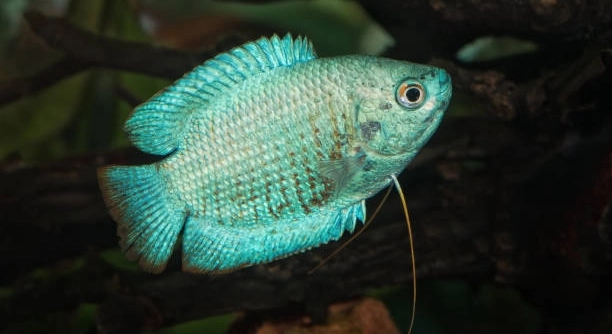
Gourami are popular aquarium fish known for their unique behaviors, including flaring. This display is often seen at night, which can seem unusual to many fish keepers. Understanding this behavior helps improve care for these peaceful fish.
Gourami flare at night primarily due to reduced lighting conditions and increased territorial instincts during resting periods. Darkness enhances their sensory perception, prompting them to assert dominance and defend their space even when visually limited. This behavior is a natural response to environmental stimuli.
Recognizing why gourami flare only at night reveals insights into their natural instincts and tank dynamics. This knowledge supports better aquarium management and promotes healthier interactions among tank inhabitants.
Why Gourami Flare at Night
Gourami are known for their occasional flaring, which is more noticeable at night. This behavior is linked to their natural instincts. During the day, bright light keeps them calmer, and they rely more on visual cues. At night, when the lighting is dim or absent, gourami depend on other senses, such as their lateral line system, to detect movement around them. This heightened sensitivity can trigger flaring as a defensive or territorial signal. It helps them establish boundaries and avoid conflicts in low visibility. In a tank environment, this behavior may seem more frequent because of the confined space and the presence of other gourami or fish. Observing these patterns allows aquarium owners to understand when gourami are feeling threatened or are asserting dominance, helping them maintain a peaceful tank atmosphere and adjust tank conditions if needed.
Flaring at night is often a way for gourami to maintain their territory without physical confrontation. This helps reduce stress among tank mates.
Knowing this behavior can guide aquarium caretakers in managing lighting schedules and tank mates to reduce unnecessary flaring and stress. Proper tank layout and consistent nighttime conditions contribute to a healthier environment for gourami.
Factors Influencing Nighttime Flaring
Lighting plays a key role in triggering gourami flaring. Low light reduces visual information, making gourami rely on other senses that may increase defensive behaviors.
Besides lighting, the size of the tank and number of gourami present influence how often they flare at night. Smaller tanks can intensify territorial disputes because space is limited. When multiple gourami share the same space, competition for dominance is common, especially in the evening hours when their activity slows and they become more sensitive to disturbances. A lack of hiding spots or plants can also increase stress, causing more frequent flaring. Tankmates that are aggressive or very active can provoke gourami to flare defensively. Proper tank setup with enough room and visual barriers helps reduce the need for constant displays of dominance. Managing lighting to mimic natural day and night cycles supports their behavior and keeps the environment calm. Understanding these factors helps create a balanced habitat that respects gourami’s instincts and limits stress-induced flaring.
Managing Nighttime Flaring
Controlling gourami flaring at night often involves adjusting the tank environment. Changes in lighting and layout can significantly reduce this behavior.
Dim or inconsistent lighting at night can increase gourami’s defensive responses. Using a consistent light schedule helps them adapt to a regular day-night cycle. Adding plants or decorations provides hiding spots, which lower stress and reduce the need to flare. Ensuring tankmates are peaceful and not overly active at night also minimizes triggers. By creating a calm and secure space, gourami are less likely to feel threatened and flare unnecessarily.
Feeding habits also play a role. Feeding gourami at regular times, preferably during daylight, helps establish routine and decreases anxiety at night. Avoid overfeeding to prevent water quality issues, which can stress the fish and increase flaring. Monitoring water parameters regularly ensures a stable environment. Maintaining cleanliness and proper filtration supports fish health, reducing behavioral stressors linked to nighttime flaring.
The Role of Social Behavior
Gourami flaring is closely tied to their social interactions and hierarchy within the tank. They use flaring to communicate dominance and establish boundaries.
In groups, dominant gourami flare more to show authority, especially during low light when visual signals are limited. Subordinate fish respond by avoiding conflict, keeping peace in the tank. However, if the group is too large or the tank is too small, frequent flaring can stress all fish. Balancing the number of gourami and ensuring enough space helps maintain a stable social structure. Regular observation of their interactions aids in early detection of tension, allowing timely adjustments. Managing social behavior this way promotes harmony and reduces nighttime flaring incidents.
Environmental Triggers
Changes in water temperature or quality can cause gourami to flare more frequently. Sudden shifts increase their stress levels, leading to defensive behavior.
Maintaining stable water conditions is essential. Regular testing and timely water changes help minimize stress and reduce unnecessary flaring during nighttime.
Lighting Adjustments
Using a dim, steady light at night can calm gourami and reduce their tendency to flare. Avoid sudden bright lights or complete darkness to help them feel secure.
Understanding Stress Responses
Gourami flare when they sense threats or discomfort. Stress can come from overcrowding, poor water quality, or aggressive tankmates, all of which heighten defensive displays.
Managing these factors lowers stress, leading to less frequent flaring and a more peaceful tank environment.
Feeding Schedule
Feeding gourami consistently during daylight hours helps regulate their behavior and reduces nighttime anxiety, which can trigger flaring.
FAQ
Why do gourami flare more at night than during the day?
Gourami flare more at night because reduced lighting limits their vision, making them rely on other senses. This heightens their awareness of nearby fish or movements. Flaring acts as a way to assert dominance and protect territory when they cannot clearly see their surroundings. The lower visibility increases their caution, which leads to more frequent displays at night.
Is nighttime flaring harmful to gourami?
Occasional flaring is a natural behavior and usually not harmful. However, constant or excessive flaring can cause stress, which affects their health over time. Stress weakens the immune system and can lead to illness. Keeping the tank environment calm with proper space, hiding spots, and good water quality helps reduce excessive flaring and keeps gourami healthy.
How can I reduce gourami flaring at night?
To reduce nighttime flaring, maintain a consistent lighting schedule with gradual dimming in the evening. Avoid sudden changes in light that startle the fish. Provide plenty of plants or decorations for hiding spaces to help gourami feel safe. Also, keep tankmates peaceful and avoid overcrowding. Stable water conditions and feeding routines contribute to lowering stress and defensive behaviors.
Does tank size affect how often gourami flare?
Yes, tank size plays a significant role. Smaller tanks limit territory and increase competition between gourami, causing more frequent flaring. Providing a larger tank with enough space for each fish helps reduce territorial disputes. It also allows gourami to escape from dominant individuals, reducing stress and unnecessary displays.
Can gourami flaring be a sign of aggression?
Flaring is mostly a display of territorial or dominance behavior, which can sometimes lead to aggression if fish feel threatened. However, it does not always mean actual fighting will occur. Often, flaring serves as a warning to avoid conflict. If you notice injuries or constant chasing, it may be a sign that aggression is escalating and tank conditions need adjustment.
Will gourami flare less if they are kept alone?
Gourami tend to flare less when kept alone because they have no competition for territory or dominance. However, they are social fish and often do better with companions. Keeping a single gourami may reduce flaring but can affect their overall behavior and happiness. If kept in groups, managing tank size and conditions is essential to control flaring.
Are certain types of gourami more prone to flaring at night?
Different gourami species have varying temperaments. Some, like the dwarf gourami, are more peaceful and flare less frequently. Others, like the three-spot gourami, can be more territorial and flare often, especially at night. Knowing the species’ behavior helps in planning tank mates and setup to minimize stress and flaring.
How does feeding affect gourami flaring?
Regular feeding schedules help gourami feel secure and less anxious, which lowers defensive behaviors like flaring. Feeding during the day aligns with their natural activity patterns and keeps them calm at night. Overfeeding or poor diet can cause health issues and stress, indirectly increasing flaring as fish become uncomfortable.
Can lighting changes confuse gourami and cause flaring?
Sudden or irregular lighting changes can confuse gourami and increase stress, triggering flaring. Gradual light transitions and consistent schedules help gourami adjust naturally. Using a timer for aquarium lights ensures steady day-night cycles, reducing unexpected stress and unnecessary flaring.
What role do tankmates play in gourami flaring?
Tankmates affect gourami behavior significantly. Aggressive or very active fish can provoke gourami to flare defensively. Peaceful tankmates reduce stress and flaring. It is important to choose compatible species and avoid overcrowding to maintain a calm environment. Observation of interactions helps identify potential issues early on.
Final Thoughts
Gourami flaring at night is a natural behavior linked to their instincts and environment. It serves as a way for them to communicate, protect territory, and establish social order when visibility is low. While it can seem surprising or even concerning, flaring is not always a sign of serious problems. Understanding the reasons behind this behavior helps in managing it effectively and creating a healthier habitat for the fish. Recognizing that lighting, tank size, social dynamics, and stress all play a role is important in addressing why gourami flare at night.
Managing the tank environment is key to reducing excessive flaring. Providing stable water conditions, consistent lighting schedules, and sufficient space can help gourami feel secure. Plants, decorations, and hiding spots give them places to retreat and reduce the need for constant defensive displays. Feeding routines also influence their behavior. Feeding during the day keeps gourami calm at night, and a balanced diet supports overall health. Tankmates must be chosen carefully to avoid conflicts that increase stress and cause frequent flaring. Keeping the tank peaceful promotes better behavior and lessens night-time flare-ups.
Ultimately, gourami flaring is part of their natural behavior, but excessive flaring may indicate stress or environmental issues. By observing their behavior and making thoughtful adjustments, you can help your gourami live comfortably with fewer flare incidents. Attention to tank conditions and social balance creates a more stable and calming space for gourami, allowing them to express natural behaviors without unnecessary stress. Understanding and patience go a long way in supporting their wellbeing and enjoying their unique traits.

Hello,
If you enjoy the content that we create, please consider saying a "Thank You!" by leaving a tip.
Every little bit helps us continue crafting quality advice that supports the health, happiness, and well-being of pets around the world, for pets of all shapes, sizes, and species.
We really appreciate the kindness and support that you show us!