
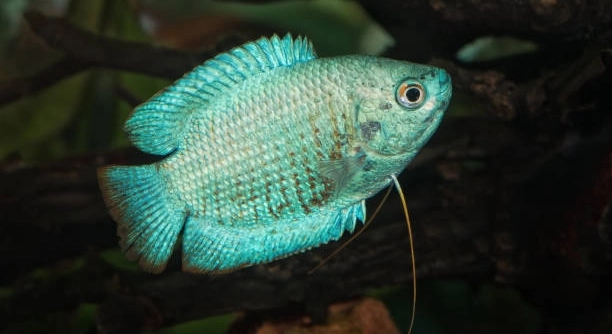
Gourami are popular aquarium fish known for their gentle nature and unique appearance. They often swim close to plants and decorations rather than venturing into wide open areas. This behavior can puzzle many fish enthusiasts.
Gourami avoid open spaces primarily because these areas expose them to potential threats. Their natural instincts drive them to seek shelter and feel secure near hiding spots, which reduces stress and improves their chances of survival in the wild.
Learning more about gourami’s natural behavior will help you create a more comfortable and healthy environment for them in your aquarium. Understanding these habits benefits both the fish and their caretakers.
Natural Habitat and Safety Instincts
Gourami come from slow-moving rivers and densely planted areas in Southeast Asia. In these natural environments, open water means higher risk from predators like larger fish or birds. Because they rely on plants and structures for protection, they feel safer staying close to these hiding spots. Open spaces leave them exposed and vulnerable, which can cause stress and make them less active. In an aquarium, recreating this environment with plenty of plants and decorations helps gourami feel secure. Without enough cover, gourami may become shy or hide constantly, making it hard to enjoy watching them. Their instinct to avoid open spaces is a survival strategy passed down through generations. This behavior keeps them alive in the wild and calm in captivity. Understanding where they come from gives important clues about their needs and habits. Providing shelter and limiting wide open swimming areas is essential for their well-being.
Keeping your aquarium well-planted with plenty of hiding spots satisfies gourami’s natural instincts and encourages healthy behavior.
Even in a home tank, gourami need safe zones. Open spaces trigger stress, while hiding places make them comfortable and active. This balance helps them thrive and stay healthy over time.
Impact of Stress on Gourami Behavior
Stress plays a major role in why gourami avoid open spaces. When fish feel threatened or unsafe, their bodies produce stress hormones that affect health and behavior. Being in a large, empty area makes gourami feel exposed and increases stress. This can lead to poor appetite, weakened immune systems, and less movement. Stress can also cause them to hide for longer periods, making them harder to observe or enjoy. Stress reduces their overall quality of life and may shorten their lifespan. In contrast, when gourami have plants or caves nearby, they feel protected, which lowers stress levels. The right environment encourages them to explore and interact more with their tank mates and surroundings. Regularly checking your aquarium setup to include natural shelters helps prevent stress. By doing this, you ensure your gourami stay healthy and happy in their space.
Reducing stress by creating secure environments improves gourami’s health, behavior, and longevity.
A calm gourami is more likely to show natural colors and personality. A tank designed with their comfort in mind makes all the difference for their well-being.
How Aquarium Setup Affects Gourami Behavior
Gourami react strongly to their surroundings. Open, empty tanks make them nervous, while well-planted tanks provide comfort. They prefer spaces where they can hide and explore safely.
In aquariums, the layout greatly impacts how gourami behave. Without enough plants or decorations, gourami feel exposed and stay hidden. Adding tall plants, driftwood, or rocks creates natural hiding spots. These elements reduce stress and encourage more natural swimming and feeding behaviors. Gourami also enjoy gentle water flow and stable water conditions, which mimic their natural habitats. The right tank setup can make a big difference in their activity and overall health. Observing your gourami’s reactions to changes can help you adjust the environment to better meet their needs.
Placing shelters at different levels allows gourami to choose their comfort zone. This variety helps them feel secure and more confident moving through the tank.
Feeding Behavior and Open Spaces
Gourami tend to feed best when they feel safe. Open spaces make them cautious, reducing their appetite. Providing cover near feeding areas helps them eat comfortably.
Stress from exposed areas can cause gourami to eat less or become picky about food. When they have plants or decorations nearby, they feel secure enough to come out and feed actively. Gourami are surface feeders but also like picking food from plants or hiding spots. Feeding them near their preferred hiding areas can improve eating habits and reduce stress. Careful placement of food and maintaining a calm environment encourages consistent feeding. This approach supports their health and prevents issues related to poor nutrition. Regularly monitoring their behavior during feeding times helps ensure they feel safe and well cared for.
Social Behavior and Open Spaces
Gourami feel more secure when they have company or enough cover nearby. Open spaces can make them feel isolated and vulnerable. Being near other fish or plants helps them relax and act naturally.
When gourami have places to hide or swim close to others, they show more social interaction. Open tanks can cause them to be shy or withdrawn, limiting their natural behavior and reducing their activity levels.
Lighting and Open Spaces
Bright, open areas in the tank may stress gourami because they have nowhere to escape harsh light. Dimming lights or using floating plants can help create softer, sheltered spots. Adjusting light levels can make gourami more comfortable and active.
Movement Patterns in Open Spaces
In open water, gourami tend to swim cautiously and stick close to the tank edges or plants. This behavior helps them avoid potential threats. When given enough hiding places, their movements become more confident and fluid, showing natural curiosity.
Benefits of Creating Safe Spaces
Safe spaces reduce stress and encourage healthy behavior in gourami. They feel protected and are more likely to explore, feed, and interact. Simple additions like plants or decorations improve their quality of life significantly.
FAQ
Why do gourami hide so much in my aquarium?
Gourami hide when they feel unsafe or stressed. This often happens if the tank is too open or lacks enough plants and decorations. Hiding is a natural defense to avoid predators. To help them feel secure, add plenty of plants or places to hide. This creates a comfortable environment where they can relax and show their natural behaviors.
Is it normal for gourami to avoid open swimming areas?
Yes, this is normal. Gourami instinctively avoid open spaces because these areas make them feel vulnerable to threats. In the wild, they rely on plants and other cover for protection. Even in an aquarium, this instinct remains strong. Providing plants and structures helps gourami feel safe and encourages more active swimming.
How can I make my gourami feel safe in my tank?
The best way is to create hiding spots and places to explore. Use live or artificial plants, rocks, and driftwood to break up open space. Adding floating plants also helps by providing shaded areas. Keep water conditions stable and avoid sudden changes, as this reduces stress. A well-arranged tank helps gourami feel secure and comfortable.
Does the size of the aquarium affect gourami’s comfort?
Tank size matters, but the layout is even more important. Gourami need enough space to swim but also enough cover to hide. A large, empty tank can feel unsafe to them. Even in bigger tanks, adding plants and decorations is essential to reduce stress and encourage natural behavior.
Can gourami live alone, or do they need tank mates?
Gourami can live alone but often do better with peaceful tank mates. They feel more secure when they are not isolated. However, avoid aggressive or overly active fish that could stress them. Gentle companions help gourami stay calm and show natural social behavior.
What happens if gourami stay stressed for a long time?
Prolonged stress weakens their immune system, making them prone to illness. It also reduces appetite and activity levels. Stress can cause color fading and unusual hiding. Creating a secure, well-planted environment is important to prevent long-term stress and keep gourami healthy.
How do lighting conditions affect gourami behavior?
Bright, harsh lighting can stress gourami, especially in tanks with few hiding spots. They prefer moderate or dim lighting, which mimics their natural habitat. Using floating plants or adjustable lighting helps create shaded areas and lowers stress. Proper lighting encourages more natural and active behavior.
Are certain plants better for gourami tanks?
Yes, soft-leaved plants like Java fern, Anubias, and floating plants are ideal. They provide gentle cover without sharp edges that could harm gourami. Floating plants also reduce light intensity and offer hiding places near the surface where gourami like to swim. These plants create a natural feel that gourami appreciate.
How often should I rearrange decorations or plants?
Avoid frequent changes as gourami get stressed by sudden disruptions. It’s better to keep the tank layout stable so they can feel safe. If rearranging, do it slowly and not all at once. This gives gourami time to adjust and maintain comfort in their environment.
Can stress from open spaces affect gourami breeding?
Yes, stress reduces breeding success. Gourami need calm, secure areas to build bubble nests and care for their young. Open tanks or constant disturbances make them nervous and less likely to reproduce. Creating cozy spots and minimizing stress encourages healthy breeding behavior.
What signs show my gourami is stressed by open spaces?
Signs include hiding most of the time, refusing to eat, faded colors, and slow movement. They may also dart nervously when swimming or stick close to tank edges. If you notice these behaviors, check if the tank has enough cover and shelter. Adjusting the environment usually helps reduce stress quickly.
Can gourami adapt to tanks with fewer plants?
They can adapt but often remain more cautious and less active. Without enough cover, they may stay hidden or appear shy. Providing even a few decorations or artificial plants helps them feel more at ease. For their health and happiness, it’s best to offer enough hiding spots regardless of tank size.
Is it okay to keep gourami with other fish in a sparse tank?
It’s not ideal. In a sparse tank, gourami feel exposed, and the presence of other fish can increase stress. They might hide more or act defensively. Ensuring the tank has enough plants and places to hide helps reduce conflict and creates a peaceful environment for all fish.
What can I do if my gourami is constantly hiding despite plants?
Check water quality, temperature, and tank mates. Sometimes poor conditions or aggressive fish cause stress beyond just tank layout. Also, consider lighting and feeding schedules. If everything seems fine, give them time to adjust or try adding more varied hiding spots. Patience and a calm environment help gourami come out more often.
How does water flow affect gourami’s use of open spaces?
Gourami prefer gentle water flow. Strong currents in open areas can make them feel uneasy and push them towards hiding spots. Creating calm zones with plants and decorations helps them rest and swim comfortably. Adjusting filters or adding floating plants can reduce current strength in open spaces.
Are gourami more active at certain times of the day?
Yes, gourami tend to be more active during early morning and late afternoon when light is softer. Bright midday light may cause them to seek shelter. Mimicking these natural light cycles with dimmers or timers helps support their normal activity patterns.
Can gourami’s avoidance of open spaces cause problems in small tanks?
In small tanks, lack of hiding spots can increase stress because gourami have nowhere safe to retreat. This often leads to poor health or shy behavior. Even in small tanks, adding plants or decorations makes a big difference, giving gourami places to feel secure and confident.
Gourami are naturally cautious fish that avoid open spaces because they feel vulnerable without places to hide. This behavior comes from their instincts to stay safe from predators in the wild. When they feel secure, with plants or decorations nearby, they become more active and comfortable. Understanding this simple fact can help anyone who keeps gourami provide a better home for them. It is important to remember that their need for shelter is part of how they stay healthy and happy.
Creating the right environment for gourami is not hard, but it takes some attention to detail. Adding live or artificial plants, rocks, and other hiding spots in the aquarium makes a big difference. These safe spaces reduce stress and help gourami show their natural colors and behaviors. It also encourages them to eat well and interact with other fish if they have tank mates. Without enough cover, gourami can become shy or stressed, which can lead to health problems. So, a well-planted tank is key to keeping them comfortable and active.
In the end, knowing why gourami avoid open spaces helps improve their care. By giving them plenty of places to hide and rest, you support their natural instincts and well-being. This simple change makes the tank a better home for gourami and more enjoyable for you to watch. Paying attention to their behavior and tank setup will keep your gourami healthy and thriving for years to come.

Hello,
If you enjoy the content that we create, please consider saying a "Thank You!" by leaving a tip.
Every little bit helps us continue crafting quality advice that supports the health, happiness, and well-being of pets around the world, for pets of all shapes, sizes, and species.
We really appreciate the kindness and support that you show us!