
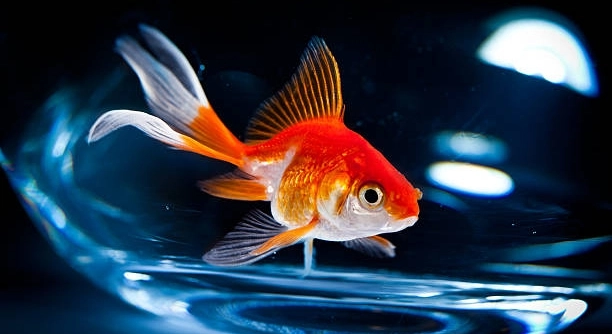
Goldfish are fascinating creatures, often displaying unique swimming patterns. One of the most intriguing behaviors is their tendency to swim side to side, which can leave owners wondering about its cause and significance.
Goldfish may swim side to side due to various factors, such as stress, swim bladder issues, or simply natural behavior. This movement is sometimes a sign of discomfort, but it can also be a normal swimming pattern depending on the environment.
Understanding the reasons behind this behavior is essential for maintaining your goldfish’s health.
Reasons for Side-to-Side Swimming in Goldfish
Goldfish typically swim side to side for a range of reasons, some of which are natural, while others may indicate underlying health issues. The behavior may simply be part of their regular swimming routine. Goldfish, being naturally active, move in different patterns throughout the day. However, side-to-side movement can also be linked to discomfort or an environmental factor, such as a small tank or water quality issues. If your goldfish seems otherwise healthy and active, this movement is likely just part of its swimming pattern. Still, it’s important to keep an eye on other signs to rule out health concerns.
If your goldfish only swims side to side occasionally and doesn’t show any other signs of distress, there’s probably nothing to worry about. However, constant or erratic swimming could signal stress or a physical issue, especially if paired with other behaviors.
Goldfish are highly sensitive to changes in their surroundings, such as changes in water temperature, pH, or the presence of aggressive tank mates. Ensure that your goldfish has a spacious tank with clean, well-maintained water. Stress is one of the most common causes of side-to-side swimming, which can be caused by overcrowding or improper tank conditions. A calm, clean environment helps minimize this behavior and allows your goldfish to swim comfortably.
Health Problems Linked to Side-to-Side Swimming
Another factor to consider is the possibility of physical health problems. Goldfish are prone to swim bladder disorders, which can affect their ability to maintain buoyancy. This can lead to unusual swimming patterns, including side-to-side motion. While this issue may resolve on its own, it’s important to monitor the fish for additional signs such as floating upside down or trouble reaching the bottom of the tank.
When a goldfish has swim bladder problems, it often struggles to stay balanced in the water, which can cause it to move erratically. The condition may result from overfeeding, a bacterial infection, or physical trauma. In some cases, goldfish that are fed too much or have difficulty digesting their food can develop swim bladder issues. A proper diet and routine water changes are important for preventing this problem. If symptoms persist, seeking advice from a vet specializing in fish can help.
Swim Bladder Disease and Side-to-Side Swimming
Swim bladder disease is one of the most common reasons for side-to-side swimming. This condition affects the fish’s ability to control its buoyancy, often leading to erratic movements. If your goldfish is struggling to maintain a stable position in the water, this could be the cause.
Swim bladder disease can be caused by a variety of factors, including overfeeding or constipation. In many cases, the fish may float at the surface or sink to the bottom of the tank. Overfeeding can lead to bloating, which puts pressure on the swim bladder and causes swimming issues. Additionally, a poor diet may lead to digestive problems, further contributing to the condition. Regularly monitoring your goldfish’s diet and ensuring it is fed the right amount can help prevent this disorder.
A simple fix for swim bladder issues includes fasting your goldfish for a day or two to help clear out any excess food or waste in its digestive system. Providing high-fiber foods like peas can also help with constipation, reducing pressure on the swim bladder and allowing the fish to regain proper buoyancy.
Stress-Induced Side-to-Side Swimming
Stress is another major factor that can cause goldfish to swim side to side. Changes in their environment, poor water conditions, or the presence of aggressive tank mates can all trigger stress and lead to abnormal swimming patterns.
When goldfish are stressed, they may swim erratically or aimlessly. They might also exhibit other behaviors such as hiding or excessive darting around the tank. Ensuring your goldfish has enough space and proper water conditions is vital to keeping stress levels low. Regular water changes, proper filtration, and the right tank size can make a significant difference in your goldfish’s comfort and well-being.
Aggressive tank mates can also contribute to stress-induced behavior. Goldfish are peaceful creatures, so keeping them with other non-aggressive species is essential for a calm tank environment. If your goldfish is showing signs of stress, consider rearranging the tank or removing any aggressive fish to create a more peaceful habitat.
Poor Water Quality and Side-to-Side Swimming
Goldfish are particularly sensitive to poor water conditions. Ammonia, nitrites, or low oxygen levels can cause stress, leading to side-to-side swimming. Regular water testing and maintenance are key to preventing these issues.
Maintaining proper filtration and performing routine water changes is essential. Without clean water, goldfish may exhibit abnormal behavior, including erratic swimming. It’s important to monitor water parameters regularly to ensure a healthy tank environment.
Tank Size and Swimming Behavior
A tank that is too small can lead to stress and limited swimming space. Goldfish require ample space to move freely, and a cramped environment can cause them to swim in circles or side to side.
If your tank is undersized, consider upgrading to a larger one to provide a more comfortable habitat. A spacious environment will allow your goldfish to swim naturally and reduce stress, leading to healthier and more stable swimming patterns.
FAQ
Why is my goldfish swimming sideways all the time?
If your goldfish is swimming sideways consistently, it could be due to a number of factors. Most commonly, swim bladder disease is to blame, as it affects buoyancy and balance. Overfeeding, constipation, or poor water quality may also contribute to this behavior. If the side-to-side swimming is persistent, it is important to check your water parameters and diet. Additionally, ensuring the tank is the right size and stressors are minimized will help alleviate this issue.
Can swim bladder disease go away on its own?
Swim bladder disease can sometimes resolve itself, but it depends on the underlying cause. If caused by constipation or overfeeding, giving your goldfish a short fasting period may help. You can also try feeding them a high-fiber food like peas to help relieve constipation. However, if the cause is bacterial or due to physical injury, the problem may require more intervention, such as medication. If symptoms persist, it’s best to consult with a vet who specializes in fish.
How can I prevent my goldfish from swimming sideways?
Preventing your goldfish from swimming sideways involves maintaining a healthy environment. Regularly test the water for ammonia, nitrites, and oxygen levels to ensure the tank’s conditions are optimal. Avoid overfeeding and make sure to feed your goldfish in moderation. Providing a spacious tank with minimal stressors and a proper filtration system also reduces the chances of side-to-side swimming.
How long can a goldfish live with swim bladder disease?
The lifespan of a goldfish with swim bladder disease depends on the severity of the condition and how it’s treated. If the issue is due to overfeeding or mild constipation, the goldfish can recover within a few days and return to normal behavior. However, if left untreated or caused by more serious underlying issues, it can lead to further health complications, which might shorten their lifespan. Early detection and proper treatment are key to ensuring your goldfish lives a long, healthy life.
Is it normal for a goldfish to swim sideways occasionally?
Goldfish may occasionally swim sideways, especially if they’re exploring their environment or simply shifting positions. However, if it happens frequently or becomes a dominant behavior, it could signal an underlying issue like swim bladder problems, stress, or water quality issues. If your goldfish occasionally swims sideways without showing any signs of discomfort, it’s generally not a cause for concern, but consistent behavior should be monitored.
What is the best food to prevent swim bladder problems in goldfish?
To prevent swim bladder issues, it’s important to provide a balanced diet. Overfeeding can lead to bloating, so ensure that you feed your goldfish the right amount of food. High-quality pellets or flakes designed for goldfish are ideal. Occasionally offering peas or other high-fiber foods can help maintain healthy digestion. Avoid overfeeding protein-rich foods, as they may contribute to constipation and worsen swim bladder problems.
Can goldfish recover from swim bladder disease without medication?
In some cases, goldfish can recover from swim bladder disease without medication, especially if it’s caused by constipation or overfeeding. A temporary fasting period, followed by feeding them high-fiber foods like peas, can often help clear up the issue. However, if the condition is due to a bacterial infection or a more serious physical problem, medication may be necessary. Always observe your goldfish closely and seek professional advice if the condition doesn’t improve.
Should I separate my goldfish if it is swimming sideways?
It is not always necessary to separate your goldfish if it is swimming sideways, especially if it’s not showing any signs of aggression or distress. However, if the sideways swimming is persistent, and you notice other fish bullying or stressing it, separating the goldfish into a quieter, more controlled environment may help. Make sure that the water quality in the tank is suitable for all your fish and that the tank size is appropriate to avoid stress-related issues.
How do I treat a goldfish with swim bladder disease at home?
At home, you can treat a goldfish with swim bladder disease by fasting it for 1-2 days to clear its digestive system. After the fasting period, you can feed it peas (with skins removed) or other high-fiber foods to aid in digestion. Ensure the tank water is clean and free of toxins, and check for any other signs of disease. If the goldfish’s condition doesn’t improve, you may need to seek professional help.
What water conditions should I maintain for my goldfish?
Maintaining ideal water conditions is essential for the health of your goldfish. The water temperature should be between 65-75°F (18-24°C). Keep the pH level around 7.0 to 8.4, and ensure ammonia and nitrite levels remain at zero. Regular water changes and good filtration help keep the water quality stable. Testing the water regularly and making adjustments as needed will help prevent stress and promote overall health.
Can goldfish swim in circles instead of side to side?
Goldfish may swim in circles if they are stressed, bored, or lacking space. Overcrowded tanks or tanks without enough hiding spots may make your goldfish feel trapped. Sometimes, they may swim in circles as a form of repetitive behavior. Ensuring your goldfish has adequate space, a balanced environment, and enrichment like plants or decorations can reduce this behavior. If the behavior persists, consider checking water quality and tank conditions for possible improvements.
Is it safe to use aquarium salt for swim bladder disease?
Aquarium salt can sometimes be used to treat mild cases of swim bladder disease, especially when caused by stress or constipation. Salt helps reduce swelling and improve the overall health of your goldfish. However, it’s important to follow proper dosing instructions, as too much salt can harm your goldfish. Always ensure the water is properly aerated when using salt to avoid oxygen deprivation, and consult a vet before proceeding with any treatment.
What should I do if my goldfish is swimming upside down?
If your goldfish is swimming upside down, this may indicate a more severe swim bladder issue, such as an infection or injury. Upside-down swimming is often a sign that the goldfish is struggling to maintain its buoyancy. In these cases, it’s essential to separate the fish into a quieter environment with stable water conditions. You can also try fasting and offering peas to relieve constipation. If the condition doesn’t improve, seek advice from a professional to rule out any serious health concerns.
Why does my goldfish swim to the surface constantly?
Frequent surface swimming can indicate several potential issues. If your goldfish is swimming to the surface and gasping for air, it may be experiencing oxygen deprivation due to poor water conditions. Alternatively, it may be a sign of swim bladder disease, especially if it has difficulty controlling buoyancy. Check the water quality immediately, ensure proper filtration, and consider increasing oxygenation. If the problem persists, take further steps to diagnose the condition.
Can temperature fluctuations cause goldfish to swim side to side?
Goldfish are sensitive to temperature fluctuations, and sudden changes in water temperature can cause stress. When the water temperature fluctuates, goldfish may exhibit abnormal swimming patterns, including side-to-side swimming. Keeping the tank at a stable, appropriate temperature can prevent this. Use a reliable aquarium heater to maintain the water temperature and avoid sudden shifts that could stress your goldfish.
Final Thoughts
Understanding why goldfish swim side to side can help address potential health concerns and ensure they live a long, healthy life. While side-to-side swimming can sometimes be a sign of stress, swim bladder issues, or poor water quality, it doesn’t always point to something serious. In many cases, simple changes like adjusting water conditions or reducing feeding can help correct the behavior. Monitoring your goldfish regularly and ensuring they have a suitable environment will minimize the risk of health problems.
However, if the side-to-side swimming persists or becomes more frequent, it’s important to look for other signs of illness, such as lethargy, loss of appetite, or abnormal buoyancy. Addressing these symptoms early is crucial for the well-being of your goldfish. Often, swim bladder disease can be managed with changes to diet or water conditions, but in some cases, further treatment or a visit to a fish vet may be necessary. Taking quick action can prevent the issue from becoming more serious.
Overall, paying attention to your goldfish’s behavior and providing the proper care is key to preventing and resolving side-to-side swimming. A clean tank, proper diet, and maintaining optimal water quality are the best ways to promote a healthy environment for your fish. With the right care, your goldfish will be able to swim happily and healthily for many years to come. Regular checkups and staying informed about their needs will ensure you are prepared to handle any issues that may arise.

Hello,
If you enjoy the content that we create, please consider saying a "Thank You!" by leaving a tip.
Every little bit helps us continue crafting quality advice that supports the health, happiness, and well-being of pets around the world, for pets of all shapes, sizes, and species.
We really appreciate the kindness and support that you show us!