
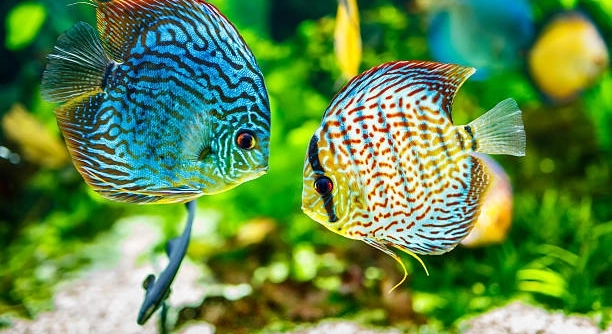
Discus fish are popular in aquariums because of their bright colors and graceful movements. Sometimes, these fish stop moving or seem inactive, which can be confusing for owners. Understanding why this happens is important for their care.
Discus may refuse to move due to stress, poor water quality, illness, or changes in their environment. These factors affect their health and comfort, causing them to reduce activity or hide to protect themselves.
Learning about these reasons helps ensure your discus stays healthy and active. This article will guide you through common causes and solutions for discus inactivity.
Common Causes of Inactivity in Discus
Discus fish often stop moving because of stress, which can come from many sources. Changes in water temperature or poor water quality are typical reasons. If the tank is too cold or has high ammonia levels, discus will become sluggish. Illness also plays a big role. Parasites, bacterial infections, or fungal issues can make them weak. Sometimes, discus just need time to adjust to a new tank or new tankmates. Overcrowding or aggressive fish nearby can scare them into hiding or staying still. Even sudden changes in lighting or loud noises around the tank can affect their behavior. It’s important to regularly test water conditions and observe your fish closely to catch problems early. Giving your discus a calm, clean environment helps them stay active and healthy.
Testing water quality and keeping the tank stable are key to preventing inactivity in discus.
Discus rely heavily on their environment to feel safe. Sudden changes in water chemistry or temperature can cause shock, making them freeze or hide. Illness might not always show clear symptoms immediately, but inactivity is often one of the first signs. When discus are stressed or sick, their immune system weakens, increasing vulnerability to disease. To help them recover, maintaining clean water, proper temperature, and a peaceful tank is essential. Feeding a balanced diet also supports their health. Watching for patterns in behavior and tank conditions can help you spot when something is wrong before it gets worse.
How to Encourage Movement in Discus
Providing a stable and comfortable tank environment encourages discus to move more.
When discus stay inactive, small changes can make a big difference. Keep water temperature steady between 82°F and 86°F, and avoid sudden shifts. Regular water changes and filtration ensure good water quality, reducing toxins that cause stress. Introduce plants or decorations for hiding spots, which make discus feel safe and less stressed. Feed them high-quality food in small amounts to keep their energy up. Also, avoid overcrowding by limiting the number of fish in the tank. Sometimes, simply dimming the lights or covering part of the tank can help discus relax and explore their surroundings. These simple steps often improve their activity and overall well-being.
Signs Your Discus May Be Stressed or Sick
Lethargy and hiding more than usual are common signs your discus might be stressed or ill. Loss of appetite and unusual swimming patterns also indicate trouble.
Stress weakens a discus’s immune system, making them more vulnerable to infections. When stressed, discus might stay still at the bottom or side of the tank. You may notice faded colors or clamped fins. Sometimes, they gasp for air near the surface, which can signal poor water quality or illness. Regularly watching for these signs helps catch problems early before they worsen. Prompt action can prevent serious health issues and improve your discus’s chances of recovery.
If your discus stops eating or shows white spots, it might have parasites or fungal infections. Early treatment with proper medication and improving tank conditions can help the fish recover. Avoid overcrowding and keep water parameters stable to reduce stress. Providing clean water and a quiet environment supports healing and encourages your discus to return to normal behavior.
Adjusting Tank Conditions to Improve Activity
Water temperature stability is vital for discus health and activity. Sudden changes can shock the fish and cause inactivity.
Maintain the water temperature between 82°F and 86°F for optimal discus activity. Use a reliable heater and thermometer to monitor this constantly. pH levels should stay between 6.0 and 7.0, and regular water changes help keep toxins low. Proper filtration and oxygenation are also important. Avoid placing the tank near windows or vents where temperature can fluctuate. Consistent conditions reduce stress and encourage natural movement. Small adjustments like dimming lights or adding plants provide a calming environment, which helps discus feel secure and more likely to swim around the tank.
Feeding Habits Affect Movement
Discus that are not eating well may become less active. Poor appetite often leads to low energy and reduced movement.
Feeding small amounts several times a day with a varied diet helps maintain their energy. High-quality flakes, pellets, and frozen foods keep discus healthy and active.
Impact of Tankmates on Discus Behavior
Aggressive or overly active tankmates can cause stress, making discus hide or stay still. Peaceful companions create a better environment for movement.
Choosing compatible fish that don’t compete for space or food helps discus feel secure. This reduces stress and encourages natural activity.
Monitoring Water Quality Regularly
Regular testing of water parameters like ammonia, nitrite, and nitrate levels is essential. Poor water quality can quickly cause discus to become inactive.
Avoiding Overcrowding
Too many fish in one tank increases stress and reduces swimming space. This can cause discus to stop moving and hide more often.
FAQ
Why do discus sometimes refuse to move even when everything seems fine?
Discus fish may appear still because they are conserving energy or feeling stressed even if the tank looks good. Subtle issues like minor water quality changes, unseen illness, or discomfort with tankmates can cause inactivity. They might also be resting or adjusting to new surroundings. Keeping a close eye on their behavior and environment helps identify hidden problems early.
How long can discus stay inactive before it becomes a problem?
If discus remain inactive for more than a day or two, it usually signals stress or health issues. Short periods of stillness are normal, especially after changes in the tank. But extended inactivity combined with loss of appetite or hiding is a sign that something needs attention, like water tests or checking for disease.
Can poor water quality make discus stop moving?
Yes, poor water quality is a common reason discus become sluggish. High ammonia, nitrite, or nitrate levels are toxic and cause stress or illness. Low oxygen or incorrect pH levels also impact their activity. Regular water testing and maintenance keep the tank healthy and discus moving.
What are common illnesses that cause discus to become inactive?
Parasites, bacterial infections, and fungal diseases often cause lethargy in discus. Signs include clamped fins, white spots, or unusual swimming. Early treatment with medication and improving tank conditions can help recovery. Ignoring these signs can lead to serious health problems.
Can discus stop moving due to stress from other fish?
Yes, aggressive or overly active tankmates can stress discus, making them hide or stay still. Stress weakens their immune system and lowers activity. Choosing peaceful companions and providing hiding spaces helps discus feel safe and encourages normal movement.
How does temperature affect discus activity?
Discus prefer warm, stable water between 82°F and 86°F. Cooler or fluctuating temperatures slow their metabolism and cause inactivity. Sudden drops can shock them, leading to hiding or freezing in place. Using a heater and monitoring temperature regularly is important.
Is it normal for discus to rest or stay still sometimes?
Yes, discus do rest like other fish and may stay still for short periods. This is normal behavior, especially during nighttime or after feeding. Problems arise when inactivity is long-lasting or accompanied by other signs like poor appetite or color fading.
How can I encourage my discus to move more?
Maintain stable water conditions, keep the tank clean, and provide a calm environment with plants and hiding spots. Feed a varied diet in small portions several times daily. Avoid overcrowding and aggressive tankmates. These changes help reduce stress and encourage activity.
Can diet impact discus movement?
Yes, poor diet leads to low energy and inactivity. Feeding high-quality food like pellets, flakes, and frozen items ensures discus get the nutrients they need. Avoid overfeeding or underfeeding, as both affect health and movement.
What should I do if my discus refuses to move and won’t eat?
Test water quality first and correct any issues. Observe for signs of illness and consider consulting a vet or fish expert. Isolate sick fish if needed and provide medication. Keep the tank environment calm and stable to support recovery. Prompt action is key.
Discus fish are beautiful and sensitive creatures that sometimes stop moving for various reasons. Their inactivity can be caused by stress, illness, or changes in their environment. Understanding why discus behave this way is important for keeping them healthy and happy. Many factors affect their movement, including water quality, tankmates, temperature, and feeding habits. When discus refuse to move, it is often a sign that something needs attention. Taking time to watch their behavior closely helps catch problems early before they become serious.
Keeping the tank clean and stable is one of the best ways to prevent discus from becoming inactive. Regular water tests and changes help maintain good water quality. Stable temperature and proper pH levels also play a big role in their well-being. Choosing peaceful tankmates and providing enough space reduces stress. Feeding discus a balanced diet in small amounts several times a day supports their energy and activity. Small changes like adding plants or dimming lights can make a big difference in helping discus feel safe and comfortable in their environment.
If discus do stop moving for longer periods or show other signs like loss of appetite or faded colors, it is important to act quickly. Illness can cause inactivity, and early treatment increases the chances of recovery. Keeping the tank environment calm and consistent supports healing. Sometimes, small adjustments in care make discus more active and healthier. Watching your fish regularly and learning what is normal for them helps you provide the best care. With attention and patience, you can help your discus stay lively and enjoy their beautiful presence in your aquarium.

Hello,
If you enjoy the content that we create, please consider saying a "Thank You!" by leaving a tip.
Every little bit helps us continue crafting quality advice that supports the health, happiness, and well-being of pets around the world, for pets of all shapes, sizes, and species.
We really appreciate the kindness and support that you show us!