
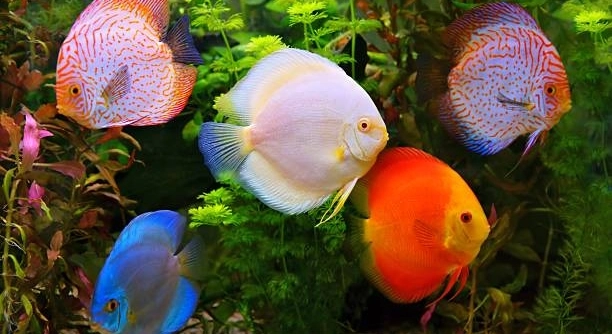
Do you ever find yourself puzzled when your discus fish seem to lose interest in caring for their tiny fry?
Discus sometimes ignore their fry due to stress, environmental imbalances, or inexperience. These factors can disrupt their natural parenting instincts, causing them to abandon or even eat their young, especially in captive conditions.
Learning why this happens can help improve your discus care routine and create a more stable environment for breeding success.
Common Reasons Why Discus Ignore Their Fry
Stress is one of the biggest reasons discus stop caring for their fry. Loud noises, tank disturbances, or sudden changes in lighting can upset them. When discus feel unsafe, their natural instincts to protect and nurture their fry can fade. Another cause is poor water quality. Discus are sensitive, and even slight changes in pH or ammonia levels can throw them off balance. Inexperience also plays a part. Young or first-time pairs often fail to understand how to care for their fry. Sometimes they spawn too soon or fail to recognize their fry as their own. Overcrowding or aggressive tank mates can also lead to fry abandonment. These conditions make it harder for discus to focus on parenting. Lastly, lack of proper nutrition before and after spawning can affect their energy and behavior. Balanced feeding is essential for keeping discus healthy and capable of caring for their young.
Many discus may need multiple spawning attempts before becoming reliable caregivers.
If your discus are ignoring their fry, it doesn’t always mean something is wrong with them. In many cases, it simply takes time for them to learn. By observing their behavior and making small adjustments, you can create a calm and stable tank that encourages better parenting. Watch for environmental stressors like noisy rooms, sudden temperature swings, or bright lights. Reduce tank traffic and limit handling during breeding times. Provide balanced nutrition with protein-rich foods like blackworms or brine shrimp. Clean water is also critical, so regular monitoring and water changes can make a big difference. Separating breeding pairs into a dedicated tank can help reduce distractions and competition. Some breeders also lower the water level slightly to keep fry closer to their parents. If the pair continues to struggle, you might try raising the fry artificially, although this can be time-consuming. Overall, patience and small changes are often enough to see improvement.
Encouraging Healthy Parenting Behavior
Raising fry successfully starts before the eggs are even laid. Healthy discus need time to bond, rest, and eat well.
To support good parenting behavior, focus on maintaining a calm and quiet tank environment. Avoid sudden changes in light or temperature. Use a sponge filter to reduce water movement, which helps fry stay near the parents. Feed breeding pairs a varied diet rich in nutrients to support spawning and recovery. Keep the tank clean by performing regular water changes and checking pH and ammonia levels frequently. Pairing discus in a separate breeding tank with minimal distractions also encourages stronger parenting instincts. Once eggs hatch, reduce feeding amounts slightly to limit waste while ensuring both parents remain nourished. Discus often communicate with their fry through body movements and skin mucus, so keeping the water clean helps this natural process. Over time, consistency and care lead to more successful outcomes. Most discus improve with experience, so gentle support often yields the best results.
How Tank Conditions Affect Parenting
Water quality plays a big role in discus behavior. When ammonia, nitrite, or pH levels are off, discus often stop caring for their fry. Clean, balanced water keeps them calm and better able to focus on raising their young.
Discus need stable conditions to parent properly. Temperature should stay between 82–86°F, and pH should be slightly acidic, around 6.0–6.5. Frequent water changes—without sudden shifts—help maintain balance. Using a heater with a thermostat reduces risks of temperature swings. Lighting should be soft and consistent; bright lights or long periods of darkness can stress the pair. Avoid placing the tank near noisy areas or high foot traffic. Use a bare-bottom tank for easier cleaning and to reduce bacteria. A sponge filter is ideal, as it keeps water gentle and free from debris. These steps help discus feel secure and more likely to engage with their fry.
Tank size and layout also matter. A breeding tank should be at least 20 gallons to give the pair enough space without overwhelming them. Avoid decorations or sharp objects that could distract or harm fry. A simple setup with a vertical spawning surface like a cone or pipe works well. Keep the tank in a quiet room where they won’t be startled. Discus need calm surroundings to feel confident enough to protect and nurture their offspring. Limit visitors during the breeding period and try not to interfere unless necessary. Stability and peace encourage natural behavior. Even small stressors, like frequent lid openings, can disrupt their attention and lead to fry neglect.
Nutrition and Its Role in Parental Care
Discus that aren’t well-fed may lack the energy or stability to parent properly. A varied diet ensures they have the strength to spawn and care for their young. Feeding them just flakes or pellets isn’t enough.
Before and after spawning, discus need protein-rich foods like blackworms, beef heart, or frozen bloodworms. This helps with hormone production and keeps their energy levels high. Feed small portions two to three times a day, and remove leftovers to avoid water pollution. Add in vitamin-enriched pellets or live foods occasionally to support overall health. After hatching, parents secrete a mucus on their skin to feed fry. A strong, healthy diet helps produce this mucus, which is critical in the first few days. Poor feeding weakens this natural process, leading parents to abandon fry earlier. Keeping the pair in good condition increases the chance they’ll raise their fry successfully, especially over repeated spawnings.
When Inexperience Plays a Role
Young discus often don’t know how to care for their fry right away. They might eat the eggs or ignore the fry without meaning to. Over time, many pairs improve with repeated spawning attempts.
It’s common for the first few spawns to fail. Patience and consistency can help the pair learn.
Adjustments That May Help
If your discus keep ignoring fry, try moving them to a quiet breeding tank. Reduce light levels and avoid sudden changes in their routine. Keep the water clean and feed them a high-protein diet to boost energy and health. If parenting still doesn’t improve, consider raising the fry separately. A gentle air stone and sponge filter setup can support fry without parents. Use fry food like powdered flakes or baby brine shrimp. Not every pair becomes good parents, but with the right care, many do eventually learn. Give them time, space, and support when possible.
Understanding Individual Differences
Some discus simply aren’t suited for parenting. Even healthy pairs with ideal conditions may never raise fry. Each pair is different.
FAQ
Why do my discus keep eating their eggs?
Discus often eat their eggs when they feel threatened, stressed, or unsure of their environment. This behavior is common in first-time parents. If the tank is too noisy, has poor lighting, or water conditions aren’t stable, they may eat the eggs to prevent what they perceive as a failed spawn. Even experienced pairs might do this if the environment changes suddenly. Giving them a calm, separate breeding tank can help reduce this problem over time. Try not to disturb them during spawning. Keeping stress low makes a big difference.
How many times will discus spawn before they get it right?
There’s no set number. Some discus pairs learn within a few tries, while others may take ten or more spawns to care for fry properly. In some cases, they may never fully take on the parenting role. The key is consistency. Provide clean water, a quiet tank, and good food. As they gain experience, many pairs begin to recognize the fry and act more protectively. Allowing the same pair to bond and remain together long-term can help them settle into their role as parents more naturally.
Can I separate the fry and raise them myself?
Yes, you can. If the parents continue to ignore or eat the fry, raising them separately is a practical option. After hatching, move the fry to a clean tank with a sponge filter and gentle aeration. Keep the temperature around 84–86°F. Feed them baby brine shrimp or a fine powdered food designed for fry. Make sure to do daily small water changes to keep the tank clean. Raising fry by hand takes more work, but it gives them a chance to grow even if the parents don’t help.
How do I know if the water conditions are good enough for breeding?
Discus need soft, slightly acidic water for breeding—usually with a pH between 6.0 and 6.5. Keep the temperature steady at around 82–86°F. Ammonia and nitrite levels should always be zero, and nitrates should be kept low. Using a water test kit can help you monitor everything. If values shift too much or too quickly, it can disrupt breeding behavior. Performing regular, small water changes helps maintain balance. Always match the temperature and pH of the new water to the tank water as closely as possible.
Do all discus show strong parenting instincts?
No, not all discus develop strong parenting behavior. Some pairs are naturally more attentive than others. While many improve over time, a few never become consistent caregivers, even with ideal conditions. This is often due to personality or breeding history. Some fish from highly selected strains may lose natural instincts after generations in captivity. If parenting doesn’t improve after many tries, you can choose to raise the fry yourself or try a new pair. It’s important not to force progress—some discus just aren’t meant to raise fry.
What can I feed the parents to help improve their behavior?
High-protein and vitamin-rich foods help discus stay healthy and more likely to parent. Good options include blackworms, frozen bloodworms, beef heart mixes, and high-quality pellets. You can also add garlic or vitamin supplements to boost their immune system and encourage stronger energy levels. Feeding should be done two to three times daily in small amounts. Avoid overfeeding, as leftover food can pollute the water. When parents feel well-fed and strong, they’re more likely to behave calmly and stay focused on their fry.
Why do discus sometimes ignore the fry after hatching?
Once fry hatch, they cling to surfaces for a few days before swimming freely. Parents may seem to ignore them during this stage, but that’s not always a problem. If they’re staying nearby and not showing aggression, they may just be waiting for the fry to attach. When the fry start swimming, they usually gather around the parents and feed on their skin mucus. If the parents swim away, act nervous, or seem disinterested, it could be due to stress or inexperience. Repeated spawns can help develop stronger connections.
Is it safe to keep breeding pairs in a community tank?
It’s not ideal. While some pairs may spawn in community tanks, the presence of other fish usually causes too much stress. Other fish might eat the eggs or fry, and the parents may become overly defensive or abandon their young. A breeding tank gives the pair space, quiet, and fewer distractions. If you want to increase your chances of success, moving the pair to a separate tank with controlled conditions is best. It doesn’t have to be fancy—just clean, stable, and peaceful.
Final Thoughts
Caring for discus and encouraging them to raise their fry can be a slow and sometimes frustrating process. Not all pairs will get it right the first time, and some may never fully develop strong parenting instincts. This doesn’t always mean something is wrong. In many cases, it just takes time, patience, and consistency. The more chances a pair has to practice in a calm and stable environment, the more likely they are to succeed. Understanding that this behavior is natural—even when it feels disappointing—can help ease the stress of the process. It’s important to focus on what you can control: water quality, tank setup, nutrition, and overall stability.
Every pair is different, and there’s no single solution that works for all. Some discus naturally take on the role of caring for their young, while others need more guidance and experience. Giving them space, peace, and proper food often makes a noticeable difference over time. Sometimes separating them into a quiet breeding tank is enough to change their behavior. Other times, you may need to step in and raise the fry yourself. While that can be more time-consuming, it’s still a valid and successful method many breeders use. Being flexible and observant helps you respond to each pair’s unique needs. Keep track of what works and adjust slowly to avoid stressing the fish.
Staying patient and consistent will bring better results than trying to rush the process. Small improvements in tank conditions, feeding habits, and stress reduction often lead to better outcomes over time. If a pair continues to ignore their fry after many attempts, it may be time to try a different pair or accept that not all discus will be active parents. That’s okay. The overall goal is to keep your fish healthy and give them the best chance to thrive—whether that includes parenting or not. Watching them grow, learn, and sometimes even surprise you with their progress can be one of the most rewarding parts of discus care. Stay steady with your routine, pay attention to their behavior, and keep learning as you go.

Hello,
If you enjoy the content that we create, please consider saying a "Thank You!" by leaving a tip.
Every little bit helps us continue crafting quality advice that supports the health, happiness, and well-being of pets around the world, for pets of all shapes, sizes, and species.
We really appreciate the kindness and support that you show us!