
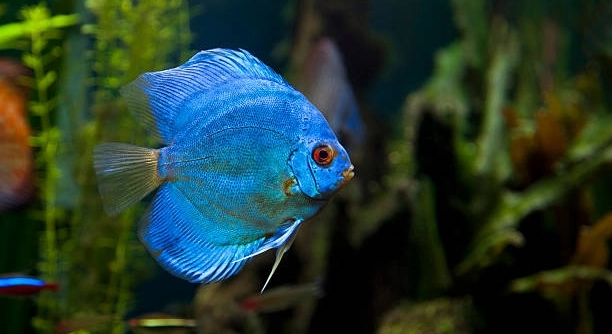
Discus fish are known for their striking appearance and graceful movements. One behavior that often catches attention is how frequently they fan their gills. This action is common in aquariums and natural habitats alike.
Discus fish fan their gills primarily to increase oxygen intake and improve water flow over their gill surfaces. This behavior helps them regulate respiration efficiently, especially in environments where oxygen levels may vary or when they feel stressed.
Understanding why discus fish exhibit this gill-fanning behavior can help aquarium enthusiasts create better living conditions. The following information will clarify the reasons and guide proper care techniques.
Why Discus Fish Fan Their Gills Frequently
Discus fish fan their gills to help with breathing and maintaining comfort in their environment. When oxygen levels in the water drop or the water flow slows, they increase gill movement to get enough oxygen. This behavior also helps to clear debris from their gill surfaces, keeping them clean and functional. Sometimes, stress causes discus to fan their gills more often, especially if the tank conditions are not ideal. Factors like water temperature, ammonia levels, and overcrowding can make breathing harder for them, prompting more frequent gill movement. Observing this behavior can be a useful indicator of water quality and fish health. Maintaining stable conditions in the aquarium reduces the need for excessive gill fanning.
Regular monitoring of water parameters is essential to keep discus fish comfortable. Well-oxygenated water and proper filtration minimize gill-fanning behavior.
Gill fanning also plays a role in communication and displaying dominance. Some discus fish fan their gills to show strength or ward off other fish in the tank. This social aspect is important in group dynamics and establishing territory. In healthy, calm conditions, gill fanning is usually steady and not overly rapid. Excessive gill movement often signals environmental stress or health problems, requiring prompt attention.
Impact of Tank Conditions on Gill Fanning
Discus fish are sensitive to changes in water quality and temperature. These factors directly affect how often they fan their gills.
Poor water quality lowers oxygen availability, making it harder for discus to breathe. High ammonia or nitrite levels irritate their gills, causing increased movement as they try to cope. Warm water holds less oxygen, so elevated temperatures raise their need to fan gills more often. Low water circulation limits oxygen delivery, forcing discus to work harder to breathe. Overcrowding adds to oxygen demand, pushing fish to fan gills frequently.
Regular water testing and proper maintenance reduce stress on discus fish. Using aerators or increasing water flow improves oxygen levels. Keeping water temperature stable and within ideal ranges ensures healthy respiration. Adjusting tank population prevents excessive oxygen competition. Together, these measures create an environment where discus fish can breathe easily and display normal gill-fanning behavior, leading to healthier, happier fish.
How Stress Affects Gill Fanning
Stress can significantly increase how often discus fish fan their gills. When they feel threatened or uncomfortable, their breathing rate rises to supply more oxygen. Common causes of stress include sudden changes in water conditions, aggressive tank mates, and inadequate hiding places.
In stressful situations, discus fish show more rapid gill movement because their metabolism speeds up. This requires extra oxygen to support heightened activity. Stress also weakens their immune system, making them more vulnerable to infections. If gill fanning becomes excessive or paired with other signs like lethargy or loss of appetite, it indicates a problem. Managing stress factors helps reduce unnecessary gill movement and supports overall health.
Providing a calm, stable environment with proper tank mates and enough plants or decorations for hiding lowers stress levels. Regular water changes and gentle handling are also important to keep discus comfortable and breathing normally.
Signs That Gill Fanning May Indicate Health Issues
Persistent or intense gill fanning often points to health concerns rather than just environmental factors. It can signal infections, parasites, or gill damage that interfere with normal breathing. Other symptoms may include swollen gills, discoloration, or mucus buildup. These conditions require immediate attention to prevent further harm.
Illnesses like bacterial gill disease or parasitic infestations make oxygen exchange difficult, forcing fish to fan gills more to compensate. Early detection improves treatment success. Quarantining affected fish and using appropriate medications can control infections. Regular observation helps catch problems before they worsen, ensuring discus maintain healthy respiration and behavior.
Proper Tank Maintenance to Reduce Gill Fanning
Regular tank maintenance helps keep oxygen levels stable and reduces gill-fanning behavior. Cleaning filters and performing water changes remove harmful waste and toxins. Monitoring water temperature and chemistry also prevents sudden changes that stress discus fish.
Consistent maintenance supports healthy gill function and overall fish well-being, making breathing easier.
Choosing the Right Plants and Decorations
Aquatic plants and decorations improve water quality by increasing oxygen and providing shelter. Live plants produce oxygen during photosynthesis, which benefits discus fish. Decorations create hiding spots, reducing stress and calming the fish.
Selecting suitable plants and arranging decor thoughtfully enhances the tank environment and supports normal gill movement.
Adjusting Water Flow and Aeration
Moderate water flow encourages proper oxygen exchange without overwhelming discus fish. Using gentle filters and adjustable aeration helps maintain balanced water movement. Excessive currents can cause stress, while stagnant water reduces oxygen levels.
Fine-tuning water circulation is essential for keeping discus comfortable and minimizing gill-fanning behavior.
Feeding and Its Effect on Gill Movement
Overfeeding leads to poor water quality, increasing ammonia and reducing oxygen. This forces discus to fan gills more frequently. Feeding an appropriate diet in measured amounts prevents water contamination.
Balanced feeding routines promote better water conditions and healthier breathing patterns in discus fish.
FAQ
Why do discus fish fan their gills more at night?
Discus fish sometimes fan their gills more at night due to lower oxygen levels in the water. As plants stop photosynthesizing in the dark, oxygen production decreases. This causes fish to breathe harder to meet their oxygen needs. Ensuring good aeration and water circulation at night helps reduce this behavior.
Is frequent gill fanning always a sign of illness?
Not always. While increased gill fanning can indicate health issues, it often results from environmental factors such as low oxygen, poor water quality, or stress. Observing other symptoms like changes in color, appetite, or activity helps determine if illness is involved.
Can overcrowding cause discus to fan their gills more?
Yes, overcrowding increases competition for oxygen and raises waste levels, both causing discus to fan their gills more often. Maintaining a proper stocking density ensures enough oxygen and space for each fish to breathe comfortably.
How can I tell if gill fanning is normal or a problem?
Normal gill fanning is steady and relaxed. Rapid or excessive movement, especially if combined with gasping at the surface, indicates stress or health problems. Watching for other signs like lethargy or visible gill damage helps assess the situation.
Does water temperature affect gill fanning?
Water temperature influences oxygen availability. Warmer water holds less oxygen, so discus in warm tanks may fan their gills more to get enough air. Keeping the temperature stable between 82-86°F is ideal for reducing gill stress.
Are there specific tank setups that help reduce gill fanning?
Yes. Tanks with good filtration, adequate aeration, and gentle water flow support healthy respiration. Live plants improve oxygen levels. Providing hiding spots lowers stress, which also decreases gill-fanning frequency.
Can diet impact gill-fanning behavior?
An improper diet can affect water quality if uneaten food decomposes, lowering oxygen and raising toxins. Feeding high-quality food in appropriate amounts helps keep the tank clean and supports normal breathing.
What should I do if my discus fish fans its gills excessively?
First, test water parameters for oxygen, ammonia, nitrites, and temperature. Improve aeration and water flow if needed. Look for signs of illness and isolate sick fish for treatment. Addressing the cause early prevents serious health problems.
Do discus fish fan their gills during breeding?
Yes, breeding discus may fan their gills more due to increased activity and stress. This behavior helps supply extra oxygen needed during this demanding time.
Can gill fanning be a form of communication?
In some cases, discus fish use gill fanning to show dominance or establish territory. It signals strength to other fish and plays a role in social interactions.
How often should I perform water changes to reduce gill fanning?
Weekly water changes of 25-30% help maintain water quality and oxygen levels. Regular changes remove waste buildup and keep parameters stable, reducing stress-related gill movement.
Is it possible for poor water quality to cause permanent gill damage?
Yes, prolonged exposure to toxins like ammonia can damage gill tissues. This reduces their ability to absorb oxygen, causing chronic gill-fanning and respiratory distress. Prompt maintenance and treatment prevent lasting harm.
Are there signs that gill fanning is caused by parasites?
Parasite infections may cause frequent gill movement combined with scratching, flashing, or labored breathing. Microscopic examination or professional diagnosis confirms parasitic presence for proper treatment.
Can adding air stones help with gill-fanning issues?
Air stones increase oxygen levels by improving surface agitation and aeration. They are useful in tanks with low oxygen or poor circulation, helping discus fish breathe easier and reducing excessive gill fanning.
How does stress from handling affect gill fanning?
Handling or sudden movements cause stress, which raises metabolic rate and oxygen demand. This leads to increased gill fanning. Minimizing disturbances and gentle care help keep discus calm and breathing normally.
Final Thoughts
Discus fish fan their gills for many reasons, mostly related to their breathing needs and environmental conditions. It is a natural behavior that helps them get enough oxygen from the water. However, when gill fanning becomes excessive or frequent, it often signals that something in their environment is not quite right. Factors such as water quality, temperature, tank population, and stress levels all play a part in how much a discus fish needs to fan its gills. Paying close attention to these details helps maintain a healthy environment where your fish can thrive with normal breathing patterns.
Maintaining good water quality is one of the most important steps to reduce unnecessary gill fanning. Regular water changes, proper filtration, and testing water parameters like ammonia, nitrites, and oxygen levels are essential. Keeping the water temperature stable within the ideal range for discus fish also supports proper respiration. In addition, making sure the tank is not overcrowded prevents competition for oxygen and reduces stress among fish. Proper aeration and moderate water flow improve oxygen availability, helping discus fish breathe more easily. The right balance of plants and decorations creates a calm environment, lowering stress and promoting normal behavior.
It is also important to watch your discus fish closely for signs of illness or distress. Changes in gill movement, breathing rate, or physical appearance may indicate infections, parasites, or gill damage. Prompt action, such as improving water quality or seeking treatment, helps prevent more serious health problems. Stress can come from many sources, including aggressive tank mates, poor diet, or sudden changes in the tank. Managing these factors keeps discus fish comfortable and healthy. Understanding why discus fish fan their gills helps you provide better care, ensuring their well-being and a more enjoyable aquarium experience.

Hello,
If you enjoy the content that we create, please consider saying a "Thank You!" by leaving a tip.
Every little bit helps us continue crafting quality advice that supports the health, happiness, and well-being of pets around the world, for pets of all shapes, sizes, and species.
We really appreciate the kindness and support that you show us!