
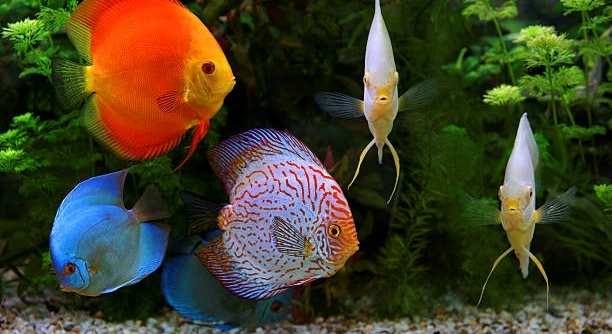
Do your discus fish spend most of their time huddled around the aquarium heater, even when the rest of the tank is calm?
Discus fish often stay near the heater because they require consistently warm water temperatures to stay healthy. When the tank’s ambient temperature drops, they instinctively gather near the heater to regulate their body temperature and avoid stress.
This behavior can reveal much about your tank’s environment and overall setup. Understanding the cause helps you create a more stable, comfortable space for your discus.
Why Temperature Matters to Discus
Discus fish are tropical by nature, meaning they need consistently warm water to thrive. Their ideal temperature range is between 82°F and 86°F. If the water temperature drops below this range, their metabolism slows down, making them more prone to illness and stress. Unlike some hardy fish that can tolerate fluctuations, discus are sensitive and react quickly to cooler water. When temperatures are uneven throughout the tank, the area near the heater becomes the most comfortable spot. This is why they often cluster there. It helps them stay warm and feel secure. A stable temperature allows for proper digestion, movement, and color development. Poor temperature control can lead to infections, reduced appetite, and sluggish behavior.
Discus tend to seek out warm areas when the tank is not heated evenly. It’s their way of finding comfort and maintaining normal activity.
Keeping the heater positioned correctly and checking water circulation can make a big difference. Uneven heating often results from low water flow or poor placement of equipment. Place the heater near a filter outlet to allow better distribution of warmth throughout the tank. Adding an extra thermometer can also help track temperatures in different areas. Use a thermometer that gives constant readings so you can make adjustments if needed. Sudden temperature changes during water changes should also be avoided. Always match new water to the tank’s temperature beforehand. Discus are peaceful but can show signs of discomfort quickly, so taking steps to maintain an even, warm environment helps them thrive without needing to hover near the heater constantly.
How Tank Setup Affects Behavior
Tank setup affects temperature distribution, which influences where discus choose to stay. Poor water flow or low-quality equipment can make one area warmer than the rest.
A good setup helps maintain a consistent temperature throughout the tank. Use an internal or external filter that circulates water evenly. Placing the heater horizontally near the bottom, close to the filter, can keep warmth from rising too quickly and leaving the lower levels cold. For larger tanks, consider using two smaller heaters placed at opposite ends. This reduces the risk of hot and cold zones forming in the tank. Decor like large plants or rocks can also block circulation, so be careful not to overfill or crowd the space. Regularly check that your heater is functioning and sized correctly for your tank’s volume. A small heater in a big tank won’t provide enough warmth. When setup is done correctly, discus will move freely throughout the tank, not just stay near the heater.
Common Signs of Temperature Stress
Discus that hover near the heater for long periods may be reacting to cooler areas in the tank. You might also notice them becoming less active, refusing food, or showing darker coloration than usual.
Temperature stress affects their immune system, leaving them vulnerable to infections like ich or fin rot. Gasping near the surface, staying in one spot, or sudden hiding are also signs that something isn’t right. If these behaviors appear after a water change or during seasonal shifts, temperature should be the first thing you check. Always monitor tank levels using a reliable digital thermometer. Physical signs such as clamped fins, pale coloring, or loss of balance can show up quickly in unstable conditions. Taking early action helps avoid long-term issues that could be harder to treat. Consistency is key in discus care, especially when it comes to maintaining heat.
Stress from temperature issues doesn’t always show up right away. Some discus may remain active but start losing color or become more aggressive. Watch how they interact with each other and with the tank environment. Sudden changes in behavior often mean something is off. If one side of the tank is cooler, they’ll gather where it’s warmest. This can lead to uneven distribution and stress from overcrowding in a small space. Gradual temperature drops, like those caused by faulty heaters, can be hard to notice until your fish are already affected. That’s why routine equipment checks are important. Prevention is much easier than recovery when it comes to discus health.
Preventing the Problem Early
Prevention starts with maintaining stable water temperature using properly placed heaters and strong water circulation. Avoid drastic temperature drops during water changes by always matching the new water temperature before adding it to the tank.
Use equipment rated for your tank size, and don’t rely on a single thermometer to monitor your setup. Having a backup heater and extra thermometer provides more control and peace of mind. When placing your heater, try putting it near the filter outlet so warm water spreads more evenly. For larger tanks, two heaters can help avoid cold zones. Make sure your filter is not blocked by plants or decor that may disrupt circulation. Test the temperature in multiple spots across the tank regularly. Early adjustments can stop small problems from becoming stressful for your discus. Stable conditions reduce their need to cluster around the heater and help them stay active, healthy, and more comfortable.
Heater Placement Tips
Place the heater near the filter output to help circulate warm water evenly across the tank. Avoid placing it in corners or blocked areas, as this can cause heat to stay localized and create uneven temperatures.
Position the heater horizontally near the bottom for better heat distribution. Make sure plants or decor do not block the flow of warm water. Always double-check the placement during water changes or tank cleaning, as slight shifts can affect performance.
When to Check Your Equipment
Check your heater and thermometer at least once a week to make sure everything is running correctly. Faulty or underpowered heaters can go unnoticed until the fish show stress. Replace old equipment before it fails, especially during colder months. If your discus stay near the heater even after adjustments, recheck temperature readings in different areas of the tank. Watch for signs like changes in behavior, color, or appetite. Make sure your heater is strong enough for the tank size, and confirm that the filter isn’t blocked. Equipment maintenance is simple but important in keeping your discus healthy.
Monitoring Behavior Over Time
Paying attention to small changes in behavior helps you notice temperature issues early. Consistent observation makes it easier to fix problems before they affect your discus’ health.
FAQ
Why do discus always stay near the heater even when the tank temperature looks fine?
If your discus are staying near the heater even when the temperature seems normal, it usually means the heat is not evenly spread throughout the tank. The water near the heater may be warmer than the rest of the tank, especially if your circulation is weak. Thermometers can sometimes give readings from just one spot, which doesn’t reflect the full tank’s conditions. Try placing a second thermometer on the opposite side of the tank to compare temperatures. Poor circulation or blocked water flow from plants, decorations, or a weak filter often causes cold zones.
How warm should discus tank water be?
Discus prefer water between 82°F and 86°F. Anything lower can cause stress or weaken their immune systems. Keeping the temperature stable is just as important as keeping it warm. Sudden drops or rises, even by just a few degrees, can affect their appetite, behavior, and overall health. Use a reliable heater and digital thermometer. Double-check that the heater is powerful enough for your tank size. For example, a 50-watt heater isn’t enough for a 55-gallon tank. Using two smaller heaters at opposite ends of a large tank works better than one large heater in one spot.
Is it normal for discus to huddle together near the heater?
It can be normal behavior during temporary changes like water changes or cold room temperatures. However, if your discus are always gathered near the heater, it usually means the rest of the tank isn’t warm enough. Constant clustering can lead to overcrowding and stress. It’s a sign your tank may have temperature inconsistencies that need fixing. Check your heater placement, circulation, and make sure the entire tank is evenly warm. Watch for other symptoms too, like dull color or refusal to eat. These signs help confirm that it’s more than just temporary behavior.
Can poor heater quality affect discus health?
Yes, poor quality heaters often provide inconsistent heating or fail without warning. This can lead to temperature drops that stress your discus and increase their risk of illness. In some cases, bad heaters can overheat the tank, which is just as harmful. Always use a trusted brand and check reviews before buying. Consider models with built-in thermostats or external controllers for better accuracy. If your heater has been in use for a long time, test it with a separate thermometer to confirm it’s still accurate. Replacing an aging heater can prevent problems before they start.
What’s the best way to circulate heat in the tank?
Use your filter to move the warm water throughout the tank. Position your heater near the filter’s outflow to allow the warm water to spread. If your tank is large, install a small circulation pump or powerhead to keep the water moving. Avoid placing the heater behind decorations or plants that block flow. Even in a small tank, stagnant water can create cold spots. Test different areas of the tank with a thermometer to see if the temperature is stable throughout. Even heating keeps your discus from clustering in one spot and reduces long-term stress.
Should I leave the heater on all the time?
Yes, the heater should remain on at all times to maintain a steady temperature. Discus do not tolerate fluctuations well. Turning off the heater at night or during the day can cause stress and make them more vulnerable to diseases. A properly working heater will only turn on when needed, so leaving it plugged in ensures the water stays within the right range. Use a thermometer that provides constant readings, and place it away from the heater to track the general tank temperature. Always double-check that your heater’s thermostat is functioning as expected.
What can I do during cold weather to help my discus?
During colder seasons, room temperature drops can cause your tank temperature to fall. To prevent this, make sure your tank has a tight-fitting lid to reduce heat loss. Insulating the back or sides of the aquarium with foam or thick paper can help retain warmth. Use a room heater if your space gets too cold. Always match water temperature during water changes, especially in winter. Cold tap water can shock your fish if added too quickly. Keep an eye on your thermometer more frequently during these months and consider a backup heater for added security.
Final Thoughts
Keeping your discus happy and healthy starts with understanding their sensitivity to water temperature. These fish naturally seek out warmth, which is why you often see them staying near the heater. While this behavior may seem harmless at first, it can be a sign that your tank’s temperature is not being maintained properly across all areas. Uneven heating, weak water circulation, or incorrect heater placement are common reasons behind this behavior. Making small changes like checking the heater’s position, testing temperatures in multiple spots, or improving circulation can have a big impact on their comfort and behavior.
Discus are more sensitive than many other freshwater fish, so temperature problems can lead to stress or illness quickly. A consistent, warm environment helps them stay active, eat regularly, and display healthy colors. Watching where your fish spend most of their time is a useful habit. If they’re always clustered around the heater, it’s worth looking at your equipment and setup more closely. Regular maintenance and observation are simple ways to prevent problems before they start. Keeping a backup thermometer, using multiple heaters for larger tanks, and checking your filter’s water flow can all make a difference.
Even though it may seem like a small issue, the way your discus interact with the heater can tell you a lot. Staying close to the heater might be their way of showing discomfort in other parts of the tank. Taking a little time to understand and respond to their behavior helps you create a safer and more balanced environment. Discus thrive best in tanks where temperature, cleanliness, and water movement all work together. By staying consistent with your care routine and paying attention to small details, you give your discus the chance to grow and live comfortably in their home.

Hello,
If you enjoy the content that we create, please consider saying a "Thank You!" by leaving a tip.
Every little bit helps us continue crafting quality advice that supports the health, happiness, and well-being of pets around the world, for pets of all shapes, sizes, and species.
We really appreciate the kindness and support that you show us!