
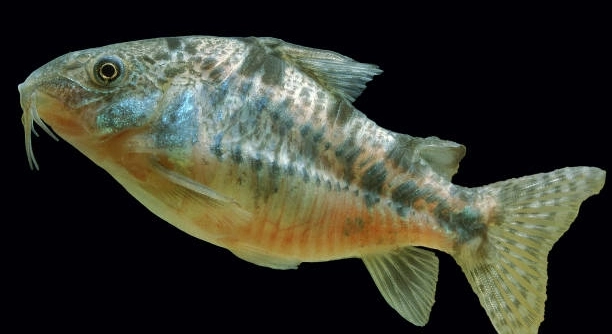
Corydoras catfish are popular aquarium pets, known for their peaceful nature and charming behavior. They are often seen swimming along the substrate, scavenging for food. However, something unique about them is the clicking sound they sometimes produce.
The clicking sound made by Corydoras catfish is often associated with air bubbles in their swim bladder or communication between fish. Several theories suggest that this sound may also serve to ward off predators or signal distress to other fish in the tank.
This behavior is intriguing and has sparked various theories among aquarium enthusiasts. The next sections will explore these possible explanations in more detail.
Air Bubbles and Swim Bladder Function
One of the most common reasons Corydoras catfish make clicking sounds is due to air bubbles trapped in their swim bladder. The swim bladder is an organ that helps the fish maintain buoyancy. When air builds up inside it, the fish may expel the bubbles, creating a clicking or popping sound. This is particularly common when the fish suddenly adjust their position in the water column.
The air bubbles released may also be a result of rapid breathing or stress. If your Corydoras catfish is actively swimming and adjusting its buoyancy, you may hear clicking noises. These sounds can be louder when the fish is startled or trying to regulate its position in the aquarium.
Understanding this behavior can help you maintain a stable environment for your fish. Ensuring they have enough space and oxygenated water may reduce the occurrence of clicking sounds. Monitoring their overall health can also prevent complications with the swim bladder.
Communication with Other Fish
Corydoras catfish are social creatures and may use clicking sounds to communicate with other fish in their environment. While not fully understood, many believe that these sounds serve as a form of interaction, especially during moments of stress or social engagement.
When Corydoras catfish feel threatened or are in close proximity to other fish, they may produce a clicking noise as a signal. It could be a way to warn other fish in the tank about potential danger or simply a way to establish social hierarchy. Although this is not the primary reason for the clicking sound, it is one theory supported by observations in aquarium tanks.
These types of communication are vital for maintaining harmony in community tanks. Keeping a diverse but balanced group of fish will ensure that the Corydoras catfish are not overly stressed. This can reduce the frequency of the clicking sounds and help your fish feel more comfortable in their space.
Distress or Injury Signals
Corydoras catfish can make clicking sounds when they are stressed or in pain. If your catfish is injured or unwell, it may use this sound as a distress signal. It is important to check your fish for any visible injuries, such as torn fins or abnormal swimming behavior.
Injuries or illnesses can cause Corydoras catfish to produce clicking sounds more frequently. They might feel discomfort in their swim bladder, internal organs, or muscles, leading them to expel air. If your fish shows signs of injury or illness, consider isolating it in a separate tank to prevent stress from other tank mates.
If your catfish’s clicking sounds persist despite a calm environment, consult a vet experienced with fish. This will help you determine whether there is an underlying health problem causing the distress. Early detection can improve the chances of recovery.
Respiratory Issues
Another possible cause of clicking sounds in Corydoras catfish is related to respiratory problems. If the fish is struggling to breathe, either due to a lack of oxygen or other respiratory issues, it may produce clicking or popping noises. Poor water quality or high levels of toxins can lead to such problems.
Corydoras are bottom-dwelling fish, so they often inhale water filled with organic material or debris. If the water conditions are not properly maintained, it may cause respiratory distress. Ensuring the tank is regularly cleaned and the water is properly filtered can help prevent this issue. Additionally, make sure the tank has enough aeration to support the fish’s breathing needs.
Checking your catfish for other signs of respiratory distress, such as rapid gill movement or surface gasping, will help you identify any potential problems early on. Monitoring water quality and maintaining good tank hygiene will go a long way in reducing the likelihood of these clicking sounds.
Overcrowding in the Tank
When a tank becomes overcrowded, Corydoras catfish can start producing clicking sounds due to stress. In smaller tanks, fish are forced to compete for space and oxygen, which can make them anxious and cause behavioral changes, including the clicking noises.
Overcrowding may also lead to poor water circulation, affecting oxygen levels. Corydoras catfish, like many fish, rely on oxygen-rich water to thrive. When water quality deteriorates due to overcrowding, it could trigger distress or even respiratory issues. It’s best to ensure you’re not exceeding the recommended fish count for your tank size.
Environmental Changes
Any sudden changes in the tank environment can stress Corydoras catfish, potentially leading to clicking sounds. Changes in water temperature, pH, or salinity can all be stressful for these fish, as they thrive in stable conditions.
Corydoras catfish are particularly sensitive to changes in temperature. If the water is too warm or too cold, they may produce clicking sounds as a sign of distress. Sudden fluctuations can disrupt their swim bladder function, triggering discomfort. Ensuring a stable, appropriate environment helps minimize stress and prevent abnormal behaviors.
FAQ
Why do Corydoras catfish make clicking sounds?
Corydoras catfish make clicking sounds primarily due to air bubbles released from their swim bladder or as a form of communication with other fish. It’s also possible that these sounds are linked to distress, injury, or respiratory issues. Understanding the source of the clicking sound can help you address it effectively.
Is it normal for Corydoras catfish to make clicking sounds?
Yes, it’s relatively common for Corydoras catfish to make clicking sounds, especially when adjusting their buoyancy or releasing air from their swim bladder. However, frequent or loud clicking could indicate other issues like stress, illness, or poor water conditions. It’s important to monitor your fish’s behavior.
How can I tell if my Corydoras catfish is stressed?
Stress in Corydoras catfish can manifest in several ways. If your fish is clicking more often, swimming erratically, or hiding excessively, these could be signs of stress. Poor water quality, overcrowding, or tankmates that are too aggressive can contribute to these stressors. Make sure the tank conditions are stable.
Could clicking sounds indicate a health problem?
Yes, clicking sounds could be a sign of health problems such as swim bladder issues, respiratory distress, or injury. If your Corydoras catfish is producing frequent clicking sounds, particularly alongside other signs of illness like lethargy, loss of appetite, or unusual swimming patterns, it’s best to seek advice from a veterinarian specializing in fish.
Can the clicking sounds be caused by poor water quality?
Yes, poor water quality can stress Corydoras catfish and lead to clicking sounds. High levels of ammonia, nitrites, or low oxygen levels in the tank can cause respiratory issues and discomfort, triggering the clicking behavior. Regular water testing and maintenance will help ensure a healthy environment for your fish.
Should I be concerned if my Corydoras catfish clicks only occasionally?
Occasional clicking is likely nothing to worry about, as it can be a natural part of the catfish’s behavior. If the clicking is not accompanied by other signs of distress or illness, there is no immediate cause for concern. However, it’s important to continue monitoring their health and environment.
What can I do to reduce the clicking sounds from my Corydoras catfish?
To reduce clicking sounds, start by ensuring your tank has optimal conditions, including good water quality, proper filtration, and stable temperature. Make sure your tank is not overcrowded and that the fish are not stressed by aggressive tankmates. Proper aeration will also help keep the water oxygenated.
How can I prevent my Corydoras catfish from becoming stressed?
To prevent stress in your Corydoras catfish, maintain a clean tank with stable water parameters. Avoid overcrowding, and provide hiding spots for the fish to feel secure. Make sure the tankmates are compatible and not too aggressive. Regular water changes will also ensure a healthy environment.
Can other fish species cause Corydoras catfish to click?
Aggressive or overly active tankmates can stress Corydoras catfish, possibly leading to increased clicking sounds. Fish that are constantly swimming aggressively or chasing the catfish may trigger this response. Make sure the tank is populated with peaceful species that won’t bother your Corydoras catfish.
Do Corydoras catfish click when they are happy?
Corydoras catfish typically do not make clicking sounds when they are happy. While they may occasionally produce a sound while adjusting their buoyancy, frequent clicking is more often a sign of stress, illness, or discomfort. If your catfish is generally healthy and content, it should not click excessively.
Final Thoughts
Corydoras catfish are fascinating creatures with unique behaviors, including making clicking sounds. While occasional clicking can be completely normal, it’s important to be aware of the underlying reasons for this behavior. Understanding the factors that cause these sounds can help you create a better environment for your fish, ensuring their health and comfort. It’s essential to regularly monitor water quality, tank conditions, and fish behavior to prevent stress or illness, which could lead to an increase in clicking sounds.
If your Corydoras catfish is making clicking sounds more frequently, it’s crucial to evaluate the situation carefully. Sometimes, simple changes like adjusting the water temperature, improving filtration, or reducing overcrowding can resolve the issue. In other cases, the clicking might indicate a more serious problem, such as a respiratory issue or a swim bladder condition. If the clicking persists and is accompanied by other signs of distress, it may be time to consult a professional to ensure your fish remains healthy.
In conclusion, while clicking sounds in Corydoras catfish are generally not a cause for alarm, they should not be ignored if they become frequent or are accompanied by other unusual behaviors. By maintaining a stable and healthy tank environment, you can reduce the likelihood of stress-related issues and ensure your Corydoras catfish thrive. With proper care and attention, you can help your fish live a long and healthy life, making the clicking sounds a rare occurrence in your aquarium.

Hello,
If you enjoy the content that we create, please consider saying a "Thank You!" by leaving a tip.
Every little bit helps us continue crafting quality advice that supports the health, happiness, and well-being of pets around the world, for pets of all shapes, sizes, and species.
We really appreciate the kindness and support that you show us!