
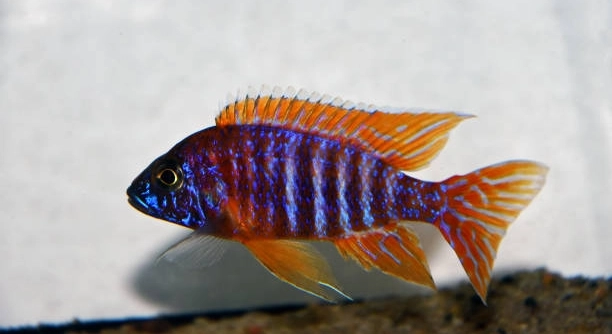
Convict cichlids are lively and active fish that often catch the attention of aquarium owners. Many enthusiasts notice these fish spending a lot of time near the glass, moving back and forth consistently throughout the day.
Convict cichlids tend to stay near the glass due to territorial behavior and environmental awareness. They often perceive the glass as a boundary, respond to reflections, and monitor movements outside their tank, which helps them feel secure and maintain territory.
Observing their behavior closely can reveal patterns linked to stress, feeding, and social interactions within the aquarium. Understanding these cues helps maintain a healthier and more balanced environment for them.
Understanding Glass-Focused Behavior
Convict cichlids often linger near the glass because they are highly territorial and alert by nature. The glass creates a clear boundary in their environment, giving them a sense of control and safety. They may respond to reflections, thinking another fish is nearby, which triggers their defensive instincts. Observing movements outside the tank can also keep them engaged. Lighting, tank layout, and nearby activity influence their behavior. If the tank is small, they might stay closer to the glass due to limited space, while larger tanks offer more roaming areas. Feeding times and human presence can reinforce glass-oriented activity. Over time, cichlids learn that movement near the glass often leads to food or attention. Their behavior is consistent because it aligns with instinctual survival strategies and environmental awareness. Watching these patterns provides insight into their mental state and health.
This behavior shows their instinct to monitor surroundings and maintain safety within their territory.
Keeping glass-focused behavior in check involves arranging the tank to provide hiding spots, breaking visual patterns, and ensuring stimulation inside the aquarium. Proper space, decorations, and controlled lighting can reduce stress. Regular observation helps spot signs of aggression or anxiety. Feeding at consistent times prevents erratic movements, and separating overly dominant individuals can maintain harmony. Reflections can be minimized with background placement, reducing unnecessary territorial displays. While some glass interaction is normal, excessive pacing may indicate boredom or territorial tension. Environmental enrichment with rocks, plants, and caves encourages natural exploration. Adding compatible tank mates can also diffuse attention from the glass. Understanding these triggers allows for a calmer, healthier aquarium environment where convict cichlids can exhibit natural behaviors without stress. Consistent care and observation ensure they thrive while maintaining predictable activity patterns.
Feeding and Interaction Patterns
Convict cichlids often approach the glass during feeding times. They learn to associate human presence with food, which reinforces their proximity and attention.
Feeding patterns influence activity, with fish often gathering near the glass at regular intervals. Overfeeding or inconsistent schedules can lead to stress. Proper nutrition, portion control, and timing ensure they remain healthy. Observing their interaction with food helps understand individual personalities. Some cichlids are more dominant, rushing the glass aggressively, while others hang back and observe. Mixing food types, such as pellets, flakes, and occasional live feed, encourages natural foraging behavior. The tank layout should provide both open areas for feeding and hiding spots for shy fish. Environmental enrichment can keep them stimulated and reduce repetitive glass-focused behavior. Recognizing how feeding times impact activity allows owners to manage energy levels and stress, maintaining a balanced aquarium dynamic. Consistent interaction without overfeeding ensures convict cichlids remain healthy and engaged with their environment, while limiting unnecessary aggression.
Tank Setup and Environment
Proper tank setup greatly affects convict cichlid behavior. Hiding spots, plants, and rocks help them feel secure, reducing constant pacing near the glass. Open spaces allow swimming, while decorations break up sight lines and limit reflection-triggered stress. Lighting also impacts their activity patterns.
Arranging the tank with caves and rock formations provides natural barriers that support territorial instincts. Plants and other structures create visual breaks, reducing stress from reflections on the glass. Open swimming areas give them room to explore while still feeling safe. Substrate choice and tank size influence their comfort. Small tanks can increase glass-focused behavior, while larger setups allow them to establish defined territories. Balancing decoration and open space promotes healthier, calmer fish that display natural behaviors instead of repetitive pacing. Proper tank maintenance, including water quality, complements the environment, keeping them active and less fixated on external movements.
Monitoring their interactions with the setup is important. Fish may claim certain rocks or plants as personal zones. Rearranging decorations periodically encourages exploration and prevents boredom. Observing which areas they avoid can indicate stress points. Substrate type, such as sand or gravel, affects digging and territorial displays. Tank mates should be chosen carefully to avoid conflict while supporting social structure. Lighting schedules should mimic natural day-night cycles to maintain activity patterns. Enrichment strategies, like adding floating objects or varied hiding spots, reduce repetitive glass-focused movement. Consistent care and observation of their environmental preferences ensures convict cichlids remain healthy, active, and mentally stimulated, minimizing stress-induced behaviors.
Reflection and Glass Interaction
Convict cichlids respond strongly to their reflection, often mistaking it for another fish. Reflections can trigger territorial displays and persistent movement along the glass.
Reflections are perceived as potential rivals, leading cichlids to defend territory. They may display flaring, chasing, or circling along the glass repeatedly. The intensity of this behavior varies depending on tank size, lighting, and external activity. Reducing reflective surfaces, such as using tank backgrounds or limiting light glare, can minimize stress and repetitive patterns. Glass interaction also relates to curiosity and learned behavior; fish often investigate movement outside the tank. Understanding these triggers helps in adjusting the aquarium environment. Limiting reflections while maintaining visual stimulation keeps convict cichlids engaged without unnecessary aggression. Observation allows owners to distinguish normal territory defense from stress-induced behavior.
Controlling reflections involves strategic placement of the tank and accessories. Using opaque backgrounds reduces mirrored images, preventing constant defensive reactions. Lighting should avoid harsh angles that create glare on the glass. Decorations can break up clear sight lines, giving fish a sense of privacy and reducing perceived threats. Observing which areas trigger flaring allows careful adjustments. In some cases, introducing compatible tank mates can redirect attention from reflections. Environmental enrichment, including caves and plants, offers alternative focus points. Adjusting feeding locations and activity patterns outside the tank also helps. Combining these strategies encourages convict cichlids to feel secure while reducing repetitive pacing near the glass, supporting calmer and healthier fish behavior.
Social Behavior and Tank Mates
Convict cichlids are naturally territorial and interact strongly with other fish. Aggressive or dominant behavior can increase glass-focused activity, especially when they feel their space is threatened. Careful selection of tank mates reduces stress and supports calmer interactions.
Introducing compatible fish helps balance social dynamics. Avoid overcrowding, as limited space amplifies territorial displays. Observing interactions allows adjustments, ensuring all fish have room to establish their own areas. Providing hiding spots and dividing the tank visually can reduce conflicts. Proper social planning keeps convict cichlids active but less fixated on the glass, maintaining a stable environment.
Stress Indicators
Persistent pacing, flaring, or hiding are signs of stress in convict cichlids. Stress often arises from overcrowding, poor water quality, or aggressive tank mates.
Monitoring water parameters and providing a stable environment reduces tension. Behavioral changes often indicate discomfort, so maintaining consistency in feeding, tank setup, and lighting is essential for their well-being.
Breeding Behavior
During breeding periods, convict cichlids become highly territorial. They guard eggs and fry aggressively, which increases their presence near the glass.
Observation during these times is crucial, as heightened activity is natural but can lead to stress if the environment lacks hiding spots for fry or adequate space.
FAQ
Why do convict cichlids stare at the glass?
Convict cichlids often stare at the glass because they perceive reflections as other fish. This triggers territorial instincts, making them defensive and alert. They may flare their fins, circle the area, or maintain close proximity to the glass to monitor what they see. Reflections are especially noticeable in bright lighting or when the tank is clean and clear. Over time, they learn that activity outside the tank can signal food or changes in their environment, reinforcing this behavior. Adjusting light angles or using a background can reduce stress and limit unnecessary pacing.
Is it normal for convict cichlids to stay in one spot for long periods?
Yes, it is normal under certain conditions. They often choose areas near the glass, decorations, or hiding spots that feel safe. Long periods of remaining in one spot are usually linked to territorial behavior, observation of their environment, or waiting for food. Changes in tank setup, water conditions, or tank mates can also influence how often they move. It is important to monitor water quality and tank dynamics to ensure that this behavior is not a result of stress or illness.
Can reflections harm convict cichlids?
Reflections themselves are not physically harmful, but they can increase stress. Constantly seeing what they perceive as rivals can lead to aggression, flaring, or repetitive pacing. Stress can weaken their immune system over time, making them more susceptible to illness. Using tank backgrounds, adjusting lighting, or adding plants and decorations to break sight lines can help reduce reflection exposure. These changes make them feel more secure and decrease unnecessary defensive behaviors, supporting their overall health.
Why do they flare their fins near the glass?
Flaring is a natural territorial response. Convict cichlids spread their fins to appear larger when they detect a perceived threat. Near the glass, flaring often occurs in response to reflections, other fish, or movement outside the tank. While occasional flaring is normal, frequent or prolonged displays may indicate stress, overcrowding, or insufficient territory. Providing hiding spots, visual barriers, and adequate space can reduce excessive flaring and help them feel more comfortable.
Does tank size affect glass-focused behavior?
Yes, smaller tanks often increase glass-focused activity. Limited space forces fish to interact more with reflections and nearby movements, intensifying territorial instincts. Larger tanks give them room to explore, claim territory, and retreat when necessary, reducing pacing along the glass. Decorations, caves, and plants in both small and large tanks help break visual lines, offering privacy and minimizing stress. Proper tank management, including space considerations, ensures they remain active without becoming fixated on the glass.
Can adding tank mates change their behavior?
Adding compatible tank mates can influence convict cichlid behavior, sometimes reducing glass-focused attention. Suitable companions provide social interaction, reduce boredom, and help disperse territorial energy. Overcrowding or aggressive tank mates can increase stress and make glass-focused behavior worse. Observing interactions, choosing peaceful species, and ensuring enough hiding spots are key to maintaining harmony. The goal is balance, allowing cichlids to explore, interact, and establish territory without excessive stress.
How does feeding influence glass interaction?
Feeding times strongly impact their proximity to the glass. Convict cichlids learn to associate human presence with food, leading to frequent visits near the front of the tank. Irregular feeding schedules or overfeeding can create stress or overexcitement. Maintaining consistent feeding routines, providing varied food types, and distributing food across the tank encourages natural foraging behaviors and reduces constant glass-focused activity.
Are these behaviors permanent?
Not necessarily. Glass-focused behavior can change with adjustments to the environment, tank mates, and feeding patterns. Reflections, stress, and territorial instincts may cause temporary increases in activity, but careful management and observation can help them settle into healthier patterns over time. Environmental enrichment is essential for long-term balance.
What should I do if glass-focused behavior becomes excessive?
Excessive glass-focused behavior usually signals stress, boredom, or environmental issues. Check water quality, tank size, decorations, and social dynamics. Adding hiding spots, breaking reflections, and monitoring feeding routines can help. In some cases, adjusting tank mates or separating aggressive individuals may be necessary. Consistent care reduces stress and encourages more natural behavior.
How can I make them feel secure without removing them from the glass?
Providing caves, plants, rocks, and visual barriers gives them security while allowing natural observation near the glass. Backgrounds can reduce reflections, and structured feeding encourages exploration. Adjusting lighting and maintaining stable water conditions support calm behavior. These changes create a balanced environment that keeps them healthy and mentally stimulated while still allowing occasional glass interaction.
Do males and females behave differently near the glass?
Males are often more territorial, flaring and defending space aggressively, while females may focus on hiding or monitoring fry during breeding. Both sexes may interact with reflections, but males typically display more frequent defensive behaviors. Understanding these differences helps in managing tank dynamics, reducing stress, and ensuring both males and females thrive without excessive pacing or aggression.
Can boredom cause glass-focused behavior?
Yes, lack of stimulation can increase time spent near the glass. Without enrichment, cichlids may repeatedly investigate reflections or movements outside the tank. Adding decorations, plants, caves, and interactive feeding strategies encourages exploration and mental engagement. Environmental variety helps prevent repetitive patterns and supports healthier, more natural behaviors.
How can I tell if they are stressed or just alert?
Alert behavior is usually brief, with occasional flaring or movement near the glass. Stress manifests as constant pacing, excessive flaring, hiding, or refusal to eat. Observing duration, frequency, and context of their behavior helps distinguish normal alertness from stress. Adjustments to the environment often reduce prolonged stress signs.
Is it okay if they chase their reflection?
Chasing reflections is common and generally harmless in short bursts. Persistent chasing, however, can increase stress and aggression. Reducing reflection exposure, adding visual barriers, and providing hiding spots helps control excessive chasing while allowing natural territorial behavior in a healthier way.
Do environmental changes make a difference?
Yes, environmental adjustments significantly affect behavior. Rearranging decorations, adding plants, or changing lighting reduces reflection-triggered responses. Larger tanks or additional hiding spots allow them to explore without feeling threatened. Consistent care and monitoring of changes ensure cichlids adapt well, remain active, and reduce repetitive glass-focused behaviors.
How often should I monitor their behavior?
Daily observation is ideal. Tracking interactions with the glass, tank mates, and environment helps spot stress, aggression, or health issues early. Small adjustments in setup, feeding, or enrichment can improve overall well-being and prevent long-term behavioral problems. Consistent attention maintains a calm, healthy tank environment.
Can I prevent glass-focused behavior entirely?
It is unlikely to eliminate completely, as it is tied to natural instincts and curiosity. However, strategic tank setup, feeding routines, social management, and enrichment can minimize excessive activity. Balancing reflection reduction, space, and stimulation helps maintain a calmer and healthier environment for convict cichlids.
Final Thoughts
Convict cichlids are naturally active and territorial fish, and their tendency to stay near the glass is a normal part of their behavior. Observing them closely can reveal much about their instincts and daily routines. They respond to reflections, movements outside the tank, and the presence of humans or other animals. This behavior is often tied to their need for security and territorial awareness. By understanding these natural tendencies, it becomes easier to interpret why they spend so much time along the glass, whether flaring, pacing, or simply watching their surroundings. Recognizing this as a standard part of their behavior allows for more effective care and management, reducing unnecessary stress for both the fish and the tank owner.
Creating an environment that supports their instincts while minimizing stress is key. Tank size, layout, and decorations all play important roles in shaping their behavior. Larger tanks provide more room for exploration, while strategically placed plants, rocks, and caves offer secure hiding spots that reduce the need for constant vigilance near the glass. Reflections can trigger territorial displays, so backgrounds or dimmed lighting can help limit unnecessary stress. Feeding schedules and tank mate selection also influence activity levels and territorial behavior. Observing their interactions carefully allows for adjustments that promote calmer, healthier habits. These environmental considerations ensure that convict cichlids can live comfortably while still expressing natural behaviors without becoming over-stimulated or anxious.
Understanding glass-focused behavior also involves recognizing signs of stress and boredom. Persistent pacing, excessive flaring, or refusal to eat may indicate that environmental or social conditions are not optimal. Providing enrichment, such as varied hiding spots, interactive feeding, and opportunities for exploration, can help reduce repetitive behaviors. Tank mates should be compatible and not provoke excessive aggression. Monitoring water quality, lighting, and feeding routines is essential for maintaining overall health and well-being. By paying attention to these factors, it is possible to create a balanced and engaging environment that meets both physical and mental needs. Convict cichlids thrive when their environment supports natural behaviors while minimizing stress, allowing them to remain active, healthy, and comfortable in their aquatic home.

Hello,
If you enjoy the content that we create, please consider saying a "Thank You!" by leaving a tip.
Every little bit helps us continue crafting quality advice that supports the health, happiness, and well-being of pets around the world, for pets of all shapes, sizes, and species.
We really appreciate the kindness and support that you show us!