
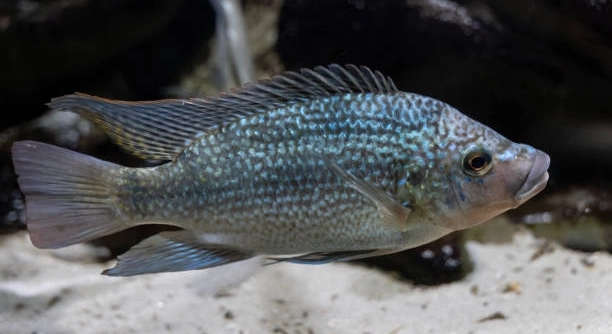
Do your convict cichlids often rearrange the gravel and sand in their tank, leaving you puzzled at their busy activity? Their constant digging and moving can seem chaotic, yet it is a natural behavior.
Convict cichlids move the substrate primarily to establish and maintain territory, construct breeding sites, and create a suitable environment for their eggs and fry. This behavior is instinctive and plays a vital role in their reproductive and social processes.
Observing this behavior can reveal much about their health and comfort. Understanding their actions helps in creating a stable and supportive aquarium environment.
Understanding Substrate Movement in Convict Cichlids
Convict cichlids move substrate as part of their natural instincts. They often dig in the gravel or sand to create a comfortable territory. This behavior can also help them remove debris and keep their environment clean. When preparing a nest, they push aside small rocks or sand, forming a depression where eggs can be safely laid. The movement may seem constant, but it is purposeful. By rearranging the substrate, they signal dominance and mark their area to other tank inhabitants. This activity is more noticeable during breeding periods, as the fish become highly protective of their chosen sites. Observing these actions can provide insight into their behavior and overall well-being. If substrate movement is excessive, it may indicate stress or the need for more hiding spaces. Adjusting tank setup with flat rocks, plants, and shelters can help manage their instinctive digging while keeping them healthy.
Recognizing substrate movement as a normal behavior helps you avoid unnecessary concern and supports your fish’s natural habits in captivity.
Creating a tank environment that accommodates this behavior is essential. Flat rocks and hiding spots reduce stress and offer areas for eggs or fry. Sandy or smooth gravel works best, allowing easy digging without harming fins or scales. By observing when they dig most, you can identify breeding readiness or territorial disputes. Some cichlids may rearrange decor repeatedly, which can indicate energy levels and comfort. Providing enough space and enriching the environment reduces aggressive interactions. Overcrowded tanks can heighten substrate movement as a way to establish dominance. Offering consistent water conditions and maintaining cleanliness ensures that digging does not spread debris excessively. Overall, understanding and accommodating substrate behavior allows convict cichlids to thrive, while giving you a clearer perspective on their instincts and needs.
Breeding Behavior and Territorial Instincts
Substrate movement is closely tied to breeding and territorial behavior in convict cichlids. Digging helps them define safe areas for reproduction and assert dominance in the tank.
During breeding, substrate movement becomes more intense as cichlids prepare nesting sites. They remove sand or small gravel to create shallow pits, which protect eggs and provide fry with a safe start. Territorial instincts drive them to patrol and maintain these areas, preventing other fish from encroaching. Even outside breeding, substrate rearrangement signals dominance and secures preferred spots within the tank. Providing ample hiding places, flat surfaces, and open areas allows them to perform these behaviors without excessive stress. Observing these patterns can help identify pairing or conflicts, giving insights into their social dynamics. Consistent care, including stable water parameters and appropriate tank size, ensures that these natural instincts do not lead to aggressive behaviors. By accommodating both breeding and territorial tendencies, you foster a balanced and healthy environment for your convict cichlids, supporting their instinctive actions while minimizing potential stress in captivity.
Signs Your Convict Cichlids Are Rearranging Substrate
Frequent digging and moving of gravel or sand is a clear sign of substrate activity. Watch for areas that look disturbed, new pits, or displaced rocks. These changes indicate their natural behavior rather than a problem with the tank.
Substrate movement often comes with other behaviors, like digging around plants or nudging objects. Convict cichlids may chase each other while establishing territory, creating visible patterns in the sand. Observing these signs helps track their mood, breeding readiness, and social hierarchy. It can also indicate stress if digging is excessive or aggressive toward tank mates. Regular monitoring ensures you can adjust their environment to reduce tension and support natural instincts.
Excessive substrate rearrangement may result from overcrowding or limited hiding spaces. By providing flat rocks, caves, and more plants, you can direct digging behavior and reduce stress. Noting the timing and intensity of digging helps predict breeding or aggressive periods. Adjusting the tank layout to accommodate these behaviors keeps your fish healthy and minimizes damage to decorations.
How to Manage Substrate Movement
Using heavier rocks or compact gravel can limit excessive digging while still allowing natural behavior. These adjustments reduce mess without harming the fish.
Providing enough space and clear boundaries within the tank prevents fights and protects nesting sites. Regular cleaning of displaced substrate helps maintain water clarity and health. Observing which areas are frequently dug allows targeted placement of decorations to satisfy digging instincts. Offering flat surfaces for eggs and shelters for fry minimizes the risk of lost or damaged offspring. Monitoring interactions ensures territorial disputes do not escalate, keeping a balanced social structure. Consistent care, such as stable water parameters and proper feeding, supports calmer behavior.
Creating a tank layout that encourages digging in safe areas preserves natural instincts while maintaining order. Planting hardy species and using removable decorations can give convict cichlids the freedom to dig without damaging the environment. Rearranging items according to their habits keeps them active and reduces stress, while also protecting water quality. By understanding where and why they move substrate, you can guide behavior and maintain a healthy, stable aquarium.
Common Substrate Types for Convict Cichlids
Sand is ideal for digging and creating smooth nests, reducing the risk of injury to fins or eggs. Gravel can also work but may require careful observation to prevent sharp edges from harming the fish.
Choosing substrate depends on tank size and fish activity. Fine sand allows natural digging without resistance, while larger gravel may limit movement but provides stability for decorations. Combining both can create varied zones, satisfying territorial instincts and giving a natural look. Observing how cichlids interact with each type helps identify preferences and ensures a comfortable environment for breeding and daily activity.
Observing Behavioral Patterns
Tracking substrate movement alongside other behaviors can indicate breeding readiness or stress levels. Aggressive digging often coincides with territorial disputes. Watching their patterns allows adjustments to tank layout or adding shelters to reduce conflict.
Encouraging Safe Digging
Using smooth, rounded substrate helps prevent injuries during digging and nest building. This allows natural behavior without compromising safety.
FAQ
Why do convict cichlids constantly dig in the substrate?
Convict cichlids dig to establish territory, create nesting sites, and prepare safe areas for eggs and fry. This behavior is natural and instinctive. Digging helps them remove debris and create clear spaces in their environment. Frequent digging is often linked to breeding readiness or asserting dominance.
Is substrate movement harmful to other tank inhabitants?
Generally, substrate movement is not harmful if tank mates are compatible. Aggression can occur if the tank is overcrowded or if there are limited hiding spaces. Providing shelters, plants, and flat surfaces can reduce territorial conflicts and protect more passive fish from stress or injury.
Can I stop my cichlids from moving substrate?
It is not advisable to completely stop this behavior, as it is a natural instinct. However, you can manage it by using heavier rocks, compact gravel, or designated digging areas. Providing appropriate decorations and ample hiding spots helps direct their digging safely.
Does substrate type affect digging behavior?
Yes. Fine sand allows easier digging and smoother nest creation, while gravel may slow digging or limit the depth of pits. Rounded or soft gravel reduces the risk of injury. A mix of substrates can create varied zones for activity and territorial marking.
How can I tell if digging is related to breeding?
Breeding-related digging is usually focused on a specific area where a nest or pit is being prepared. Fish may become more protective of this area, chase intruders, and rearrange surrounding substrate frequently. Observing pairing behavior and egg-laying signs confirms breeding activity.
Will substrate movement affect water quality?
Substrate digging can stir up debris and cause temporary cloudiness. Regular filtration and partial water changes help maintain clarity and water quality. Using smooth substrates also reduces waste trapping and makes cleaning easier.
Do only male convict cichlids dig?
Both males and females dig, though males often dig to assert territory and attract females. Females tend to focus on nest preparation and egg placement. Watching their roles during breeding provides insight into their natural division of labor.
How can I reduce aggression linked to substrate digging?
Aggression can be reduced by increasing tank space, adding hiding places, and providing more territory markers. Observing dominant fish and adjusting tank layout helps balance social interactions. Overcrowding often intensifies digging disputes, so limiting tank population is key.
Can substrate movement damage tank decorations?
Yes, frequent digging can dislodge or topple light decorations, plants, and ornaments. Using heavier, anchored items or smooth, low-profile decorations reduces damage while still allowing natural digging behaviors.
What are signs that substrate digging is excessive?
Excessive digging may indicate stress, lack of hiding places, or insufficient territory. Signs include constant rearranging, chasing tank mates frequently, and creating deep pits in multiple areas. Adjusting tank setup and ensuring adequate enrichment often resolves the issue.
How do I create a tank layout that accommodates substrate movement?
Designate digging zones using sand or soft gravel, place heavy rocks and flat surfaces for stability, and include caves and plants for hiding. Observing fish behavior over time helps fine-tune the layout to balance activity and comfort.
Can substrate movement help me understand my cichlids better?
Yes. Observing digging patterns gives insight into health, breeding readiness, social hierarchy, and stress levels. Recognizing natural behaviors allows you to provide a better environment, ensure comfort, and anticipate needs during different life stages.
Is it normal for cichlids to move substrate outside breeding periods?
Yes. Even outside breeding, cichlids move substrate to assert dominance, explore, and maintain territory. Regular activity indicates healthy instincts, as long as it is not causing stress to other tank mates or damage to the aquarium setup.
Can substrate movement impact plant growth?
Digging can uproot plants or disturb roots. Using heavy pots, planting hardy species, or placing plants in designated areas protects them. Observing which areas are frequently dug helps position delicate plants safely.
How long will substrate movement continue during breeding?
Movement usually intensifies during nest building and egg-laying and decreases once fry are free-swimming. Monitoring activity provides clues about the breeding cycle and when parental care transitions from protection to guiding fry.
Does feeding influence substrate digging?
Feeding can increase digging if fish are searching for food particles in the substrate. Ensuring consistent feeding and using sinking foods reduces excessive substrate disturbance while still allowing natural digging behavior.
Can I combine different substrate types in one tank?
Yes. Mixing sand with gravel or creating layered areas satisfies different digging instincts. Convict cichlids can choose preferred zones, which can reduce stress and keep their behavior natural while maintaining tank aesthetics.
How often should I clean the substrate if cichlids dig frequently?
Regular cleaning is essential to remove displaced waste and prevent water quality issues. Using a siphon or vacuum during water changes helps maintain clarity without disturbing fish. Observation of digging patterns helps schedule maintenance efficiently.
Does water depth affect substrate movement?
Yes. Shallow areas may encourage more visible digging, while deeper zones reduce activity in certain spots. Providing a range of depths and substrate types allows natural exploration and comfortable territorial behavior.
Can substrate movement indicate health problems?
Sudden changes in digging patterns, lethargy, or obsessive substrate rearranging can signal stress, illness, or environmental discomfort. Monitoring behavior alongside water quality and diet ensures early detection of potential issues.
How can I encourage natural digging without causing damage?
Use soft sand or smooth gravel, provide flat rocks for stability, and place hardy plants or decorations in digging zones. Designing the tank to accommodate movement keeps fish active while reducing risk to both tank and inhabitants.
Are there differences between male and female digging patterns?
Males often dig over larger areas to assert dominance, while females focus on precise nest preparation. Observing these differences helps predict breeding behavior and plan tank layout to support both roles.
What should I do if my tank shows constant substrate chaos?
Evaluate tank population, territory availability, and hiding spaces. Adding enrichment, adjusting layout, and monitoring interactions reduces stress-induced digging. Maintaining stable water conditions and proper feeding supports calmer, natural behavior.
Can substrate movement be part of play or exploration?
Yes. Convict cichlids explore their environment through digging, moving objects, and rearranging substrate. This activity keeps them mentally stimulated, satisfies instincts, and supports overall well-being in a captive environment.
Final Thoughts
Observing convict cichlids move substrate is an interesting aspect of keeping them in an aquarium. This behavior is entirely natural and reflects their instincts to establish territory, prepare nests, and care for eggs and fry. While it may seem excessive at times, it is part of their daily routine and social behavior. By understanding why they dig and rearrange the substrate, you can better appreciate their activity and avoid misinterpreting it as destructive or aggressive. Their constant movement of sand or gravel is a form of communication and environmental control that helps them feel secure in their space.
Providing the right tank setup is crucial for supporting this behavior. Using soft sand or smooth gravel reduces the risk of injury while still allowing natural digging. Flat rocks, caves, and plants give the fish places to hide, explore, and define territories. Observing where they dig most often can help you adjust the layout to protect fragile plants and decorations. Giving them room to move and rearrange their environment prevents stress and allows them to perform instinctive behaviors without conflict. Careful consideration of tank size, substrate type, and decoration placement ensures that their digging benefits their health rather than creating problems in the aquarium.
Regular observation of substrate movement can reveal insights into breeding, health, and social dynamics. Patterns in digging often indicate readiness to breed, territorial disputes, or environmental discomfort. Excessive or sudden changes in behavior may signal stress or illness, prompting adjustments in tank conditions, population, or hiding spaces. Supporting their natural behaviors while maintaining water quality and safety creates a balanced environment where convict cichlids can thrive. By recognizing and accommodating substrate movement, you are not only respecting their instincts but also fostering a healthier and more dynamic aquarium. Over time, this approach enhances your understanding of their habits and ensures that both fish and tank remain in a stable, harmonious state.

Hello,
If you enjoy the content that we create, please consider saying a "Thank You!" by leaving a tip.
Every little bit helps us continue crafting quality advice that supports the health, happiness, and well-being of pets around the world, for pets of all shapes, sizes, and species.
We really appreciate the kindness and support that you show us!