
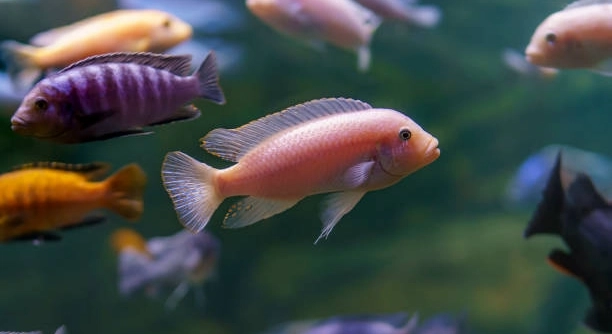
Convict cichlids are small freshwater fish known for their striking patterns and lively behavior. Observing them in a tank often reveals unusual interactions, with one of the most fascinating being their lip-locking behavior.
Convict cichlids lock lips primarily as a form of territorial or mating behavior. This action is a display of dominance or courtship, helping establish hierarchy among individuals while also strengthening pair bonds between mates in controlled or natural environments.
Understanding why these fish engage in lip-locking provides insight into their social dynamics and care requirements. Observing these behaviors can help ensure a harmonious environment in home aquariums.
Understanding Lip-Locking in Convict Cichlids
Convict cichlids often lock lips as a way to communicate without causing serious harm. This behavior is most common during breeding or when defending territory. Males may challenge each other, testing strength and establishing dominance, while females may participate in gentle displays to show readiness to mate. Lip-locking is part of their natural social structure, helping them interact safely. Observing this in an aquarium can be fascinating, but it also signals the fish’s mood and hierarchy. While it may look aggressive, it is rarely dangerous unless stress levels are high or the tank is overcrowded. Providing enough space and hiding spots can reduce tension, allowing the fish to express themselves naturally. Over time, these interactions help maintain balance within the group, keeping more dominant fish from bullying weaker ones. This behavior shows that convict cichlids are highly social and responsive to their environment.
When lip-locking occurs, it is usually brief and ends without injury.
Regular observation helps identify patterns and maintain a calm, balanced aquarium. Understanding their behavior improves overall care and tank harmony.
Creating a Safe Environment for Convict Cichlids
A proper tank setup reduces aggressive encounters and encourages natural behaviors.
Convict cichlids need ample space, structured hiding spots, and clear boundaries. Overcrowding or minimal décor can increase stress, leading to frequent fights or prolonged lip-locking sessions. Maintaining water quality is also essential, as poor conditions amplify aggression. Using rocks, plants, and small caves allows fish to retreat and establish personal territories. Separate males if persistent dominance issues occur. Observing feeding patterns and activity levels helps detect tension early. Adjusting tank layout or introducing new elements gradually can prevent sudden disputes. Even minor changes in lighting, temperature, or decorations influence their interactions. Understanding individual personalities and pairing compatible fish reduces stress. Lip-locking should be seen as a natural form of communication rather than a problem, but careful monitoring ensures it does not escalate. By creating a structured environment, their behavior can be expressed safely, promoting a healthier and more balanced aquarium where each fish thrives naturally.
Signs That Lip-Locking Is Aggressive
Aggressive lip-locking is usually accompanied by rapid movements, flared fins, and chasing. If fights last longer than usual or leave marks, it indicates stress or dominance struggles within the tank. Recognizing these signs early helps prevent injuries and maintain harmony among the fish.
Stress and frequent aggressive encounters can weaken convict cichlids over time. Fish may hide constantly, eat less, or show signs of fatigue. Overcrowding and limited hiding spaces increase the likelihood of fights. Separating overly aggressive individuals or adding barriers can reduce tension. Regular observation ensures that all fish remain healthy, and minor adjustments to tank layout can prevent serious conflicts. Maintaining stable water parameters also reduces aggression, as stressed fish are more likely to escalate lip-locking into harmful fights.
Not all lip-locking is dangerous, but consistent aggression should be addressed promptly. Offering multiple hiding spots, monitoring interactions, and adjusting the environment creates a safer space. Understanding the difference between playful and aggressive behavior helps keep the tank balanced.
Factors That Influence Lip-Locking
Dominance, breeding instincts, and territory size are key factors influencing lip-locking. Fish establish hierarchies to reduce long-term conflict.
Tank size and decoration directly affect how often fish engage in lip-locking. Smaller tanks limit movement, making territorial disputes more frequent. Dense plants or rock structures allow fish to retreat and claim separate spaces, reducing confrontations. Age and maturity also play a role, as younger fish often test boundaries more aggressively. Even the ratio of males to females impacts behavior, with imbalances increasing competition. Water quality, feeding routines, and consistent schedules influence mood, making calm, stable environments essential for minimizing unnecessary fights. By addressing these factors, aquarists can encourage natural communication without persistent stress.
Managing Lip-Locking During Breeding
During breeding, lip-locking can intensify as pairs bond and defend their nest. Observing their behavior ensures the pair remains healthy and stress-free.
Providing a separate breeding area with rocks or caves reduces disturbances. Limited interference allows the fish to establish territory naturally while keeping aggression manageable.
When to Separate Aggressive Fish
Persistent or injurious lip-locking requires intervention. Separating dominant fish prevents injuries and stress for weaker individuals. Using dividers or separate tanks temporarily allows all fish to recover. Monitoring behavior after separation ensures aggression does not resume once reintroduced.
Feeding and Lip-Locking Behavior
Feeding schedules can influence lip-locking frequency. Hungry fish may become more competitive, escalating disputes. Consistent feeding routines reduce tension.
Observation and Adjustment
Regular observation is key to understanding individual fish behavior. Adjusting tank layout, hiding spots, and pairing decisions helps maintain balance. Watching interactions closely ensures a calm, harmonious environment.
FAQ
Why do convict cichlids lock lips with each other?
Convict cichlids lock lips primarily to establish dominance or during mating rituals. This behavior allows them to communicate strength and readiness without causing serious harm. It is a natural way to interact, helping fish maintain social hierarchy in both home aquariums and natural habitats.
Is lip-locking dangerous for my fish?
Most lip-locking is harmless and brief. However, if fights become prolonged or cause injuries, it can lead to stress, infection, or weakened health. Ensuring adequate tank space, hiding spots, and monitoring aggressive behavior helps prevent serious harm.
How can I tell if lip-locking is playful or aggressive?
Playful lip-locking is usually short, with minimal chasing and no visible injuries. Aggressive lip-locking involves rapid lunges, flared fins, biting, and prolonged fights. Observing the duration and intensity helps determine whether intervention is needed.
Should I separate fish that fight frequently?
Yes, separating overly aggressive fish is sometimes necessary. Using dividers or separate tanks prevents injuries and reduces stress. After a recovery period, fish can be gradually reintroduced while monitoring interactions closely.
Does tank size affect lip-locking behavior?
Tank size plays a major role. Smaller tanks limit space and increase territorial disputes, while larger tanks provide room to establish boundaries. Adding rocks, plants, and caves creates hiding spots, reducing conflict and giving fish areas to retreat safely.
Do male and female fish lip-lock differently?
Males tend to lip-lock more aggressively to assert dominance or defend territory. Females may engage in gentler displays during courtship or while reinforcing pair bonds. Understanding these differences helps in predicting behavior and managing aggression.
Can breeding pairs lip-lock too much?
Yes, during breeding, lip-locking can intensify as pairs defend nests and bond. Providing a secluded breeding area with rocks or caves allows them to establish territory safely and minimizes stress on other tank members.
Does feeding influence lip-locking?
Hunger can increase competition and cause more frequent lip-locking. Consistent feeding routines and offering food in multiple locations reduce disputes and help maintain harmony among all fish.
How do water conditions affect lip-locking behavior?
Poor water quality increases stress, which can escalate aggression. Maintaining stable temperature, pH, and cleanliness helps fish remain calm and reduces the likelihood of prolonged fights. Healthy water conditions support natural social interactions.
Can lip-locking indicate health issues?
Sometimes excessive lip-locking may signal stress or discomfort due to illness, overcrowding, or unsuitable tank conditions. Monitoring overall behavior, appetite, and activity helps identify underlying issues before they become serious.
What is the best way to manage lip-locking long-term?
Provide adequate space, structured hiding spots, and compatible pairings. Regular observation, consistent feeding, and stable water conditions prevent unnecessary stress. Adjusting the tank environment as needed allows fish to communicate naturally without frequent aggressive encounters.
Are juvenile convict cichlids more prone to lip-locking?
Yes, younger fish often test boundaries and engage in more frequent lip-locking. They gradually learn social hierarchy, and their behavior usually becomes less aggressive as they mature. Patience and monitoring are essential during this stage.
Can multiple males in one tank increase aggression?
Yes, having several males can heighten competition and lead to frequent lip-locking. Balancing the male-to-female ratio and providing ample space and hiding spots reduces dominance disputes and ensures a calmer environment.
Do decorations impact lip-locking behavior?
Yes, tank layout and décor significantly affect interactions. Rocks, caves, and plants allow fish to claim territories and retreat safely, reducing prolonged fights. Open tanks with few hiding spots often see more frequent and intense lip-locking sessions.
How often should I observe my fish for lip-locking?
Regular observation, ideally daily, helps detect patterns of aggression, stress, or dominance struggles. Noticing early signs allows timely adjustments, preventing injuries and maintaining harmony in the tank.
Can lip-locking be a sign of bonding between mates?
Yes, gentle lip-locking between a male and female can reinforce pair bonds. It is a natural part of courtship and helps strengthen cooperation in defending territory or caring for offspring.
What should I do if lip-locking becomes severe?
Intervene by separating the fish temporarily or adjusting tank layout. Increase hiding spots, reduce overcrowding, and ensure water quality is optimal. Gradual reintroduction and careful monitoring help prevent further conflicts.
Are some convict cichlids naturally more aggressive than others?
Individual personality varies. Some fish are naturally dominant or more territorial. Understanding each fish’s temperament and providing a structured environment helps manage interactions and reduce persistent aggression.
Can lip-locking affect other fish in the tank?
Yes, aggressive lip-locking can stress nearby fish, causing hiding, reduced feeding, or illness. Providing enough space, hiding spots, and monitoring interactions ensures that all tank members remain healthy and balanced.
Is lip-locking more common during certain times of the day?
Lip-locking can increase during feeding times or periods of activity. Observing patterns helps anticipate conflicts and manage the tank environment to minimize stress and unnecessary fighting.
How can I encourage natural lip-locking without causing harm?
Create a well-structured tank with adequate space, hiding spots, and balanced pairings. Maintain water quality, consistent feeding, and monitor behavior. This allows fish to communicate naturally while minimizing aggressive incidents.
Can environmental changes reduce lip-locking?
Yes, adding new décor, adjusting lighting, or rearranging hiding spots can reduce conflict. Changes give fish new areas to claim, encouraging natural behavior and reducing prolonged disputes over territory.
Should I intervene if lip-locking happens frequently but no injuries occur?
If there are no injuries and fights are brief, intervention is usually unnecessary. Observing behavior ensures fish remain healthy, while environmental adjustments prevent potential escalation in the future.
How does maturity affect lip-locking?
As fish mature, dominance hierarchies become established, often reducing unnecessary lip-locking. Younger fish test boundaries more, but mature fish tend to have stable social interactions. Monitoring juvenile behavior is essential until hierarchies settle.
Can pairing compatible fish reduce lip-locking?
Yes, matching compatible personalities and temperaments reduces aggression. Proper pairings and adequate space help fish coexist peacefully while still expressing natural social behaviors.
Is lip-locking unique to convict cichlids?
No, lip-locking is observed in several cichlid species. It is a common method of establishing dominance and communicating without causing serious harm. Recognizing the behavior helps manage social dynamics in any cichlid tank.
What long-term benefits come from understanding lip-locking behavior?
Understanding lip-locking allows for better tank management, reduces stress, prevents injuries, and promotes natural interactions. Observing and adjusting to fish behavior ensures a healthy, balanced environment over time.
How can I tell when lip-locking is related to territory?
Territorial lip-locking occurs near specific areas, such as caves or nest sites. Fish will defend these spaces aggressively, often repeatedly, signaling the importance of that area to their hierarchy and breeding behavior.
Can stress trigger more frequent lip-locking?
Yes, stress from overcrowding, poor water quality, or environmental changes can increase lip-locking. Reducing stressors and providing adequate space allows fish to interact naturally without escalating aggression.
How important is observation for managing lip-locking?
Observation is essential. Monitoring fish daily helps detect early signs of aggression, stress, or imbalance. Timely adjustments to tank layout, feeding, or pairings maintain harmony and prevent serious conflicts.
Do convict cichlids ever lip-lock for fun?
While it may appear playful, lip-locking serves a purpose—communication, dominance, or bonding. Fish rarely engage in it without reason, making it a natural part of their behavior rather than just entertainment.
Can multiple hiding spots reduce aggression?
Yes, multiple hiding spots allow fish to retreat and establish personal territories. This reduces prolonged fights, gives weaker fish space, and promotes a more balanced social structure.
Does age or size influence lip-locking outcomes?
Larger or older fish often dominate during lip-locking. Younger or smaller fish may retreat to avoid injury. Understanding size dynamics helps manage tank pairings and reduces harmful conflicts.
How can I ensure lip-locking remains safe in my aquarium?
Provide adequate space, structured décor, compatible pairings, stable water conditions, and consistent feeding. Regular observation and timely adjustments prevent injuries while allowing natural behavior to occur.
Can lip-locking behavior change over time?
Yes, as social hierarchies form and fish mature, lip-locking frequency and intensity often decrease. Monitoring ongoing behavior ensures fish remain balanced and healthy in their environment.
Is it necessary to record observations of lip-locking?
Keeping track of fights, feeding, and tank activity helps identify patterns. This allows for proactive adjustments, preventing prolonged aggression and ensuring all fish remain stress-free and healthy.
Does pairing more than one female reduce conflicts?
Introducing multiple females can balance competition among males, reducing dominance disputes. Proper space, hiding spots, and balanced ratios help maintain calm social interactions.
Can lip-locking be part of a courtship ritual?
Yes, gentle lip-locking often occurs during courtship. It strengthens pair bonds, signals readiness to mate, and helps coordinate defense of territory or nests.
How long should lip-locking last before intervention?
Short, brief sessions are normal. If fights are prolonged, repetitive, or result in injuries, intervention through separation or tank adjustments is recommended to maintain a healthy environment.
Do decorations influence which fish dominate lip-locking?
Yes, fish that claim key hiding spots or territory often dominate lip-locking. Providing multiple areas helps distribute dominance and reduces repeated confrontations among the same individuals.
Can diet affect aggression and lip-locking?
A well-balanced diet keeps fish healthy and less prone to stress-related aggression. Uneven feeding or poor nutrition can increase competition and lip-locking incidents.
Are some pairs naturally more compatible for breeding?
Yes, some fish pairings result in calmer interactions and fewer fights. Observing behavior before breeding allows selection of compatible mates, reducing aggressive lip-locking during courtship.
How do I know when lip-locking is a serious problem?
Frequent, prolonged fights, visible injuries, hiding, or loss of appetite indicate serious issues. Immediate adjustments to tank setup, space, or separation of fish are needed.
Can lip-locking affect overall tank harmony?
Yes, constant aggression can stress all tank members. Monitoring behavior, providing hiding spots, and maintaining a balanced environment ensures harmony and reduces negative impacts.
Does lighting or temperature impact lip-locking frequency?
Sudden changes in lighting or temperature can increase stress and trigger more frequent lip-locking. Stable conditions help maintain calm behavior and reduce unnecessary disputes.
How does the number of fish in the tank influence lip-locking?
Overcrowding increases competition and stress, resulting in more lip-locking. Proper stocking levels, adequate space, and hiding spots help reduce conflict and maintain a balanced community.
Can lip-locking be used to predict breeding readiness?
Yes, gentle lip-locking between males and females often indicates courtship and readiness to spawn. Recognizing these patterns helps manage breeding tanks effectively.
Is lip-locking observed more in certain tank setups?
Yes, tanks with limited space, few hiding spots, or unbalanced male-to-female ratios see more frequent and intense lip-locking. Adjustments to layout and population balance reduce aggression.
Can consistent monitoring prevent injuries from lip-locking?
Yes, regular observation allows early detection of prolonged fights or stress. Timely intervention through separation, décor adjustments, or space modifications prevents injuries and promotes a healthier environment.
Do juvenile fights influence adult behavior?
Yes, juvenile interactions help establish hierarchies that persist into adulthood. Early lip-locking teaches boundaries and reduces unnecessary aggression once fish mature.
Are there any long-term effects of frequent lip-locking?
Chronic stress from unresolved aggression can weaken immune systems, reduce growth, and affect overall health. Proper tank management prevents these long-term issues and supports healthy development.
Can adding plants reduce lip-locking intensity?
Yes, plants create hiding spots, reduce visibility between fish, and allow retreats. This decreases prolonged disputes and promotes calmer interactions, especially in aggressive or territorial individuals.
Does water flow or filtration affect behavior?
Strong currents or inconsistent filtration can stress fish, potentially increasing aggression and lip-locking. Gentle, stable water flow helps maintain a calm environment for natural interactions.
Can behavioral enrichment reduce lip-locking?
Yes, introducing varied tank décor, caves, and safe territories encourages natural behavior while preventing boredom-related aggression. Environmental enrichment supports balanced social dynamics.
Is lip-locking less frequent in established tanks?
Yes, in well-established tanks with stable hierarchies, lip-locking is usually brief and less frequent. Fish learn boundaries, reducing prolonged or injurious fights.
Can separating aggressive fish permanently affect social dynamics?
Temporary separation is ideal. Permanent isolation may disrupt social structure, while gradual reintroduction maintains hierarchy and reduces long-term aggression.
How can I tell if a pair is bonding or fighting?
Bonding lip-locking is gentle, brief, and usually near nests or shared territory. Fighting involves intensity, chasing, flared fins, and sometimes injuries. Observation helps distinguish the two behaviors.
Does tank size matter more than décor for aggression control?
Both matter. Sufficient space reduces encounters, while décor provides safe retreats. Together, they minimize stress and allow fish to express natural behavior safely.
How do I balance multiple males and females to reduce fights?
Maintaining an appropriate male-to-female ratio, providing space, and adding hiding spots helps reduce competition and ensures calmer, balanced interactions among all tank members.
Can lip-locking ever be completely eliminated?
No, lip-locking is a natural behavior for communication, dominance, and bonding. The goal is to manage it safely, reduce aggression, and ensure a balanced, stress-free environment.
Does age disparity affect lip-locking intensity?
Yes, older or larger fish dominate younger ones. Ensuring juveniles have hiding spots and space helps prevent injuries and reduces persistent aggressive encounters.
Are certain tank materials better for managing lip-locking?
Yes, materials that allow for caves, ledges, and plants help fish establish territories. Smooth surfaces prevent injuries, while textured décor provides natural hiding areas.
How do I know if lip-locking is normal social behavior?
Normal lip-locking is brief, occasional, and non-injurious. Observing duration, intensity, and response from other fish confirms whether it is standard social interaction or aggression requiring intervention.
Does temperature stability reduce aggression?
Stable temperatures minimize stress, helping fish interact naturally. Sudden changes can trigger aggression, making lip-locking more frequent and intense. Maintaining consistent water conditions is essential for calm behavior.
Can lip-locking help identify dominant fish?
Yes, the fish that consistently wins lip-locking contests or claims key territory is usually dominant. Recognizing hierarchy helps manage tank dynamics and prevent prolonged disputes.
Are some tank shapes better for reducing lip-locking?
Longer, spacious tanks allow fish to establish separate territories and reduce repeated confrontations. Narrow tanks increase encounters and may lead to more frequent aggression.
How do I prevent subordinate fish from being stressed?
Provide multiple hiding spots, separate feeding areas, and adequate space. Observation ensures weaker fish are not constantly harassed, maintaining health and balance.
Does lighting influence aggression patterns?
Harsh or sudden lighting can stress fish, increasing aggression. Soft, consistent lighting supports calm behavior and reduces unnecessary lip-locking.
Can temporary removal of dominant fish calm the tank?
Yes, temporarily removing a dominant or aggressive individual allows others to settle. Gradual reintroduction helps maintain hierarchy without prolonged stress or fights.
How can I encourage healthy social interactions?
Provide space, décor, compatible pairings, and stable conditions. Observing and adjusting as needed ensures fish interact naturally without excessive aggression.
Does lip-locking frequency vary with seasons or temperature changes?
Yes, seasonal changes or temperature fluctuations can influence aggression levels. Stable water conditions help maintain consistent behavior and minimize unnecessary stress.
Are some fish naturally more submissive?
Yes, individual temperament varies. Submissive fish may retreat or avoid confrontation. Providing hiding spots and space ensures these fish remain safe and healthy.
Can overcrowding be managed without removing fish?
Adjusting décor, adding partitions, or creating visual barriers can reduce direct encounters. Adequate hiding spots and careful observation maintain balance without permanent removal.
Do tank mates influence lip-locking behavior?
Yes, aggressive or territorial species nearby can increase stress and trigger more lip-locking. Compatible community planning helps maintain calm and reduces conflicts.
Can water changes influence aggression temporarily?
Yes, sudden or large water changes can stress fish, temporarily increasing lip-locking. Gradual, consistent maintenance helps reduce stress and maintain stable behavior.
Are there behavioral cues before a fight starts?
Flaring fins, rapid swimming, and staring often precede aggressive lip-locking. Early recognition allows intervention before fights escalate.
How can I maintain a peaceful tank long-term?
Provide space, structured décor, compatible pairings, stable water, and regular observation. Timely adjustments prevent prolonged fights, allowing fish to express natural behavior safely.
Can lip-locking be part of a cleaning or feeding ritual?
Occasionally, lip-locking may occur near food or cleaning areas as fish establish temporary dominance. Consistent routines reduce stress and prevent disputes.
Does personality affect which fish lip-locks most often?
Yes, more dominant or territorial individuals engage in lip-locking more frequently. Understanding personality helps in pairing and managing interactions.
Is lip-locking more common in crowded tanks?
Yes, limited space increases encounters and stress, leading to frequent lip-locking. Adequate space and hiding spots reduce aggression and allow natural social behavior.
Can rearranging décor prevent repetitive fights?
Yes, changing tank layout creates new territories and reduces repeated confrontations over the same spots, calming aggressive interactions.
Does water chemistry influence lip-locking intensity?
Unstable pH or poor water quality increases stress and aggression. Maintaining optimal chemistry supports calm interactions and reduces harmful lip-locking.
Can lip-locking help identify compatible breeding pairs?
Yes, gentle, consistent lip-locking between a male and female often indicates compatibility, signaling readiness to mate and cooperate in defending territory.
Are there differences in lip-locking among captive and wild fish?
Wild fish may have more space and natural hiding spots, resulting in fewer prolonged fights. Captive fish in smaller tanks often display more frequent lip-locking due to space constraints.
Can lip-locking lead to long-term health problems?
Frequent, stressful fights can weaken the immune system and reduce growth. Proper tank management prevents injuries and supports healthy development.
**How do I distinguish
Final Thoughts
Convict cichlids are fascinating fish, and their lip-locking behavior is a natural part of their social interactions. While it may appear aggressive at first glance, this behavior is usually a way for fish to communicate, establish hierarchy, or strengthen pair bonds. Observing lip-locking can reveal much about the personalities of the fish in your tank and their relationships with each other. Some fish are naturally more dominant, while others are more submissive, and these roles often become clear through repeated lip-locking interactions. Understanding this behavior helps maintain a balanced and healthy aquarium, as you can identify when the behavior is normal and when it may signal stress or conflict. Proper observation allows you to respond appropriately, whether by adjusting tank décor, providing additional hiding spots, or temporarily separating overly aggressive individuals. Over time, you learn to read the subtle signs of tension, playfulness, or courtship, which makes caring for convict cichlids more engaging and rewarding.
Creating a safe and structured environment is key to minimizing harmful lip-locking. Tank size, décor, hiding spots, and water conditions all influence how often and how intensely these interactions occur. Smaller tanks or limited hiding spaces increase competition and stress, while larger, well-structured tanks give fish room to establish territories and retreat when needed. Rocks, plants, and caves allow for private areas where subordinate fish can rest safely without being harassed. Maintaining stable water quality, temperature, and feeding schedules also helps reduce stress and prevents aggression from escalating. By paying attention to these environmental factors, you provide the conditions needed for convict cichlids to express their natural behavior safely. Regular monitoring ensures that dominant fish do not overpower weaker ones, and it allows you to make small adjustments before conflicts become serious. Over time, you will notice that fish interactions become calmer as they adapt to the tank environment, and lip-locking remains a natural, non-threatening part of their social structure.
It is important to recognize that lip-locking is both normal and informative. While it can occasionally result in minor injuries, most of the time it is brief and non-harmful, serving a clear social purpose. Paying attention to the frequency, intensity, and context of lip-locking can guide decisions about tank management, breeding setups, and population balance. Providing compatible pairings, structured environments, and consistent care reduces unnecessary stress and encourages healthy social interactions. Observing these behaviors allows you to anticipate potential issues, prevent aggression from escalating, and maintain harmony within the aquarium. Ultimately, understanding lip-locking gives insight into convict cichlids’ complex social world, making it easier to provide an environment where each fish can thrive. With careful observation, proper tank management, and attention to individual personalities, you can support a healthy, balanced community where natural behaviors like lip-locking occur safely and constructively, reflecting the full range of their social instincts.

Hello,
If you enjoy the content that we create, please consider saying a "Thank You!" by leaving a tip.
Every little bit helps us continue crafting quality advice that supports the health, happiness, and well-being of pets around the world, for pets of all shapes, sizes, and species.
We really appreciate the kindness and support that you show us!