
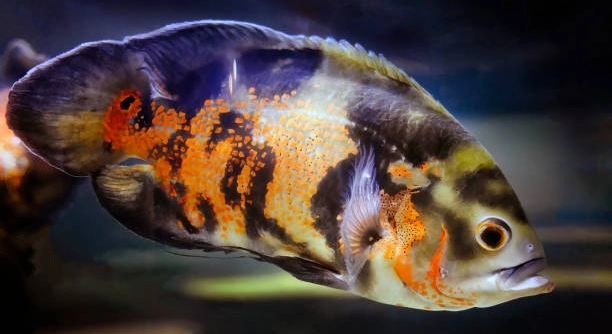
Convict cichlids often display striking behavior when facing reflective surfaces in aquariums, creating moments that confuse many fish keepers while sparking interest in territorial instincts, social signals, and environmental triggers behind this repeated action pattern.
Convict cichlids chase their reflection because they interpret mirrored images as rival fish invading territory. This response is driven by innate aggression, territorial defense mechanisms, hormonal stimulation, and limited self recognition, causing repeated confrontations with perceived intruders within confined environments.
Recognizing these behavioral drivers helps aquarists manage stress, adjust tank conditions, and better support long term health and stability overall.
Territorial Instincts and Mirror Responses
Convict cichlids are naturally protective fish, and their behavior is deeply shaped by territory awareness. When a reflective surface appears, the fish does not see itself, but an unfamiliar presence occupying its space. This triggers defensive movement meant to drive intruders away. In the wild, this reaction helps secure breeding areas and food access. Inside an aquarium, the same instinct remains active, even without real competition. I have noticed that this behavior intensifies during breeding periods, when hormones increase sensitivity to movement and shapes. The fish may flare fins, dart forward, and repeat the action for long periods. This is not random activity, but a programmed response tied to survival. Limited space makes the reaction more frequent because the perceived rival never leaves. Over time, repeated exposure can lead to exhaustion and elevated stress levels, especially in tanks without visual breaks or enrichment, and consistent lighting worsens the repeated stimulus.
This response often appears harmless at first, yet constant repetition places pressure on the fish. Energy is spent chasing an image instead of resting or feeding. Over time, this imbalance may reduce overall vitality and increase irritability within shared aquarium environments, especially when the behavior becomes a daily pattern persistently.
Reflection chasing can also signal boredom within the aquarium. Tanks with minimal decor leave few distractions, allowing mirrored surfaces to dominate attention. When fish lack stimulation, instinctive behaviors intensify. I have found that adding plants, rocks, and textured backgrounds reduces fixation. These elements break sightlines and create natural boundaries. Lighting angle also plays a role, as bright frontal lighting increases reflection strength. Adjusting light placement softens mirror effects. While the behavior is instinctual, environmental changes can reduce frequency. A balanced setup supports calmer movement patterns, encourages exploration, and allows convict cichlids to express normal behaviors without constant defensive reactions persistently.
How Aquarium Setup Influences Reflection Chasing
Tank placement and materials strongly affect reflection chasing behavior. Glass thickness, background color, and room lighting all influence visibility. When aquariums sit near windows or bright walls, reflections become stronger, increasing perceived threats and prolonging defensive responses. This setup unintentionally amplifies natural instincts and limits calm periods during daily activity.
Managing this behavior starts with small, intentional adjustments. I prefer using darker tank backgrounds to reduce mirror clarity. Matte surfaces limit reflected images and create visual comfort. Rearranging decor also helps by redirecting focus away from glass walls. Plants placed near reflective panels soften outlines and introduce movement variety. Feeding routines matter as well. Consistent schedules reduce restless pacing linked to anticipation. Tank mates should be chosen carefully, since overcrowding elevates defensive tendencies. Adequate tank size allows spacing that lowers constant alertness. Maintenance routines should avoid sudden lighting changes, which can intensify reflections unexpectedly. Over time, these refinements support behavioral balance. The fish remains active but less reactive. Observing subtle shifts in movement provides useful feedback. When adjustments are effective, chasing decreases and resting periods lengthen. This approach respects natural instincts while creating a more stable aquarium environment that benefits both the fish and the caretaker. Long term observation encourages patience and consistency in care habits overall. Calmer environments support healthier feeding, steadier growth, and reduced stress indicators over time in captivity. These outcomes make routine adjustments worthwhile and reinforce responsible aquarium management practices for long term fish wellbeing and sustainable home setups that remain stable and visually balanced daily.
Stress and Repetitive Behavior
Chasing reflections is often linked to rising stress levels in convict cichlids kept in confined tanks. The repeated motion indicates heightened alertness and nervous energy, not playfulness. Over time, this behavior can disrupt feeding routines, resting cycles, and normal interaction patterns within the aquarium environment over extended captive living conditions.
Stress responses become stronger when reflections persist without resolution. The fish perceives constant intrusion and remains in a defensive state for long periods. I have observed increased pacing, fin clamping, and reduced appetite in these situations. Hormonal stress responses elevate cortisol, which weakens immune function over time. This makes convict cichlids more vulnerable to illness and slower recovery from minor injuries. Without environmental adjustments, the fish cannot distinguish threat from safety. Continuous exposure reduces the ability to relax, leading to exhaustion. Over weeks, this pattern may shorten lifespan and reduce overall quality of life in captivity during long term care.
Behavioral repetition also affects social balance within shared tanks. Even when no real rival exists, heightened aggression can redirect toward tank mates. I have seen normally tolerant fish become reactive after prolonged reflection chasing. This creates tension during feeding and increases the chance of fin damage. In breeding pairs, stress may interrupt spawning behaviors and parental care. The energy spent defending space reduces attention to nest maintenance. Over time, this imbalance alters natural behavior patterns. Addressing reflections early supports healthier interactions and reduces unnecessary strain caused by constant perceived competition inside artificial environments commonly seen in home aquarium systems today.
Reducing Reflection Exposure Effectively
Reducing reflection exposure begins with controlling light and sightlines. Bright frontal lighting strengthens mirrored images, especially in bare tanks. I prefer angled lighting that softens glass glare. Adding plants near reflective panels helps break visual continuity. Background films also reduce clarity. These adjustments lower perceived threats and allow convict cichlids to settle into calmer daily movement patterns more consistently. This approach supports long term comfort without altering natural instincts during routine aquarium care practices overall.
Tank enrichment plays a major role in limiting fixation on reflections. Rocks, driftwood, and structured plants create boundaries that feel secure. I have found that varied textures encourage exploration instead of defensive pacing. Providing caves offers retreat spaces where fish can rest unseen. Tank size matters as well, since cramped environments intensify alert behavior. Consistent feeding times reduce restless anticipation that feeds aggressive motion. Choosing compatible tank mates prevents added tension. Small adjustments made gradually are more effective than sudden changes. When the environment feels predictable, convict cichlids display steadier behavior. Reduced reflection exposure supports immune health, feeding consistency, and long term stability in captive care. These outcomes reflect thoughtful observation and patience from keepers over time within home aquarium management routines long term care.
Age and Behavioral Development
Young convict cichlids are more likely to chase reflections due to undeveloped threat assessment. Limited experience causes them to react quickly to movement and shapes. As they mature, repeated exposure and environmental familiarity reduce overreaction, allowing calmer responses within stable aquarium conditions over time with consistent care and minimal disturbances.
Adult convict cichlids may still chase reflections, though behavior is usually tied to breeding or stress. Hormonal shifts increase territorial focus during spawning periods. Outside these phases, stable environments and proper tank design often limit prolonged mirror fixation and support calmer behavior across daily activity cycles within captivity settings overall.
Influence of Tank Mates
Tank mates influence how convict cichlids respond to reflections. Peaceful companions reduce constant alertness, while aggressive species amplify defensive behavior. I have noticed that overcrowded tanks increase competition cues, making reflections feel more threatening. Proper spacing allows fish to establish boundaries without constant confrontation. Visual distractions from plants and rock structures redirect focus away from glass surfaces. When social balance improves, reflection chasing often decreases naturally. Selecting compatible species supports calmer interactions and reduces redirected aggression. This approach helps maintain harmony, lowers stress indicators, and encourages natural movement patterns throughout the aquarium environment consistently for long term captive care stability.
Importance of Ongoing Observation
Observation is essential when managing reflection chasing in convict cichlids. Small behavioral changes signal improvement or rising stress. I rely on daily monitoring to adjust lighting, decor, and spacing. Consistent observation helps prevent escalation and supports healthier long term aquarium management through attentive care routines and environmental awareness practices applied.
Why do convict cichlids react aggressively to their reflection instead of ignoring it?
Convict cichlids lack the ability to recognize themselves. When they see a reflection, their brain processes it as another fish of similar size and shape. This triggers territorial defense behavior meant to protect space, food access, and breeding areas. In the wild, ignoring such a presence could result in loss of territory. In an aquarium, the reflection never leaves, so the reaction repeats. I have noticed that even calm fish will react strongly when the reflection appears suddenly. The behavior is instinctive, not learned. It is also reinforced by repeated exposure because the perceived rival never submits or retreats. This keeps the fish in a heightened defensive state. Without environmental changes, the fish continues responding as it would in nature, even though the threat is not real. This explains why the behavior can appear intense and persistent.
Is reflection chasing harmful to convict cichlids over time?
Reflection chasing can become harmful if it happens frequently and for long periods. The fish expends energy defending territory that does not exist, which reduces time spent resting or feeding. Prolonged stress elevates cortisol levels, weakening immune response. I have seen fish lose interest in food and display fin damage after extended periods of agitation. While short episodes are not usually dangerous, daily repetition can lead to exhaustion. The fish may also become more reactive toward tank mates. Over time, this behavior can shorten lifespan and reduce overall wellbeing. Managing reflections helps prevent chronic stress and supports more stable behavior patterns. A calm environment allows the fish to allocate energy toward growth, healing, and normal activity instead of constant defense.
Does tank size affect how often convict cichlids chase reflections?
Tank size plays a significant role in reflection chasing behavior. Smaller tanks limit movement and intensify visual exposure to glass surfaces. When space is restricted, reflections appear closer and more threatening. Larger tanks allow distance from reflective panels and provide room for escape and retreat. I have found that fish in larger tanks settle faster and show fewer repetitive movements. More space also supports better territory definition using decor. When the fish feels secure within a defined area, it is less reactive to visual disturbances. While tank size alone does not eliminate the behavior, it reduces frequency and intensity. Adequate space is a foundational factor in stress reduction and behavioral stability for convict cichlids.
Can lighting changes reduce reflection chasing?
Lighting strongly influences reflection visibility. Bright frontal lighting creates mirror like surfaces on aquarium glass. Angled or overhead lighting reduces this effect. I prefer softer lighting that spreads evenly across the tank. Sudden lighting changes often increase agitation because reflections appear abruptly. Consistent lighting schedules help the fish adjust and feel secure. Using ambient room lighting instead of direct glare also helps. When reflections fade, the fish shows less defensive movement. Adjusting lighting is one of the simplest ways to reduce reflection chasing without altering tank layout. It supports calmer behavior while maintaining healthy visibility for observation and care routines.
Do background colors impact reflection behavior?
Background color affects how strongly reflections appear. Clear or light backgrounds increase mirror clarity. Dark or matte backgrounds absorb light and reduce reflected images. I have consistently seen calmer behavior after adding dark background films. This change reduces the appearance of depth behind the glass, making the environment feel more enclosed and secure. Backgrounds also help the fish orient itself spatially. When visual boundaries feel defined, the need for constant defense decreases. This simple adjustment supports long term behavioral improvement and reduces stress related to perceived intrusion.
Is reflection chasing more common during breeding periods?
Reflection chasing often increases during breeding phases. Hormonal changes heighten territorial awareness and defensive behavior. During this time, convict cichlids are more sensitive to movement and shapes. I have observed that even minor reflections trigger strong reactions when breeding activity begins. This behavior protects nesting areas and offspring in natural settings. In aquariums, it becomes exaggerated because reflections remain constant. Providing caves and visual barriers helps redirect focus toward nesting behavior. Once breeding periods pass, reflection chasing often decreases if the environment remains stable and supportive.
Will adding decor always reduce reflection chasing?
Decor helps, but effectiveness depends on placement and variety. Plants, rocks, and driftwood break sightlines and reduce fixation on glass surfaces. I have found that layered decor works better than sparse arrangements. The goal is to create visual interruptions, not clutter. Decor also provides enrichment, which redirects attention toward exploration. When fish engage with their surroundings, defensive behavior lessens. However, decor alone may not fully eliminate reflection chasing if lighting and tank placement remain unchanged. A combined approach produces better results.
Can reflection chasing be completely eliminated?
Reflection chasing may not disappear entirely because it is instinctive. The goal is reduction, not elimination. I focus on minimizing triggers rather than expecting full removal of the behavior. Stable lighting, proper tank size, visual barriers, and enrichment work together to limit frequency. Occasional chasing is normal and not a concern. Persistent daily repetition signals a need for adjustment. Managing expectations helps maintain realistic care practices. Supporting natural behavior while reducing stress leads to healthier and calmer convict cichlids in captivity over time.
Final Thoughts
Convict cichlids chasing their reflection is a behavior rooted in instinct rather than confusion or play. These fish respond to visual cues based on survival patterns developed over generations. In confined environments, reflections mimic the presence of a rival that never retreats. This creates repeated defensive responses that may seem excessive but remain biologically appropriate from the fish’s perspective. Understanding this behavior allows keepers to interpret actions accurately instead of assuming aggression without cause. Reflection chasing is not a flaw in the fish, nor a sign of poor temperament. It reflects how strongly convict cichlids rely on visual information to maintain control over their surroundings. When the environment amplifies reflections, the behavior becomes more noticeable. Recognizing this connection shifts the focus toward tank design, lighting, and daily observation rather than attempting to change the fish itself.
Managing reflection chasing is less about stopping behavior and more about reducing unnecessary stress. Small adjustments often create meaningful improvements. Changes in lighting angle, background color, and decor placement influence how the fish perceives its space. These steps help soften visual triggers and provide structure that supports calm movement. Over time, consistent conditions allow the fish to establish predictable routines. Predictability plays a major role in stress reduction. When the environment feels stable, convict cichlids spend less time defending and more time resting, feeding, and interacting normally. From my experience, patience matters as much as setup. Behavioral shifts do not happen instantly. Gradual improvements signal that the fish is adapting. This process reinforces the importance of observing patterns rather than reacting to isolated moments of activity.
Long term care benefits from accepting natural behavior while guiding it within a controlled setting. Convict cichlids are resilient fish, but resilience does not mean immunity to chronic stress. Reflection chasing becomes problematic only when it dominates daily activity. Monitoring frequency and duration helps determine when adjustments are needed. A balanced aquarium supports both physical health and behavioral stability. This balance results from informed decisions rather than constant intervention. When environmental needs are met, convict cichlids display confidence without constant alertness. Their behavior becomes more predictable and less reactive. This outcome supports a healthier aquarium and a more rewarding care experience. Understanding reflection chasing as communication rather than misbehavior changes how care decisions are made. It encourages thoughtful adjustments that respect instinct while promoting comfort and long term wellbeing in captivity.

Hello,
If you enjoy the content that we create, please consider saying a "Thank You!" by leaving a tip.
Every little bit helps us continue crafting quality advice that supports the health, happiness, and well-being of pets around the world, for pets of all shapes, sizes, and species.
We really appreciate the kindness and support that you show us!