
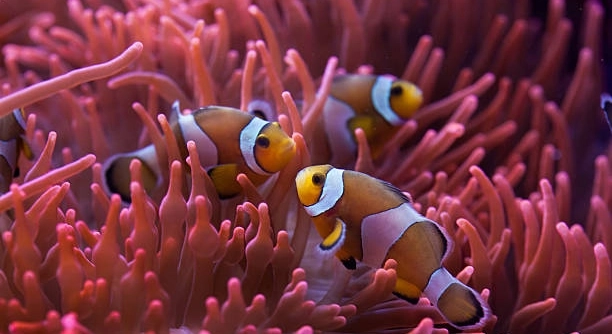
Have you ever watched a clownfish swim and noticed its unusual wobbly motion that sets it apart from other fish in the reef?
Clownfish wobble while swimming due to their unique pectoral fin movement and rounded body shape, which limit streamlined motion. This swimming style helps them navigate tight coral spaces and maintain balance while living among sea anemones.
This swimming behavior plays an important role in how clownfish survive in their environment and interact with the world around them.
What Makes Clownfish Swim Differently
Clownfish have a distinctive way of swimming that looks more like a gentle wobble than a smooth glide. This motion is mainly caused by their body shape and fin positioning. Unlike fast swimmers with sleek bodies and narrow tails, clownfish have a more rounded structure and smaller fins. Their pectoral fins move in a rowing motion, and their tails don’t provide as much thrust. This gives their swimming a bouncy rhythm, almost like they’re rocking from side to side. Instead of darting around quickly, clownfish take short, precise strokes. This helps them stay close to their host anemones and move safely in narrow reef areas. Since they rely on their home anemone for protection, being able to stay nearby is more useful than swimming fast. Their motion may seem awkward at first, but it’s actually quite effective for their needs.
Their swimming style is not a weakness—it’s a helpful adaptation.
This wobble also lets them make quick turns in tight spaces without using much energy, which is ideal for coral reefs.
How Environment Shapes Their Behavior
Coral reefs are tight, colorful spaces filled with movement and hidden predators. In these conditions, clownfish don’t need speed—they need control.
Clownfish have evolved to swim in ways that match the reef’s complexity. Their wobbling movement may look inefficient, but it helps them maneuver through coral without getting stuck. They don’t swim far from home, so fast swimming isn’t necessary. Instead, they rely on staying close to anemones, which offer shelter and protection. These anemones also sting other fish, keeping predators away. The clownfish’s motion keeps them near this safety zone while they forage or care for their territory. Also, clownfish have strong site fidelity—they rarely leave their host anemone once settled. This limits the need for long-distance travel and encourages a style of swimming that favors balance and control. Over time, their bodies have adapted to this purpose. Rather than moving with speed, they move with intention. Their wobble is part of their success in the reef.
Why Wobbling Works for Their Lifestyle
Wobbling allows clownfish to stay alert and anchored in one place. Their motion is slow and controlled, which helps them avoid danger and stay within the protective reach of their sea anemones.
This swimming style also helps clownfish remain stable in water currents. Reefs often experience gentle but shifting flows, and wobbling gives clownfish the control they need to adjust without drifting too far. They don’t need strong tails to dart away because they’re not usually chasing prey or escaping predators through open water. Instead, they rely on their close bond with the anemone for safety. Wobbling keeps them within that narrow zone where the anemone’s stings keep larger fish at bay. Their movement also prevents them from appearing too threatening to the anemone, keeping the relationship peaceful. Over time, this balance of motion and behavior has become part of how clownfish survive and thrive.
Their wobble also helps them feed efficiently. By hovering in place, they can pick at floating food particles or nibble on algae without needing to swim long distances. This reduces energy use and supports their slow, steady lifestyle. Combined with their social structure and territory-based habits, their motion helps them meet daily needs with little risk or waste. They are small fish with a focused routine, and their swimming reflects that rhythm perfectly.
How Anatomy Influences Their Movement
Clownfish have short, rounded fins that create more drag than thrust, contributing to their wobbly swimming motion. Their compact bodies are not built for speed but are ideal for controlled, limited movement.
The way clownfish are built directly shapes how they move. Their small caudal (tail) fins don’t offer the push needed for fast swimming. Instead, they rely heavily on their pectoral fins, located on the sides of their body, which move in a paddling motion. This motion, combined with their slightly bulky midsection, gives them their side-to-side wobble. They also lack the stiff, streamlined features seen in faster fish like tuna. Their bodies are flexible, helping them twist and shift directions easily in tight coral structures. Because they’re not built for bursts of speed, clownfish don’t waste energy trying to swim fast. Instead, every part of their anatomy supports short, precise movements that allow them to stay safe and efficient in small spaces.
Why They Don’t Need to Swim Fast
Clownfish don’t travel far from their host anemones, so speed isn’t essential for survival. Their needs are met within a small area, making quick, long-distance swimming unnecessary.
Staying close helps them conserve energy while keeping them safe. Their environment doesn’t require fast movement, only precision and awareness.
What Happens When They Leave the Anemone
When clownfish leave the anemone, they become more vulnerable. Without its protection, they risk being eaten by larger fish. Their slow swimming speed doesn’t help in open water, which is why they rarely stray far. The wobbling movement that works well near coral becomes a disadvantage in exposed areas. Most clownfish will only leave briefly, often to chase off intruders or explore nearby food sources. But they usually return quickly, keeping their trips short and focused. Their bodies and swimming style simply aren’t made for long escapes or fast chases, so staying close is the safest and smartest choice.
Wobbling as a Survival Trait
Wobbling may look strange, but it helps clownfish survive. It fits their size, environment, and daily routine perfectly.
FAQ
Do clownfish wobble because they are weak swimmers?
Not exactly. Clownfish wobble due to their body structure and fin movement, not because they are weak. Their rounded shape and small tail fins limit their ability to swim quickly. Instead, they use short, controlled strokes that allow them to stay balanced and close to their anemones. In their reef environment, speed is less important than precision and stability. What may appear as weak swimming is actually a highly adapted movement style suited for their daily needs.
Is clownfish wobbling a sign of illness?
No, wobbling is normal and healthy behavior for clownfish. It’s how they naturally move. If a clownfish is wobbling in its usual side-to-side rhythm and remains alert, eating, and active, then there’s no need for concern. Illness would show up in other ways, such as floating at the surface, sinking, losing color, or refusing food. A healthy clownfish will wobble in place, make short bursts of movement, and stay close to its territory.
Why don’t clownfish swim like other reef fish?
Clownfish have different swimming needs. Many reef fish need to move quickly or chase prey, but clownfish don’t. They live in small spaces and depend on sea anemones for protection. Their bodies are adapted to slow movement, which keeps them near home. Their swimming style helps them save energy and stay out of harm’s way. Unlike other reef fish that dart around the reef, clownfish are more focused on maintaining their place and caring for their territory.
Do all clownfish wobble the same way?
Yes, most clownfish species show similar wobbling movements. Their anatomy is consistent across types, and their environments are also quite similar. While there may be small differences depending on species size or age, the overall motion remains the same. Young clownfish may wobble more noticeably because they’re still adjusting to the water, while adults may appear steadier. But in general, the pattern of motion—gentle, bouncy, and close to the reef—is shared among them.
Can clownfish swim faster when they need to?
They can swim faster in short bursts, but only for a moment. Their small fins and rounded shape make long-distance speed difficult. If startled, a clownfish might dart quickly for a short distance, especially if moving back to its anemone. But it won’t keep that speed up for long. Their bodies aren’t made for high-speed swimming like some open-water fish. When threatened, their best defense is usually to retreat into the safety of the anemone rather than try to outrun a predator.
How do clownfish benefit from their wobbling swim?
Their wobble helps them with balance and movement control. Coral reefs are full of tight, complex spaces, and wobbling allows clownfish to stay upright, move carefully, and avoid injury. It also helps them stay within the reach of their host anemone, which is key for survival. This swimming style is energy-efficient and reduces the chance of drifting into danger. For clownfish, wobbling is less about moving fast and more about staying steady in a space where every inch counts.
Is the wobble unique to clownfish?
It’s more noticeable in clownfish, but not completely unique. Some other small reef fish with similar body shapes may wobble slightly as well. However, clownfish are more recognized for this movement due to how much time they spend in a single location and how often they’re seen hovering in place. Their behavior, anatomy, and environment make the wobble a distinct part of how they live. It’s one of the reasons they’re so easy to recognize among reef fish.
Does wobbling affect how clownfish interact with each other?
Yes, their swimming helps them maintain social bonds. In their small groups, clownfish communicate through subtle body movements, including posture and motion. The slow, controlled wobble helps them stay close without appearing aggressive. Quick, sharp movements might be seen as threats, but wobbling is calm and neutral. It keeps their behavior predictable and peaceful, especially when living in close quarters inside an anemone. Their motion even plays a role in courtship and territory defense, helping express dominance or submission in a non-threatening way.
Final Thoughts
Clownfish wobble when they swim because of how they are built and where they live. Their small fins and rounded bodies don’t allow for fast, straight swimming like other fish. Instead, they move with a gentle, side-to-side motion that keeps them balanced and in control. This style of swimming may look unusual, but it works well in coral reefs. Their homes are tight, busy spaces, and being able to move carefully without drifting too far is a big advantage. Over time, clownfish have developed this wobble to match their needs. It’s not a flaw—it’s part of what makes them successful in their environment.
This swimming behavior also plays a role in how clownfish interact with their surroundings. Since they rely on sea anemones for safety, staying close is important. The wobble helps them remain within the protective range of the anemone while still being able to feed and defend their space. They don’t waste energy trying to swim fast or far. Instead, their motion allows them to float, turn quickly, and move with care. This helps them avoid danger and stay hidden from predators. It also supports their calm, slow lifestyle and close group structure. Each movement is shaped by what helps them survive, not by speed.
Even though clownfish may not move like other fish, their wobble is perfectly suited to their daily lives. It helps them stay safe, communicate, and conserve energy. For those watching them, it can seem strange or even amusing. But behind that movement is a well-adapted strategy that has worked for them for a long time. Their swimming may not be fast or flashy, but it fits their rhythm and role in the reef. Watching a clownfish wobble is more than just seeing a cute motion—it’s seeing how nature shapes behavior through need, space, and design. The wobble tells a story of balance, survival, and adaptation.

Hello,
If you enjoy the content that we create, please consider saying a "Thank You!" by leaving a tip.
Every little bit helps us continue crafting quality advice that supports the health, happiness, and well-being of pets around the world, for pets of all shapes, sizes, and species.
We really appreciate the kindness and support that you show us!