
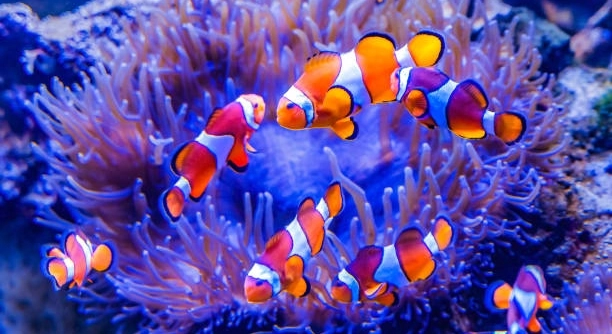
Clownfish are known for their bright colors and unique behaviors in coral reefs. One curious action they sometimes display is swimming in circles. This behavior can catch the attention of observers who study their habits and environment.
Clownfish swim in circles mainly as a territorial or social behavior. This circling helps reinforce dominance, communicate with other fish, and maintain their place within the anemone. It is an essential part of their interaction and survival strategy in their habitat.
Understanding why clownfish swim in circles offers insight into their social structures and environmental needs. This knowledge enhances our appreciation of their role in marine ecosystems and their fascinating behaviors.
Why Clownfish Circle Around Their Anemones
Clownfish often swim in circles near their sea anemones, which serve as their home and protection. This circling helps the clownfish maintain a close relationship with the anemone’s tentacles, keeping them clean and free from debris. It also helps the fish check the safety of their environment by signaling their presence to other fish. The movement keeps the clownfish agile and ready to react quickly if a threat appears. Circling may also help strengthen the bond between the clownfish and the anemone, as both species benefit from this partnership. The anemone provides shelter while the clownfish offers cleaning services and protection from predators.
This behavior is a natural part of their daily routine, necessary for survival and maintaining the health of their habitat. It is not random but purposeful, showing the intricate balance between these two species.
Observing this behavior gives a better understanding of how clownfish interact with their environment and the vital role this movement plays.
Social Signals and Territorial Behavior
Swimming in circles is a way for clownfish to communicate and defend their space. It signals to other fish that the area is occupied.
Clownfish are territorial by nature, and circling helps them establish boundaries without engaging in physical fights. The movement is a visual message to rivals, showing they are ready to defend their home. This behavior also helps reduce conflict by allowing clear communication between individuals. Circling is often accompanied by other signals, such as fin flicks or changes in color, which further express dominance or submission. It is a method of maintaining social order within the group. By using this non-aggressive behavior, clownfish avoid unnecessary harm while keeping their territory secure. This strategy supports the stability of the reef community and the survival of the species. Understanding these social signals can provide deeper insight into the complex lives of these small but fascinating fish.
The Role of Circling in Mating Behavior
Circling plays a significant role during clownfish mating rituals. It helps partners strengthen their bond and synchronize reproductive activities. The movement signals readiness and cooperation between the pair, preparing them for spawning.
This behavior increases the chance of successful mating by ensuring both fish are in sync. Circling can also deter rival males from approaching the female, protecting the pair’s reproductive effort. It acts as a subtle but effective display of partnership and commitment. This pattern is essential for maintaining reproductive success and the survival of the species. Circling demonstrates how even simple movements have important functions in clownfish life.
In addition to bonding, circling helps the pair communicate during the sensitive mating period. The behavior reduces stress and confusion, allowing them to focus on reproduction. It is a quiet yet powerful way to coordinate their efforts in the busy reef environment.
Environmental Influence on Circling Behavior
Changes in the environment can affect how often clownfish swim in circles. Factors like water temperature, predators, and availability of shelter all play a role.
When the environment is stable, circling is more relaxed and frequent, supporting social and survival needs. However, if threats increase or conditions worsen, the behavior may become more intense or less frequent as the fish adjust to stress. For example, if a predator is near, circling may increase to signal alertness or defend territory. Alternatively, pollution or habitat damage can disrupt normal circling patterns, impacting their health. Understanding these influences helps explain how clownfish adapt their behavior to survive. This knowledge highlights the importance of protecting reef environments to maintain natural behaviors and species balance.
Circling and Stress Response
Clownfish may swim in circles when feeling stressed or threatened. This behavior helps them stay alert and ready to respond quickly to danger.
Circling can also act as a calming mechanism. It allows clownfish to regulate their energy and focus during stressful moments.
How Circling Affects Group Dynamics
Circling helps maintain balance within clownfish groups. It establishes social roles and prevents conflicts by signaling intentions clearly. This behavior supports cooperation and peaceful coexistence among group members, essential for their survival in crowded reef environments.
Circling Patterns and Age
Younger clownfish tend to circle more frequently than older ones. This may be linked to their higher energy levels and need to establish territory.
Observing Circling in Captivity
Clownfish in aquariums also show circling behavior. It reflects their natural instincts and social interactions even outside their wild habitat.
Why do clownfish swim in circles around anemones?
Clownfish swim in circles around anemones to maintain their close relationship with these protective hosts. Circling helps keep the anemone’s tentacles clean and signals to other fish that the clownfish is present and guarding its territory. This behavior strengthens the mutual benefits between clownfish and anemones, promoting both safety and cleanliness.
Is circling a sign of stress or normal behavior?
Circling is generally a normal behavior that serves social and territorial functions. However, increased or frantic circling can indicate stress caused by predators, changes in the environment, or overcrowding. In such cases, the behavior helps clownfish stay alert and ready to respond to threats.
Do all clownfish species circle in the same way?
Most clownfish species show circling behavior, but the frequency and style can vary. Factors such as habitat, social structure, and species-specific traits influence how they circle. Some species may circle more often during mating or territorial disputes, while others use it mainly for social bonding.
Can circling behavior help identify dominant fish?
Yes. In clownfish groups, dominant individuals often circle more confidently and frequently. This behavior signals strength and control over territory, helping to establish social order without direct aggression. Subordinate fish usually circle less or show more cautious movements to avoid conflict.
Does circling affect clownfish mating success?
Circling plays a key role in mating by helping pairs bond and synchronize spawning. It signals readiness to reproduce and can discourage rival males from approaching the female. Effective circling increases the chances of successful fertilization and healthy offspring.
How does the environment impact circling?
Environmental factors such as water temperature, predators, and habitat quality influence circling behavior. Stable conditions promote regular, calm circling, while stressors like predators or pollution can increase circling frequency or disrupt normal patterns. Healthy reef environments support natural circling and social interactions.
Why do younger clownfish circle more often than older ones?
Younger clownfish circle more due to higher energy levels and the need to establish their place in the social hierarchy. Circling helps them learn territory boundaries and develop social bonds. Older fish, having established their roles, tend to circle less frequently.
Do clownfish in captivity show the same circling behavior?
Yes, clownfish in aquariums display circling behavior similar to wild fish. This shows their natural instincts persist outside their natural environment. Circling in captivity reflects social interactions, territorial defense, and stress responses.
Can circling behavior indicate health problems?
Unusual circling patterns, such as repetitive or frantic swimming, can sometimes signal health issues or stress. Changes in water quality, parasites, or injury may cause abnormal behavior. Monitoring circling alongside other signs can help detect problems early.
Is circling always done near anemones?
While clownfish usually circle near their host anemones, they may also circle in open water during social interactions or mating. The behavior is most common near anemones, where it supports protection, cleaning, and communication.
How long do clownfish typically circle at one time?
Circling sessions vary from a few seconds to several minutes, depending on the purpose. Brief circling may signal presence or alertness, while longer circling helps in territory defense, cleaning, or courtship. The behavior is intermittent throughout the day.
Can circling be used to train or calm clownfish in aquariums?
Understanding circling helps aquarium keepers provide better environments. Mimicking natural conditions encourages normal circling, reducing stress. However, circling itself is not a training tool but rather a behavior indicating how comfortable the fish feel in their space.
What should you do if clownfish stop circling?
A sudden stop in circling may indicate stress, illness, or changes in environment. Check water quality, temperature, and tank conditions. Observe for signs of disease or injury. Restoring stable conditions often helps fish return to normal behavior.
Does circling protect clownfish from predators?
Circling helps clownfish stay alert and ready to defend their territory. It signals to predators that the area is occupied and that the fish are vigilant. The behavior, combined with their relationship with anemones, offers effective protection.
Are there other fish that show similar circling behaviors?
Yes, several reef fish use circling as social or territorial behavior. It is a common way to communicate presence, dominance, or readiness without fighting. Circling is one of many non-aggressive signals found in reef ecosystems.
Clownfish swimming in circles is a behavior that serves many important purposes. It is not random or meaningless but is tied closely to their survival and social life. Circling helps clownfish maintain a strong bond with their host anemones, which provide them with protection from predators. This movement keeps the anemone clean and signals to other fish that the area is occupied. It is a natural part of how clownfish live and interact in their environment. Understanding this behavior gives us insight into the balance between clownfish and their surroundings.
This circling behavior also plays a crucial role in communication among clownfish. It helps them establish and defend territories without having to fight. The movement signals dominance, readiness to mate, or alertness to threats. Through circling, clownfish can avoid many conflicts, which is important in the crowded spaces of coral reefs. It also helps younger fish learn their place in the social order. These social signals keep the group stable and allow the fish to live peacefully together. By observing these patterns, we can better appreciate the complexity of their social lives.
Environmental conditions have a strong effect on how and when clownfish circle. When conditions are safe and stable, circling is more relaxed and frequent. But changes such as the presence of predators or poor water quality can change this behavior. Stressful situations may cause the fish to circle more rapidly or less often. This shows that circling is connected to the clownfish’s overall well-being. For those who keep clownfish in aquariums, providing an environment that supports natural behaviors like circling is important. It helps the fish stay healthy and behave as they would in the wild. Overall, the circling behavior of clownfish is a small but meaningful part of their life that reflects their adaptation and survival in the ocean.

Hello,
If you enjoy the content that we create, please consider saying a "Thank You!" by leaving a tip.
Every little bit helps us continue crafting quality advice that supports the health, happiness, and well-being of pets around the world, for pets of all shapes, sizes, and species.
We really appreciate the kindness and support that you show us!