
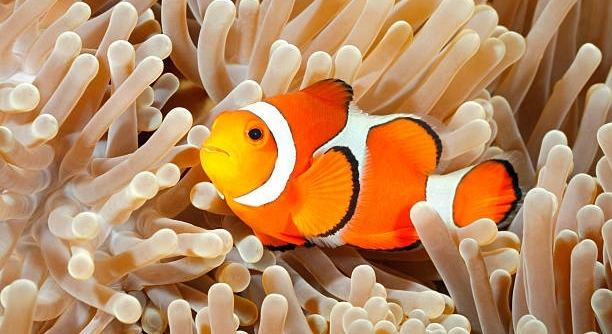
Clownfish are well known for their bright colors and unique behavior in coral reefs. One of their interesting actions is shaking or vibrating, which can catch the attention of divers and aquarium enthusiasts alike. This article explores the reasons behind this curious movement.
Clownfish shake for various reasons including communication, stress response, mating behavior, and to remove parasites or debris. This shaking is a natural and adaptive behavior essential for their survival and interaction within their environment.
Understanding why clownfish shake can provide insights into their health and habits. This knowledge helps both hobbyists and researchers better care for these fascinating fish.
Reasons Behind Clownfish Shaking
Clownfish shake for several practical reasons that help them survive and communicate. One common reason is to remove unwanted particles or parasites from their skin and fins. This behavior keeps them clean and healthy in their aquatic environment. Shaking can also serve as a way to express stress or discomfort, especially when the fish feels threatened or is adjusting to a new setting. Another important reason is during mating rituals, where shaking signals readiness and attracts partners. Communication with other clownfish is also part of this shaking behavior, as it helps establish social hierarchies within their groups. These movements are brief but frequent, showing the fish’s constant interaction with their surroundings.
Shaking is a natural, essential behavior for clownfish, tied to their wellbeing and social life.
Recognizing these reasons can improve the care given to clownfish in captivity. By observing when and how often they shake, owners can detect early signs of stress or illness. Maintaining a clean environment and ensuring proper tank conditions helps reduce shaking caused by discomfort or parasites. Understanding their communication signals can also support healthier group dynamics among multiple clownfish.
How Stress Affects Clownfish Shaking
Stress often triggers shaking in clownfish. It can come from poor water quality, overcrowding, or sudden changes in the tank environment.
Stress causes clownfish to shake as a physical reaction to discomfort. This shaking is a way for them to try to relieve tension or irritation. When water parameters like temperature, pH, or ammonia levels are off balance, clownfish become uneasy. Overcrowding can lead to competition and aggression, raising stress levels and increasing shaking behavior. Sudden changes, such as new tank mates or relocation, also disturb their sense of safety. It is important to provide a stable, clean, and calm environment to reduce stress-related shaking. Regular water testing and proper tank maintenance are key to keeping clownfish comfortable and healthy. Noticing changes in shaking frequency can help catch stress early and prevent more serious health problems.
Shaking as a Communication Tool
Clownfish use shaking to communicate with other fish around them. This movement signals different messages depending on the situation.
Shaking helps clownfish show dominance or submission within their group. When a clownfish shakes near another, it might be asserting its place in the social hierarchy. This behavior is important for maintaining order in their community. The shaking can also signal readiness to mate or warn others about nearby threats. Unlike loud sounds, these visual signals work well underwater where visibility is limited. Understanding these subtle cues can provide insight into their interactions and needs.
Observing shaking closely can reveal a lot about clownfish relationships. Their social structure depends on clear communication, making this shaking behavior crucial. It helps prevent unnecessary conflicts and encourages cooperation among the group members.
Shaking During Feeding Time
Clownfish sometimes shake to express excitement or anticipation when food is nearby. This behavior shows their alertness and readiness to eat.
When feeding time approaches, clownfish become more active and may shake their bodies or fins. This movement helps them stay alert and signals to others that food is available. Shaking can also help loosen particles or food scraps from the environment, making it easier to catch prey. Additionally, it might stimulate the clownfish’s senses, improving focus on the feeding process. Providing a consistent feeding routine reduces stress and encourages natural behavior, including shaking. Watching how they behave during feeding can help identify their health and comfort levels.
Shaking to Remove Parasites
Clownfish shake to get rid of parasites and irritants on their skin. This natural behavior helps keep them healthy.
Regular shaking helps dislodge tiny pests that may harm the fish. It is an important part of their self-care routine in the wild and captivity.
Mating Rituals and Shaking
During mating, clownfish use shaking as a signal to attract and communicate with potential partners. This movement shows readiness and interest in breeding. Shaking can also strengthen the bond between mates, ensuring cooperation in caring for eggs and territory defense. This behavior is essential for successful reproduction and the survival of their species.
Shaking as a Stress Indicator
Excessive shaking may indicate that a clownfish is under stress. Monitoring shaking frequency can help identify health or environmental issues early.
FAQ
Why do clownfish shake more in a new tank?
When introduced to a new tank, clownfish often shake due to stress. The unfamiliar environment, different water parameters, and new tank mates can make them uneasy. This shaking is a natural response as they try to adjust and feel safe. It usually decreases once the fish get comfortable and the tank conditions stabilize. Keeping the water clean and stable during this period helps reduce shaking and supports their adaptation.
Is shaking always a sign of illness in clownfish?
Not always. Shaking can indicate illness, but it can also be normal behavior related to communication, cleaning, or mating. However, if shaking becomes excessive, combined with other signs like loss of appetite, discoloration, or lethargy, it might signal health problems. Observing all behaviors and tank conditions is important to determine if medical attention is needed.
Can poor water quality cause clownfish to shake?
Yes, poor water quality is a common cause of shaking in clownfish. High ammonia, nitrite, or nitrate levels irritate their skin and gills, leading to discomfort and shaking. Maintaining proper filtration, regular water changes, and testing water parameters are crucial to prevent this issue and keep clownfish healthy.
How does overcrowding affect clownfish shaking?
Overcrowding increases stress and competition among clownfish, which often leads to shaking. Too many fish in a small space cause aggression and anxiety, making the fish shake as a reaction. Providing enough space and hiding spots helps reduce stress and shaking caused by overcrowding.
Does shaking help clownfish clean themselves?
Yes, shaking helps remove parasites, algae, and debris from their skin and fins. This self-cleaning behavior is essential to avoid infections and maintain healthy skin. It is a natural action seen frequently in healthy clownfish.
Can clownfish shaking be a mating behavior?
Absolutely. Shaking is often part of clownfish mating rituals. It signals readiness to breed and helps attract a partner. The movement also strengthens bonds between mates, improving cooperation during egg care and protection.
Should I worry if my clownfish shakes frequently?
Frequent shaking can be normal but also a sign of stress or illness. If it happens alongside other symptoms like changes in appetite, color, or activity level, it requires attention. Checking tank conditions and consulting an expert can help identify the cause.
What can I do to reduce shaking in clownfish?
Ensuring a stable environment with proper water parameters, adequate space, and compatible tank mates reduces shaking. Regular tank maintenance, feeding balanced food, and minimizing sudden changes are key steps to keep clownfish calm and healthy.
Does shaking cause harm to clownfish?
Shaking itself does not harm clownfish. It is a natural behavior. However, if shaking results from stress, parasites, or illness, the underlying issue can affect their health. Addressing the root cause is important for their well-being.
How can I tell if clownfish shaking is due to parasites?
If shaking is accompanied by scratching against objects, visible spots or marks on the skin, or rapid breathing, parasites might be present. Quarantining the fish and using appropriate treatments can help remove parasites and stop the shaking.
Is it normal for clownfish to shake at night?
Clownfish usually rest at night and shake less. Frequent shaking during this time may indicate discomfort or stress. Observing other behaviors and tank conditions can provide clues about nighttime shaking.
Can diet affect clownfish shaking?
A poor diet can weaken clownfish, making them more susceptible to stress and parasites, which may cause shaking. Feeding a varied and balanced diet supports their health and reduces shaking caused by weakness or illness.
Does shaking help clownfish breathe better?
Shaking is not directly related to breathing. However, if water quality is poor, clownfish may shake due to irritation from lack of oxygen or toxins. Proper aeration and filtration are important to keep clownfish breathing comfortably.
Can shaking indicate aggression in clownfish?
Yes, shaking can signal aggression or dominance when clownfish interact. It helps establish social ranking within the group, reducing actual fights by showing strength or submission through movement.
How quickly should shaking stop after fixing tank issues?
Shaking usually decreases within a few hours to days after improving water quality or reducing stress factors. If shaking continues longer, further investigation may be needed to find other causes.
Is shaking common in juvenile clownfish?
Young clownfish may shake more often as they grow and learn to interact with their environment and other fish. This behavior is generally normal unless accompanied by signs of illness or poor tank conditions.
Final Thoughts
Clownfish shaking is a natural and common behavior that serves many purposes. It is not always a cause for concern. Sometimes, shaking helps the fish stay clean by removing parasites or debris. Other times, it is part of their communication or mating rituals. Recognizing these normal behaviors can help you better understand how clownfish interact with their environment and with each other. Observing their shaking in context—such as the time of day, other behaviors, or changes in their tank—can provide useful clues about their overall health and wellbeing.
However, excessive or unusual shaking can signal that something is wrong. Stress from poor water quality, overcrowding, or sudden changes in the tank environment often causes clownfish to shake more frequently. Illness and parasites are other common reasons for increased shaking. It is important to pay attention to additional symptoms like changes in appetite, color, or activity levels. Keeping water parameters stable and maintaining a clean, well-balanced tank reduces many of these risks. Prompt action to address problems can prevent more serious health issues and help the fish recover quickly.
Overall, understanding why clownfish shake improves how you care for them. Whether it is natural communication or a sign of discomfort, shaking is an important behavior to monitor. Providing a calm, clean environment and regular care supports their natural habits and health. Watching your clownfish carefully will allow you to notice any changes early and respond appropriately. This attention ensures your clownfish remain healthy, active, and comfortable in their home.

Hello,
If you enjoy the content that we create, please consider saying a "Thank You!" by leaving a tip.
Every little bit helps us continue crafting quality advice that supports the health, happiness, and well-being of pets around the world, for pets of all shapes, sizes, and species.
We really appreciate the kindness and support that you show us!