
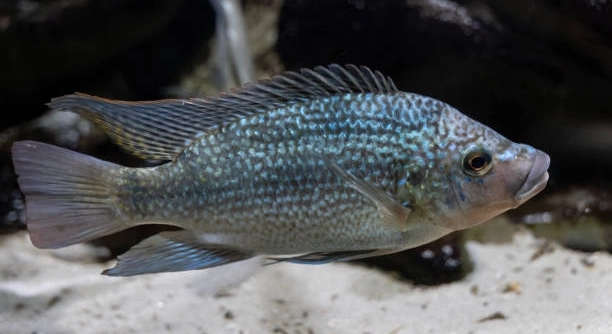
Cichlids are fascinating freshwater fish known for their bright colors and lively behavior. Many aquarists notice them splashing water at the surface, a behavior that can seem puzzling or even alarming at first glance.
Cichlids splash water at the surface primarily to aerate their environment, communicate, and protect their territory. This behavior is instinctual, ensuring oxygen levels remain sufficient, signaling presence to other fish, and maintaining a healthy, balanced habitat within their tank or natural surroundings.
Observing this behavior can reveal important insights into your cichlids’ health, environment, and social interactions, making it a key aspect of caring for these active fish.
Breeding and Territorial Behavior
Cichlids often splash as part of their breeding and territorial instincts. In my tank, I noticed certain fish splashing more vigorously when new additions were introduced or during breeding periods. This behavior is a way to claim space and protect eggs or fry. Surface splashing can help stir up water to provide more oxygen for developing eggs, ensuring they survive and thrive. It also signals other fish to respect boundaries. Territorial disputes can include chasing or quick bursts toward the surface, making splashing a visible sign of dominance. By observing these behaviors, I learned which fish were establishing territories and which were more submissive. Understanding these interactions allows for better tank management, including spacing decorations and creating safe zones. It reduces stress for both adults and young fish while keeping the tank balanced. The intensity and frequency of splashing often indicate the level of social tension present.
Territorial splashing is normal and reflects natural instincts, not aggression toward caretakers.
Watching these interactions gave me a clearer view of my cichlids’ social hierarchy. Recognizing patterns helped me separate overly aggressive fish when needed and ensure weaker fish had space. I also adjusted hiding areas and breeding zones to accommodate natural behaviors. Over time, the tank became calmer, and splashing was less about stress and more about regular activity.
Feeding and Surface Interaction
Cichlids splashing often occurs during feeding times. They instinctively grab food at the surface, causing water disturbance.
The way I feed my fish can influence splashing levels. Spreading food evenly reduces frantic surface activity.
Feeding routines play a role in surface splashing behavior. When I first offered flakes or pellets, my cichlids would leap and create splashes, sometimes soaking nearby decorations. Over time, I noticed that smaller, frequent meals reduced sudden bursts and kept fish calmer. Floating food encourages natural foraging but can increase surface activity, while sinking pellets shift focus to mid-water feeding. Adjusting feeding techniques, such as using feeding rings or distributing food in different areas, balances activity. Observation is key, as each species of cichlid reacts differently. By monitoring how they approach food and respond to different types, I learned to manage splashing without limiting their natural behavior. Proper nutrition, combined with controlled feeding methods, supports health while reducing stress-driven surface splashes, making daily care more manageable and predictable.
Stress and Environmental Changes
Sudden changes in water conditions often trigger splashing. My cichlids reacted immediately when I adjusted the temperature or rearranged decorations.
Cichlids are sensitive to water chemistry, temperature, and tank layout. Even small shifts can create stress, causing frantic surface activity. I noticed that after water changes, splashing increased temporarily until they acclimated. Stress can also appear when new fish are introduced or when territorial boundaries are disrupted. Monitoring water parameters and maintaining a stable environment reduces excessive splashing. Observing behavior closely after changes allows adjustments to prevent long-term stress.
Creating a calm environment requires attention to detail. I learned to change water gradually, keep consistent temperatures, and maintain familiar hiding spots. These small measures minimize stress-induced splashing. Over time, my fish became more predictable in behavior, splashing only during normal routines or feeding, rather than reacting to disturbances.
Health Indicators
Excessive splashing can indicate health issues. I noticed one fish splashing more when it had gill irritation.
Monitoring behavior provides early signs of illness. Surface activity can reveal oxygen deficiency, parasites, or infection. Adjusting aeration, water quality, and treatment plans helps manage these issues.
Changes in splashing frequency or intensity often reflect physical discomfort. I observed that when my cichlids were lethargic or rubbing against decorations, splashing patterns shifted. This helped me identify infections or gill problems early, allowing timely interventions. Maintaining clean water, stable temperatures, and proper nutrition supports recovery and reduces stress. Health checks became easier as I correlated behavior with condition, making it simpler to ensure overall well-being and prevent serious illness.
Playful and Social Behavior
Cichlids sometimes splash simply for interaction or play. I noticed mine enjoying the surface when exploring new decorations.
This behavior strengthens social bonds and helps establish pecking orders. Playful splashing is normal and usually occurs in groups, reflecting healthy engagement among tank mates.
Oxygen Levels
Surface splashing often occurs when oxygen is low. Fish instinctively stir water to improve circulation.
Maintaining proper aeration, using filters, and avoiding overcrowding keeps oxygen levels stable. I adjusted air stones in my tank and saw splashing reduce noticeably. This simple step ensures fish remain comfortable and active.
Seasonal and Daily Patterns
Cichlids’ splashing can vary by time of day or season. Morning activity often peaks during feeding, while warmer months increase movement.
Observing patterns helps predict behavior and adjust care routines. I timed feedings and aeration to match these cycles, keeping my cichlids calmer and their environment balanced.
FAQ
Why do cichlids splash more during feeding?
Cichlids splash more during feeding because they instinctively go after food at the surface. I noticed that when I scatter flakes or pellets, my fish leap and stir the water to grab each piece. Floating food encourages this natural foraging behavior, while sinking pellets reduce surface activity. Feeding smaller portions more frequently helps manage splashing and keeps fish calmer. Using feeding rings or spreading food across the tank prevents overcrowding at one spot, which also lowers frantic surface activity.
Is splashing a sign of stress?
Yes, splashing can indicate stress if it happens outside feeding or playful behavior. My cichlids often splashed after water changes or tank rearrangements. Sudden temperature shifts, poor water quality, or overcrowding increase surface activity. Observing behavior after changes helps identify stress triggers. Stabilizing water conditions, maintaining hiding spots, and keeping consistent temperatures reduce stress-related splashing.
Does tank size affect splashing?
Tank size impacts how often cichlids splash. Smaller tanks create more competition for space, causing more surface activity. I noticed that increasing tank size and adding hiding areas reduced frantic splashing. Adequate space lets fish establish territories and move freely without disturbing each other, promoting calmer surface behavior.
Can oxygen levels cause splashing?
Low oxygen levels often cause cichlids to splash. Fish instinctively stir water at the surface to improve circulation. I added air stones and improved filtration, and splashing decreased noticeably. Ensuring proper aeration, avoiding overcrowding, and regularly checking water parameters keeps oxygen levels stable, which reduces unnecessary surface activity.
Is splashing related to breeding?
Yes, splashing is often linked to breeding behavior. Cichlids protect eggs or fry and claim territory, sometimes splashing vigorously to ward off other fish. I observed that during breeding, surface activity increased as adults stirred water to oxygenate eggs and signal boundaries. Providing separate breeding zones reduces conflicts and allows natural behavior.
Can playful behavior cause splashing?
Playful behavior is a normal reason for splashing. My cichlids sometimes leap at the surface simply to explore or interact with tank mates. This activity strengthens social bonds and allows them to practice natural instincts. Regular observation helps distinguish playful splashing from stress or illness.
Should I worry about excessive splashing?
Excessive splashing can indicate health or environmental issues. When one fish repeatedly splashes or rubs against surfaces, it may have gill irritation or parasites. I check water quality, adjust aeration, and monitor diet. Consistent care and observation prevent minor problems from escalating and help fish remain healthy.
Do daily patterns influence splashing?
Cichlids’ splashing varies with time of day and season. My fish splash more during morning feedings and warmer months. Recognizing these patterns allows me to adjust feeding and aeration routines, keeping fish comfortable. Observing activity cycles also helps predict behavior and maintain a balanced tank environment.
How can I reduce unwanted splashing?
To reduce splashing, I focus on tank setup, feeding methods, and environmental stability. Adding hiding spots, adjusting water flow, using air stones, and providing proper nutrition all help. Gradual water changes and consistent temperature control also prevent stress-induced surface activity, keeping splashing purposeful rather than chaotic.
Can splashing indicate a social hierarchy?
Yes, splashing often reflects social interactions. Dominant fish may splash to assert territory, while submissive fish respond or retreat. I observed how certain fish consistently splashed near others, signaling presence and hierarchy. Understanding these behaviors helps manage group dynamics and reduce conflicts in shared tanks.
Do different species splash differently?
Different cichlid species show varying splashing behavior. Some are naturally more active at the surface, while others stay near the bottom. In my experience, observing species-specific tendencies allows tailored care, including tank layout, feeding routines, and social grouping, which ensures calmer and healthier fish.
Is splashing harmful to cichlids?
Generally, splashing is not harmful. I’ve seen my cichlids splash for oxygenation, play, or territorial reasons without injury. Problems arise only when splashing is excessive due to stress, poor water quality, or illness. Monitoring behavior and maintaining stable conditions prevents splashing from becoming damaging.
How do I know if splashing is normal?
Normal splashing aligns with feeding, play, social interaction, or breeding. I watch for patterns and context. Erratic or continuous surface activity, rubbing, or lethargy signals a possible problem. Observing water quality, tank conditions, and interactions helps distinguish normal behavior from concerns.
Can diet affect splashing?
Diet influences splashing indirectly. My cichlids were more active when food was scarce or unevenly distributed. Providing frequent, balanced meals reduces frantic surface bursts. Floating food increases natural foraging splashes, while sinking pellets limit excessive movement. Proper nutrition supports calmer behavior and overall health.
Are decorations and tank structure important?
Yes, tank layout affects surface activity. I noticed that adding rocks, plants, and hiding areas reduced frantic splashing by providing territory markers and retreat zones. Proper decoration placement balances natural instincts with environmental stability, lowering stress-induced surface activity.
Cichlids splashing at the surface is a behavior that reflects their natural instincts and daily routines. From my experience, it is rarely random and usually serves a clear purpose, whether it is related to feeding, social interaction, or environmental adjustment. Observing your fish carefully over time helps to understand the patterns behind this behavior. I noticed that different times of day, tank conditions, and the presence of other fish all influenced how and when my cichlids splashed. Paying attention to these details allowed me to respond appropriately, ensuring that their environment remained stable and supportive of their health. Splashing can be a sign of active, healthy fish, and understanding it provides insight into their needs. It also highlights the importance of maintaining a clean, well-oxygenated tank and avoiding sudden changes that can create stress.
Creating a balanced environment is essential to managing splashing behavior. I found that tank size, water quality, and proper aeration play a major role in how often and how vigorously cichlids interact with the surface. Adding hiding spots, decorations, and structured territories helped reduce unnecessary splashing while allowing natural behaviors like exploration and social interaction. Feeding routines also contributed significantly; offering smaller, frequent meals or using feeding rings helped prevent overcrowding and frantic surface activity. Over time, I could predict when splashing was normal and when it was a signal that adjustments were needed. Stable water parameters, consistent temperatures, and proper nutrition all worked together to keep my cichlids comfortable. Observing their behavior became easier, and I could maintain a calmer and more harmonious tank.
Understanding splashing goes beyond just reducing water disturbances. It provides insight into cichlids’ health, social dynamics, and environmental needs. I noticed that splashing could indicate stress, low oxygen, or illness, but it could also reflect playful or breeding behavior. Being able to distinguish between these reasons allowed me to respond effectively, from adjusting aeration and tank layout to monitoring diet and interactions. Recognizing normal behavior helped prevent overreaction, while abnormal patterns prompted timely interventions. Maintaining a stable and supportive environment encourages healthy, active, and less stressful behavior. Observing splashing closely not only improved the care I could provide but also allowed me to appreciate the complexity and intelligence of these fish, making tank management more predictable and satisfying.

Hello,
If you enjoy the content that we create, please consider saying a "Thank You!" by leaving a tip.
Every little bit helps us continue crafting quality advice that supports the health, happiness, and well-being of pets around the world, for pets of all shapes, sizes, and species.
We really appreciate the kindness and support that you show us!