
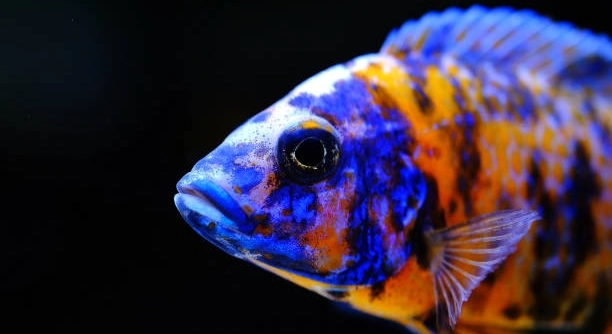
Cichlids are popular aquarium fish known for their vibrant colors and interesting behaviors. Observing them closely, you might notice some resting on their sides, which can seem unusual or concerning. This behavior often puzzles many fish enthusiasts and owners.
Resting on their sides is typically a normal behavior for cichlids, indicating relaxation or sleep. It can also signal stress or illness if combined with other symptoms. Environmental factors, water quality, and tank conditions greatly influence this resting posture.
Understanding why cichlids rest this way helps improve their care and ensures a healthy environment for these striking fish. This article will explain the common reasons behind this behavior and what it means for your aquarium.
Normal Resting Behavior of Cichlids
Cichlids, like many fish, need rest to stay healthy. Resting on their sides can be a natural part of their sleep cycle. When the tank environment is calm and the water conditions are stable, cichlids often lie on their sides to relax. This position allows them to conserve energy without floating around constantly. You might notice this behavior mostly at night or when the fish seem less active. It is important to observe their overall condition. If they swim normally during the day and show no signs of distress, resting on their sides is usually harmless. This resting posture can be compared to how other animals stretch or lie down when they feel safe.
Sometimes, resting this way helps cichlids avoid strong water currents. It can also make it easier for them to breathe in certain tank setups. Understanding this behavior supports better tank management.
Resting on their sides is a typical and harmless sign of relaxation in cichlids when water quality and tank conditions are good.
Signs That Indicate Health Issues
If a cichlid is resting on its side frequently and showing other unusual signs, there could be a problem. Difficulty swimming, rapid breathing, or loss of appetite often accompany unhealthy resting behavior. Poor water quality is a common reason for stress and illness in aquarium fish. High ammonia, nitrite levels, or incorrect pH can lead to physical weakness. Infections and parasites may also cause lethargy and abnormal postures. It is important to test water regularly and observe the fish closely.
Sometimes, sudden changes in temperature or tank overcrowding increase stress, causing fish to rest improperly. If the resting behavior lasts for several days, consider consulting a veterinarian or aquatic specialist. Early detection of health problems can improve recovery chances. Proper care, including a clean environment and balanced diet, reduces the risk of these issues.
Regular tank maintenance and careful observation can help prevent and address health problems that cause cichlids to rest on their sides.
Environmental Factors Affecting Cichlid Behavior
Water temperature plays a crucial role in cichlid activity. When temperatures drop, cichlids tend to slow down and may rest on their sides more often. Sudden changes in water quality also stress fish, causing unusual resting behavior. Stable conditions keep them healthy and active.
Proper tank size and hiding spots are important. Overcrowding can lead to stress and exhaustion, making fish lie down more. Lack of places to retreat increases anxiety. Cichlids feel safer and rest better with enough space and shelter. This helps maintain normal behavior and reduces chances of illness.
Lighting conditions also influence resting habits. Too much light may cause discomfort, while dimmer lighting encourages natural rest patterns. A balanced environment supports healthy cycles of activity and rest in cichlids.
How to Monitor and Support Your Cichlid’s Health
Keep an eye on your cichlid’s swimming patterns and appetite for signs of trouble. Regular water testing is essential to maintain optimal parameters. Clean the tank often, but avoid disturbing the fish too much during rest periods. Consistent feeding schedules also help.
Providing a balanced diet with quality food supports their immune system. Avoid overfeeding to prevent water contamination. Watch for changes in color or behavior, as these can indicate health issues. Prompt action can prevent serious problems and improve recovery. Creating a stable environment encourages your cichlid to rest naturally and thrive in your care.
Common Misunderstandings About Cichlid Resting
Many assume resting on the side always means illness, but this is not true. Normal rest can look similar but does not indicate poor health. Observing other behaviors helps tell the difference.
Some think cichlids lying on their sides are struggling to swim. Often, they are simply resting or adjusting to their environment, especially during quiet times.
Effects of Tank Size on Cichlid Behavior
A tank that is too small limits movement and can stress cichlids. This stress may cause them to rest awkwardly or lie on their sides more frequently. Providing adequate space helps them feel secure and move naturally.
The Role of Diet in Resting Behavior
Poor diet can weaken cichlids, causing lethargy and unusual resting. Balanced nutrition supports energy levels and proper activity, reducing resting on sides due to fatigue or illness.
When to Seek Help for Your Cichlid
If resting on the side is combined with other worrying signs, professional advice is needed. Early intervention improves outcomes and helps maintain fish health.
FAQ
Why do cichlids sometimes lie on their sides and then swim normally?
Cichlids often rest on their sides as a way to relax or sleep, especially when the environment feels safe. This behavior is normal if they swim actively during other times. It allows them to conserve energy without floating around constantly.
Is resting on the side always a sign of illness?
No, resting on the side is not always a sign of illness. Healthy cichlids sometimes rest like this during calm periods. However, if the fish shows other symptoms like difficulty swimming, rapid breathing, or loss of appetite, it could indicate health problems.
How can I tell if my cichlid is stressed?
Stress in cichlids can show through erratic swimming, hiding more than usual, loss of appetite, or dull coloration. Resting on the side with other unusual signs can also point to stress. Checking water quality and tank conditions often helps identify the cause.
What water conditions are best for cichlids?
Cichlids thrive in stable water with a temperature between 75°F and 82°F (24°C to 28°C). The pH should be slightly alkaline, around 7.5 to 8.5, depending on the species. Regular testing and water changes keep these conditions safe and comfortable.
Can sudden temperature changes cause resting on the side?
Yes, sudden drops or rises in water temperature can stress cichlids and cause them to rest abnormally. Keeping the temperature steady helps avoid shock and supports normal behavior.
Does tank size affect how often cichlids rest on their sides?
A tank that is too small can cause stress and restrict movement, making cichlids rest more often and sometimes on their sides. Providing enough space lets them swim freely and rest naturally.
Should I be concerned if my cichlid rests on its side during the day?
Cichlids usually rest at night, but occasional daytime resting is not uncommon, especially after feeding or activity. Frequent or prolonged daytime resting combined with other symptoms should be monitored closely.
How often should I clean my cichlid’s tank?
Partial water changes of 20-30% every one to two weeks are recommended. Cleaning helps remove waste and toxins, which supports fish health and normal behavior.
What diet is best to keep cichlids healthy?
A varied diet including high-quality pellets, flakes, and occasional live or frozen foods provides balanced nutrition. Avoid overfeeding, as leftover food can pollute the water and harm fish health.
Can lighting affect resting behavior in cichlids?
Yes, proper lighting supports their natural day-night cycle. Too much light can cause stress, while dim or natural lighting encourages healthy resting patterns.
When should I seek professional help for my cichlid?
If your fish shows continuous resting on the side, loss of appetite, difficulty swimming, or visible injuries, consult a vet or aquatic specialist. Early care improves chances of recovery.
How do I prevent illness that causes resting on sides?
Maintain good water quality, provide a balanced diet, avoid overcrowding, and watch for signs of stress. Regular monitoring helps catch problems early.
Are all cichlid species the same in resting behavior?
No, resting habits can vary among species. Some may rest more visibly on their sides, while others prefer different postures. Knowing your species’ typical behavior helps with proper care.
Can parasites cause cichlids to rest on their sides?
Yes, parasites can weaken fish and cause lethargy or unusual resting positions. Observing your fish and treating infections promptly is important.
Is it normal for cichlids to float upside down sometimes?
Floating upside down is usually a sign of swim bladder issues or illness. This differs from resting on the side and should be taken seriously.
How long do cichlids typically rest each day?
Cichlids rest mainly at night and may spend several hours in low activity. Rest periods help them recover energy and maintain health.
Final Thoughts
Cichlids resting on their sides is often a natural and normal behavior. Like many animals, fish need periods of rest to conserve energy and maintain good health. When cichlids feel safe in their environment, they may lie on their sides to relax or sleep. This resting posture does not always indicate a problem, especially if the fish continues to swim actively and eat normally at other times. Understanding this behavior helps reduce unnecessary worry and allows for better care of these fish.
However, it is important to pay attention to other signs when a cichlid rests on its side. Changes in swimming patterns, loss of appetite, rapid breathing, or unusual colors can indicate stress or illness. Poor water quality, sudden changes in temperature, or overcrowded tanks can lead to these problems. Monitoring the environment and maintaining good water conditions are key to keeping cichlids healthy. Regular cleaning, testing water parameters, and providing enough space help create a stable habitat. This reduces the chance of stress-related behaviors and promotes natural resting.
Providing a balanced diet also supports a cichlid’s well-being. Proper nutrition strengthens the immune system and keeps energy levels up. Avoiding overfeeding prevents water pollution and health issues. Observing fish carefully for any changes in behavior or appearance ensures early detection of problems. When in doubt, consulting a veterinarian or aquatic specialist is the best course of action. Overall, resting on the side is usually not a cause for concern if the environment and care are appropriate. With attention to water quality, diet, and tank conditions, cichlids can live healthy and active lives.

Hello,
If you enjoy the content that we create, please consider saying a "Thank You!" by leaving a tip.
Every little bit helps us continue crafting quality advice that supports the health, happiness, and well-being of pets around the world, for pets of all shapes, sizes, and species.
We really appreciate the kindness and support that you show us!