
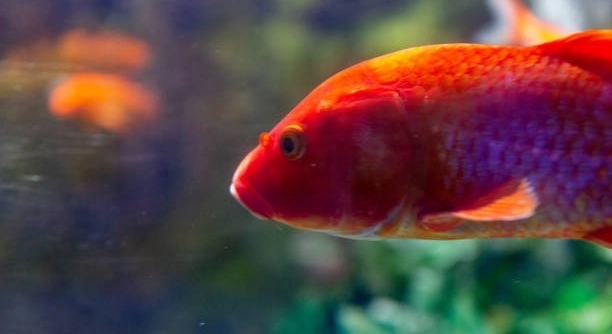
Cichlids are popular freshwater fish known for their bright colors and interesting behaviors. One behavior that often catches attention is when they flash or rub themselves against gravel or tank surfaces. This action can seem strange but is quite common among cichlid owners.
Cichlids flash against gravel primarily to remove parasites or irritants from their skin and scales. This behavior, also called “flashing,” helps maintain their health by reducing external threats and preventing infections in their aquatic environment.
Understanding why cichlids flash provides insight into their natural instincts and care needs. This knowledge can help you keep your fish healthy and happy in their tank habitat.
Reasons Behind Flashing Behavior
Flashing is a natural reaction for cichlids when they feel irritated. Often, this irritation comes from tiny parasites like ich or other external pests. The fish rub their bodies against rough surfaces, such as gravel, to help dislodge these unwelcome visitors. Sometimes, poor water quality can cause itching or discomfort, prompting flashing. Stress or injury can also make cichlids flash more frequently. By rubbing against the gravel, they try to soothe themselves or remove anything causing discomfort. If flashing becomes constant, it could indicate a problem in the tank environment, like unclean water or an infection. Watching this behavior closely can help you spot health issues early and take proper action to keep your fish well.
Flashing is a clear sign that your cichlid may need extra care or attention. Regular monitoring can prevent bigger problems.
Knowing what triggers flashing helps improve tank conditions and keep your cichlids comfortable and healthy.
How to Help Your Cichlids
Observing flashing behavior means it’s time to check your tank carefully.
Start by testing the water parameters—ammonia, nitrite, nitrate, and pH levels must be within safe limits for cichlids. Dirty water or sudden changes can irritate their skin. Perform regular water changes to keep the environment clean. Adding aquarium salt in moderation can reduce parasite presence and soothe your fish. If parasites are confirmed, appropriate medication may be necessary. Also, inspect the gravel and decorations for sharp edges that could injure your fish during rubbing. Providing hiding spots helps reduce stress, which lowers irritation and flashing. Keeping a balanced diet strengthens their immune system, making them more resistant to infections. Taking these steps ensures your cichlids feel safe and less prone to flashing against gravel or other surfaces.
Identifying Parasites and Other Irritants
Parasites like ich and flukes are common causes of flashing in cichlids. These tiny pests attach to the skin and gills, causing itching and discomfort. Other irritants include fungal infections and bacterial spots that make the fish rub against surfaces to relieve the irritation.
To identify parasites, look for white spots or visible growths on the fish’s body and fins. Behavioral changes like rapid flashing or scratching are also signs. If untreated, these parasites can cause serious health problems. Regular observation and early detection are key to managing infestations and keeping your cichlids healthy.
Maintaining good water quality and a clean tank helps prevent parasites. If you spot parasites, isolate the infected fish and use recommended treatments promptly to stop the problem from spreading to other tank inhabitants.
The Role of Tank Environment
The tank environment plays a major role in your cichlid’s well-being. Poor water quality or rough decorations can trigger flashing. Ammonia, nitrite, or nitrate levels outside the safe range irritate fish skin. Sharp gravel or decorations may cause minor injuries, increasing rubbing behavior.
To create a healthy environment, test water regularly and perform consistent water changes. Use smooth gravel or sand to avoid abrasions. Provide hiding spots to reduce stress, which lowers irritation. Proper filtration keeps the water clean and oxygen-rich. Temperature stability is also important to avoid stress-induced behaviors. A well-maintained tank reduces flashing and promotes long-term health for your cichlids.
Common Stress Factors
Stress often leads to flashing in cichlids. Overcrowding, sudden changes in water conditions, or aggressive tank mates can cause stress.
Reducing stress by providing enough space and stable water parameters helps minimize flashing and keeps your fish calmer and healthier overall.
Proper Nutrition and Its Effects
A balanced diet supports your cichlids’ immune system, making them less prone to infections that cause flashing. Feeding high-quality food rich in vitamins and minerals strengthens their skin and scales. Avoid overfeeding, which can pollute the tank and increase stress. Including variety, such as live or frozen foods, can improve overall health and reduce irritation. Healthy fish show less flashing behavior because their bodies better resist parasites and diseases. Nutrition plays a crucial role in maintaining both their physical condition and natural defenses.
When to Seek Help
If flashing continues despite good care, a vet or aquatic specialist’s advice may be needed.
FAQ
Why do cichlids flash against the gravel?
Flashing is a way for cichlids to remove parasites or irritants from their skin. It helps them get rid of pests like ich or flukes. Sometimes, it’s also a reaction to rough surfaces or water conditions that cause discomfort.
Is flashing harmful to my cichlid?
Flashing itself is not harmful when it happens occasionally. However, frequent flashing may indicate health issues like parasites or poor water quality. If it happens too often, it can cause skin damage or stress, which needs attention.
How can I tell if my cichlid has parasites?
Look for white spots, redness, or swelling on their body and fins. Your cichlid might scratch or flash more than usual. Breathing problems or lethargy can also signal parasite infections.
What should I do if my cichlid has parasites?
Start by isolating the affected fish to prevent spreading. Test and improve water quality. Use proper medication designed for freshwater fish, following instructions carefully. Clean the tank thoroughly and monitor the fish closely.
Can poor water quality cause flashing?
Yes, poor water quality irritates fish skin and gills, causing flashing. High ammonia, nitrites, or nitrates stress cichlids and lead to this behavior. Regular water testing and cleaning prevent these problems.
How often should I change the water in my cichlid tank?
Perform partial water changes of about 20-30% every week. This keeps the water clean and balanced. Overdoing changes or ignoring them both harm fish health.
What type of gravel is best for cichlids?
Use smooth, rounded gravel or sand to avoid skin damage. Sharp or rough gravel can cause injuries when fish rub against it. Natural-looking substrates are also better for their comfort.
Can flashing be a sign of stress?
Yes, flashing often occurs when cichlids are stressed. Overcrowding, aggressive tank mates, or sudden changes in water can cause stress. Reducing these factors lowers flashing behavior.
How can I reduce stress in my cichlid tank?
Provide enough space and hiding spots. Keep water parameters stable and avoid sudden changes. Choose compatible tank mates and maintain a regular feeding schedule.
Does diet affect flashing behavior?
A healthy, balanced diet improves immune function and skin condition, reducing flashing. Feeding variety and high-quality food helps cichlids fight infections and stay comfortable.
When should I consult a vet or aquatic specialist?
If flashing continues despite good care, or if your fish shows other signs like weight loss, lethargy, or persistent lesions, seek professional advice. Early intervention can save your fish.
Can tank decorations cause flashing?
Yes, rough or sharp decorations can irritate fish skin, causing flashing. Regularly check your tank for any harmful objects and replace or smooth them as needed.
Is flashing normal for all cichlid species?
Flashing behavior is common but may vary by species. Some cichlids flash more due to natural habits or environmental needs. Observing your specific type helps understand their behavior better.
Can flashing help diagnose tank problems?
Yes, flashing often signals issues like parasites, poor water quality, or stress. It acts as an early warning, allowing you to investigate and fix problems before they worsen.
How long does flashing behavior last?
Flashing lasts as long as the irritation or stress remains. Once parasites are treated or conditions improve, flashing should decrease within days or weeks.
Are there any natural ways to reduce parasites causing flashing?
Adding aquarium salt in moderation can help reduce parasite load. Good tank hygiene and regular water changes naturally limit parasite growth without chemicals.
What role does filtration play in preventing flashing?
Effective filtration removes waste and toxins, keeping water clean and reducing irritation. A well-maintained filter supports fish health and reduces flashing caused by poor water quality.
Can flashing indicate aggression or mating behavior?
Flashing is generally not related to aggression or mating. It mainly signals irritation or discomfort. Other behaviors like chasing or color changes better indicate social interactions.
Is flashing common in new tanks?
Yes, new tanks may cause more flashing as fish adjust to new conditions. It’s important to cycle the tank fully and monitor water quality to reduce stress and irritation.
How important is quarantine for new cichlids to prevent flashing?
Quarantining new fish prevents introducing parasites or diseases that cause flashing. It helps protect the established tank and maintains overall fish health.
Can lighting affect flashing behavior?
Bright or sudden changes in lighting can stress fish, potentially increasing flashing. Gradual light adjustments and providing shaded areas help keep cichlids calm.
What signs show flashing is becoming a serious problem?
Persistent flashing, open wounds, loss of scales, or changes in behavior indicate a serious issue. These signs require immediate action to prevent further harm.
How does temperature impact flashing?
Temperature outside the ideal range stresses fish and can cause flashing. Keeping a stable temperature suited to your cichlid species helps maintain comfort and health.
Final thoughts on cichlids flashing against the gravel focus on understanding their behavior and creating the best environment for them. Flashing is a natural way for these fish to protect themselves from parasites and irritations. When a cichlid rubs against gravel or other surfaces, it is trying to remove something uncomfortable on its skin. This behavior, while normal in small amounts, can signal health or tank issues if it happens too often. Watching your fish carefully helps you notice when flashing becomes a problem and allows you to act quickly to improve their care.
Maintaining good water quality is one of the most important steps to reduce flashing. Regular water testing and changes keep the tank clean and safe from harmful chemicals like ammonia or nitrites. These substances can irritate your fish’s skin and cause flashing. Using smooth gravel and avoiding sharp decorations also protects your cichlid from injury during this rubbing behavior. Providing hiding places reduces stress, which is another key factor in preventing excessive flashing. Stress weakens their immune system and makes them more likely to be bothered by parasites or infections.
Nutrition plays a strong role in the overall health of cichlids. Feeding a balanced diet rich in vitamins and minerals strengthens their skin and helps fight off diseases. Overfeeding should be avoided because it pollutes the water and can increase stress. Sometimes, flashing continues even with good care, which may require consulting a specialist. Knowing when to seek help is important to prevent serious problems. By understanding why cichlids flash and how to support their needs, you can keep your fish healthy and comfortable in their tank.

Hello,
If you enjoy the content that we create, please consider saying a "Thank You!" by leaving a tip.
Every little bit helps us continue crafting quality advice that supports the health, happiness, and well-being of pets around the world, for pets of all shapes, sizes, and species.
We really appreciate the kindness and support that you show us!