
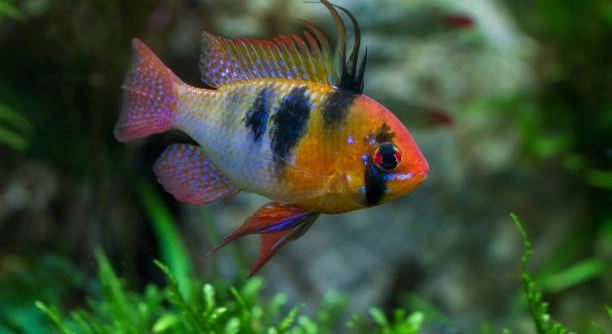
Cichlids are colorful and lively fish that often show interesting behaviors in aquariums. One of the most noticeable actions is when they flare their gills at other fish, making them appear larger and more intimidating.
Cichlids flare their gills as a form of communication and territorial display. This behavior signals dominance, warns rivals, and can reduce physical conflict by establishing hierarchy without direct fighting, helping them protect territory and resources efficiently.
Observing gill flaring can reveal social dynamics and hierarchy among your cichlids, giving insights into their interactions and overall well-being in the tank.
Understanding Gill Flaring Behavior
Cichlids often flare their gills when they feel threatened or need to assert dominance. This behavior is most common during feeding times or when introducing new fish into the tank. When a cichlid spreads its gills, it creates the illusion of a larger size, which can intimidate other fish without any physical confrontation. This display helps reduce fights by allowing fish to communicate strength and territorial claims visually. Even in peaceful tanks, occasional gill flaring can occur as a way to establish hierarchy. Watching these displays over time helps you understand which fish are more dominant and which are more submissive. Some species are naturally more aggressive, and frequent flaring is part of their normal behavior. Tank decorations, hiding spots, and adequate space can also influence how often cichlids flare their gills, as more secure environments reduce stress-related displays. This behavior is normal and usually not harmful if the tank is well-maintained.
Frequent gill flaring usually signals social interaction rather than immediate danger. Observing patterns helps maintain balance in your aquarium.
Creating a tank environment that supports natural behaviors can reduce unnecessary stress. Providing plants, rocks, and caves allows fish to retreat when needed, lowering aggression. Overcrowding increases gill flaring because fish compete for space and resources. Feeding schedules also play a role, as cichlids may flare when they sense food or feel another fish is approaching. Monitoring water quality is equally important, as poor conditions can increase irritability. Understanding individual fish personalities helps in arranging compatible groups. Sometimes rearranging decorations can reset territories and reduce tension. By observing and adjusting conditions, you allow your cichlids to display gill flaring in a natural, controlled manner. This approach keeps aggression in check, encourages healthy social structures, and supports overall well-being. A calm, structured environment lets each fish thrive while expressing normal behaviors without constant stress.
How Tank Conditions Affect Gill Flaring
Tank size, decorations, and hiding spots influence how often cichlids flare. Crowded tanks can lead to more frequent displays.
Poor water quality and lack of space make cichlids feel stressed, causing gill flaring to increase. Overcrowding also leads to more competition for food and territory, which can result in constant displays of dominance. Providing adequate hiding spots allows fish to retreat and reduces tension. Regular monitoring of water parameters, including temperature, pH, and ammonia levels, is essential. Stress from fluctuating conditions makes even normally peaceful fish more aggressive. Rearranging tank layout occasionally can help reset territories and minimize prolonged conflict. Feeding routines also play a role, as fish can flare when competition arises. By creating a stable, spacious environment, you encourage natural behavior while limiting excessive aggression. This allows cichlids to establish social hierarchies safely, supporting both their mental and physical health. Observing these adjustments over time shows how tank conditions directly impact gill flaring frequency and intensity.
Aggression and Territorial Claims
Gill flaring is a primary way cichlids show aggression and mark territory. It signals strength and dominance to other fish, helping avoid physical fights while protecting their space.
Territorial cichlids use gill displays to defend specific areas in the tank, especially around hiding spots, breeding sites, or feeding zones. Flaring communicates ownership and warns intruders to back off. In community tanks, this behavior establishes a hierarchy, letting dominant fish control prime spots without constant fighting. Some fish flare more frequently when space is limited, or when new fish are added, as they try to assert their position. Watching which fish flare and which retreat helps understand social structure. By identifying dominant and submissive individuals, you can manage tank layout and reduce conflicts, ensuring all fish feel secure.
Aggression is also influenced by species traits and tank population. Some cichlids flare even without threats, as part of regular social interaction. Providing adequate space, visual barriers, and proper hiding areas reduces tension. Feeding separately or in multiple spots can also help, minimizing competition. Observing these interactions allows you to see natural dominance patterns, helping you maintain a balanced and calm aquarium. Over time, most fish settle into predictable routines, reducing constant aggressive displays.
Breeding and Mating Displays
During mating periods, gill flaring signals readiness and health to potential mates. It shows strength and vitality, helping cichlids attract partners.
Breeding cichlids flare not only at rivals but also to impress potential mates. Males often display larger gill spreads and brighter colors, demonstrating fitness and the ability to defend territory. This display is part of courtship and can last for days, especially when preparing a nesting site. Females may respond by flaring back or choosing areas near dominant males. Tank conditions, such as water quality and space, influence these behaviors, as stress can reduce displays. Providing flat rocks or caves encourages natural breeding behaviors. Observing gill flaring during mating helps you understand which fish are ready to spawn, and allows you to monitor interactions to prevent aggression from escalating. Proper management of breeding pairs ensures both safety and successful reproduction in your aquarium.
Stress and Environmental Factors
Stress can trigger frequent gill flaring in cichlids. Changes in water temperature, pH, or tank layout often lead to these displays.
Overcrowding or lack of hiding spots increases tension, causing more aggressive behavior. Maintaining stable conditions and giving each fish space reduces stress-related gill flaring.
Feeding Time Reactions
Cichlids often flare their gills during feeding to claim food and warn others. This behavior helps prevent direct fights over limited resources. Providing multiple feeding spots and spreading food evenly reduces competition and allows fish to eat calmly without constant displays of dominance.
Species Differences
Different cichlid species flare gills at varying frequencies. Some are naturally more aggressive, while others use displays mainly for social communication. Understanding species traits helps in arranging compatible groups, reducing unnecessary conflicts, and promoting balanced social structures in the aquarium.
Observing Patterns
Watching when and how fish flare helps identify dominant and submissive individuals. This information is useful for managing tank harmony and reducing aggression over time.
FAQ
Why do cichlids flare their gills at each other?
Cichlids flare their gills to communicate strength, dominance, or territorial claims. This display helps prevent physical fights by showing rivals who is in charge. It can also occur during feeding or mating, signaling control over food or readiness to breed.
Is gill flaring harmful to cichlids?
Gill flaring itself is not harmful. It is a natural behavior that allows fish to establish hierarchy and communicate. Problems arise only if constant aggression leads to injuries or extreme stress. Proper tank setup, space, and hiding areas can reduce excessive displays.
How often should gill flaring happen?
Frequency varies by species, tank size, and social structure. In a well-balanced aquarium, occasional flaring is normal. Constant, aggressive flaring may indicate overcrowding, stress, or incompatible tankmates that need attention.
Do all cichlid species flare their gills?
Most cichlids use gill flaring to some degree, but intensity and frequency differ. Some species are naturally aggressive and flare often, while others use it mainly during feeding or mating. Understanding your species’ behavior helps manage their environment effectively.
Can tank conditions reduce gill flaring?
Yes. Providing enough space, hiding spots, and stable water conditions lowers stress and reduces unnecessary displays. Overcrowding, poor water quality, and abrupt changes in the environment increase gill flaring. Regular observation helps identify stress triggers and adjust the tank setup.
Should I separate flaring fish?
Separation is only needed if gill flaring escalates into physical attacks. Most interactions are harmless displays. Using visual barriers, rearranging decorations, or increasing space usually prevents fights without separating fish permanently.
Does gill flaring indicate health problems?
Occasional flaring is normal, but excessive or frantic flaring can indicate stress, poor water quality, or illness. Monitoring water parameters, feeding, and overall behavior helps determine if health issues are involved. Keeping the tank clean and stable supports healthy behavior.
Can gill flaring affect breeding success?
Yes. In mating periods, gill flaring demonstrates fitness and readiness. Healthy males flare to attract females and defend nesting sites. Excessive aggression in the tank, however, can stress breeding pairs. Providing private areas and adequate space supports successful reproduction.
Do tankmates influence gill flaring?
Other fish strongly affect this behavior. Aggressive or territorial species provoke more flaring, while peaceful fish may retreat. Selecting compatible tankmates and observing interactions ensures a calmer, balanced social structure for all fish.
How can I tell dominant from submissive fish?
Dominant fish flare frequently and occupy prime territories, such as near decorations, caves, or feeding areas. Submissive fish retreat, avoid confrontation, and flare less. Observing these patterns helps in arranging the tank and preventing stress among fish.
Can rearranging the tank reduce gill flaring?
Yes. Changing decorations or adding hiding spots can reset territorial boundaries, reducing repeated confrontations. Providing multiple retreats and visual barriers allows fish to establish territories with less stress and lowers constant aggressive displays.
Does feeding method impact gill flaring?
Definitely. Feeding in one spot can trigger competition and more flaring. Spreading food across multiple locations or using sinking and floating food reduces conflicts, allowing fish to eat without constant dominance displays.
Is gill flaring more common in males?
Males typically flare more often, especially during breeding or territorial disputes. Females may flare occasionally, usually in response to threats or competition. Recognizing these patterns helps understand social hierarchy and manage tank interactions effectively.
Can stress cause gill flaring even without threats?
Yes. Environmental stress such as poor water quality, sudden changes, or overcrowding increases gill flaring. Fish may appear constantly aggressive or defensive. Monitoring tank conditions and making adjustments can reduce stress-induced flaring and improve overall well-being.
How long does a gill flaring display last?
Displays usually last a few seconds to a minute, long enough to communicate dominance or threat. Prolonged, repeated flaring may indicate unresolved tension, overcrowding, or territorial disputes, signaling the need for environmental adjustments.
Can gill flaring coexist with peaceful behavior?
Yes. Most cichlids flare occasionally without constant aggression. Once hierarchy is established, interactions often become calmer. Providing enough space and visual barriers ensures that normal flaring does not escalate into harmful conflicts.
Does gill flaring indicate feeding priority?
Often, yes. Fish flare to claim food and warn others to back off. Recognizing this helps in feeding management. Offering multiple feeding spots or splitting portions prevents excessive competition and allows all fish to eat comfortably.
Can observing gill flaring improve tank management?
Absolutely. Watching when and how fish flare reveals social dynamics, dominant individuals, and potential stressors. Adjusting tank layout, population, and feeding practices based on these observations creates a healthier, calmer environment for all fish.
Are there signs that gill flaring is abnormal?
Signs include constant flaring, chasing, fin damage, or retreating fish unable to find safe areas. Abnormal patterns often indicate overcrowding, poor water quality, or incompatible tankmates, requiring prompt intervention to prevent injury and stress.
Can gill flaring occur without a visible trigger?
Yes. Some species flare as part of routine social interaction or to maintain hierarchy, even without immediate threats. These displays are normal, but excessive or frantic flaring may signal stress or environmental issues that need attention.
Final Thoughts
Cichlids are fascinating fish, not just because of their colors, but also because of their behaviors. One of the most noticeable is gill flaring, which is a natural and important part of how they communicate with each other. When a cichlid flares its gills, it is showing strength or signaling territory, and this behavior helps prevent fights by allowing fish to establish dominance visually. Understanding this behavior is key to keeping a balanced and peaceful tank. By observing how often and in what situations fish flare, you can get a clear picture of their social structure and how they interact with each other. Each fish has its own personality, and some will naturally flare more than others. Knowing the difference between normal displays and signs of stress is essential for maintaining their well-being.
Tank conditions play a big role in how often cichlids flare their gills. Overcrowded tanks, lack of hiding spots, poor water quality, or sudden changes in the environment can increase stress, leading to more frequent flaring. Providing adequate space, stable water conditions, and visual barriers helps reduce unnecessary displays and allows fish to feel secure. Decorations, caves, and plants give fish areas to retreat, which can lower tension and prevent conflicts from escalating. Feeding methods also matter. Offering food in multiple spots or spreading it throughout the tank reduces competition and keeps aggressive flaring at a minimum. By carefully arranging the tank and monitoring interactions, you can encourage natural behaviors without causing stress or injury. Observing patterns over time helps identify dominant and submissive individuals, making it easier to maintain harmony in the aquarium.
Gill flaring is also connected to breeding and social communication. During mating periods, males use flaring to show strength and fitness, attracting females and defending nesting sites. Even outside breeding times, flaring helps fish maintain social hierarchy, which is important for their mental and physical health. While it may seem aggressive at first, it is a normal, natural way for cichlids to communicate. By understanding why and when they flare, you can create an environment that supports their behavior while minimizing stress. Paying attention to water quality, tank layout, population, and feeding routines allows cichlids to live in a stable, secure environment. Observing their interactions closely helps ensure that your aquarium remains balanced, giving each fish the space and safety it needs to thrive. With proper care, gill flaring becomes a normal, harmless part of their behavior rather than a source of concern.

Hello,
If you enjoy the content that we create, please consider saying a "Thank You!" by leaving a tip.
Every little bit helps us continue crafting quality advice that supports the health, happiness, and well-being of pets around the world, for pets of all shapes, sizes, and species.
We really appreciate the kindness and support that you show us!