
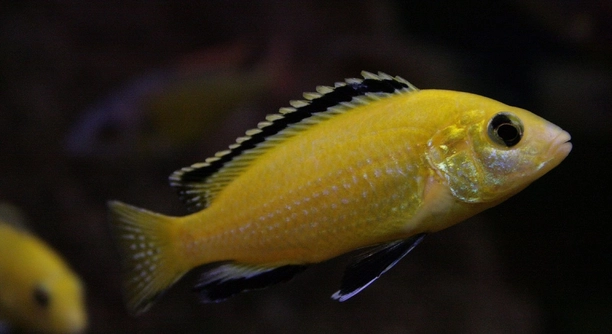
Cichlids are popular aquarium fish known for their bright colors and interesting behaviors. One behavior that often catches attention is when these fish blow bubbles inside their tanks. This action can seem unusual or puzzling to many fish owners.
Cichlids blow bubbles in their tanks primarily as part of their natural breeding and territorial behaviors. Bubble blowing helps create protective nests for their eggs or signals dominance to other fish nearby. This behavior is instinctive and plays a vital role in their survival and reproduction.
Understanding why cichlids blow bubbles provides insight into their care and environment. Learning more about this behavior can help fish owners support their aquatic pets’ well-being.
Why Cichlids Blow Bubbles: Nesting and Territory
Cichlids often blow bubbles to build nests, especially during breeding seasons. These nests are clusters of bubbles that protect their eggs from predators and keep them oxygenated. Both male and female cichlids take part in this activity, ensuring the safety of their offspring. Besides nesting, bubble blowing can also signal territorial behavior. When a cichlid creates bubble patterns, it may be marking its space in the tank to warn other fish. This behavior is common in many cichlid species and reflects their natural instincts. Observing these bubbles can help you understand how your fish interact and feel within their environment. It is also a sign that the fish are active and engaged, which is positive for their health. Proper tank conditions, including water quality and space, support this natural behavior. This makes the aquarium a closer reflection of their habitat in the wild.
This bubble-building activity is a clear sign of cichlids expressing natural behaviors that support their reproduction and social structure in the tank.
Noticing bubble nests can indicate your cichlids are healthy and comfortable in their environment. It also helps in identifying when they might be preparing to breed, so you can adjust care routines accordingly. Bubble blowing, while simple, reveals a lot about the fish’s well-being and tank dynamics.
How Tank Conditions Affect Bubble Blowing
Water quality and tank size greatly influence how often cichlids blow bubbles. Poor water conditions or overcrowding can reduce this behavior, signaling stress or discomfort.
Cichlids need clean, well-oxygenated water and enough space to feel secure when building nests. If the tank is too small or water parameters are off, they may stop bubble blowing. Proper filtration and regular water changes help maintain ideal conditions. Also, having plants or smooth surfaces encourages bubble nest construction since cichlids use these to anchor their bubbles. When these needs are met, bubble blowing increases, showing the fish are thriving. Watching this behavior gives clues about your tank’s health and how your fish respond to their environment. Adjusting tank care based on these signs improves the overall well-being of your cichlids and supports natural behaviors.
Bubble Blowing as a Social Signal
Bubble blowing often acts as a social signal among cichlids. It can communicate dominance, readiness to mate, or even stress to other fish nearby.
When a cichlid blows bubbles, it is usually asserting its presence within the tank. This behavior can help reduce conflicts by showing strength without physical fights. Additionally, bubble patterns may attract mates, signaling that the fish is ready to breed. Stress or discomfort may also cause changes in bubble blowing, which can indicate environmental problems. Paying attention to these patterns helps understand your cichlid’s social interactions and needs.
Recognizing bubble blowing as communication helps in creating a peaceful tank environment. It allows you to manage aggression and promote healthy relationships among your fish.
Environmental Factors Influencing Bubble Blowing
Water temperature, pH, and cleanliness significantly affect bubble blowing behavior. Ideal conditions encourage more frequent and consistent bubble creation.
Cichlids thrive in stable environments where water temperature ranges between 75°F and 82°F. When water is too cold or hot, their activity, including bubble blowing, may decrease. pH levels also matter; a neutral to slightly alkaline pH around 7.0 to 8.0 supports healthy behavior. Dirty water or poor filtration can stress fish, causing them to stop bubble blowing or show erratic patterns. Regular tank maintenance, proper filtration, and monitoring water parameters are crucial for maintaining an environment where cichlids feel safe to express natural behaviors like bubble blowing.
Adjusting these environmental factors promotes a healthy habitat and improves your cichlids’ overall quality of life.
Bubble Blowing and Stress
Changes in bubble blowing can indicate stress in cichlids. A sudden stop or erratic bubble patterns may mean the fish is uncomfortable or unwell.
Stressors like poor water quality, overcrowding, or aggressive tank mates often cause these changes. Monitoring bubble activity helps detect early signs of stress before more serious issues develop.
Breeding Behavior and Bubble Nests
During breeding, bubble nests protect eggs and fry from harm. The male typically guards and maintains the nest, ensuring the bubbles stay intact and oxygenated.
These nests provide a safe environment for the developing young. Proper tank conditions and minimal disturbance support successful breeding and bubble nest care.
Observing Bubble Blowing Patterns
Consistent bubble blowing usually means the fish is healthy and comfortable in its environment. Irregular or absent bubbles may suggest problems.
Watching your cichlids’ bubble behavior gives important clues about their well-being and tank conditions.
Supporting Healthy Bubble Behavior
Maintaining clean water and stable conditions encourages natural bubble blowing. Simple tank care routines help your cichlids thrive and express their natural behaviors.
FAQ
Why do cichlids blow bubbles in their tanks?
Cichlids blow bubbles mainly to build nests during breeding. These bubbles protect their eggs by keeping them oxygenated and safe from predators. The behavior also marks territory and signals dominance among other fish. Bubble blowing is natural and shows your cichlids are active and healthy.
Is bubble blowing a sign of good health in cichlids?
Yes, regular bubble blowing usually indicates good health. It means the fish feel comfortable and their environment is suitable. Stress or poor water quality often reduces this behavior. Observing bubbles can help you monitor your cichlids’ well-being.
Do all cichlids blow bubbles?
Not all cichlid species blow bubbles, but many do, especially those known for bubble nest building like the African cichlids. Some species may show different breeding or social behaviors that don’t include bubbles.
Can bubble blowing harm my aquarium?
No, bubble blowing does not harm your tank or other fish. It’s a harmless natural behavior. However, excessive bubble nests may sometimes block filters or create debris buildup, which can be managed with regular cleaning.
How can I encourage bubble blowing in my cichlids?
Provide clean, well-oxygenated water and enough space in the tank. Stable water temperature and pH help. Adding plants or smooth surfaces gives fish places to anchor their bubbles. Reducing stress by avoiding overcrowding and aggressive tank mates also encourages this behavior.
What if my cichlids suddenly stop blowing bubbles?
A sudden stop in bubble blowing can signal stress, illness, or poor water conditions. Check water quality, temperature, and tank mates for possible causes. Improving tank maintenance and reducing stress often helps fish return to normal behavior.
Do male and female cichlids both blow bubbles?
Usually, males do most of the bubble blowing to create and maintain nests. Females may participate in guarding eggs or fry but are less active in bubble building. Behavior varies depending on the species.
Can bubble nests indicate breeding is about to happen?
Yes, bubble nests are a strong sign that breeding may be near. They show the male is preparing a safe place for eggs. If nests appear, it is a good idea to observe fish closely for spawning behaviors.
Are bubble nests necessary for cichlid breeding in tanks?
For species that naturally build bubble nests, these structures are important for protecting eggs. Without nests, eggs may be more vulnerable to damage or lack oxygen. Supporting nest building increases breeding success.
How often do cichlids blow bubbles?
Frequency varies by species and tank conditions. Some may build nests regularly during breeding times, while others may blow bubbles sporadically. Environmental stability encourages more consistent bubble blowing.
Can stress affect bubble blowing?
Yes, stress from poor water quality, aggressive tank mates, or overcrowding can reduce or stop bubble blowing. Stress affects many natural behaviors, so watching bubble activity helps identify issues early.
Is bubble blowing related to oxygen levels in the tank?
Indirectly, yes. Bubble nests help oxygenate the eggs, but the fish also prefer tanks with good oxygen levels. Poor oxygen can reduce bubble blowing because the fish become less active or stressed.
What tank setup supports bubble blowing?
A tank with clean, filtered water, moderate temperature, and neutral to slightly alkaline pH works best. Include plants or smooth surfaces for bubble nests. Avoid overcrowding and aggressive species to reduce stress.
How can I tell if bubbles are from cichlids or the tank equipment?
Cichlid bubbles form clusters or patterns near the surface or around plants and decorations. Equipment bubbles are usually uniform and rise directly from filters or air stones. Observing where bubbles appear can help tell the difference.
Can bubble blowing be a sign of aggression?
Yes, sometimes bubble blowing serves as a territorial display to warn other fish. This helps avoid physical fights by signaling dominance. Managing tank space and populations can reduce aggressive displays.
Should I remove bubble nests from the tank?
It’s best to leave bubble nests alone during breeding. Removing them can stress fish or disrupt reproduction. After breeding, nests may break down naturally, and you can clean the tank as needed.
Do cichlids blow bubbles differently in the wild?
In the wild, cichlids build bubble nests in calm, sheltered waters where conditions are ideal. In tanks, they mimic this behavior but may adjust depending on space and water quality.
Can bubble blowing cause problems for other tank inhabitants?
Generally, no. Bubble nests are harmless and usually don’t affect other fish. However, some fish may become territorial or aggressive around nests, so watch interactions carefully.
How do I know if my cichlids are stressed besides changes in bubble blowing?
Other signs of stress include loss of appetite, hiding, rapid breathing, or color fading. Bubble behavior is one indicator, but combined observations provide a clearer picture of fish health.
Is it normal for cichlids to blow bubbles at night?
Bubble blowing mostly happens during daylight when fish are active. Nighttime bubble activity is rare and may indicate stress or environmental disturbance.
These answers offer practical insight into why cichlids blow bubbles and what it means for their care. Paying attention to this behavior helps maintain a healthy and happy aquarium.
Cichlids blowing bubbles is a natural behavior that serves important roles in their life cycle. It is mostly connected to breeding and territorial instincts. When cichlids build bubble nests, they are creating a safe space for their eggs and protecting their young. This action is part of their survival strategy and shows that the fish are behaving normally. Observing bubble blowing can give a clear idea of how your fish feel and if the tank environment supports their needs. It is a simple behavior but meaningful for understanding your cichlids better.
Tank conditions play a large part in how often and how well cichlids blow bubbles. Clean water, stable temperature, and enough space all help encourage this behavior. If water quality drops or the tank becomes crowded, fish may stop building nests or show less bubble activity. This is a useful sign for fish keepers to watch out for. When cichlids do not blow bubbles as usual, it may indicate stress or discomfort. Keeping the tank well-maintained and providing a calm environment helps the fish stay healthy and behave naturally.
Watching your cichlids blow bubbles can be rewarding and informative. It shows how these fish interact with their environment and each other. This behavior also signals their readiness to breed and their efforts to protect offspring. By paying attention to bubbles, you can learn more about the needs of your fish and adjust care accordingly. Maintaining good water quality, giving enough space, and reducing stressors ensures your cichlids continue this important behavior. In the end, bubble blowing is a useful indicator of your fish’s health and happiness in the aquarium.

Hello,
If you enjoy the content that we create, please consider saying a "Thank You!" by leaving a tip.
Every little bit helps us continue crafting quality advice that supports the health, happiness, and well-being of pets around the world, for pets of all shapes, sizes, and species.
We really appreciate the kindness and support that you show us!