
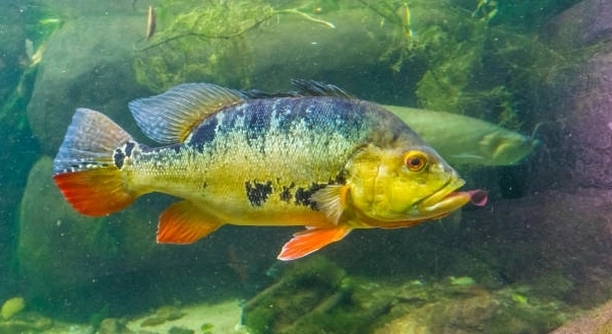
Many aquarium owners enjoy keeping cichlids because of their vibrant colors and lively behavior. However, introducing new tankmates to cichlid tanks can sometimes lead to unexpected aggression. Understanding why this happens helps create a peaceful aquatic environment.
Cichlids often attack new tankmates due to territorial instincts and stress from changes in their environment. They may see newcomers as threats or competitors, leading to defensive or aggressive behavior aimed at protecting their space and resources.
Knowing the reasons behind this aggression can help you manage your tank better and improve harmony among your fish. There are ways to ease the transition and reduce conflicts in your aquarium.
Understanding Cichlid Territorial Behavior
Cichlids are naturally territorial fish. In the wild, they stake out areas to feed, breed, and protect themselves. When you add new tankmates, the resident cichlids may feel their territory is being invaded. This leads to aggressive actions like chasing, biting, or nipping at the newcomers. The size of the tank and available hiding spots also affect how much aggression occurs. Smaller tanks give fish less space to establish boundaries, increasing tension. Providing enough decorations and plants can help break lines of sight and reduce fights. Different cichlid species vary in aggression levels, so knowing your fish’s nature is important. When a new fish arrives, cichlids may need time to adjust. They are cautious and will defend their space until they feel secure that the newcomer is not a threat. Understanding these behaviors makes managing aggression easier.
Aggression is mostly about territory and protection, not just random violence.
Recognizing cichlid territorial instincts allows for better tank planning. Using dividers or separate areas during introductions can reduce conflict. Monitoring fish behavior closely when adding new tankmates is important to prevent injuries. Selecting compatible species and ensuring a spacious environment with plenty of hiding spots helps create balance. When done right, cichlids and new fish can coexist peacefully over time, making the aquarium more enjoyable to watch.
The Role of Stress in Aggression
Stress plays a big part in why cichlids attack new tankmates. Changes in the environment, like new fish or altered water conditions, cause stress. Stress makes fish more defensive and prone to lash out. High stress levels weaken their immune system, making them vulnerable to disease too. New tankmates introduce unfamiliar scents and movements, triggering alertness and suspicion. Even small disturbances during cleaning or feeding can add to stress. If the tank lacks proper hiding spots, stressed fish have nowhere to retreat. Stress also increases competition for food and space. By keeping water quality stable, feeding properly, and providing enough space, stress can be minimized. Quarantining new fish before adding them to the main tank reduces disease risks and sudden stress. Reducing stress helps cichlids feel safe, lowering aggression toward others and creating a calmer environment overall.
Introducing New Tankmates Slowly
Adding new fish too quickly can increase aggression. It’s important to introduce new tankmates gradually. Allow cichlids time to get used to changes in their environment.
One way to do this is by using a separate quarantine tank for new fish before adding them to the main aquarium. This helps reduce the chance of disease and lets you observe their behavior. When ready, place the new fish in a clear container inside the tank for a few days. This allows the cichlids to see but not touch the newcomer. Over time, move the new fish into the tank carefully, watching for signs of stress or aggression.
Using rearranged decorations during introduction can confuse territorial fish and reduce fighting. Giving each fish its own hiding spot also helps ease tension. Patience and careful observation during this phase improve the chances of peaceful coexistence.
Choosing Compatible Tankmates
Not all fish species get along well with cichlids. Choosing tankmates that match their temperament is key to reducing attacks. Peaceful or similarly aggressive species tend to coexist better.
Consider fish size, behavior, and water requirements when picking new tankmates. Large, fast-swimming species often avoid conflict by escaping aggressive cichlids. Bottom dwellers may stay out of the way and reduce confrontations. Avoid slow-moving or small fish, as they become easy targets. Research each species’ needs to ensure they thrive together. Compatibility also depends on individual fish personalities, so some trial and error may be necessary.
Proper selection of tankmates helps keep stress and fighting low. Balanced groups with enough space and hiding places create a more peaceful aquarium environment for everyone.
Tank Size and Space
A small tank can increase aggression in cichlids because they feel crowded. Giving them enough space helps reduce stress and territorial disputes.
A larger tank allows fish to establish their own areas and avoid constant confrontation. Space is crucial for peaceful coexistence among different species.
Providing Hiding Spots
Cichlids need plenty of hiding spots to feel secure. Rocks, plants, and decorations create safe spaces that reduce aggression.
Without enough cover, fish have no place to retreat, which raises stress and fighting. Adding these elements improves tank harmony.
Monitoring Fish Behavior
Regularly observing how your fish interact helps catch early signs of aggression. Prompt action can prevent injuries and stress.
Noticing subtle changes in behavior lets you adjust the environment or separate aggressive fish before problems escalate.
FAQ
Why do cichlids attack new tankmates immediately?
Cichlids often react quickly to new fish because they see them as intruders. Their territorial nature makes them defensive, especially when space is limited. They want to protect their area, food, and sometimes breeding sites. The new fish’s unfamiliar presence causes stress, triggering aggressive behavior.
How long does it take for cichlids to accept new fish?
Acceptance varies, but it usually takes several days to weeks. Cichlids need time to recognize that the new tankmates aren’t a direct threat. During this time, aggression may reduce gradually. Patience is important while they adjust to the changed environment.
Can all cichlid species live with other fish?
Not all cichlids are suitable for community tanks. Some species are highly aggressive and best kept alone or with very specific tankmates. Others are more peaceful and tolerate certain fish. Researching the species’ temperament and needs helps avoid problems.
What is the best way to introduce new fish to a cichlid tank?
The safest way is to quarantine new fish first, then introduce them slowly. Using a clear divider or a floating container inside the tank helps cichlids see but not attack newcomers at first. Rearranging decorations can confuse territorial boundaries, making introductions easier.
How does tank size affect cichlid aggression?
Smaller tanks increase aggression due to limited space. Cichlids need room to claim territories and avoid each other. A larger tank offers enough space for boundaries and reduces constant confrontations. Overcrowding is a common cause of fighting.
What role do hiding spots play in reducing aggression?
Hiding spots provide safety for shy or new fish, helping them escape attacks. Rocks, plants, and caves break up sightlines, so cichlids cannot constantly see and chase each other. This lowers stress and prevents fights.
Can feeding routines affect cichlid aggression?
Yes, consistent feeding reduces competition and aggression. If fish feel hungry or food is scarce, they become more aggressive. Feeding several times a day and ensuring all fish get enough food helps maintain peace.
Should aggressive cichlids be removed immediately?
Removing aggressive fish is not always necessary. Sometimes, adjusting the environment or increasing tank size can reduce aggression. However, if a fish causes serious harm or stress, separating or rehoming it is best for the whole tank’s health.
How can I tell if a fish is stressed or injured from aggression?
Signs include torn fins, faded colors, hiding more than usual, or refusing to eat. Stress can weaken the immune system, making fish prone to disease. Early detection helps prevent serious problems by changing the tank setup or treatment.
Is it possible for cichlids to live peacefully with other species long-term?
Yes, with proper planning, compatible tankmates, and enough space, peaceful coexistence is possible. Understanding each fish’s behavior and needs helps create balance. Over time, most cichlids calm down and accept others if conditions are right.
Cichlids are interesting and beautiful fish that bring life to any aquarium. Their bright colors and active behavior make them popular among fishkeepers. However, their natural territorial instincts mean they can sometimes be aggressive toward new tankmates. This aggression usually happens because they want to protect their space, food, and safety. Knowing why cichlids act this way helps you better care for them and make your aquarium a more peaceful place. It’s important to remember that aggression is often a normal part of their behavior and not a sign that something is wrong with your fish.
Creating a calm environment for cichlids takes some effort but is definitely possible. Giving them enough room to establish territories is key. A bigger tank means less stress and fewer fights. Adding plenty of hiding places like rocks, plants, and decorations also helps fish feel secure. When new fish arrive, introducing them slowly and carefully can reduce conflict. Watching your fish closely during this time allows you to notice any signs of stress or injury and take action quickly. Choosing tankmates that are compatible with cichlids in size and temperament also lowers the chance of attacks. These steps improve the chances of harmony in the tank, allowing your fish to live healthier and happier.
Remember that patience is essential when keeping cichlids with other fish. They need time to adjust and feel safe with new tankmates. Even with the best care, occasional aggression might still happen. When it does, it’s important to remain calm and consider changes that might help, such as rearranging the tank or providing more space. By understanding their behavior and needs, you can create a balanced aquarium where cichlids and other fish coexist well. This makes fishkeeping more rewarding and enjoyable in the long run.

Hello,
If you enjoy the content that we create, please consider saying a "Thank You!" by leaving a tip.
Every little bit helps us continue crafting quality advice that supports the health, happiness, and well-being of pets around the world, for pets of all shapes, sizes, and species.
We really appreciate the kindness and support that you show us!