
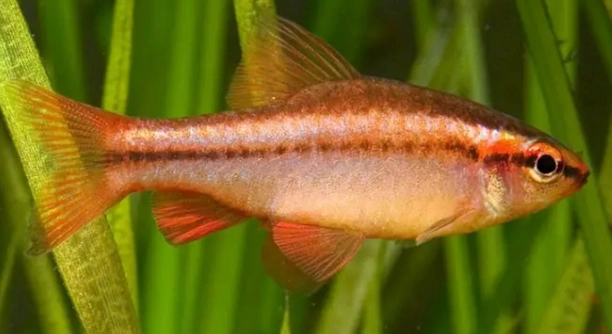
Cherry barbs are fascinating fish, known for their quick movements, especially during the night. Observing their behavior can be intriguing, particularly when they seem to swim faster as the day transitions into night. Understanding this phenomenon is essential.
The increased speed of cherry barbs at night is primarily due to their natural circadian rhythms. These rhythms influence their activity levels, prompting them to become more energetic and responsive to environmental cues, including light changes and food availability.
Understanding the reasons behind this behavior can improve how we care for cherry barbs, providing insight into their natural habits.
How Cherry Barbs Adapt to Nighttime
Cherry barbs are naturally more active at night due to their biological clock. As the light dims, they enter a state of heightened activity. This change is common among many species and allows them to take advantage of the cooler temperatures. Their bodies are tuned to respond to the drop in light levels, activating them to swim faster. In the wild, such patterns help fish avoid predators and search for food more effectively.
This nocturnal shift is vital to their survival instincts, allowing them to be more efficient in gathering resources. They rely on the cover of darkness to move more freely. As a result, their behavior patterns shift to accommodate this active period.
For aquarium owners, understanding this can help in setting up the tank environment. A dim light at night or a reduced light cycle can simulate natural conditions. This approach may reduce stress and encourage more natural behaviors, enhancing the overall health and activity of your cherry barbs.
Why Light Levels Matter
The amount of light cherry barbs are exposed to plays a crucial role in their daily rhythm. Too much light can cause them to become sluggish, disrupting their natural cycle.
During the night, their energy levels increase as their surroundings grow darker. This response is ingrained, allowing them to react more swiftly to any changes in their environment. Managing light in their habitat can foster more natural and healthy behaviors. By adjusting light settings, you can replicate the conditions that promote their night activity, ensuring they stay active and healthy. This will also help them feel secure in their environment.
The Impact of Tank Environment on Their Activity
The tank environment plays a significant role in the activity level of cherry barbs at night. Proper tank lighting and layout can influence their nocturnal behavior. A calm, dimly lit aquarium mimics their natural habitat, encouraging them to swim faster. Without these environmental cues, they may become stressed and less active.
Aquarium plants, hiding spots, and even the water temperature also impact their night activities. A well-planted tank offers both shelter and stimulation, allowing cherry barbs to feel secure and more energetic. Furthermore, ensuring stable water conditions helps keep them in an active state, as fluctuations can cause stress and reduce their responsiveness.
Tank conditions should be adjusted to provide a natural environment. A tank that replicates their wild conditions—dimmer lights, adequate plants, and stable temperatures—will promote the desired nocturnal behavior. These changes allow them to swim freely and utilize their natural instincts for foraging and avoiding threats.
Feeding Habits and Activity
Feeding schedules also contribute to their night activity. Cherry barbs become more active when they expect food, especially if feeding occurs in the evening. Their natural instincts tell them to swim quickly to catch their food. This behavior is particularly noticeable when food is introduced after a period of darkness.
Feeding cherry barbs at night can trigger this increased swimming speed. Offering food just before the lights go out encourages them to display more natural, energetic behavior. This mimicry of their instinctual foraging habits can be beneficial, as it helps them exercise and maintain a healthy metabolism. It also strengthens their confidence in their environment.
The timing and type of food also matter. High-protein foods can boost their activity levels, while regular feedings at night help establish a routine. Proper feeding methods will maintain their energy levels, allowing them to swim more freely and improve their overall health in captivity.
The Role of Temperature in Nocturnal Behavior
Temperature affects the swimming speed of cherry barbs. A cooler environment at night encourages them to become more active, while warmer water can make them sluggish. Maintaining an ideal water temperature mimics their natural habitat, where temperatures fluctuate between day and night.
Proper water temperature is key for encouraging their nocturnal behavior. Keeping it consistent with their natural environment allows the cherry barbs to exhibit their natural activity patterns. Too much heat can tire them, while cooler water at night makes them more energetic and responsive to their surroundings.
How Light Cycles Affect Their Internal Clock
Cherry barbs are sensitive to light changes, which regulate their internal clock. Shorter days in winter or longer nights in summer affect how active they are during the night. Light cycles trigger biological responses, signaling when it’s time to rest or become more energetic.
Their natural circadian rhythm is tied closely to the light-dark cycle. Adjusting the length and timing of light exposure in your tank can help simulate these natural conditions. This will ensure the cherry barbs stay in sync with their internal clock, maintaining their nocturnal activity levels.
Stress Factors That Can Interfere
Stress can have a negative impact on the activity levels of cherry barbs. Factors such as overcrowding, poor water quality, or aggressive tank mates may cause them to become less active. This stress inhibits their natural behaviors, including swimming faster at night.
If the environment becomes too stressful, cherry barbs may retreat to hiding spots, avoiding any movement. Regular water changes and providing sufficient space help minimize stress, ensuring that they remain active and healthy, especially at night.
FAQ
Why do cherry barbs swim faster at night?
Cherry barbs swim faster at night due to their natural circadian rhythms. As darkness falls, their bodies prepare for heightened activity, similar to many other fish species. This increased activity is tied to their instinctual behavior, allowing them to search for food and avoid predators. The drop in light levels stimulates this response, making them more energetic during the evening hours. Their nocturnal behavior allows them to thrive in their natural habitat, where nighttime offers a better chance of foraging and protection from daytime predators.
Can I encourage my cherry barbs to swim faster at night?
Yes, you can encourage your cherry barbs to swim faster at night by creating an environment that mimics their natural habitat. Dim lighting, plants for shelter, and stable water conditions help trigger their nocturnal instincts. Feeding them before the lights go out also encourages them to become more active. However, overexposure to light or fluctuating temperatures can reduce their activity levels, so it’s essential to maintain a consistent and calm environment in the aquarium.
Does the temperature of the water affect their speed?
Yes, water temperature has a significant impact on cherry barbs’ activity. Cooler water tends to stimulate their swimming behavior, making them more energetic at night. If the water is too warm, it can slow them down and cause lethargy. Maintaining an ideal water temperature of around 75°F to 80°F (24°C to 27°C) will ensure they remain active, especially during the night when they naturally become more energetic.
How much light should I provide for my cherry barbs?
Providing the right amount of light is essential to maintaining healthy activity patterns in cherry barbs. Too much light can disturb their natural circadian rhythms, making them sluggish. Ideally, you should provide around 10 to 12 hours of light per day, simulating natural daylight hours. At night, dimming the light or turning it off entirely helps trigger their instinctual behaviors, encouraging them to swim faster and remain active.
What role does feeding play in their nighttime activity?
Feeding plays a crucial role in cherry barbs’ nighttime behavior. When they expect food, they naturally become more active. Feeding them in the evening, just before turning off the lights, helps simulate their natural foraging behaviors. This encourages them to swim faster and exhibit more energy. It’s essential to feed them a balanced diet, as this will keep their metabolism active and support their nocturnal activity levels.
Do cherry barbs need specific tank mates?
Cherry barbs are generally peaceful fish and can thrive in a community tank with other non-aggressive species. However, their activity levels at night can be affected by their tank mates. Aggressive or fast-moving fish may cause stress, reducing the cherry barbs’ natural behavior. Ideally, tank mates should be calm and similar in size to ensure that cherry barbs feel safe and active, especially during the night.
Are cherry barbs active during the day as well?
While cherry barbs are primarily more active at night, they do swim during the day. However, their activity is usually slower and more relaxed compared to their nocturnal behavior. During the day, they tend to rest and take shelter in plants or hidden spots, conserving energy for the evening. You’ll notice a significant increase in their swimming speed and energy once the light begins to dim.
Can stress affect their nighttime behavior?
Yes, stress can significantly affect the activity levels of cherry barbs, including their behavior at night. Stressors like poor water quality, overcrowded tanks, or aggressive tank mates can make them less active and more prone to hiding. It’s crucial to maintain optimal tank conditions and minimize stress to ensure your cherry barbs are healthy and exhibit natural nighttime behaviors.
How can I create a natural environment for my cherry barbs?
To create a natural environment for your cherry barbs, include plants, hiding spots, and stable water conditions. Cherry barbs thrive in tanks that mimic their natural habitat, with dim lighting during the night and a varied water temperature. Providing enough space for them to swim freely also contributes to their overall well-being. Ensuring the environment is calm and stable will help your cherry barbs feel safe and active, particularly during the night.
What can I do if my cherry barbs are not swimming at night?
If your cherry barbs are not swimming at night, it’s important to check the tank’s conditions. Ensure the water temperature is appropriate and stable. Check the light cycle, as too much light or inconsistent changes can disturb their natural rhythm. Also, assess if there are any stress factors, such as aggressive tank mates or poor water quality, that could be affecting their activity. Making adjustments to these conditions will likely encourage your cherry barbs to return to their natural behavior.
Final Thoughts
Understanding why cherry barbs swim faster at night involves looking at several factors that influence their behavior. These fish are naturally more active during the evening hours, which is linked to their instincts. In the wild, cherry barbs would swim faster to forage for food and avoid predators as darkness fell. By providing the right conditions in a home aquarium, such as proper lighting, stable water temperature, and a suitable tank environment, it’s possible to encourage this natural behavior.
Maintaining a healthy and calm environment for cherry barbs is key. The presence of plants and hiding spots can help mimic their natural habitat, giving them the sense of safety and security they need to be active. Stress should be minimized, as it can negatively affect their energy levels. In addition to creating the right setting, feeding them just before the lights go out encourages them to become more energetic. By introducing food during the evening, cherry barbs are more likely to display their natural foraging behavior, leading to faster swimming at night.
Cherry barbs are hardy and adaptable fish, but ensuring their environment supports their natural activity patterns is essential for their health and well-being. The nighttime behavior of these fish is a reflection of their instincts and can be enhanced with proper care. By focusing on water quality, light cycles, temperature, and tank mates, you can ensure that your cherry barbs remain active and healthy. This will also help them feel more at home, allowing them to display their natural behaviors with ease.

Hello,
If you enjoy the content that we create, please consider saying a "Thank You!" by leaving a tip.
Every little bit helps us continue crafting quality advice that supports the health, happiness, and well-being of pets around the world, for pets of all shapes, sizes, and species.
We really appreciate the kindness and support that you show us!