
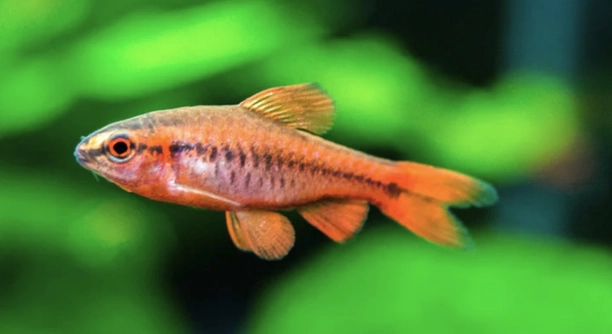
Do you ever find yourself watching your cherry barbs and noticing they always seem to hang out near the top of the tank?
Cherry barbs often swim at the top of the tank due to a combination of environmental preferences, oxygen levels, and feeding behavior. They tend to stay where the water is warmer, richer in oxygen, and where food is typically introduced.
There’s more to this behavior than meets the eye, and understanding it can help improve your fish’s overall health and comfort.
Why Cherry Barbs Prefer the Top of the Tank
Cherry barbs often swim at the top of the tank because it suits their needs. The upper area usually has higher oxygen levels, especially in tanks with filters that agitate the surface. Cherry barbs are active and alert fish that like to be where the water movement is gentle and where food arrives during feeding times. In community tanks, staying near the top also helps them avoid more dominant or territorial fish. Sometimes, they simply enjoy the warmth, as the water surface can be slightly warmer than deeper areas. This behavior is natural and usually not a cause for concern unless paired with signs of stress or illness. Watching their patterns helps you understand their comfort zones. If they swim up there frequently and seem healthy, active, and are eating well, they are probably doing just fine. However, sudden changes in swimming levels may point to an issue that needs checking.
When their top-dwelling behavior continues without problems, it’s likely just part of their normal activity and interaction with the tank setup.
Changes in water quality, temperature, or even lighting can make the top more appealing. As long as they show no signs of stress, it’s not a problem.
When Top-Swimming Becomes a Concern
If your cherry barbs are gasping at the surface or appear sluggish, it could be a sign of low oxygen levels in the tank.
In these cases, checking the water parameters is important. Low oxygen can result from high water temperatures, poor water circulation, or overcrowding. A thermometer and water test kit can help you spot any issues quickly. Increasing surface agitation using an air stone or adjusting the filter output often solves the problem. Regular water changes also help maintain healthy conditions. Keep in mind that cherry barbs are sensitive to sudden changes, so always make adjustments gradually. Illness can also cause them to hover at the top, especially if it’s paired with clamped fins, loss of color, or changes in appetite. If you notice these signs, isolating the fish and monitoring their condition closely is recommended. Understanding their usual behavior helps you recognize when something feels off. Acting early gives them a better chance of recovering and staying active and bright.
How Tank Setup Affects Their Swimming Behavior
A well-arranged tank can influence where cherry barbs prefer to swim. If the mid or bottom levels feel cramped or dark, they may choose the top instead. Plants and decorations can change how secure they feel.
Bright lighting at the top of the tank and open swimming space can make that area more inviting. Cherry barbs enjoy room to move and places to hide when needed. If the bottom is cluttered with ornaments or dense plants, they might avoid it. Some substrates or decorations can also affect water flow, keeping oxygen levels lower at the bottom. Creating a balanced environment with areas to explore at all levels helps distribute their movement. Using live plants not only adds beauty but helps stabilize oxygen throughout the tank. When all layers of the tank are safe and interesting, cherry barbs will naturally explore more evenly.
Adjusting water flow and temperature can also help. Filters that cause surface agitation boost oxygen, encouraging fish to swim more freely. But if the current is too strong lower down, they may stay up top to avoid it.
Feeding Habits and Learned Behavior
Cherry barbs are quick to associate the top of the tank with feeding time. Most flakes and pellets float at first, which trains them to wait near the surface when hungry. Over time, this becomes a habit rather than a need.
If feeding always happens from above, they learn to expect food there, even if they’re not hungry. This routine builds over time and becomes part of their daily rhythm. Fish are smart in simple ways—they remember where food appears and adapt their behavior around it. If you want to encourage more balanced swimming, try using sinking pellets or spreading food throughout the tank. Offering variety in how and where food is given keeps them more active across different zones. Just like people, fish follow routines they’ve learned. Changing the routine slightly, with small feeding tweaks, can lead to healthier movement patterns in the tank.
Stress and Tank Mates
Stress can cause cherry barbs to avoid certain areas of the tank. Aggressive or overly active tank mates may push them toward the top where they feel safer.
A crowded tank or sudden changes in environment can also trigger stress. Quiet surroundings help them feel more at ease.
Water Quality and Its Impact
Water quality plays a big role in where cherry barbs choose to swim. If ammonia, nitrite, or nitrate levels are too high, they may stay near the surface to avoid discomfort. Poor water conditions often affect the lower parts of the tank first. Regular water testing and weekly partial water changes help keep things balanced. Stable pH and temperature also matter. When water quality is off, even slightly, fish may behave differently. Keeping filters clean and not overfeeding are simple ways to prevent problems. Good water means healthier fish that swim comfortably at all levels of the tank.
When to Be Concerned
If cherry barbs stay at the top and also breathe heavily or stop eating, it’s time to investigate. Something in the tank may be off.
FAQ
Do cherry barbs always stay at the top of the tank?
No, cherry barbs don’t always stay at the top. In a well-balanced tank, they explore all areas. If they’re healthy, the lighting is right, and they feel safe, you’ll often see them swimming in the middle or lower parts too. Constant top-level swimming only becomes a concern when it’s paired with signs of stress or poor water quality.
Is top swimming normal for cherry barbs?
Yes, it can be. Cherry barbs are active fish and enjoy open spaces with good lighting and warm water. The top of the tank often offers those conditions. If they’re eating well and seem energetic, top swimming is often just a habit or preference.
How can I tell if something is wrong?
Watch their breathing and appetite. If they’re gasping for air at the surface, hiding, or not eating, those are red flags. Also check for changes in color or fin position. Testing your water is a smart next step, as poor water quality is a common issue.
What kind of tank mates cause stress for cherry barbs?
Fast swimmers and aggressive fish can stress them out. Barbs do better with peaceful species like tetras, rasboras, or corydoras. Fish that chase or nip can force them to stay in areas they feel safer, often near the top.
Can filter current affect where cherry barbs swim?
Yes. If the current is too strong in the middle or bottom of the tank, they may stay near the top where water movement is gentler. Try adjusting the flow or using decorations and plants to break the current. This can make the tank more comfortable for them.
Does food placement really change their swimming patterns?
Definitely. Fish go where the food is. If you always feed at the top, they’ll learn to wait there. Using sinking food or feeding at different levels teaches them to move around more and use the whole tank space.
Are cherry barbs schooling fish? Could that affect their swimming level?
Yes, cherry barbs are schooling fish. They feel safer and more confident when kept in groups of at least six. If they’re alone or in a very small group, they may act differently—often more timid or staying in safer-feeling areas like the top.
How do I know if the oxygen level is too low?
Fish gasping at the surface, acting sluggish, or crowding near bubbles are signs of low oxygen. Surface agitation helps, as does adding an air stone. High temperature can also lower oxygen levels, so keep the tank within the ideal range of 74–79°F (23–26°C).
Is it ever okay to ignore this behavior?
If your cherry barbs are eating, swimming normally, and showing no signs of illness, it’s usually fine. Some fish just prefer the top more. It’s only a problem if they seem distressed, stop eating, or their behavior changes suddenly.
Should I rearrange the tank if they stay at the top too much?
It might help. Try adding more plants or hiding places at the bottom to make it more inviting. Rearranging decorations can break up sightlines and make all areas of the tank feel safer and more interesting for them.
Do cherry barbs like floating plants?
Yes, they often enjoy floating plants. These give shade, reduce light intensity, and make the top of the tank feel safer. Just make sure they don’t block too much light or reduce oxygen levels too much at the surface.
What’s the best way to encourage balanced swimming?
A mix of good water quality, calm tank mates, and thoughtful feeding habits helps. Also, keep a consistent day-night light cycle. These small details make your tank more stable and comfortable for cherry barbs, encouraging them to use all levels.
Final Thoughts
Cherry barbs are peaceful, active fish that often swim at the top of the tank. In most cases, this behavior is normal and not a reason to worry. The top area usually has more oxygen and is where food is first introduced, so it makes sense for them to spend time there. Many cherry barbs simply enjoy the space and lighting near the surface. If your fish look healthy, eat well, and swim actively, staying at the top is likely just part of their routine. They might have formed this habit over time based on how their tank is set up and how they are fed.
However, it’s still important to keep an eye on any changes in behavior. If your cherry barbs start staying at the top more than usual, appear tired, breathe heavily, or stop eating, something might be off in their environment. These signs can point to problems like poor water quality, low oxygen, or stress from tank mates. Checking the tank conditions regularly helps prevent these issues. Clean water, the right temperature, good filtration, and peaceful companions all work together to keep your cherry barbs happy and healthy. Making small changes in how you feed them or arrange the tank can also make a big difference.
Every fish is different, and some cherry barbs might simply prefer the top more than others. As long as they are showing normal signs of health and comfort, their swimming habits are probably just a personal preference. Still, understanding why they might stay at the top helps you make better choices for their care. When the tank is balanced and meets their needs, they’re more likely to swim across all levels and show their natural, playful behavior. Observing them daily, noticing their patterns, and responding to changes with care helps ensure they thrive. A calm, well-maintained tank gives cherry barbs the freedom to explore, rest, and enjoy their space fully.

Hello,
If you enjoy the content that we create, please consider saying a "Thank You!" by leaving a tip.
Every little bit helps us continue crafting quality advice that supports the health, happiness, and well-being of pets around the world, for pets of all shapes, sizes, and species.
We really appreciate the kindness and support that you show us!