
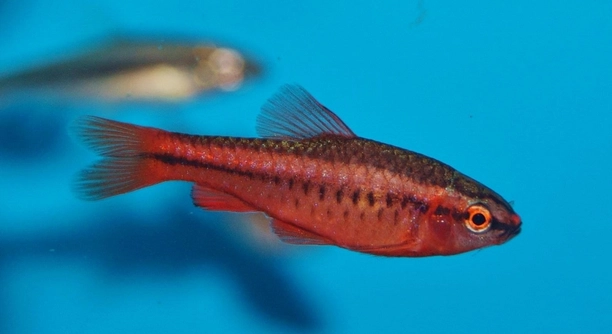
Cherry barbs are a popular aquarium fish known for their playful swimming patterns. If you’ve ever noticed one stopping mid-swim and hovering, it can be a little puzzling. Let’s explore the reasons behind this behavior.
Cherry barbs may stop mid-swim and hover due to various factors, such as resting, stress, or environmental changes. These fish often use this technique to conserve energy or adjust to fluctuating water conditions, temperature, or tank mates.
Understanding why cherry barbs stop and hover can help ensure their well-being in your tank. It’s important to monitor the water quality and check for any changes in their environment that could be affecting their behavior.
Common Reasons Cherry Barbs Stop and Hover Mid-Swim
Cherry barbs can hover in place while swimming for several reasons, most of which are related to their natural behavior or environmental factors. Resting is one of the primary reasons for this. These fish may stop and hover to conserve energy or catch their breath, especially after swimming for a long period. It’s also possible they do this as a response to environmental changes like water temperature fluctuations or a new tank setup. Stress can also cause them to behave this way, especially if there’s tension in the tank, such as aggressive tank mates or poor water quality.
In some cases, hovering can also indicate that a cherry barb is feeling threatened or uncomfortable in its environment. If they are not used to certain factors in the tank, they might stop mid-swim to assess the situation.
Fish also use hovering as a way to stay in a specific area of the tank where the current is less strong or where they feel more secure. If the tank has multiple hiding spots or areas with lower flow, you might see more hovering behavior.
How Tank Conditions Affect Cherry Barbs
Tank conditions can significantly influence the behavior of cherry barbs. Poor water quality, such as high ammonia levels or low oxygen, can make the fish stop mid-swim and hover. This behavior is a sign that they may not be comfortable in their environment.
Cherry barbs are sensitive to changes in their surroundings. For instance, if the water temperature is too high or too low, they may find themselves hovering more often as they try to adjust. Ensuring your tank has proper filtration and temperature control can go a long way in keeping them healthy.
When cherry barbs hover frequently, it might be a sign of distress. They may not be able to swim freely due to inadequate oxygen levels, improper tank setup, or physical exhaustion. Keeping your tank clean and balanced is essential for their well-being, and regular water changes will help maintain the right conditions.
Stress and Aggression in the Tank
Stress is one of the most common reasons cherry barbs stop mid-swim and hover. Aggressive tank mates or sudden changes in the environment can cause stress, leading to this behavior. Cherry barbs may stop moving as a way to avoid confrontation or to retreat from a stressful situation.
If other fish in the tank are more aggressive, they might chase the cherry barbs, forcing them to stop mid-swim. This is often seen when the tank has territorial species or fish that are overly dominant. Stress from aggressive behavior can prevent cherry barbs from swimming freely, leaving them to hover in one spot to avoid danger.
To reduce stress, try to house cherry barbs with peaceful species that won’t disturb them. Giving them enough hiding spots will help as well. Tank layout, with plenty of plants and decorations, offers these fish safe areas where they can rest and feel secure.
Water Quality and Temperature
Water quality plays a significant role in the behavior of cherry barbs. Poor water quality can make them feel unsafe or uncomfortable, causing them to hover in place. When water parameters, like ammonia, nitrites, or pH, are off, it can trigger this behavior as the fish try to avoid further stress.
Cherry barbs thrive in well-maintained tanks with stable water conditions. Fluctuations in water temperature or improper filtration can stress them out. Consistent water changes and a good filtration system will keep the water quality high, ensuring the fish remain active and healthy. Proper water parameters are essential for their overall well-being.
Maintaining a stable water temperature between 74-80°F (23-27°C) is ideal for cherry barbs. A thermometer and a good heater can help you regulate the temperature, preventing sudden drops or spikes that could cause stress or hovering. Regular water tests will help keep the parameters in check.
Tank Size and Space
If your tank is too small or overcrowded, cherry barbs may not have enough space to swim freely. This can cause them to stop mid-swim and hover, as they might feel trapped. A cramped environment can lead to anxiety and discomfort.
Providing a tank with adequate space will encourage natural swimming patterns. Cherry barbs need enough room to move around and explore, so a tank of at least 20 gallons is recommended. If you notice hovering behavior, it could be a sign that the fish are stressed due to lack of space.
Oxygen Levels in the Tank
Low oxygen levels can also make cherry barbs stop mid-swim. When the water isn’t properly aerated, the fish may hover to conserve energy or avoid struggling to breathe. This is more common in tanks without proper filtration or aeration systems.
To fix this, ensure your tank has good filtration and surface agitation. An air pump or air stone can help improve oxygen circulation, which is crucial for keeping cherry barbs healthy. Regular water changes and maintaining a proper filtration system will keep oxygen levels at their optimal levels.
Health Issues and Disease
Health problems could also be a reason for hovering in cherry barbs. If they’re unwell, they may lack the energy to swim properly and might stop to rest in place. Illnesses, such as parasites or internal infections, can make them feel weak.
If you notice that your cherry barbs are hovering more than usual and showing other signs of illness, such as loss of appetite or discoloration, it’s best to isolate them and observe further. Treating the tank for any potential diseases or consulting with a vet can prevent the condition from worsening.
FAQ
Why do cherry barbs stop swimming and hover in place?
Cherry barbs may stop swimming and hover for a variety of reasons. Often, they hover to rest, conserve energy, or adjust to changes in their environment, such as water temperature, current, or water quality. Stress from aggressive tank mates or overcrowding can also cause them to stop moving and hover. This behavior is a way for the fish to stay safe, especially when they feel threatened.
Is hovering behavior in cherry barbs a sign of illness?
Not always. While hovering can be a sign of stress or discomfort, it can also be linked to health issues. If cherry barbs hover more than usual and show other signs of illness like faded colors, loss of appetite, or abnormal swimming, it could indicate a health problem. In such cases, it’s important to check the water quality, tank conditions, and observe the fish for any signs of disease.
How can I reduce stress for my cherry barbs?
To reduce stress, make sure that your tank environment is peaceful and suitable for cherry barbs. Avoid housing them with aggressive or territorial fish, and make sure the tank has enough space for them to swim freely. Add hiding spots like plants, caves, or decorations to provide them with safe spaces. Keeping the water quality high and maintaining stable temperature and oxygen levels will also help reduce stress in your cherry barbs.
Can poor water quality cause cherry barbs to hover?
Yes, poor water quality is a common reason why cherry barbs hover. If the ammonia or nitrite levels are high, or the pH is too low or high, the fish may feel stressed and hover to avoid swimming in the discomforting water. It’s important to test your water regularly and perform water changes to keep it clean. Proper filtration and aeration also help ensure good water quality, which supports the health and activity of your cherry barbs.
What temperature should the water be for cherry barbs?
Cherry barbs prefer a water temperature between 74°F and 80°F (23°C to 27°C). If the temperature is too high or too low, they may hover as a way to cope with the discomfort. Using a reliable aquarium heater and thermometer will help you keep the water temperature stable, providing a more comfortable environment for your fish.
Can tank size affect cherry barbs’ swimming behavior?
Yes, tank size plays a big role in their behavior. If the tank is too small or overcrowded, cherry barbs may feel restricted and stressed. They may stop swimming and hover as a way to avoid feeling trapped. To keep your fish healthy and active, ensure the tank is at least 20 gallons, with enough space for them to swim freely. Avoid overcrowding by keeping a reasonable number of fish in the tank.
How do cherry barbs interact with other fish in the tank?
Cherry barbs are generally peaceful fish and tend to get along well with other calm species. However, they can become stressed if housed with aggressive or overly dominant fish. Tank mates that are too territorial may chase the cherry barbs, causing them to stop swimming and hover. It’s important to choose tank mates carefully and provide enough space and hiding spots to help cherry barbs feel secure.
What should I do if my cherry barbs are constantly hovering?
If your cherry barbs are consistently hovering, it’s important to check their environment. Start by testing the water for ammonia, nitrites, and pH levels to ensure everything is within a safe range. You should also assess the temperature and oxygen levels. If all seems fine, then observe the behavior for signs of illness. In some cases, hovering could be due to stress from poor tank conditions or aggressive tank mates. If necessary, separate the affected fish and treat them in a quarantine tank.
Are there any other fish behaviors similar to hovering?
Yes, many fish species engage in hovering or similar behaviors, such as resting in place or suspending themselves in the water. For example, bettas and guppies might hover when they are stressed or tired. Some fish species, like tetras and guppies, will also stop swimming and float in place to rest or observe their surroundings. However, hovering in cherry barbs is often a sign of discomfort, whether due to stress, environmental factors, or health issues.
Do cherry barbs need a filter to prevent hovering?
Yes, a filter is important for maintaining water quality, which in turn can prevent hovering behavior caused by poor water conditions. Cherry barbs require clean, oxygenated water to thrive. A good filter helps remove toxins and maintains a healthy tank environment, preventing the buildup of harmful substances like ammonia or nitrites. Additionally, a filter helps circulate the water, ensuring the fish have access to oxygen-rich water throughout the tank.
Is it normal for cherry barbs to stop swimming after eating?
It’s normal for cherry barbs to stop swimming and rest after eating. Like many fish, they tend to take a break after feeding to digest their food. If they’re simply resting and not showing any other signs of distress or illness, there’s no need to worry. However, if this behavior continues for extended periods or is accompanied by other symptoms, it’s worth checking their overall health and tank conditions.
Final Thoughts
Cherry barbs are generally peaceful and active fish, but their behavior can sometimes seem unusual, like when they stop mid-swim and hover in place. This can happen for a variety of reasons, most of which are related to their environment or health. They might be resting, adjusting to changes in water conditions, or trying to avoid stress from aggressive tank mates. It’s important to monitor their behavior and the quality of the tank environment to ensure they’re comfortable and healthy.
If you notice your cherry barbs hovering more often than usual, check the water quality, temperature, and oxygen levels. Poor water conditions are a common cause of stress in fish, and addressing any imbalances can help them feel more at ease. Additionally, providing enough space and hiding spots in the tank will reduce stress caused by overcrowding or aggression. If hovering behavior persists or is accompanied by other signs of illness, it’s best to separate any affected fish and check for potential health issues.
Overall, understanding why cherry barbs hover will help you create a better environment for them. By maintaining stable water conditions, avoiding aggressive tank mates, and ensuring they have plenty of space to swim, you can prevent most causes of hovering. Keeping your fish happy and healthy will help them thrive, making them a beautiful and low-maintenance addition to your aquarium.

Hello,
If you enjoy the content that we create, please consider saying a "Thank You!" by leaving a tip.
Every little bit helps us continue crafting quality advice that supports the health, happiness, and well-being of pets around the world, for pets of all shapes, sizes, and species.
We really appreciate the kindness and support that you show us!