
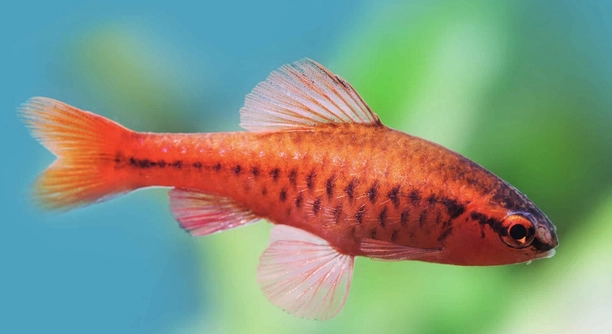
Cherry barbs are known for their peaceful nature, but sometimes they can remain in the same spot for hours. This behavior can seem unusual, especially for those new to keeping these charming fish in their tanks.
The most likely reason cherry barbs stay in the same spot for long periods is due to their natural behavior. They may be resting or feeling secure in a familiar environment. Stress or water conditions can also cause this behavior.
Understanding the reasons behind this behavior can help you ensure your cherry barbs remain healthy and active in their tank.
Why Cherry Barbs Stay in One Spot
Cherry barbs are small, peaceful fish that often appear to stay in the same spot for long periods. This behavior can be linked to their natural instinct to seek safety and security in their environment. In the wild, these fish would typically stay near plants or structures that offer protection from predators. In a tank, they may exhibit similar behavior, often resting in one place for extended periods.
While this can seem unusual, it’s not necessarily a sign of distress. Cherry barbs can be quite sedentary, especially in tanks where they feel comfortable. However, if you notice this behavior regularly, it could be an indication of underlying issues such as stress, poor water quality, or inadequate tank conditions.
Cherry barbs will often remain stationary if they are not feeling challenged by their environment. They might not be as active when they feel secure, which is their way of conserving energy. If the tank has areas where they can feel protected, they may gravitate toward these spots.
Water Quality and Stress
Water quality plays a huge role in the behavior of your cherry barbs. Poor water conditions can cause fish to retreat to one spot, avoiding movement.
Stress from sudden changes in water temperature or pH can also cause cherry barbs to stay still. Fish are sensitive to these changes, and when exposed to fluctuating or poor-quality water, they become lethargic and prefer not to swim much. A stable environment with proper filtration can help your fish feel more comfortable and active.
Ensuring Your Cherry Barbs Are Healthy
Keeping your cherry barbs healthy starts with providing a stable environment. Make sure to monitor water parameters like temperature, pH, and ammonia levels regularly. Maintaining proper tank conditions will help your fish feel secure and avoid stress-induced behavior like staying in one spot.
Additionally, ensure that your cherry barbs have plenty of hiding spots, such as plants or decorations, where they can retreat when needed. A well-balanced diet and consistent tank maintenance will also support their well-being. When they feel safe and healthy, they will be more likely to explore their environment and stay active.
How Tank Size Affects Cherry Barb Behavior
The size of the tank plays a big role in your cherry barbs’ behavior. In smaller tanks, they may feel cramped and stressed, causing them to remain in one spot more often. A larger tank offers more room to move around, reducing stress and promoting healthier, more active fish.
In a cramped tank, fish often feel vulnerable. The lack of space to explore and hide can make them stay in one corner or near a filter or plant. Overcrowding can also lead to aggression from other tank mates, further encouraging the sedentary behavior of cherry barbs.
On the other hand, a larger tank allows cherry barbs to swim freely and comfortably. With more space, they can explore different areas of the tank, interact with each other, and exhibit more natural behavior. The extra room also helps reduce the stress caused by territorial disputes or cramped conditions.
The Role of Tank Mates
Cherry barbs are peaceful, but tank mates can influence their behavior. Aggressive or overly active fish can cause them to stay still, especially if they are being bullied or stressed. Choosing the right tank mates is key.
If there are fish in the tank that chase or threaten the cherry barbs, they may avoid swimming or hide in one spot. This kind of stress can cause them to become lethargic or inactive. Keeping peaceful fish together will create a calmer, more balanced environment where the cherry barbs can thrive.
It’s also important to avoid overly active or large fish that could outcompete the cherry barbs for food. If your tank mates are causing stress, consider adding more hiding spots or moving the fish to a separate tank for a better environment. By managing the tank’s social dynamics, you can help ensure that your cherry barbs feel safe and active.
Lighting and Cherry Barb Behavior
Lighting can significantly affect cherry barbs. If the tank is too bright, they may retreat to dark spots and stay still. Dim lighting can make them feel more secure, encouraging them to move around more freely.
Bright lights can be overwhelming for some fish. Cherry barbs, in particular, may find it stressful, causing them to stay hidden or in one spot. Low to moderate lighting mimics their natural environment, where they typically live in areas with shade or less direct light.
By adjusting the light in the tank, you can create a more relaxed environment for your cherry barbs. Soft lighting helps reduce stress and makes them feel more at ease, leading to more active and natural behaviors.
Water Temperature’s Impact
Water temperature is a major factor in your cherry barbs’ activity levels. They thrive in stable, warm water but become sluggish if it’s too cold or fluctuates too much. Keeping the temperature consistent promotes healthier, more active fish.
The ideal temperature for cherry barbs is between 72°F and 80°F (22°C to 27°C). When the temperature is outside of this range, they may become inactive and seek out comfortable, stationary spots in the tank. In colder water, their metabolism slows down, and they conserve energy by staying in one place.
Feeding Habits
Overfeeding or irregular feeding times can impact cherry barb behavior. Too much food or irregular schedules might cause them to stay in one place for long periods, especially if they feel overwhelmed or lazy after feeding.
Sticking to a consistent feeding routine and only offering enough food ensures that your fish stay active. Avoid overfeeding, as it can pollute the tank and disrupt the fish’s natural behaviors. Regular, small meals will help keep them engaged and swimming around the tank.
FAQ
Why do cherry barbs stay in one spot for hours?
Cherry barbs may stay in one spot for several reasons. They might be resting or seeking a safe, secure spot in the tank. When they feel stressed or uncomfortable, they may become less active and remain still. Other possible causes include poor water quality, improper tank mates, or temperature fluctuations.
Do cherry barbs stay in groups?
Yes, cherry barbs are social fish and prefer to stay in groups. Keeping them in schools of at least five or six is ideal for their well-being. A larger group helps reduce stress and encourages more natural, active behavior. Being in a group also offers them a sense of security.
Can cherry barbs live with other fish?
Cherry barbs are peaceful and generally get along well with other non-aggressive species. They do well with similar-sized fish, such as other barbs, tetras, and peaceful community fish. Avoid keeping them with overly aggressive or territorial fish, as this may stress them out and make them stay in one spot.
What is the ideal tank size for cherry barbs?
The minimum tank size for cherry barbs is 20 gallons. A larger tank allows for better water quality and more space to swim, which can reduce stress. More room also creates an environment where the fish feel safe to explore and be active, helping them avoid staying in one spot.
How can I tell if my cherry barb is stressed?
Stressed cherry barbs may exhibit unusual behavior, such as staying in one spot for long periods, hiding excessively, or swimming erratically. They may also have faded colors, be less active, or show signs of aggression toward tank mates. Monitoring water conditions and ensuring a peaceful tank environment can help reduce stress.
What should I do if my cherry barbs are inactive?
If your cherry barbs are inactive, check the water quality, temperature, and tank mates. Poor water quality, incorrect temperature, or aggressive tank mates can lead to lethargy. Perform regular water changes, adjust the temperature to the ideal range, and make sure your tank mates are compatible with the peaceful nature of cherry barbs.
Can cherry barbs live with bettas?
While bettas can live with some fish, cherry barbs may not be the best tank mates. Betta fish can be territorial, and their aggression may stress out the more peaceful cherry barbs. If you choose to house them together, ensure there are plenty of hiding spots and monitor for signs of aggression.
How often should I feed my cherry barbs?
Feed your cherry barbs 1-2 times per day. Offer small amounts of food they can consume within a few minutes. Overfeeding can lead to poor water quality and stress, making them less active. A balanced diet of flakes, pellets, and occasional live food is ideal for their health.
What is the best temperature for cherry barbs?
The ideal water temperature for cherry barbs is between 72°F and 80°F (22°C to 27°C). Keeping the temperature within this range ensures they stay active and healthy. If the water gets too cold or fluctuates too much, cherry barbs may become sluggish and remain in one spot.
Why is my cherry barb’s color fading?
Fading color in cherry barbs can indicate stress, poor water quality, or illness. Changes in their environment, such as drastic temperature shifts or incompatible tank mates, can cause them to lose their vibrant color. Ensuring stable water conditions and reducing stress factors will help restore their natural colors.
Do cherry barbs need a filter?
Yes, cherry barbs require a filter to keep the water clean and free from harmful toxins. A good filtration system helps maintain stable water parameters and reduces stress. Without proper filtration, water quality can quickly deteriorate, leading to health problems and decreased activity in your fish.
How do I encourage my cherry barbs to be more active?
To encourage your cherry barbs to be more active, create a well-planted tank with plenty of hiding spots. Adding other peaceful tank mates will provide social interaction, helping them feel more secure. Maintaining optimal water conditions, consistent feeding schedules, and appropriate lighting will also help keep them engaged.
Are cherry barbs easy to breed?
Breeding cherry barbs is relatively straightforward. They are egg layers, and with proper water conditions, they can spawn in a community tank. Set up a separate breeding tank with soft, slightly acidic water to encourage breeding. The parents may eat the eggs, so providing hiding places for the fry is important.
How long do cherry barbs live?
Cherry barbs typically live for 3 to 5 years, though some may live longer with proper care. Their lifespan depends on factors like water quality, tank conditions, and diet. Keeping them in a stable, stress-free environment will help them live a long, healthy life.
What do cherry barbs eat?
Cherry barbs are omnivores and will eat a variety of foods. They can be fed high-quality flakes or pellets designed for community fish. Supplement their diet with occasional live or frozen foods like brine shrimp, daphnia, or bloodworms. A varied diet ensures they receive all the necessary nutrients for growth and health.
How do I prevent cherry barbs from being stressed?
To prevent stress, maintain optimal water conditions by regularly testing the water for ammonia, nitrites, and nitrates. Keep the tank clean, avoid sudden temperature or pH changes, and ensure your tank mates are compatible. Providing plenty of plants, hiding spots, and maintaining a stable feeding schedule will also help reduce stress.
What is the best pH for cherry barbs?
The ideal pH for cherry barbs is between 6.5 and 7.5. This range closely matches the slightly acidic to neutral waters they naturally inhabit. Keeping the pH within this range will promote better health and reduce stress, ensuring that they stay active and vibrant in the tank.
Final Thoughts
Cherry barbs are peaceful and relatively low-maintenance fish that thrive in a stable and well-maintained environment. While they may spend long periods in one spot at times, it’s usually due to factors like stress, water quality, or tank conditions. Keeping their tank clean and ensuring the water temperature and pH levels are ideal can significantly improve their activity and overall health.
When caring for cherry barbs, it’s important to maintain a consistent routine. This includes regular water changes, ensuring the tank is adequately filtered, and providing a balanced diet. Cherry barbs thrive in groups, so it’s best to keep them in schools of at least five or six. The social structure of a group helps them feel secure, which encourages more active behavior. Stress is one of the main reasons these fish stay in one place for extended periods, so making sure their tank mates are peaceful and compatible is crucial.
By focusing on their needs, you can help your cherry barbs live a long and healthy life while observing their more active and natural behaviors. Understanding their preferences for dim lighting and stable conditions will help create an environment where they feel safe enough to swim around freely. With the right care, your cherry barbs will become more confident and less likely to stay in one spot.

Hello,
If you enjoy the content that we create, please consider saying a "Thank You!" by leaving a tip.
Every little bit helps us continue crafting quality advice that supports the health, happiness, and well-being of pets around the world, for pets of all shapes, sizes, and species.
We really appreciate the kindness and support that you show us!