
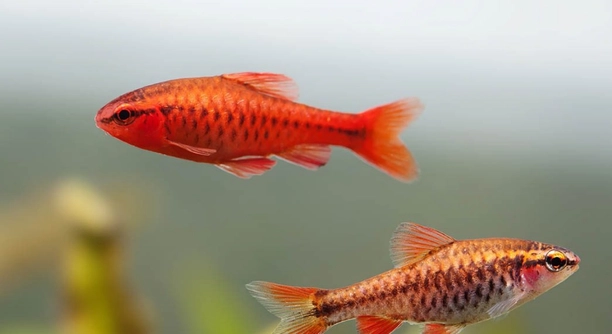
Cherry barbs are popular fish known for their lively nature and vibrant colors. Sometimes, you may notice them swimming in reverse, which can leave aquarium owners puzzled. Understanding why this happens can help you better care for these fish.
Cherry barbs swim in reverse due to various factors such as stress, environmental changes, or physical discomfort. It can also be linked to their natural behavior, especially when exploring their surroundings or evading potential threats.
These fascinating movements offer insight into their well-being. In the following sections, we’ll explore the possible reasons behind this behavior and how you can create the best environment for your cherry barbs.
Why Cherry Barbs Swim in Reverse: Natural Behavior
Cherry barbs have an interesting way of interacting with their environment. When they swim backward, it’s often a natural behavior. In the wild, fish like cherry barbs use reverse swimming to navigate through complex underwater structures or avoid predators. This behavior is instinctual and not always a sign of distress. They can swim backward quickly when they feel threatened, creating enough distance between them and any perceived danger.
While this can happen in an aquarium, it’s essential to note that this is a natural and normal reaction. It’s not necessarily a cause for concern. Sometimes, cherry barbs might even reverse to explore areas of the tank they haven’t visited before. Understanding this can give aquarium owners peace of mind. Their environment, water quality, and tank mates also play a significant role in these behaviors.
In most cases, reverse swimming is just a cherry barb being its curious self. However, ensuring they have a comfortable space to swim freely can help minimize excess stress. Keeping the tank environment calm and stable can also reduce unnecessary panic and encourage healthy exploration.
Stress Factors for Cherry Barbs
Stress is another factor that can cause cherry barbs to swim backward.
If there are sudden changes in water temperature, overcrowding, or aggressive tank mates, cherry barbs may react by swimming in reverse. These environmental factors can make them feel uneasy or trapped. It’s essential to ensure the tank is well-maintained to prevent such stress.
When a cherry barb feels overwhelmed, it may use reverse swimming to find shelter or escape perceived threats. For instance, if the water temperature fluctuates or the water quality is poor, the fish may become anxious and swim erratically. Overcrowded tanks can also contribute to the stress response. Ensuring that the fish have enough space to move and that the tank is properly filtered can make a significant difference in their behavior. Additionally, adding plants or decorations can provide hiding spots, giving your cherry barbs a safe space to retreat when they feel stressed.
Tank Environment and Layout
The layout of your aquarium can impact your cherry barb’s swimming patterns. If the tank has too many obstacles, it can cause confusion or discomfort. Fish need space to move around freely, so overcrowding in the tank or excessive decorations can force them to swim in reverse.
Cherry barbs prefer a tank with plants, open spaces, and hiding spots. When there is too much clutter or no clear swimming paths, the fish may feel trapped, causing them to swim backward in search of an escape. Aquariums should have enough open water for them to swim through without being obstructed. Adding live plants or rocks can create natural pathways for the fish, making them feel more secure and less likely to swim in reverse as a stress response. Ensuring there are safe places to hide gives them the security they need to explore calmly.
A tank with a balanced layout helps cherry barbs feel comfortable and natural. The fish will likely swim in a more predictable manner when they have the right environment. This setup allows them to exhibit healthy behavior, minimizing excessive reverse swimming.
Water Quality and Temperature
Poor water quality and unstable temperatures can make cherry barbs anxious. If the water is too dirty or the temperature fluctuates, it may trigger reverse swimming.
Water quality plays a huge role in a fish’s overall health and behavior. Cherry barbs need clean water with proper filtration. Ammonia, nitrites, and nitrates should be at safe levels, and regular water changes are necessary to prevent poor water conditions. If the water becomes polluted, the fish may become stressed, leading to abnormal swimming patterns, such as moving backward to escape. Similarly, if the tank temperature is too hot or cold, it can cause the cherry barbs to become disoriented or uncomfortable, prompting erratic movements like reverse swimming.
Maintaining a stable, clean environment is crucial for preventing reverse swimming. A consistent temperature between 72°F and 78°F (22°C to 25°C) is ideal for cherry barbs. Regular checks on water quality ensure that they thrive in a healthy, stress-free environment.
Tank Mates
Tank mates can influence cherry barbs’ behavior, including reverse swimming. If other fish in the tank are overly aggressive, cherry barbs might swim backward to avoid conflict.
Some species of fish can stress out cherry barbs, causing them to act defensively. For example, more aggressive fish may chase or intimidate them, leading to erratic movements like reverse swimming. This behavior is a natural reaction to perceived threats. If tank mates are too aggressive, consider adding more peaceful fish or providing enough hiding spots for the cherry barbs to escape to when needed.
The right tank mates help maintain harmony and reduce stress, leading to more peaceful and natural swimming patterns.
Health Issues
Health issues could also cause cherry barbs to swim in reverse. If a fish is feeling unwell, it may struggle to swim properly.
Fish with swim bladder problems, internal parasites, or injuries might exhibit unusual swimming patterns. Reverse swimming could be a sign of discomfort or difficulty moving due to these health issues. Keeping an eye on your cherry barbs for any signs of illness can help catch any potential problems early on. If you notice continuous reverse swimming, it’s a good idea to consult with an aquatic veterinarian to rule out health concerns.
Stress from Overcrowding
Overcrowding can lead to stress, causing cherry barbs to swim in reverse. When there are too many fish in a small space, they become anxious.
Crowded tanks often lead to competition for space, oxygen, and food, which raises stress levels. Fish may react by swimming erratically, including in reverse. Ensuring that the tank isn’t overcrowded is vital for maintaining a peaceful environment. Providing adequate space for each fish can help prevent such stress-related behaviors and promote better health and happiness for your cherry barbs.
FAQ
Why do cherry barbs swim backward?
Cherry barbs swim backward for a variety of reasons. One of the main reasons is instinctual behavior. In the wild, fish like cherry barbs use reverse swimming to avoid predators or navigate through complex environments. In an aquarium, they may swim backward to explore their surroundings, seek shelter, or escape from perceived threats. This behavior can also be triggered by stress, such as overcrowding or water quality issues. If your cherry barbs are swimming in reverse regularly, it’s a sign they might be feeling uncomfortable or trying to avoid something in their environment.
Is it normal for cherry barbs to swim backward?
Yes, it is normal for cherry barbs to swim backward on occasion. It is a natural behavior, and they do it in the wild as a defense mechanism or when exploring. However, if you notice them swimming backward excessively, it could indicate stress or discomfort. Factors such as water quality, tank mates, or overcrowding can trigger this behavior. In general, occasional backward swimming isn’t something to worry about, but if it’s constant, you might need to check their environment to ensure they are comfortable.
Can cherry barbs swim backward because of stress?
Yes, stress can cause cherry barbs to swim backward. Stress triggers abnormal behaviors in fish, and reverse swimming is one way they might react to feeling threatened or uncomfortable. Poor water conditions, such as fluctuating temperatures, high ammonia levels, or low oxygen, can make cherry barbs stressed. Tank mates that are too aggressive or overcrowding can also cause anxiety. When cherry barbs feel unsafe or trapped, they might swim backward as a way of escaping or finding a safe space.
What water temperature is best for cherry barbs?
Cherry barbs thrive in water temperatures between 72°F and 78°F (22°C to 25°C). If the water temperature fluctuates outside this range, it can stress the fish, leading to unusual behaviors like reverse swimming. It’s important to maintain a consistent temperature in the tank to keep your cherry barbs comfortable and healthy. Investing in a reliable aquarium heater and thermometer can help you maintain the ideal temperature and prevent stress-related behaviors.
How do I know if my cherry barb is sick?
A sick cherry barb may exhibit signs like lethargy, abnormal swimming (including reverse swimming), loss of appetite, or changes in appearance. Look for symptoms such as faded colors, bloating, or signs of injury. If your cherry barb is swimming in reverse continuously or acting unusually, it could be a sign of illness. Swim bladder disease, parasites, or internal infections are some common health issues that could affect swimming patterns. If you suspect your cherry barb is sick, it’s best to consult an aquatic vet for a proper diagnosis.
Can overcrowding cause cherry barbs to swim backward?
Yes, overcrowding can cause cherry barbs to swim backward. When there are too many fish in a tank, the water becomes polluted faster, and the fish have less space to swim freely. Cherry barbs may feel stressed and trapped, leading to erratic behaviors, including reverse swimming. Overcrowding also increases competition for food and oxygen, which can elevate anxiety in the fish. It’s important to ensure your tank is appropriately stocked to prevent overcrowding. Each fish should have enough space to swim comfortably, and the tank should be large enough to accommodate their needs.
What kind of tank mates are good for cherry barbs?
Cherry barbs do well with peaceful tank mates. They are social fish that enjoy the company of their own kind, but they also get along with other peaceful species like tetras, rasboras, and mollies. Avoid keeping them with aggressive or fin-nipping fish, as this can cause stress and lead to abnormal swimming behaviors, including reverse swimming. When choosing tank mates, consider the size and temperament of the fish. Ideally, the tank should have enough hiding spots and space for all the fish to avoid territorial disputes.
How often should I change the water in my tank?
You should change about 25% of the water in your aquarium every two weeks. Regular water changes help maintain water quality by reducing harmful levels of ammonia, nitrites, and nitrates. Poor water quality can cause stress and lead to abnormal behaviors, such as reverse swimming. In addition to water changes, make sure to clean the tank decorations, substrate, and filter regularly to prevent debris buildup. Testing the water regularly can also help ensure that the pH, hardness, and other factors are within the ideal range for your cherry barbs.
Can reverse swimming be a sign of aggression?
Reverse swimming is typically not a sign of aggression, but it can be related to stressful interactions with aggressive tank mates. Cherry barbs may swim backward to avoid being chased or bullied. In some cases, if there are aggressive fish in the tank, the cherry barbs may react by swimming erratically or in reverse to escape the confrontation. If you notice that your cherry barbs are swimming in reverse when other fish are near them, it might be time to reassess your tank mates and make sure they are compatible.
Do cherry barbs need a lot of space to swim?
Yes, cherry barbs need adequate space to swim. They are active swimmers, and a cramped tank can cause stress and lead to behaviors like reverse swimming. A tank size of at least 20 gallons is recommended for a small group of cherry barbs. The tank should have enough open swimming areas as well as places for the fish to hide or explore. Having a well-balanced tank layout with plants, rocks, and decorations helps provide both open spaces and hiding spots, allowing cherry barbs to swim naturally without feeling restricted.
Final Thoughts
Cherry barbs are generally healthy and easygoing fish that can make great additions to your aquarium. Their occasional reverse swimming is typically a natural behavior, often linked to their instincts or the environment around them. In most cases, it’s nothing to worry about. These fish are curious and will sometimes swim backward as they explore or respond to changes in their surroundings. As long as the behavior isn’t constant or accompanied by other signs of distress, there’s no immediate cause for concern.
However, if you notice frequent reverse swimming or other unusual behaviors, it’s important to consider their environment. Stress is a major factor that can cause abnormal swimming patterns. Poor water quality, overcrowding, and incompatible tank mates can all contribute to stress in cherry barbs. It’s essential to regularly check water parameters, like temperature, pH, and ammonia levels, and ensure that your tank isn’t overcrowded. A calm and well-maintained tank can go a long way in preventing stress and encouraging natural behaviors in your cherry barbs.
Lastly, always observe your fish for any signs of illness. While reverse swimming can be a natural response to their environment, it can also be a symptom of an underlying health issue. If you notice persistent abnormal swimming or other signs of illness, such as changes in appearance or behavior, consult an expert. Regular water changes, proper tank maintenance, and good tank mates are key to keeping your cherry barbs happy and healthy. By taking these steps, you can ensure a stable and thriving environment for your fish, allowing them to swim freely and naturally.

Hello,
If you enjoy the content that we create, please consider saying a "Thank You!" by leaving a tip.
Every little bit helps us continue crafting quality advice that supports the health, happiness, and well-being of pets around the world, for pets of all shapes, sizes, and species.
We really appreciate the kindness and support that you show us!