
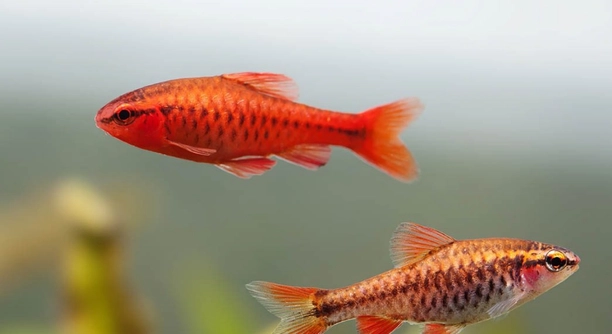
Cherry barbs are beautiful, active fish known for their vibrant colors and playful nature. However, they often prefer to hide among plants, a behavior that may confuse many aquarium enthusiasts. Understanding this behavior is key to their care.
Cherry barbs hide in plants primarily for safety and comfort. As a prey species, they instinctively seek shelter to avoid predators. Plants provide a secure space where they can rest, forage, and feel secure in their environment.
This behavior is an essential part of their natural instincts. Exploring the reasons behind it can help ensure their well-being in a tank environment.
Why Cherry Barbs Prefer Plants
Cherry barbs seek out plants primarily because they offer both physical and emotional security. As a small species, they naturally avoid open spaces to stay safe from larger predators. Dense plants create an environment where they feel hidden yet still able to move freely.
Plants also provide essential cover for cherry barbs to rest and take shelter. In their natural habitat, these fish are used to navigating through plants in search of food. This behavior transfers easily to aquarium settings, where the plants simulate their wild surroundings.
While cherry barbs can be active and social, they will often retreat to plants when they feel stressed or threatened. This retreating behavior ensures their safety while giving them a chance to recover and feel secure. Understanding this instinct can help aquarium owners create a more comfortable and natural environment for their fish. The proper tank setup with adequate plant coverage will not only reduce stress but also enhance their overall health.
Benefits of Plant Coverage
Plants help reduce stress for cherry barbs by providing shelter. This behavior helps them avoid stress and improve their well-being.
In addition to providing cover, plants play a role in maintaining water quality by absorbing excess nutrients. This can create a more stable environment for cherry barbs, reducing the likelihood of water fluctuations that may cause distress. Plants also help to oxygenate the water, creating a better living environment for all tank inhabitants. The added benefit of plants encourages the fish to be more active and comfortable within their environment.
Cherry barbs are naturally curious and social fish, so the right balance of plants and open spaces ensures they remain active without feeling too exposed. When fish feel secure, they are more likely to display healthy behaviors, such as swimming freely, foraging for food, and interacting with other tank mates. This results in happier and more well-adjusted fish.
How Plants Benefit Cherry Barbs
Plants provide more than just a hiding spot for cherry barbs. They offer the fish a comfortable and natural environment. With the right plant setup, your barbs will feel more at ease and less stressed.
A well-planted tank gives cherry barbs access to shelter, which they seek for safety. By offering plant coverage, fish can escape aggressive tankmates and rest without being disturbed. Plants also help to mimic their natural habitat, providing a more authentic living space. This connection to their natural surroundings helps keep them healthy and thriving.
The benefits of plants extend beyond comfort. The aquatic plants in the tank absorb excess nutrients and help maintain water quality. This keeps the water cleaner and reduces the risk of harmful toxins. Healthy water means a healthier environment for the fish. When cherry barbs feel safe and comfortable, they are more likely to display active and natural behaviors, benefiting their well-being.
Choosing the Right Plants
Selecting the right plants is essential for creating the perfect environment. Opt for fast-growing plants that can provide ample coverage and oxygenate the water.
When picking plants for a cherry barb tank, consider plants that grow densely and provide hiding spots at different levels. Java moss, water sprite, and hornwort are excellent choices for this purpose. These plants grow quickly, offering both hiding spaces and oxygenation for the tank. Additionally, they help maintain the water quality by absorbing excess nutrients and preventing algae growth.
The placement of the plants is equally important. Create a mix of taller plants along the back and shorter ones along the sides of the tank. This provides multiple levels of cover, helping cherry barbs feel more secure. Ensure there is enough open swimming space for the barbs to move around, as they still need room for active exploration. Proper plant placement encourages the barbs to use both hiding spots and open areas, ensuring a balanced and comfortable environment.
Creating the Right Tank Setup
For cherry barbs, a well-balanced tank setup is essential. Focus on providing plenty of plants and hiding spaces to mimic their natural environment.
A variety of plants, such as floating and submerged types, will offer both shelter and foraging opportunities. Ensure the tank is not overcrowded with decorations, as too many objects can make the fish feel trapped. A tank with natural elements allows cherry barbs to express their natural behaviors, promoting their overall health.
Water Quality and Temperature
Maintaining stable water quality is vital for cherry barbs. They thrive in clean, well-filtered water with a temperature between 72-80°F.
Cherry barbs are sensitive to sudden temperature changes and poor water conditions. Consistent water changes and proper filtration will ensure a healthy environment. The ideal water parameters include slightly acidic to neutral pH levels. This stable environment encourages the barbs to thrive and reduce stress, making them more active and comfortable in their tank.
Tankmates for Cherry Barbs
Cherry barbs are peaceful and do well with other non-aggressive fish. Choose tankmates that complement their calm nature.
Avoid keeping them with overly aggressive species that may cause stress. Smaller, peaceful fish like tetras, rasboras, and gouramis make great companions. The presence of compatible tankmates helps create a balanced environment, reducing the chance of aggression and stress-related issues.
FAQ
Why do cherry barbs hide so much?
Cherry barbs often hide because they are naturally shy fish. In the wild, they seek shelter to avoid predators. In an aquarium, they will use plants and other decorations to feel safe. This behavior is instinctive and helps reduce stress. If you notice your cherry barbs hiding often, ensure they have plenty of hiding spots and feel secure in their environment.
How can I reduce the hiding behavior in cherry barbs?
If you want your cherry barbs to be more active, consider adding more plants and hiding spots to their tank. A balance of open swimming space and cover allows them to feel secure but also explore freely. Avoid overcrowding the tank, as too many fish can cause stress and increase hiding. Additionally, ensure stable water conditions and avoid sudden temperature or pH changes, which can make them more anxious.
Are cherry barbs easy to care for?
Yes, cherry barbs are relatively easy to care for. They require a tank with stable water parameters, such as a temperature range of 72-80°F and a slightly acidic to neutral pH. Regular water changes, proper filtration, and a balanced diet are also key to keeping them healthy. Providing plants and decorations to mimic their natural environment will also help them feel more at ease.
What do cherry barbs eat?
Cherry barbs are omnivores, so they eat a variety of foods, including high-quality flake or pellet food, live or frozen foods like daphnia, brine shrimp, and bloodworms, and plant matter like algae and biofilm. A varied diet ensures they receive all the necessary nutrients. Offering a mix of foods will help keep them active and healthy.
Do cherry barbs get along with other fish?
Yes, cherry barbs are peaceful fish that get along well with other non-aggressive species. They are social and enjoy being in groups, but they will not compete aggressively for food or territory. Small, peaceful fish like tetras, rasboras, and other barbs can make great companions. Avoid keeping them with large or overly aggressive fish, as they may cause stress.
How many cherry barbs should I keep together?
Cherry barbs are social fish and should be kept in groups of at least five or six individuals. Keeping them in a group allows them to feel safer and less stressed. In a small group, they may become more nervous and hide more often. A larger group encourages natural behaviors, such as swimming and foraging together, making them more active.
What size tank do cherry barbs need?
Cherry barbs are small fish, so a 20-gallon tank is usually sufficient for a small group. If you’re planning to keep multiple species in the tank, consider a larger aquarium. A bigger tank provides more space for swimming and reduces the chances of territorial disputes, which helps reduce stress.
Are cherry barbs good for beginners?
Yes, cherry barbs are a great choice for beginners. They are hardy and adaptable to a range of water conditions, making them easy to care for. They are also peaceful and easy to feed, making them suitable for a community tank. However, like any fish, they require attention to water quality and a stable environment to thrive.
How often should I feed cherry barbs?
Cherry barbs should be fed once or twice a day, with small amounts of food that they can consume within a few minutes. Overfeeding can lead to water quality issues, so it’s important to feed them only what they can eat in a short amount of time. A varied diet of flakes, pellets, and occasional live or frozen foods is ideal.
Can cherry barbs live with other types of barbs?
Yes, cherry barbs can live with other types of barbs as long as the other species are not too aggressive. Barbs are generally peaceful but can sometimes display territorial behavior, so make sure the tank is large enough and has plenty of hiding spaces to prevent conflict. Species like the gold barb and the green barb are often compatible with cherry barbs.
How long do cherry barbs live?
Cherry barbs typically live for 3 to 5 years, depending on water quality, diet, and overall care. Keeping them in a stable environment with proper filtration, regular water changes, and a balanced diet can help extend their lifespan. With good care, some cherry barbs may even live longer than the average lifespan.
Why do my cherry barbs look dull?
If your cherry barbs appear dull or faded, it could be due to stress, poor water quality, or an inadequate diet. Ensure the tank is clean, with proper filtration and regular water changes. Offer a balanced diet that includes both plant and animal-based foods. Stress from overcrowding or incompatible tankmates can also cause them to lose their color.
How do I know if my cherry barbs are healthy?
Healthy cherry barbs are active, swim freely, and display bright, vibrant colors. They should have clear eyes, healthy fins, and be alert in the tank. If they are hiding too much, have faded colors, or exhibit unusual behavior like lethargy or loss of appetite, it could be a sign of stress, illness, or poor water quality.
What temperature do cherry barbs prefer?
Cherry barbs prefer water temperatures between 72-80°F. Keeping the water temperature within this range helps maintain their activity levels and overall health. Sudden temperature changes or extremes can stress the fish, leading to health issues. Using a reliable aquarium heater will help maintain stable water temperature.
Do cherry barbs breed in captivity?
Yes, cherry barbs can breed in captivity if provided with the right conditions. They need a separate breeding tank with soft, slightly acidic water and plenty of plants for the female to lay her eggs. After breeding, the parents should be removed to prevent them from eating the eggs. The eggs hatch in a few days, and the fry will need to be fed small, nutritious foods once they become free-swimming.
Final Thoughts
Cherry barbs are peaceful, colorful fish that make a great addition to any aquarium. With proper care, they can thrive in a variety of setups. Their natural instinct to hide is simply part of their behavior, and providing them with plenty of plants and hiding spots will help them feel secure. When kept in a group, cherry barbs are more active and less likely to hide, creating a lively, peaceful environment in your tank. A stable environment with good water quality and appropriate tankmates will help ensure they remain healthy and vibrant.
Their diet is another essential factor in their well-being. Cherry barbs thrive on a balanced diet that includes both plant-based and animal-based foods. Offering a variety of flakes, pellets, and occasional live or frozen foods will keep them active and healthy. It is also important to monitor their feeding schedule and avoid overfeeding, as excess food can negatively affect water quality. Keeping their environment clean and ensuring the proper temperature range between 72-80°F is key to their overall health and longevity.
In conclusion, cherry barbs are hardy and relatively easy to care for, making them an excellent choice for beginner aquarists. Their peaceful nature and ability to adapt to a range of tank conditions make them a versatile species that can coexist with many other fish. By providing them with the right tank setup, diet, and water conditions, you can enjoy their vibrant colors and peaceful behavior for years to come. Cherry barbs, with their shy tendencies and beautiful appearance, will add life and color to your aquarium if given the proper care.

Hello,
If you enjoy the content that we create, please consider saying a "Thank You!" by leaving a tip.
Every little bit helps us continue crafting quality advice that supports the health, happiness, and well-being of pets around the world, for pets of all shapes, sizes, and species.
We really appreciate the kindness and support that you show us!