
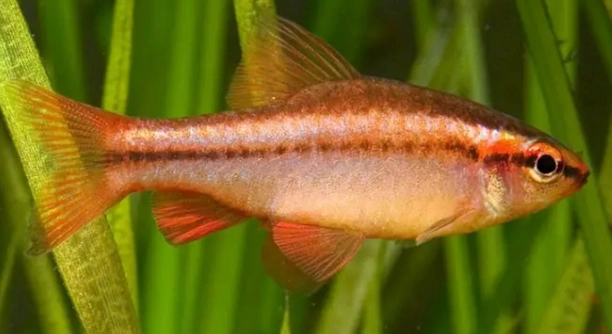
Do your cherry barbs seem a little too active around each other, often chasing and nipping at fins during feeding or playtime?
Cherry barbs nip at each other’s fins primarily due to territorial behavior, mating rituals, or stress-related aggression. These actions are often a display of dominance, especially in male barbs competing for space, mates, or food.
Understanding the cause of this fin-nipping behavior can help you create a more peaceful and balanced tank environment for your fish.
Why Cherry Barbs Get Aggressive
Cherry barbs can become aggressive for several reasons, and it usually starts when their environment doesn’t meet their natural needs. These fish are semi-aggressive by nature, especially the males, and when kept in small groups or tight spaces, their behavior can escalate. In tanks that lack proper hiding spots or don’t have enough room to swim freely, cherry barbs may start nipping at each other’s fins as a way to express dominance. Mating season can also cause this shift in behavior. Males display brighter colors and often compete by chasing or nipping. Stress from poor water conditions or incompatible tank mates may also trigger aggression. Although these behaviors can seem harsh, they are quite natural if the right setup isn’t provided. Taking the time to create a better environment can reduce most of the issues and make your fish feel more secure.
Barbs often use fin nipping to establish a social order within the tank.
Providing your cherry barbs with a well-decorated tank and proper group sizes can ease the tension. Keep males outnumbered by females to reduce competition. Adding plants, caves, and driftwood will also create places to hide, which helps lower stress levels and limits aggressive behavior.
How to Keep Cherry Barbs Peaceful
Stress is a major reason why cherry barbs nip at each other.
To prevent fin nipping, start with the right tank size. A minimum of 20 gallons is ideal for a small school of cherry barbs. This gives them enough space to swim without feeling cramped. Always keep them in groups of at least six, with more females than males if possible. Balanced gender ratios reduce aggressive displays and allow the males to compete less often. Make sure the water is clean and properly cycled—stable temperatures, a neutral pH, and regular maintenance go a long way. Also, enrich the environment with plants and decor to create separation and hiding spots. Feeding them a varied diet at the same time each day can also help reduce food-related aggression. Keeping these things in mind can help create a calmer, healthier tank that your cherry barbs will enjoy. Their behavior will improve when they feel safe, have space, and live in a well-planned group.
Common Mistakes That Make Things Worse
Keeping cherry barbs in groups that are too small is one of the most common mistakes. When kept in pairs or trios, these fish often become territorial and stressed, which increases the chance of aggressive behavior like fin nipping.
Another issue is overcrowding the tank. Even though cherry barbs are small, they still need space to swim and hide. Cramped conditions can lead to competition over territory and food, causing stress and aggression. Poor water quality is another trigger. Ammonia spikes or unstable pH levels make the fish uncomfortable, which may push them to act out. Tank decorations that don’t provide enough cover or separation can also lead to more chasing and nipping. A lack of visual barriers gives fish fewer chances to avoid conflict. When all these elements go unchecked, behavior problems often get worse over time.
Ignoring the gender balance in your group of cherry barbs can lead to issues. Having too many males in one tank increases competition and aggression. Without enough females to balance things out, the males may constantly chase each other or fight for dominance. This ongoing tension can cause stress and make the entire tank feel chaotic.
What to Do When Fin Nipping Happens
The first thing to do is observe the group dynamics closely. See which fish are causing problems and note any changes in behavior or signs of injury. It helps to check if your tank setup meets their basic needs.
If you notice persistent fin nipping, consider rearranging the tank decorations. This can break up territories and reduce dominance displays. Adding more plants or hiding places often works well. If one fish is overly aggressive, try separating it into a breeder box temporarily to let the others settle down. In some cases, it might help to add more females or increase the school size to calm things down. Make sure the water parameters are stable and feeding times are consistent. When the tank feels balanced, the cherry barbs are less likely to fight. With small changes and consistent care, most issues improve over time.
How Environment Impacts Behavior
A poorly decorated tank can make cherry barbs feel exposed and uneasy. Without plants, rocks, or hiding spots, they become more alert and tense, which leads to chasing and fin nipping as a way to defend themselves or claim space.
Lighting also plays a role in their behavior. If the light is too bright or always on, it can cause stress. A dim, natural setting that mimics their native environment helps them feel safer and reduces aggressive interactions.
Signs Your Cherry Barbs Are Stressed
Stressed cherry barbs may show faded colors, loss of appetite, and erratic swimming. Fin nipping is a clear sign, but other behaviors like hiding constantly or darting quickly can also indicate something is wrong. If one or more barbs start isolating themselves or become overly aggressive, it’s usually a response to poor conditions. Watch for clamped fins or rapid breathing, too. These signs often mean the fish are uncomfortable or reacting to environmental triggers. Fixing the tank conditions quickly helps prevent long-term issues and keeps your cherry barbs healthy and active. Always observe them closely to catch early warning signs.
When to Separate a Cherry Barb
If one cherry barb is constantly aggressive and doesn’t settle down even after changes, it might be time to move it to another tank. This helps protect the rest of the group and gives the aggressive fish space to calm down.
FAQ
Why do male cherry barbs nip more than females?
Male cherry barbs are naturally more territorial and competitive, especially during mating periods. Their brighter colors attract mates, but they also draw attention from other males. This often leads to chasing and fin nipping as a way to establish dominance. When several males are kept together without enough space or females, tension builds quickly. It’s a common behavior, but it can be managed by having a higher female-to-male ratio and creating more hiding spots in the tank.
Can cherry barbs live peacefully in a community tank?
Yes, cherry barbs can live peacefully with other calm fish species. However, they should be kept in groups of at least six to reduce stress. When isolated or kept in smaller numbers, they can become nervous or aggressive. Avoid pairing them with fin-nipping fish or overly active species that might stress them out. Ideal tank mates include peaceful fish like corydoras, rasboras, and small tetras. A calm environment and enough space help cherry barbs thrive without becoming aggressive toward others.
What should I do if one barb has torn fins?
If a cherry barb has torn fins, check for ongoing aggression first. Identify the fish responsible and separate it if needed. Improve tank conditions by testing the water and removing any sharp decor that might be causing injury. Clean water with no ammonia or nitrites is essential for healing. You can also add stress coat water conditioner to promote fin regrowth. Avoid medications unless the fins show signs of infection like redness, swelling, or white edges. Keep a close eye on the injured fish and give it time to recover.
Are cherry barbs aggressive by nature?
Cherry barbs are considered semi-aggressive, but this mostly applies to males or when they’re under stress. In a well-maintained tank with balanced numbers and proper space, they are usually peaceful and active without causing harm. Problems often come from overcrowding, poor gender ratios, or tank conditions that don’t meet their needs. While they may nip occasionally, consistent aggression usually means something is wrong in the setup. Fixing these issues often solves the behavior.
How big should the tank be for a school of cherry barbs?
A minimum of 20 gallons is recommended for a small school of six cherry barbs. This gives them space to swim and claim territories without feeling crowded. A longer tank is better than a tall one, as these fish prefer horizontal swimming space. If you plan to add more barbs or tank mates, increase the tank size accordingly. Adding plants, rocks, and decorations helps make the space feel larger by breaking up sight lines and reducing conflict. A well-planned layout goes a long way in keeping them peaceful.
Do cherry barbs stop nipping as they age?
In some cases, yes. As cherry barbs grow older, they often settle down and become less reactive, especially if they’re in a stable environment. Younger males are usually more active and competitive, especially when maturing and trying to establish rank. Older fish that feel secure and aren’t competing constantly tend to show less fin-nipping behavior. However, this change depends on the tank setup, population balance, and overall health. A calm, well-structured tank helps all ages behave better.
Is it okay to keep just two cherry barbs?
Keeping just two cherry barbs is not recommended. They are schooling fish and need groups to feel safe and act naturally. When kept in pairs, they often show signs of stress like hiding, aggression, or fin nipping. A group of at least six helps them establish a proper social structure. This lowers tension and creates a more stable environment. If space is a concern, consider keeping a smaller group of peaceful nano fish instead. Cherry barbs truly do best when they’re not alone.
Final Thoughts
Cherry barbs are colorful and active fish that many people enjoy keeping in home aquariums. But when they start nipping at each other’s fins, it can be confusing and concerning. This behavior is often linked to stress, competition, or poor tank conditions. It’s not always a sign of something serious, but it’s still important to understand what’s going on. Small changes in how the tank is set up or how many fish you keep together can make a big difference. Once the fish feel more comfortable, they often stop nipping and become calmer. Watching them interact in a healthy group can be a lot more enjoyable.
Paying attention to the little details—like group size, water quality, and tank layout—goes a long way. Cherry barbs need a space that matches their natural behavior. They want room to swim, places to hide, and a good balance of males and females in their group. Even lighting and feeding schedules can affect how they act. It’s not hard to get things right, but it does take a bit of effort. Observing them closely and reacting to their behavior will help you keep problems from growing. If something seems off, it usually means the tank needs a small adjustment. These fish will respond well when they feel secure.
In the end, cherry barbs are peaceful when their needs are met. Fin nipping can look harsh, but it’s often a sign that something isn’t quite right in the tank. Luckily, it’s something you can fix. With the right setup and care, they can live together without causing harm. You’ll see more natural schooling, brighter colors, and better activity levels when everything is in balance. Keeping cherry barbs happy doesn’t require fancy equipment—just a little patience and attention to their behavior. Once their environment is set up properly, they can be a lively and low-stress addition to any community aquarium.

Hello,
If you enjoy the content that we create, please consider saying a "Thank You!" by leaving a tip.
Every little bit helps us continue crafting quality advice that supports the health, happiness, and well-being of pets around the world, for pets of all shapes, sizes, and species.
We really appreciate the kindness and support that you show us!