
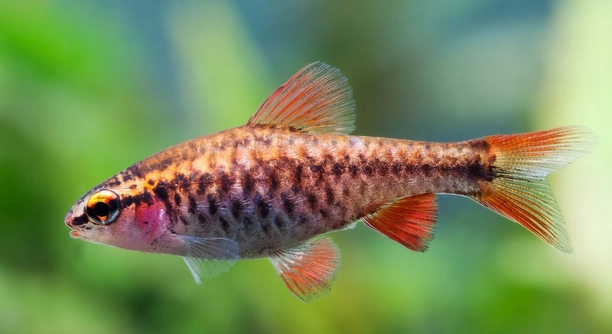
Do your cherry barbs often gather in one spot, staying motionless in the corner of the tank for long periods of time?
Cherry barbs hover in the corner primarily due to stress, poor water conditions, or a lack of stimulation in their environment. These behaviors may also signal illness or issues with compatibility among tank mates.
Understanding these causes can help improve your fish’s behavior and well-being, making their tank a more balanced and peaceful home.
Common Reasons for Corner-Hovering
Cherry barbs often stay in one spot when something in their environment is off. Stress is one of the most common causes. Poor water quality, such as high ammonia or nitrate levels, can make them uncomfortable. A lack of hiding places or too much lighting can also contribute to this behavior. These fish prefer calm surroundings and do best in a peaceful tank with consistent conditions. If other fish are too aggressive, cherry barbs may isolate themselves. Temperature fluctuations or an overcrowded tank can lead to constant hiding as well. Checking the tank setup, water parameters, and tank mates is the first step in helping them feel comfortable again.
This behavior is not always a health concern, but it should not be ignored either. A few small changes can improve their behavior quickly.
Make sure your cherry barbs have enough swimming space, gentle tank mates, and stable conditions to help reduce stress.
Signs of Illness or Discomfort
Cherry barbs hovering in corners may also show signs of illness. Look for clamped fins, labored breathing, or color loss. These signs can point to bacterial infections, parasites, or internal issues that require attention.
If you’ve ruled out environmental problems and your fish is still acting withdrawn, health should be your next focus. It’s important to monitor changes in appearance and activity. Sudden behavior shifts often indicate something more serious. Testing water parameters can help confirm whether external stressors are the problem, but it’s also wise to observe for physical symptoms. Quarantining the fish for closer observation is a good idea if symptoms worsen. Many common issues, such as ich or fin rot, are treatable with over-the-counter medications when caught early. Providing a quiet recovery space, improving water quality, and sticking to a feeding schedule can all support healing. Always research any treatment before starting to ensure it’s safe for your cherry barbs.
Environmental Adjustments That Help
Start by checking the tank’s temperature, filtration, and lighting. These should match the needs of cherry barbs. Add more live plants or decorations to give them a sense of safety. Avoid overcrowding and reduce any strong currents.
Cherry barbs prefer tanks with subdued lighting and stable temperatures between 74°F and 80°F. Adding plants like Java fern or Anubias can provide hiding spots that help them feel less exposed. Keep the tank peaceful by avoiding loud noises or frequent movements near the glass. It’s also helpful to perform partial water changes weekly to keep nitrate levels down. Be consistent with feeding times and avoid overfeeding, as leftover food can reduce water quality. If the tank is too small, consider upgrading to one that offers more room. All these changes can reduce their stress levels and encourage them to swim freely again.
When making changes, try not to do everything at once. Adjusting too many things in a short time can overwhelm the fish. Make one or two small changes, wait a few days, then observe their behavior. Gradual improvements are easier for them to handle. Keep a log of any changes you make, including feeding routines, water tests, and tank setups. This will help you track patterns more easily.
Social Dynamics in the Tank
Cherry barbs thrive in groups of five or more. Keeping too few can cause stress or aggression. If housed with aggressive or fast-swimming fish, they may hide more often. Choose calm tank mates that match their energy.
Tank harmony matters a lot for cherry barbs. They are social fish and do best in a peaceful group. When kept in small numbers, they may feel vulnerable and become more withdrawn. If they’re being chased or outcompeted for food, hovering in the corner becomes a survival response. Suitable companions include other peaceful species like Corydoras, rasboras, or small tetras. Avoid mixing them with fin-nippers or large, aggressive fish. Even within a group of cherry barbs, one overly dominant fish can upset the balance. In those cases, rearranging the tank decor can help break up territories. Ensuring even feeding and plenty of space reduces competition and gives all fish a chance to thrive.
Feeding Habits and Their Effects
Cherry barbs that don’t get enough food or face competition may become withdrawn. Uneven feeding can cause weaker fish to hover in corners and avoid aggressive eaters. Spread food out to help everyone get a share.
Feeding high-quality flakes, micro pellets, and the occasional treat like brine shrimp or daphnia can improve their energy and color. Rotate food types to avoid boredom and ensure balanced nutrition.
Breeding Behavior and Shyness
During breeding periods, males may become territorial while females hide. Hovering in corners could be linked to this natural behavior. Providing dense plant cover allows shy fish to retreat safely during mating activity.
Tank Setup Mistakes to Avoid
A tank that lacks structure or has sharp décor can discourage movement. Avoid bright lighting, rough ornaments, and bare setups. Soft plants and smooth decorations help create a secure, natural space.
FAQ
Why do cherry barbs suddenly stop swimming around and stay still?
This usually happens when they feel unsafe or stressed. Sudden changes in water temperature, pH, or lighting can cause this shift. Cherry barbs are sensitive to their surroundings and react by reducing movement to conserve energy and stay hidden. Illness, bullying from tank mates, or low oxygen levels can also be the cause. When they remain still for long periods, it’s important to test water quality and observe for other signs of distress. A calm tank setup and stable conditions will help them feel secure and return to normal behavior.
Can cherry barbs get depressed if kept alone?
Yes, cherry barbs are schooling fish and do best when kept in small groups. If housed alone or in pairs, they may become shy, inactive, or display odd behaviors like hovering in one area. They rely on social cues from others in the group for confidence and activity. When they are isolated, they may lose their natural colors and avoid swimming around the tank. Always keep at least five cherry barbs together to promote healthy social interaction. More companions create a more balanced environment where they feel safe and active.
Is hovering a sign of illness or just stress?
It can be either, depending on the situation. Stress usually results from environmental factors like poor water quality, loud surroundings, or aggressive tank mates. In these cases, the behavior may improve after correcting the cause. Illness, on the other hand, may come with physical signs like clamped fins, pale coloring, or labored breathing. If these signs appear alongside hovering, it’s best to isolate the fish and monitor closely. Using water test kits and observing other fish can help determine if the issue is broader or isolated to one individual.
Do cherry barbs need hiding spots?
Yes, they feel more secure when they have areas to retreat to. Hiding spots help reduce stress and create a natural tank environment. Plants like hornwort, Java fern, and Anubias are ideal for this purpose. Caves or driftwood also offer cover. When the tank has good hiding spots, cherry barbs are more confident and are actually more likely to swim out in the open. Without these spaces, they may feel exposed and stay in corners or behind equipment. Proper tank layout plays a big role in their daily activity and comfort.
Will changing the lighting make a difference?
Yes, it can. Bright or direct lighting may cause cherry barbs to hide. They prefer softer light with shaded areas. Using floating plants like water lettuce or duckweed can help diffuse lighting naturally. If you use artificial lights, try a lower-intensity setting or place the light on a timer to mimic a natural day-night cycle. Sudden light changes should also be avoided. Keeping things gradual and consistent allows the fish to adjust better. A well-lit tank with shaded areas gives them balance and helps reduce the corner-hovering behavior.
How often should I check water conditions?
Test your water at least once a week. Monitor ammonia, nitrite, nitrate, pH, and temperature. Any imbalances in these can affect your cherry barbs’ behavior. If they start acting differently, check the water right away. Keeping a record of your readings helps spot trends over time. Even if the tank looks clean, invisible changes can stress the fish. Use a liquid test kit for more accurate results than strips. Regular checks, along with partial water changes, help maintain a stable and safe environment for your fish to thrive.
What if only one cherry barb is hovering?
If just one fish is acting this way, observe it closely for signs of illness. Isolate it if you see anything unusual like white spots, frayed fins, or bloating. If the fish looks physically fine, stress from bullying or poor hierarchy could be the issue. You can try rearranging the tank or adding more hiding spaces. Also check if it’s consistently being chased or excluded from feeding. A peaceful tank environment and social balance are important. Sometimes, one fish just needs a bit more space or a better group dynamic.
How do I know if my cherry barbs are getting along?
Watch their swimming patterns and feeding behavior. Healthy cherry barbs interact without being aggressive. If you see one fish being chased constantly or pushed away from food, that could signal a problem. Fin-nipping and fast darting movements may also show aggression. Fish that school together calmly and eat without conflict are usually well-adjusted. Keeping a group of five or more helps spread out any tension. Introducing fish slowly and decorating the tank with enough barriers can also reduce stress and prevent bullying. Peaceful behavior means your group is balanced.
Final Thoughts
Cherry barbs are small, peaceful fish that bring color and movement to a freshwater tank. When they start hovering in a corner, it can feel confusing or even worrying. This behavior is not random. It usually points to something in their environment that needs attention. They may be reacting to changes in water quality, stress from tank mates, or even illness. Sometimes, it can be as simple as bright lights or a lack of hiding spots. These fish depend on consistency and comfort in their surroundings to feel safe enough to swim freely.
Observing your cherry barbs regularly can help you catch small problems before they grow into bigger issues. A change in behavior is often the first sign that something is off. Weekly water checks, consistent feeding routines, and the right group size are all small steps that go a long way. Creating a calm and stable tank setup will make your fish feel secure. If they have enough space, hiding spots, and quiet corners, they’re more likely to stay active and show their natural colors. These little adjustments can make a big difference in how your cherry barbs behave.
Caring for cherry barbs means paying attention to both their physical and social needs. They are not just pretty to look at; they also rely on a healthy and balanced environment to stay well. If they hover in a corner, it is often their way of saying something is wrong. The solution might be simple, like adding plants or reducing tank stress, or it might need more action, like treating illness or upgrading the filtration system. Either way, understanding their behavior helps you give them a better quality of life. Keeping them healthy means keeping their tank peaceful, stable, and suited to their needs.

Hello,
If you enjoy the content that we create, please consider saying a "Thank You!" by leaving a tip.
Every little bit helps us continue crafting quality advice that supports the health, happiness, and well-being of pets around the world, for pets of all shapes, sizes, and species.
We really appreciate the kindness and support that you show us!