
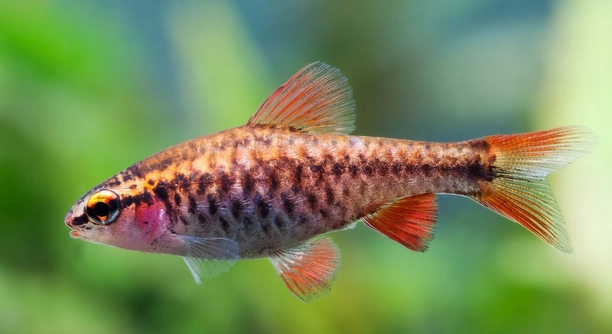
Cherry barbs are known for their unique behavior, often seen hovering in one spot in the aquarium. This action can seem puzzling to many fishkeepers, yet there are several natural explanations for why they engage in this behavior.
The most common reason for cherry barbs hovering is related to their natural instinct to find a safe spot. By staying in one location, they feel secure from potential threats. They are also known to rest in areas with strong water flow, helping them conserve energy.
Understanding this behavior can provide you with insight into their needs. It can also ensure that your aquarium setup meets their requirements for both comfort and health.
Why Cherry Barbs Hover in One Spot
Hovering in one spot is a common behavior among cherry barbs, and it’s often misunderstood by aquarium keepers. When these fish stay in one location, it’s typically because they feel safe. Cherry barbs are small and easily startled, so they often find shelter in a spot where they can stay still and watch for any changes in their environment. This behavior is part of their natural instinct to avoid predators. As they are generally peaceful fish, they prefer areas that provide security, like near plants or behind decorations.
They may also hover in areas where the water flow is stronger. The current helps them conserve energy by reducing the effort needed to swim. This behavior is especially common when cherry barbs are in their resting state. In these moments, they often choose spots in the tank that provide a balance of safety and comfort.
Aquarium Setup for Cherry Barbs
To keep your cherry barbs healthy, consider how you set up the aquarium. Make sure to add plenty of plants, hiding spots, and areas with gentle currents.
By creating an environment with varied water flow, you ensure your cherry barbs can rest easily while still being able to engage in natural behaviors. With enough places to hide and swim, they will feel secure enough to move around. If your tank has strong water flow, it might encourage them to hover in these areas more frequently. Adjusting the water movement can help reduce their need to stay still.
Importance of Tank Conditions
The right tank conditions play a significant role in whether your cherry barbs hover. Stable water temperature, pH levels, and water hardness are essential. Fluctuating conditions can stress the fish, causing them to act differently. Maintaining balance ensures they feel comfortable enough to swim actively rather than hover in one spot.
A stable water temperature between 74°F to 80°F (23°C to 27°C) is ideal for cherry barbs. Sudden temperature changes can make them seek refuge in one area of the tank, leading to hovering behavior. Similarly, the pH should be kept between 6.0 and 7.5 for optimal health. Consistent water parameters help reduce stress, encouraging the fish to swim more naturally. By providing stable conditions, cherry barbs are less likely to feel the need to hover in a particular area constantly.
In addition to temperature and pH, water hardness can also impact their behavior. Cherry barbs prefer soft to moderately hard water, which helps maintain their overall health. If water hardness is too high, the fish might become more passive, staying in one spot for extended periods. Regular water changes and monitoring the water quality will ensure they are comfortable in their environment.
Adding Companions to the Tank
Cherry barbs are social fish, and adding companions can help reduce hovering behavior. Keeping them in small groups of at least five to six individuals helps them feel secure. They tend to be more active and less inclined to hover when in a group, as they can engage in schooling behavior.
When introduced to a community tank, cherry barbs thrive when paired with peaceful species that have similar care requirements. If your tank contains other fish species that are too aggressive or territorial, it may stress the cherry barbs, making them more likely to stay still and hover in one area. Peaceful tank mates like tetras or rasboras work best with cherry barbs, offering them company without the risk of stress.
Having the right companions also encourages the cherry barbs to interact with their environment more, further reducing the tendency to hover. When they feel safe and surrounded by others of their kind, they are more likely to swim around the tank, exploring different areas. This balance in the tank dynamics contributes to their well-being.
Stress and Its Effects
Stress can trigger hovering behavior in cherry barbs. This could be due to poor water quality, aggressive tank mates, or sudden changes in the environment. When cherry barbs feel threatened, they tend to stay still and find a safe space.
If your cherry barbs are consistently hovering in one spot, check for signs of stress. Issues like high ammonia levels, low oxygen, or overcrowding can lead to discomfort. Even minor changes in lighting or sudden movements near the tank can cause them to seek shelter in one spot. Ensuring a stable environment helps reduce stress levels, allowing them to swim more freely.
Feeding and Activity Levels
The amount and type of food can also influence hovering behavior. Overfeeding can lead to lethargy, causing the fish to hover instead of swimming around. Cherry barbs are active swimmers and need a balanced diet to stay energetic.
If you’re overfeeding, you might notice your cherry barbs staying in one spot, possibly near the surface or at the tank’s edges. Offering small, frequent meals can help maintain their energy levels and prevent them from becoming too sluggish. Additionally, a variety of foods like high-quality pellets, flakes, and occasional live food ensures they remain healthy and active.
Water Flow and Movement
Water flow is essential for cherry barbs. If the current is too strong or too weak, it can lead to hovering behavior. They prefer gentle to moderate flow, which helps them maintain comfort while swimming.
In tanks with high water flow, cherry barbs will naturally hover in calmer areas where they feel secure. By adjusting the flow to suit their needs, you create an environment that encourages swimming and exploration. This adjustment can be done with a filter or a powerhead to create varied water movement, ensuring your fish remain active.
FAQ
Why do cherry barbs hover at the surface of the tank?
Cherry barbs may hover near the surface when they are searching for oxygen or adjusting to changes in water quality. Low oxygen levels or poor water circulation can cause them to move toward the surface. Additionally, they might hover here to find more comfortable temperatures or better lighting conditions. If hovering becomes frequent, it’s important to check the water quality, especially the oxygen levels and filtration system. Ensuring good water circulation and performing regular water changes can help reduce this behavior.
Do cherry barbs hover when they are sick?
Yes, cherry barbs may hover when they are not feeling well. Sick fish tend to exhibit lethargic behavior, staying in one spot for extended periods. Diseases or parasites can cause physical discomfort, making it hard for the fish to swim actively. If your cherry barbs hover more often than usual, it’s important to check for any signs of illness, such as discoloration, bloating, or unusual swimming patterns. Properly diagnosing the issue and treating any health problems promptly can prevent more serious complications.
Can cherry barbs hover if they are stressed?
Stress is a common cause of hovering in cherry barbs. They are sensitive to changes in their environment, and stress can result from factors such as poor water quality, overcrowding, or aggression from tank mates. When stressed, they might stay still to minimize their exposure to stressors. Stress can also cause them to become more defensive and less social, leading them to avoid interaction with other fish. To reduce stress, ensure that your tank setup is suitable for cherry barbs, with peaceful companions, stable water conditions, and plenty of hiding places.
What water parameters do cherry barbs need to avoid hovering?
To prevent hovering, cherry barbs require stable water conditions. They thrive in water that is slightly acidic to neutral, with a pH range of 6.0 to 7.5. The temperature should be kept between 74°F and 80°F (23°C to 27°C) to ensure they remain active. If the water parameters fluctuate significantly, cherry barbs may feel unsafe and resort to hovering. Maintaining these parameters with regular water changes, proper filtration, and using an aquarium thermometer can help keep your fish comfortable and reduce hovering behavior.
Do cherry barbs hover when they are hungry?
While it’s not typical for cherry barbs to hover solely because they are hungry, they may remain in one spot near the food source when it’s feeding time. Cherry barbs are active feeders, and they will often wait in a specific area where food tends to drop, especially near the surface. If hovering becomes more frequent around feeding time, it might indicate that they are associating that spot with food. However, hovering for long periods outside of feeding times is more likely due to stress, illness, or poor water conditions.
Can cherry barbs hover when they are mating?
Yes, during mating, cherry barbs might hover or stay still in one spot. They are known to exhibit unique behaviors when in breeding condition, which may involve hovering near their chosen area for courtship or nest building. Male cherry barbs often swim in place to show off their colors and attract females. This can look like hovering as they remain in a fixed position while displaying. If you notice increased hovering and other mating behaviors, it’s likely a sign that your fish are preparing to breed.
Is hovering a sign that cherry barbs are stressed by tank mates?
Yes, hovering can be a sign that your cherry barbs feel stressed by tank mates. If other fish in the tank are too aggressive or territorial, cherry barbs may seek refuge by hovering in a corner or staying still to avoid confrontation. In a peaceful community tank, cherry barbs are less likely to exhibit this behavior. However, if you have aggressive species such as larger fish or fin-nippers, the barbs may respond by becoming more passive, leading to hovering in specific areas of the tank.
Can hovering be caused by too much light in the tank?
Cherry barbs can become stressed if the lighting in their tank is too bright or harsh. Constant exposure to strong light can cause them to retreat and hover in shaded areas of the tank. If you notice your fish hovering during the day, it might indicate that the light is too intense or that they feel overwhelmed. You can address this by adjusting the light intensity or providing more hiding spots, such as plants or decorations, to create shaded areas where the fish can rest and feel secure.
How do I stop cherry barbs from hovering?
To prevent cherry barbs from hovering, start by ensuring their tank environment is stable. Check water parameters like pH, temperature, and hardness to ensure they are within the recommended ranges. Provide adequate filtration and ensure the water flow is gentle. Make sure your tank is not overcrowded and that your fish have plenty of hiding places and social companions. Stress management is key to reducing hovering behavior. Additionally, monitor the behavior of other fish to ensure they aren’t causing discomfort. Regular water changes and maintaining a peaceful tank setup can help your cherry barbs stay active and engaged in their environment.
Final Thoughts
Cherry barbs are generally active fish that enjoy swimming and exploring their environment. However, when they start to hover in one spot for long periods, it can be a sign that something is wrong. The most common causes of hovering include poor water quality, stress, and health issues. Ensuring your cherry barbs are in a stable and comfortable environment is key to reducing this behavior. Regular maintenance of the tank, including water changes, proper filtration, and monitoring water parameters, will help create an ideal habitat for your fish.
Stress is another major factor that can lead to hovering. Cherry barbs are sensitive to changes in their environment, including fluctuating water conditions, aggression from tank mates, and overcrowding. To minimize stress, it’s important to provide plenty of hiding spots, avoid keeping aggressive or territorial fish with them, and maintain a calm, peaceful tank. Keeping the water temperature and pH levels stable is also crucial for preventing stress-related behaviors like hovering.
Lastly, feeding habits and water flow should not be overlooked. Cherry barbs are active feeders and need a balanced diet to stay energetic. Overfeeding can lead to lethargy, which may cause them to hover. Additionally, they prefer gentle water flow and may hover in areas where the water movement is minimal. By adjusting the flow and providing a varied diet, you can help your cherry barbs remain active and engaged in their surroundings. With the right care, hovering can be avoided, and your cherry barbs can thrive in a healthy, stable environment.

Hello,
If you enjoy the content that we create, please consider saying a "Thank You!" by leaving a tip.
Every little bit helps us continue crafting quality advice that supports the health, happiness, and well-being of pets around the world, for pets of all shapes, sizes, and species.
We really appreciate the kindness and support that you show us!