
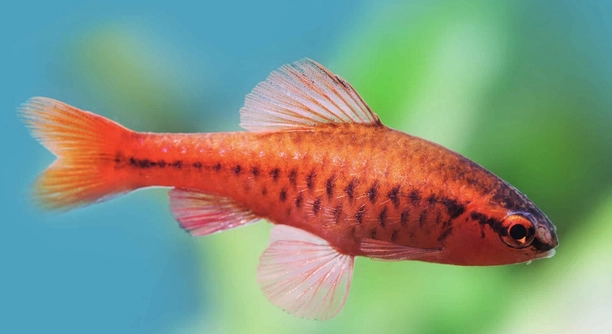
Cherry barbs are popular aquarium fish known for their bright colors and active behavior. One common behavior observed is their tendency to dig at the bottom of the tank. This is something many fish owners notice.
The primary reason cherry barbs dig at the bottom is their natural instinct to forage for food and explore their environment. This behavior is typical for many species in the wild, as it helps them find small food particles and maintain their health.
This behavior can be fascinating, but it’s important to understand its purpose. Knowing more will help you care for your cherry barbs and create a better environment for them in your aquarium.
Why Cherry Barbs Dig at the Bottom of Your Tank
Cherry barbs are naturally curious fish. In their natural habitats, they often spend time near the substrate, searching for food. When they dig at the bottom of your tank, they’re simply doing what comes instinctively to them. It’s a behavior tied to their foraging nature, which is common among many species of fish. This digging helps them look for small particles and other natural food sources. They can also engage in this behavior to create a more comfortable space, mimicking their wild environment.
The digging might seem odd at first, but it’s actually beneficial to your cherry barbs. It allows them to exercise their natural instincts, which can reduce stress and promote better health.
If you have a well-maintained tank with plenty of hiding spaces and appropriate substrate, your cherry barbs will feel more secure and be less likely to over-dig. You can make small adjustments to ensure their environment remains enriching.
How to Manage Their Digging Behavior
If you find the digging excessive, try adjusting the layout of your tank. Providing more plants or decorations can give them spaces to explore without needing to disturb the substrate too much. You can also make sure there are enough food sources scattered throughout the tank to keep them from digging as much. Another option is adding a thicker layer of substrate, which may satisfy their need to forage while limiting disruption to your tank’s appearance.
By creating a balanced, enriched environment, your cherry barbs can continue to dig in ways that are healthy and natural. Over time, they’ll become more comfortable, and the digging will likely lessen as they settle in.
Understanding Cherry Barb Behavior
Cherry barbs are naturally curious fish, and their digging behavior is just a way for them to engage with their surroundings. It’s part of their instinct to explore and search for food, much like they would do in their natural habitat.
This digging isn’t just random; it’s a healthy behavior that helps them feel at home. When they dig, they are mimicking the actions they would take in the wild to find food or create spaces where they feel safe. It’s essential to understand that this is a sign of an active and mentally engaged fish.
Sometimes, over-digging can cause stress to other tank inhabitants or disrupt your tank setup. If this happens, consider adding more hiding places or plants to create a more enriching environment for your cherry barbs. By offering alternative spaces to explore, they might focus less on digging.
Tank Setup for Cherry Barbs
To accommodate your cherry barbs’ natural digging habits, a few changes in the tank setup can make all the difference. Ensure the substrate is deep enough to give them room to engage in their foraging behavior. Soft sand or fine gravel works best.
Adding live plants can also help satisfy their need to explore. Cherry barbs enjoy hiding in plants and between rocks, where they feel safe. A mix of hardscape elements like rocks and wood, combined with plants, provides a diverse and stimulating environment. The more options they have to explore, the less likely they will focus on digging excessively.
For a healthy, happy cherry barb, setting up a tank that mimics their natural environment is key. These changes will not only help reduce digging but also create a thriving space for your fish to explore and feel secure.
Why Digging Happens More Often at Night
Cherry barbs are more likely to dig at the bottom during the evening or night when the tank is quieter. They tend to be more active during these times, searching for food or creating spaces where they feel secure. This behavior is linked to their natural rhythms.
At night, cherry barbs feel safer without the distractions of tankmates or movement. They use the quiet time to engage in their natural instincts, foraging and exploring. This can include digging at the bottom to search for food particles or to create a comfortable resting space.
The Role of Substrate in Digging Behavior
The type of substrate in your tank can directly influence how often cherry barbs dig. Softer substrates, like fine sand, allow them to dig more freely without causing discomfort. A harder substrate may discourage digging due to its resistance.
However, adding a mix of soft and coarse substrate can create a more balanced environment. Cherry barbs may explore these areas without damaging their fins or getting frustrated. You can even layer the substrate for added variation, giving your fish the space they need to satisfy their instincts without overdoing it.
Feeding Habits and Digging
Feeding your cherry barbs regularly can help reduce excessive digging. If they’re constantly looking for food, they may dig in search of missed crumbs or particles. By ensuring they have enough food in appropriate amounts, their need to dig will lessen.
FAQ
Why do cherry barbs dig at the bottom?
Cherry barbs dig at the bottom due to their natural instincts to forage for food and create spaces where they feel secure. In the wild, they dig to find small food particles or hide from predators. In your tank, this behavior is a sign that your fish are active and comfortable in their environment.
Is it normal for cherry barbs to dig at night?
Yes, it’s normal for cherry barbs to dig at night. During the night, the tank is typically quieter, and the fish feel safer. Without the distractions of tankmates or movement, they engage more in their natural behavior, such as searching for food or creating resting spots.
How often should I feed my cherry barbs?
Feeding cherry barbs once or twice a day is usually sufficient. Overfeeding can lead to uneaten food that sinks to the bottom, encouraging excessive digging as they search for it. It’s important to offer a balanced diet to prevent this behavior from becoming problematic.
Can overfeeding cause cherry barbs to dig more?
Yes, overfeeding can lead to excess food in the tank. Cherry barbs will dig in search of leftover food particles, which could cause them to engage in more digging than usual. To prevent this, only feed your fish what they can eat in a few minutes, and remove any uneaten food promptly.
How can I prevent cherry barbs from digging too much?
To prevent excessive digging, provide your cherry barbs with enough hiding spaces, plants, and tank decor to keep them occupied. Adding a mix of soft and coarse substrates may help. A well-maintained tank with a balanced feeding schedule can also reduce the urge to dig.
Does the substrate type affect how much cherry barbs dig?
Yes, the type of substrate can influence how much your cherry barbs dig. Soft, fine sand allows them to dig easily without harming themselves, while harder substrates, like gravel, may discourage digging. A deeper substrate can also provide more room for natural behavior without disrupting the tank.
Can cherry barbs dig too much?
If cherry barbs dig excessively, it can lead to changes in the tank’s appearance and potentially stress other tankmates. However, if the digging is part of their natural behavior and they are not disrupting the tank too much, it is usually not a cause for concern.
How can I provide more enrichment for my cherry barbs?
To enrich your cherry barbs’ environment, add live plants, rocks, and driftwood. These elements allow the fish to explore and interact with their surroundings, satisfying their natural curiosity. Offering a variety of hiding places will keep them busy, reducing the focus on digging.
Should I change the tank layout to reduce digging?
Changing the tank layout can help manage digging. Adding more plants, rocks, or decorations can give your cherry barbs alternative places to explore, reducing the need to dig. However, ensure there’s still enough space for them to engage in their natural behaviors without overcrowding the tank.
Is it necessary to remove cherry barbs that dig too much?
It’s usually not necessary to remove cherry barbs unless their digging is causing significant disruption to the tank environment or stressing other fish. If you notice excessive digging, try adjusting the tank setup first, adding enrichment, or changing the substrate to see if that reduces the behavior.
What tankmates are best for cherry barbs?
Cherry barbs are peaceful fish that do well with other non-aggressive species. Suitable tankmates include other small fish, such as tetras, rasboras, and corydoras. Avoid aggressive species that may stress the cherry barbs, as this can lead to excessive digging or other stress-related behaviors.
Do cherry barbs prefer a specific tank temperature?
Cherry barbs thrive in a temperature range of 72-80°F (22-27°C). Keeping the water within this range ensures they are comfortable and healthy. Sudden temperature fluctuations can stress them, potentially leading to changes in behavior like excessive digging.
How do I know if my cherry barbs are stressed?
Signs of stress in cherry barbs include abnormal swimming patterns, fading colors, or hiding more than usual. If they seem lethargic or stop eating, it could indicate stress. Stress can also lead to increased digging behavior as they try to adjust to their environment.
Can cherry barbs be kept in small tanks?
Cherry barbs can be kept in small tanks, but they thrive in tanks of at least 20 gallons. Smaller tanks can lead to more stress, which may cause them to dig more or engage in other undesirable behaviors. A well-sized tank with proper filtration will keep them healthier and happier.
How can I tell if my cherry barbs are healthy?
Healthy cherry barbs are active, colorful, and show normal social behaviors. They should swim freely in the tank, eat regularly, and interact with other fish. If you notice changes in their color, behavior, or appetite, it may indicate a health issue, such as stress or disease.
Are cherry barbs difficult to care for?
Cherry barbs are relatively easy to care for. They require a well-maintained tank with stable water conditions, regular feeding, and appropriate tankmates. They adapt well to various aquarium setups and can live happily in a range of environments with the right care.
Final Thoughts
Cherry barbs are active and curious fish, and their behavior of digging at the bottom is quite natural. It’s a sign that they are comfortable in their environment and are simply engaging in instinctive behaviors like foraging for food or creating a secure resting spot. While this can sometimes be mistaken for problematic behavior, it is typically harmless, as long as it’s not excessive or causing disruption in the tank. Their digging helps them interact with their surroundings and shows that they are exploring their environment in a healthy way.
If the digging becomes excessive or starts to affect the tank, there are a few steps you can take. Ensuring that the substrate is suitable for digging, like soft sand or fine gravel, can make a big difference. Adding more decorations, plants, and hiding spaces will provide enrichment for the cherry barbs, reducing the focus on digging. Regularly monitoring their feeding schedule and making sure they aren’t overfed will also help limit their desire to dig in search of leftover food. These simple adjustments can create a more balanced and enjoyable environment for your fish.
In the end, understanding why cherry barbs dig at the bottom and how to manage their behavior is key to providing the best care for them. Their digging is a reflection of their natural instincts and can be easily managed with a few changes to the tank setup. With the right attention to their needs, cherry barbs can thrive in your aquarium, offering a peaceful and vibrant addition to your aquatic home.

Hello,
If you enjoy the content that we create, please consider saying a "Thank You!" by leaving a tip.
Every little bit helps us continue crafting quality advice that supports the health, happiness, and well-being of pets around the world, for pets of all shapes, sizes, and species.
We really appreciate the kindness and support that you show us!