
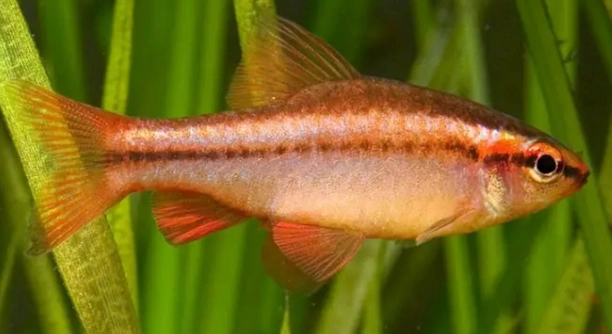
Have you ever noticed your cherry barbs acting extra playful or energetic right after they eat? It can seem like mealtime brings out their most social side, especially when they start to chase each other around the tank.
Cherry barbs often chase after feeding due to heightened energy levels and territorial behaviors. The increase in activity is a natural response to food availability, which can trigger social interactions and reinforce their position within a group hierarchy.
While the behavior may appear playful, understanding its roots helps ensure a peaceful environment and promotes healthier interactions among your fish.
What Causes Cherry Barbs to Chase After Eating
Right after feeding, cherry barbs become noticeably more active. This behavior is mainly influenced by an energy boost from eating and a sudden increase in interaction among tank mates. When food is introduced, their natural instincts take over. These instincts often include defending feeding spots and re-establishing dominance, especially in tanks with multiple fish. Even if it looks playful, chasing can sometimes lead to stress, particularly if one fish is targeted more than others. It is also important to consider tank size and layout, as limited space can intensify these behaviors. A well-planted tank with hiding spaces can reduce the frequency and intensity of chasing. In most cases, this chasing is temporary and subsides after the initial feeding excitement wears off. Regular observation will help you identify whether the behavior remains harmless or begins to escalate into something more aggressive, requiring changes in tank setup or feeding routines.
Chasing behavior after meals is common, especially in active species like cherry barbs. It is usually a response to stimulation and competition, not aggression.
If the chasing continues beyond a few minutes or leads to signs of stress, consider increasing hiding spots and adjusting feeding techniques. This creates a calmer environment for all fish.
How to Reduce Excessive Chasing
Monitor the tank after feeding to understand if the behavior is consistent or just occasional. Repeated chasing can indicate a need for changes in the tank environment.
Adding more plants, decorations, and hiding spaces can help create separation between fish and lower stress levels. Cherry barbs are schooling fish, and they thrive in groups of at least six. Keeping fewer than that may cause them to act out more frequently, as they feel less secure. Feeding in multiple spots can also reduce competition and lower the urge to chase others. If one fish consistently chases others, check for signs of over-dominance or illness. A healthy, balanced group usually distributes activity evenly. Try to maintain a stable tank temperature and clean environment, as poor conditions can make fish irritable. Cherry barbs respond well to routine, so feeding them at the same time each day can minimize unpredictable behaviors. Over time, you will notice when their behavior is typical or when it might require closer attention.
Signs the Chasing Might Be a Problem
If one fish is always chasing others or if fins start to look torn, it could be a sign of stress or aggression. Keep an eye on changes in behavior that don’t settle down after feeding.
Cherry barbs are typically peaceful, so extended chasing or signs of injury suggest something is off. Watch for hiding, loss of color, or refusal to eat. These are clear indicators that the environment may be causing stress. Tank overcrowding or an unbalanced male-to-female ratio can lead to repeated chasing. Aim for two females per male to reduce tension. If possible, add visual barriers or rearrange decor to interrupt line-of-sight. Giving them places to retreat helps reduce aggressive encounters. A stressed fish is more prone to illness, so it’s worth addressing any behavior that seems out of the ordinary before it becomes more serious.
Long-term chasing can weaken the immune system of the fish being targeted. The stress takes a toll on their health, even if physical injuries aren’t visible right away. Frequent exposure to this stress may lead to infections or reduced lifespan. You may also notice erratic swimming or unusual hovering behavior from the fish trying to avoid the chaser. These are not behaviors to ignore. While occasional chasing is fine, frequent targeting of the same fish creates an imbalance in the tank. Adjusting the group size, feeding strategy, and habitat layout can help restore calm. Keep things stable and predictable to encourage a more peaceful environment overall.
Feeding Tips to Help Minimize Chasing
Feeding at consistent times each day helps cherry barbs feel secure. Use multiple spots or floating dispensers so food is more evenly spread out and less likely to trigger competition.
When food is only placed in one spot, faster or more dominant fish may end up with the most. This leaves others underfed and creates tension. Spreading the food across different areas allows every fish a better chance to eat calmly. Floating food is great for drawing attention across the tank, while sinking pellets can distract fish at different levels. It also helps to briefly turn off the filter during feeding, so food doesn’t scatter too quickly. Feeding a varied diet keeps the fish interested and balanced nutritionally. Add occasional treats like live or frozen daphnia for enrichment. When fish are well-fed and comfortable, they’re less likely to show aggressive behavior right after eating. Observing how they respond to feeding changes is key to finding what works.
Environmental Factors That Make It Worse
Smaller tanks often increase tension after feeding, especially if there aren’t enough places for fish to spread out. Lack of space can lead to more frequent chasing, even when the fish are generally peaceful by nature.
Bright lighting without shade can also contribute to stress. Cherry barbs appreciate subdued lighting with some cover from plants or decorations. Without this, they may feel more exposed and act out more often after feeding.
When to Intervene
If chasing becomes persistent or leads to injury, it’s time to make changes. Start by checking tank size, group dynamics, and layout. Rearranging decorations can break up sight lines and reduce aggression. Adding more live plants or hiding places can help create a calmer space. A good mix of males and females also helps distribute attention and reduce stress. Feeding in several locations and offering the right amount of food can ease competitive behavior. Observing how the fish interact daily gives you the clearest idea of whether things are improving. Consistent patterns of distress mean changes are needed right away.
Final Thoughts on Behavior
Short bursts of chasing after feeding are normal and often harmless. But repeated or intense chasing means something needs attention.
FAQ
Why do cherry barbs become more active after feeding?
Cherry barbs often become more active after feeding due to a natural energy spike. Food triggers a mild burst of energy, and the movement of other fish can create excitement. This post-meal activity is usually harmless and short-lived. It’s a normal part of their behavior and not always related to aggression. However, if the chasing continues beyond a few minutes, it may indicate underlying stress or territorial behavior that needs to be addressed.
Is chasing always aggressive behavior in cherry barbs?
Not always. Some chasing is part of their social behavior, including establishing a pecking order or displaying mating interest. Males, in particular, may chase females or other males briefly. It becomes a concern when it’s frequent, targeted, or causes visible stress or damage to the fish being chased. Watching the body language helps: raised fins, nipping, or hiding are warning signs that the chasing is too intense. Occasional playful bursts are fine, but repeated bullying should not be ignored.
How can I tell if my tank is too small for cherry barbs?
If your cherry barbs are constantly chasing each other or there’s no room for them to hide or retreat, the tank may be too small. A minimum of 20 gallons is recommended for a group of 6 to 8 cherry barbs. Crowded tanks increase stress and competition, especially after feeding. Lack of horizontal swimming space or visible tension among the group usually signals that the environment is not spacious enough. Adding space or reducing the number of fish can help ease these behaviors.
What is the ideal male-to-female ratio for cherry barbs?
A good balance is one male for every two females. This reduces competition among males and prevents a single female from being constantly chased. Too many males often leads to more territorial behavior and persistent chasing. Keeping more females not only helps reduce stress but also encourages more natural, calm schooling behavior. This ratio works well in both breeding and community setups, promoting peace in the tank and allowing fish to interact more comfortably.
Does the type of food I give affect chasing behavior?
Yes, it can. High-protein foods like live or frozen treats may increase excitement, leading to more chasing during and after feeding. While these are fine as occasional treats, feeding a balanced diet that includes flakes or pellets with plant-based content can help reduce overexcitement. The way food is offered matters too. Scattering food or using floating rings encourages more even feeding, which helps prevent competition and keeps everyone calmer. Consistency in feeding helps manage energy levels and tank dynamics better.
Can adding more decorations stop the chasing?
It helps in many cases. Decorations break up sight lines, offer hiding spots, and give less dominant fish a place to retreat. Plants, caves, and driftwood all make the space feel more natural and secure. When cherry barbs feel safe, they’re less likely to act out. Rearranging decorations can also disrupt established territories, which may help reset aggressive behaviors. A well-planted tank gives the group something to interact with beyond just each other, reducing stress and boredom.
How can I know if the chasing is stress-related or mating behavior?
Mating behavior usually involves short, fast chases with a focus on one specific female, often paired with color intensification in males. The female may eventually respond by staying close or swimming slowly. Stress-related chasing tends to be constant, without signs of mutual interaction, and may result in hiding or damaged fins. If multiple fish are being chased or the same fish is always the target, it’s more likely a stress issue. Observing patterns over time helps tell the difference.
What changes can I make to calm things down after feeding?
Try feeding in multiple spots and using a mix of floating and sinking foods. This helps fish spread out and reduces competition. Lowering the light level right after feeding can also create a calmer mood. Keep noise and movement around the tank to a minimum. Regular tank maintenance, including stable water parameters, contributes to a peaceful environment. Giving your cherry barbs a predictable routine helps them feel more secure, which leads to fewer stress-driven behaviors like excessive chasing.
Final Thoughts
Cherry barbs are peaceful fish when kept in the right environment, but they can become more active or even aggressive after feeding. This behavior is usually harmless, but in some cases, it can point to issues that need attention. Tank size, group balance, feeding methods, and environmental stressors all play a role in how cherry barbs behave. When one or more of these elements are off, chasing can increase. While it may look concerning, it often has simple solutions that can make a big difference for both the fish and the overall tank harmony.
Feeding time can be a moment of excitement and tension. Cherry barbs are quick to respond to food, and the sudden burst of activity is normal. However, when chasing goes beyond a few minutes or becomes directed at the same individual repeatedly, it’s time to take a closer look at what’s happening. Providing a larger tank, increasing the number of plants or decorations, and ensuring a balanced male-to-female ratio are all easy changes that can help reduce tension. Adjusting the way food is offered also helps—spreading it out prevents crowding and makes sure all fish have access without having to compete.
Observing your cherry barbs regularly will give you the clearest understanding of their habits. Short periods of chasing aren’t usually something to worry about, especially right after feeding. But when those moments become a pattern or lead to injury, stress, or hiding, it’s a signal that the tank setup or group dynamic may need to be improved. A peaceful aquarium depends on giving the fish what they need to feel secure, including space, routine, and stable conditions. When those needs are met, cherry barbs usually go back to their calm, colorful selves. Watching them interact in a balanced tank is rewarding, and with a few simple steps, you can keep their environment both healthy and peaceful.

Hello,
If you enjoy the content that we create, please consider saying a "Thank You!" by leaving a tip.
Every little bit helps us continue crafting quality advice that supports the health, happiness, and well-being of pets around the world, for pets of all shapes, sizes, and species.
We really appreciate the kindness and support that you show us!