
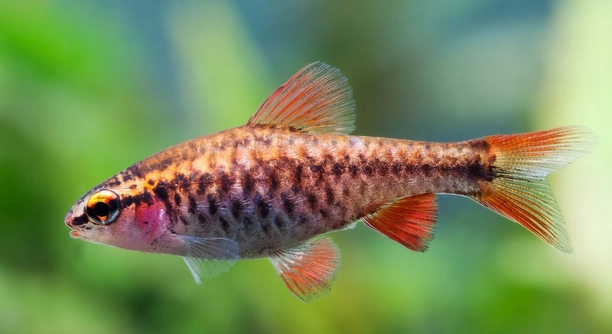
Cherry barbs are small, active fish that can display interesting behavior, especially after feeding. Their playful chasing may seem odd at first, but it’s actually a natural and common reaction. Let’s explore why they do this.
After feeding, cherry barbs chase each other due to a mix of instincts and social behavior. This post-meal activity is often a form of excitement or competition, driven by their natural behavior patterns, including establishing dominance or engaging in play.
Understanding their behavior can help you maintain a healthy environment for your fish. By recognizing why they chase, you’ll be better equipped to care for them.
Why Do Cherry Barbs Display Post-Feeding Chasing Behavior?
After meals, cherry barbs often seem to chase each other around their tank. This behavior can be surprising, but it’s a natural part of their instincts. Cherry barbs are social fish, and they engage in playful activities, especially after eating. The chase might look intense, but it’s usually a sign of excitement. It may also be an expression of competition for food, territory, or attention.
In their natural habitat, cherry barbs are known to be active swimmers, so this behavior is simply a way of releasing energy after a meal. While it may seem like aggression, it is more of a playful interaction between the fish. Chasing is common in various species of fish, not just cherry barbs, and often has nothing to do with stress or aggression.
The excitement after feeding also helps cherry barbs stay physically active and mentally stimulated. A lack of post-meal movement can lead to laziness, which could affect their overall health. Regular chasing keeps them moving, which is essential for maintaining healthy fish.
How Feeding Frequency Affects Chasing Behavior
The frequency of feeding plays a role in how often cherry barbs display this behavior. Feeding them too frequently can increase their energy levels, which may cause them to chase more often. A steady feeding schedule can help control this.
Feeding them once or twice a day keeps their energy levels balanced and can help manage their chasing behavior. If they’re fed too often, their hunger might not be enough to motivate them to stay calm, resulting in more chasing. On the other hand, feeding them too little can also cause frustration, as they might get agitated or overly eager to get food. Proper portion control and timing of meals can ensure that they remain active but not overly excited after eating.
Proper feeding habits and ensuring the right balance of food intake can prevent excessive chasing. However, it’s important to remember that occasional post-feeding activity is normal and healthy for cherry barbs. Their playful behavior is a sign of them being content and active.
Social Behavior and Tank Dynamics
Cherry barbs are social creatures, and their post-feeding chase can also be linked to the social dynamics in the tank. If there are other fish, this behavior might increase as they establish relationships or compete for space.
When kept in groups, cherry barbs tend to form schools. Their chasing after eating may help reinforce their social bonds. These interactions are a way to engage with each other, showcasing both their playful side and territorial instincts. In a well-maintained tank, these social behaviors usually result in a harmonious environment, where the fish feel secure and active.
In a tank with too few fish, cherry barbs might become stressed and display more erratic chasing behaviors. A good number of cherry barbs helps to spread the attention among the fish, reducing any aggressive tendencies. A tank with a diverse community of fish can also have a calming effect, encouraging natural interactions. Keeping a proper balance of fish allows for healthy, active behavior without the risk of undue stress or dominance.
Importance of Tank Size and Space
The size of your tank directly affects how cherry barbs behave after feeding. In smaller tanks, they may feel cramped, which could lead to more chasing or even aggression. Larger tanks offer more space, allowing the barbs to move freely and interact without feeling overcrowded.
Providing adequate space for your cherry barbs to swim around and explore will also contribute to their post-feeding energy release. A cramped environment might make them feel cornered, increasing their instinct to chase others out of frustration. A larger tank allows them to spread out, which not only decreases stress but also encourages natural behaviors like chasing and playing. Therefore, ensuring a spacious tank is key to keeping the barbs active, happy, and healthy.
It’s crucial to create an environment that mirrors their natural habitat as closely as possible. Larger spaces reduce territorial disputes and allow each fish to carve out its own area, making it easier for them to coexist peacefully. This peaceful cohabitation can also lead to less post-feeding aggression and more playful interactions.
Stress and Overcrowding
Stress plays a big role in how cherry barbs act after feeding. If they feel overcrowded or threatened, their post-meal chasing can become more intense. This stress can lead to unwanted behaviors like aggression or excessive energy.
A stressed cherry barb is likely to engage in frantic swimming or chasing after a meal. Overcrowding can worsen this issue, as the fish fight for space and food. Reducing the number of fish in the tank or providing more hiding spots can help relieve stress and calm their post-feeding behavior.
Water Quality and Post-Feeding Behavior
Water quality is crucial for keeping cherry barbs healthy. Poor water conditions can lead to stress, which in turn triggers more chasing. High levels of ammonia or dirty water can irritate them, making them act out after meals.
A well-maintained tank with clean water encourages calm, healthy behaviors. Ensuring proper filtration, regular water changes, and stable water temperature will help keep your fish in a good mood. When cherry barbs are comfortable in their environment, they are more likely to engage in normal, non-aggressive post-feeding activities, like chasing. A healthy tank environment is key to maintaining their happiness.
Feeding Techniques
How you feed your cherry barbs matters. If food is scattered too widely, it might trigger a feeding frenzy, leading to more chasing. Using feeding rings or slow-release feeders can reduce the chaos after meals.
Feeding smaller, more frequent meals also helps. Instead of giving them large amounts all at once, offering smaller portions throughout the day reduces the chances of competition or frantic behavior. This way, the fish get enough food without feeling the need to chase each other for scraps.
FAQ
Why do cherry barbs chase each other after eating?
Cherry barbs chase each other after eating because of a mix of excitement, social behavior, and natural instincts. This post-meal behavior is typical in many fish species, including cherry barbs. After eating, they have extra energy and tend to engage in playful activities, which often includes chasing. This behavior may also be part of their social structure, as they establish relationships or competition for resources like food or territory. While it may look aggressive, it’s usually harmless and a sign of healthy, active fish.
Can this chasing behavior be harmful to my cherry barbs?
Generally, chasing is not harmful to cherry barbs unless it turns into constant aggression or stress. If they are constantly chasing or being chased, it could lead to injury or stress. You should monitor the intensity of the chasing. If it seems excessive, you may want to check the tank’s environment, such as overcrowding or water quality, to make sure these factors are not contributing to the problem. In most cases, a few playful chases after feeding are normal and part of their active behavior.
How can I reduce chasing behavior after meals?
To reduce chasing behavior after meals, focus on maintaining a stress-free environment. Start by ensuring that your tank is not overcrowded, as too many fish in a small space can lead to increased competition and more chasing. Also, feed your cherry barbs small portions of food multiple times a day, rather than one large feeding session, to reduce competition. Provide hiding spots and plants in the tank so that fish can retreat to areas of comfort and avoid excessive interaction. Lastly, ensure that your water quality is optimal, as poor water conditions can heighten stress and trigger chasing behavior.
Do cherry barbs need a group to prevent chasing behavior?
Yes, cherry barbs are social fish and do better in groups. When kept alone, they can become stressed, leading to more erratic behavior, including chasing. Keeping them in groups of at least five to six individuals helps spread out the social interactions and reduces any aggressive or dominant behaviors. A small school of cherry barbs allows them to engage with each other in a more natural way, making their environment more balanced and comfortable. A larger group often leads to a calmer, more stable tank atmosphere.
Will the size of the tank affect chasing behavior?
Yes, the size of the tank can affect how much cherry barbs chase after eating. In smaller tanks, fish may feel cramped, leading to stress, aggression, and more frequent chasing. Providing a larger tank gives them enough space to move freely and interact in a healthier, less stressful way. The more room they have, the less likely they are to feel territorial or competitive, which can reduce unnecessary chasing. A properly sized tank also encourages natural behavior and allows for better water quality management, both of which help keep your fish calm.
Is it normal for cherry barbs to chase each other in a community tank?
Yes, cherry barbs can chase each other in a community tank, especially if they feel the need to establish dominance or compete for food. While this is a normal behavior, it’s important to monitor the interactions between all fish in the tank. In a community tank, other species may also trigger chasing if they are perceived as competition. It’s essential to ensure that your tank mates are compatible and that there is enough space and resources for everyone. A balanced tank environment will allow your cherry barbs to interact in a way that is playful rather than aggressive.
Can cherry barbs chase each other even if they are not hungry?
Yes, cherry barbs can still chase each other even if they are not hungry. This behavior is often driven by their social and territorial instincts. After feeding, they may have extra energy and feel the need to engage in physical activity. Chasing can be a way for them to bond, assert dominance, or simply release energy. Even when they’re not hungry, they may still engage in this playful or competitive behavior. As long as it’s not excessive or harmful, it is usually not a cause for concern.
How often should I feed my cherry barbs to prevent excessive chasing?
Feeding your cherry barbs once or twice a day is usually ideal. Overfeeding or feeding too frequently can cause them to become more energetic and may increase chasing behavior. Smaller meals throughout the day are better than one large feeding session, as it helps manage competition for food. This approach will reduce the likelihood of them becoming too eager and competitive after meals. Additionally, keeping their portions controlled ensures they’re not overeating, which could lead to other health issues.
Can the type of food I give my cherry barbs affect their chasing behavior?
Yes, the type of food you feed your cherry barbs can influence their behavior. High-protein foods or fast-sinking pellets may cause the fish to become more excited and competitive, leading to more chasing. Offering a variety of foods, such as flakes, pellets, and live or frozen options, will keep them satisfied and engaged. Be sure to feed a balanced diet that suits their nutritional needs. Also, consider using a feeding ring or scatter the food around the tank to reduce competition and the intensity of the chase.
How can I tell if the chasing behavior is a sign of aggression?
If the chasing behavior seems too aggressive or is accompanied by signs like fin nipping, constant stress, or injury, then it may be more than playful behavior. In such cases, the chasing could be a sign of dominance or territorial disputes. To reduce aggression, ensure that the tank is appropriately sized, and that there are plenty of hiding spots and plants. If the problem persists, you may need to separate overly aggressive fish or add more fish to disperse the competition. Keeping a peaceful, well-balanced environment is essential for preventing aggressive chasing.
Final Thoughts
Cherry barbs are active and social fish, and their post-feeding chasing behavior is a normal part of their nature. This behavior often comes from a combination of excitement, energy release, and social interaction. It’s important to understand that while the chasing may look intense, it is generally harmless and doesn’t pose a threat to their well-being. Cherry barbs are naturally curious and playful, and these chases are a way for them to interact with each other, release extra energy, and establish social connections. In fact, this behavior can be an indicator that your fish are active, healthy, and content in their environment.
However, if the chasing seems excessive or becomes aggressive, it’s worth considering other factors that could be influencing the behavior. Overcrowding, poor water quality, or an imbalance in tank mates can all contribute to heightened stress or competition, which may lead to more intense chasing. In these cases, it’s important to reassess the tank conditions, such as the number of fish, the size of the tank, and water parameters. Providing enough space for the fish to swim, hiding spots for them to retreat to, and maintaining good water quality can all help reduce unnecessary chasing and keep the fish calm and comfortable.
Ultimately, cherry barbs are simple to care for, and understanding their behavior is key to creating a peaceful and healthy aquarium environment. Regular feedings, proper tank maintenance, and ensuring that the fish have enough room to interact naturally will allow your cherry barbs to thrive. Their playful chasing after meals is just one of the many fascinating behaviors that make them an interesting and enjoyable species to keep. By keeping an eye on their behavior and making adjustments as needed, you can ensure they remain happy and healthy for years to come.

Hello,
If you enjoy the content that we create, please consider saying a "Thank You!" by leaving a tip.
Every little bit helps us continue crafting quality advice that supports the health, happiness, and well-being of pets around the world, for pets of all shapes, sizes, and species.
We really appreciate the kindness and support that you show us!