
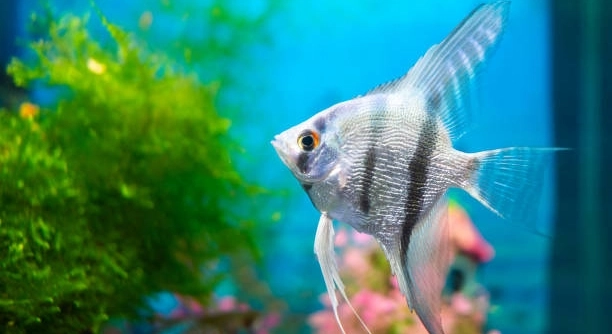
Angelfish are popular aquarium fish known for their graceful movements. However, sometimes they may suddenly stop swimming, which can be a concerning sight for owners. There are several reasons this might happen, and it’s important to understand why.
The most common reasons angelfish stop swimming suddenly are due to stress, water quality issues, or health problems like parasites or injury. Other factors include poor tank conditions or unsuitable tank mates that may cause discomfort or fear.
These factors can lead to changes in your angelfish’s behavior, and identifying the root cause is crucial. Understanding the reasons behind these sudden stops can help you address and resolve the issue more effectively.
Stress or Anxiety Can Affect Angelfish
Angelfish are sensitive to changes in their environment, and stress can easily cause them to stop swimming. If there are loud noises, sudden movements, or even unfamiliar people around, your fish may become anxious. Environmental changes like adding new fish to the tank or rearranging decorations can also be stressful for them.
Fish are naturally alert and sensitive to their surroundings. When their space feels disturbed, they may exhibit unusual behavior, like stopping their usual swimming pattern. If you notice this, try to maintain a calm and stable environment. This includes avoiding sudden changes, loud noises, or rapid movements around the tank.
Keeping the tank in a quiet, peaceful area is essential for your angelfish’s well-being. If the stress continues, consider creating a more tranquil space by reducing the number of activities around the tank. Sometimes, just providing a consistent environment can help your fish regain their normal swimming behavior over time.
Poor Water Quality Can Cause Problems
Water quality is crucial to an angelfish’s health.
Angelfish thrive in clean, well-maintained water. Poor water quality, especially high ammonia or nitrite levels, can cause them stress and make them stop swimming. A simple water test can identify these issues.
Water quality issues often arise from overfeeding, insufficient filtration, or irregular water changes. Angelfish are particularly sensitive to changes in water parameters like pH, temperature, or hardness. If your angelfish seems lethargic, test the water to ensure it’s within the correct range. In many cases, adjusting water conditions can quickly return your angelfish to its active state.
Keeping up with regular water changes, cleaning the filter, and avoiding overfeeding are essential practices for maintaining a healthy tank. By monitoring water quality, you can ensure your angelfish remains in a safe environment, helping them swim freely again.
Injuries or Illness Can Affect Swimming
Injuries can stop angelfish from swimming. A bump into an object or even an aggressive tank mate can cause injury. Injuries may not always be visible but can affect movement. Illnesses, such as parasites or infections, can also prevent swimming.
Angelfish that stop swimming due to an injury might seem like they’re just resting, but if left untreated, they could become weaker. Look for signs like faded color, torn fins, or odd swimming patterns. If an illness is suspected, closely monitor the fish for additional symptoms like swelling, discoloration, or spots on the body.
A sudden change in behavior or lack of movement can also indicate internal issues, such as constipation or a swim bladder disorder. Treating these problems early, whether through medications or adjusting the fish’s diet, can help restore normal movement. Regular observation and quick action can make a difference in your angelfish’s health.
Poor Diet Can Lead to Health Issues
Angelfish need a balanced diet to maintain proper health.
A poor diet can weaken the fish, making them less active and even stop swimming. Without proper nutrition, angelfish can become lethargic and more susceptible to diseases. Lack of essential vitamins and minerals can lead to problems with their fins, scales, and overall energy.
Offering a variety of high-quality fish food like flakes, pellets, or live food can ensure they receive all the nutrients they need. Some fish owners make the mistake of feeding only one type of food, which can result in nutritional imbalances. Providing a varied diet will help your angelfish stay healthy and active, encouraging them to swim normally.
Tank Mates Can Cause Stress
Tank mates play a big role in your angelfish’s behavior.
Aggressive or overly active fish can cause stress, making angelfish stop swimming. Angelfish are peaceful and prefer calmer tank mates. If they’re in an environment with aggressive fish, they may retreat to a corner or stop moving as much.
If you notice your angelfish becoming sluggish, check the behavior of other fish in the tank. The presence of overly territorial or fast-moving fish could be the reason for the sudden stillness. To avoid this, choose tank mates that are similar in temperament to your angelfish.
Temperature Fluctuations Can Cause Issues
Angelfish prefer stable water temperatures.
If the water temperature fluctuates, it can cause your angelfish to stop swimming. They typically thrive in water temperatures between 76°F and 82°F. Any significant changes outside of this range can make them lethargic or stressed.
Use a reliable aquarium heater to maintain a steady temperature and check it regularly. A thermometer will help ensure that the water stays within the ideal range, preventing discomfort for your angelfish. Keeping temperature fluctuations to a minimum will help keep your fish active and healthy.
Overcrowding Can Lead to Behavior Changes
Too many fish in a tank can cause problems.
Overcrowding leads to a lack of space, increasing stress and decreasing water quality. Angelfish need room to swim freely. If they are surrounded by too many other fish, they may stop swimming and become more lethargic.
FAQ
Why is my angelfish not swimming and just staying still?
When an angelfish suddenly stops swimming, it could be due to several factors such as poor water quality, stress, injury, illness, or tank mate issues. If the water parameters (like temperature, pH, or ammonia levels) are off, the fish may become lethargic. Also, angelfish can sometimes stop swimming when they’re stressed due to changes in their environment, aggressive tank mates, or even unfamiliar people. Illness or injury could also cause a lack of movement, as sick or injured fish tend to conserve energy.
How can I tell if my angelfish is stressed?
Stressed angelfish often show signs like erratic swimming, hiding more than usual, clamped fins, or becoming more aggressive. They may also stop eating. Another common sign is if the fish stays near the bottom or hides in corners of the tank instead of swimming around freely. Monitoring water quality and keeping the environment calm can help reduce stress, allowing your fish to return to its normal behavior.
What water conditions are best for angelfish?
Angelfish prefer water temperatures between 76°F and 82°F, a pH level between 6.8 and 7.8, and soft to moderately hard water. Regular water changes are essential, ideally 25% to 30% of the tank’s water every week. Ensure the water is free from harmful substances like ammonia, nitrites, and nitrates. Testing the water regularly using an aquarium test kit can help you maintain the right conditions.
Can overfeeding cause angelfish to stop swimming?
Yes, overfeeding can affect your angelfish’s behavior. Leftover food can decay, leading to poor water quality, which may cause the fish to stop swimming. Additionally, an overfed fish may become sluggish and less active. To avoid overfeeding, only provide as much food as the fish can consume within a few minutes. Remove any uneaten food to maintain water quality.
How do I treat an injured angelfish?
If your angelfish is injured, separate it from other fish to prevent further harm or stress. If the injury is minor, you can add aquarium salt to the water to help with healing. In some cases, applying a fish-specific antibiotic or antiseptic may be necessary, depending on the severity of the injury. Keep the tank water clean, maintain good water quality, and ensure the fish is in a calm environment while it heals.
Can poor tank mates affect my angelfish’s swimming?
Yes, tank mates can greatly affect your angelfish’s behavior. Aggressive or overly active fish can cause stress and even physical harm, leading your angelfish to become less active or stop swimming altogether. It’s important to select peaceful and compatible tank mates for angelfish, such as other non-aggressive fish. Always observe their behavior to ensure the tank environment remains calm and safe for all inhabitants.
What are the signs that my angelfish has a health problem?
Signs of a health problem in angelfish include a lack of appetite, unusual swimming patterns, clamped fins, cloudy eyes, or the presence of external parasites like white spots or lesions on the body. If your fish is staying in one spot for long periods, it may be a sign of distress or illness. In such cases, testing the water and possibly treating the fish with medication is advised.
How do I prevent temperature fluctuations in my angelfish tank?
To prevent temperature fluctuations, use a reliable aquarium heater with an adjustable thermostat to keep the water temperature within the recommended range (76°F to 82°F). You can also use a thermometer to monitor the temperature regularly. Avoid placing the tank near windows or heat sources that could cause drastic temperature changes. Ensuring the tank maintains a consistent temperature helps your angelfish stay healthy and active.
Is it normal for angelfish to stop swimming during the night?
Yes, it’s normal for angelfish to be less active during the night. Like many fish, angelfish tend to rest and reduce their activity levels after dark. They are diurnal, meaning they are more active during the day. However, if your angelfish remains inactive during the day as well, it may indicate a health issue, stress, or water quality problems.
Can I fix poor water quality quickly if it affects my angelfish?
Improving poor water quality can take some time, but the first step is testing the water to identify issues like high ammonia, nitrite, or nitrate levels. Perform a water change immediately to remove any toxins. Add a reliable filter if one is not already in place, and make sure to regularly clean the tank. Keep the water parameters stable, and avoid overfeeding to prevent future issues. It’s essential to correct water quality issues quickly to prevent further stress or health problems for your angelfish.
What causes my angelfish to stop eating?
If your angelfish stops eating, it could be due to stress, illness, or poor water quality. Stress from tank mate aggression or environmental changes can cause them to lose their appetite. Illness or injury may also make eating difficult. Ensure the water conditions are optimal, and check for any visible signs of illness. If necessary, isolate the affected fish and consider treating it with appropriate medications.
Can overcrowding affect my angelfish’s behavior?
Overcrowding can significantly affect your angelfish’s behavior. When too many fish are in the tank, the available space and resources are limited. This leads to stress, poor water quality, and aggressive behavior. If your angelfish feels cramped or threatened, it may stop swimming or become more lethargic. To prevent this, ensure the tank has enough space for all inhabitants, and consider upgrading to a larger tank or removing any excess fish.
In conclusion, if your angelfish suddenly stops swimming, there are several possible reasons to consider. It could be due to environmental factors like stress or poor water quality. Angelfish are sensitive creatures, and any changes to their surroundings—whether from noise, tank mate behavior, or water conditions—can lead to them becoming inactive. Keeping a stable environment and paying attention to their needs is crucial for their health. Regular water tests, proper filtration, and maintaining a peaceful tank can go a long way in ensuring your fish remain active and healthy.
Additionally, physical health issues such as illness or injury can cause your angelfish to stop swimming. Since angelfish are often good at hiding symptoms, it’s important to observe them carefully for any signs of distress, like abnormal swimming patterns, clamped fins, or loss of appetite. If you suspect that your fish is sick or injured, separating it from other tank mates and providing a calm environment is key. In some cases, treatment with medication or even professional consultation may be required.
Finally, taking proactive measures to prevent common issues like overcrowding or incompatible tank mates is also important. Angelfish, like any other fish, need space to swim and thrive. Keeping the tank clean, providing the right water conditions, and selecting appropriate tank mates will help your angelfish stay healthy and active. Monitoring your fish regularly and addressing any problems as soon as they arise will contribute to their long-term well-being. With the right care, you can enjoy watching your angelfish swim happily in your aquarium.

Hello,
If you enjoy the content that we create, please consider saying a "Thank You!" by leaving a tip.
Every little bit helps us continue crafting quality advice that supports the health, happiness, and well-being of pets around the world, for pets of all shapes, sizes, and species.
We really appreciate the kindness and support that you show us!